Creatine Monohydrate: Same Ingredient, Different Product
Creatine monohydrate isn’t automatically the same across brands and prices—the active ingredient can be identical, but the quality controls, purity, labeling accuracy, and “extras” around it can vary in ways that matter. If you pick a truly single-ingredient creatine monohydrate from a reputable manufacturer, you’re usually paying for consistency and verification more than “stronger creatine.”
This guide is here to help you choose confidently: what’s genuinely interchangeable, what’s marketing, and what’s worth paying attention to if you want dependable performance support as part of your training routine.
Are all creatine monohydrate products basically the same?
Chemically, creatine monohydrate is creatine monohydrate. If two tubs both contain only creatine monohydrate at the same dose, your body doesn’t “care” about the label design.
Where products can differ is everything around the ingredient:
- Purity and contaminants: Creatine should be clean and consistent from batch to batch.
- Third-party testing: Some brands verify identity/purity and (for athletes) screen for banned substances.
- Label accuracy: The simplest products are often easiest to verify—“creatine monohydrate” with no long list of add-ins.
- Additives and flavor systems: Some products include sweeteners, acids, dyes, or other ingredients that change taste and mixability.
- Particle size (micronization): This doesn’t change the molecule, but it can change how easily it mixes and how it feels to drink.
So, the short takeaway: the ingredient can be the same, but the product experience and the confidence you have in the label can differ.
Why can price vary so much if the ingredient is the same?
Creatine monohydrate is a common, widely available raw material—so a higher price isn’t proof of a better “type” of creatine. Most of the price spread typically comes from:
- Testing and quality programs: Batch testing, certifications, and tighter supplier controls cost money.
- Manufacturing standards: Facilities, audits, and documentation add overhead.
- Flavoring and format: Flavored powders, chews, or blends often cost more than unflavored powder.
- Packaging and convenience: Single-serve sticks, chew formats, and premium packaging can raise cost.
- Marketing and distribution: Brand awareness and retailer margins matter.
A practical way to compare is to ignore the tub price at first and look at cost per 5 g serving. If one product is cheaper per serving and meets your quality checklist, it may be the smarter buy.
If you’ve ever used Optimum Nutrition products, you’ve seen this dynamic in action: the “ingredient” may be familiar, while the price reflects how the brand chooses to test, package, and position it—not magic performance. (That said, the label still has to earn your trust.)
What to look for on the label (and what to ignore)
When the goal is straightforward creatine monohydrate, the best labels are often the boring ones.
Look for:
- “Creatine monohydrate” as the main (or only) active ingredient
- A clear serving size and grams per serving (many people use 3–5 g/day; always follow the label)
- Transparent ingredient list (especially if flavored)
- Quality language that’s specific (e.g., third-party tested, lot/batch testing), not just vague “premium” wording
Ignore (or treat as “nice to have”):
- Overhyped “ultra” or “extreme” buzzwords
- Claims that a different price point automatically means faster results
- Fancy graphics that don’t change what’s in the scoop
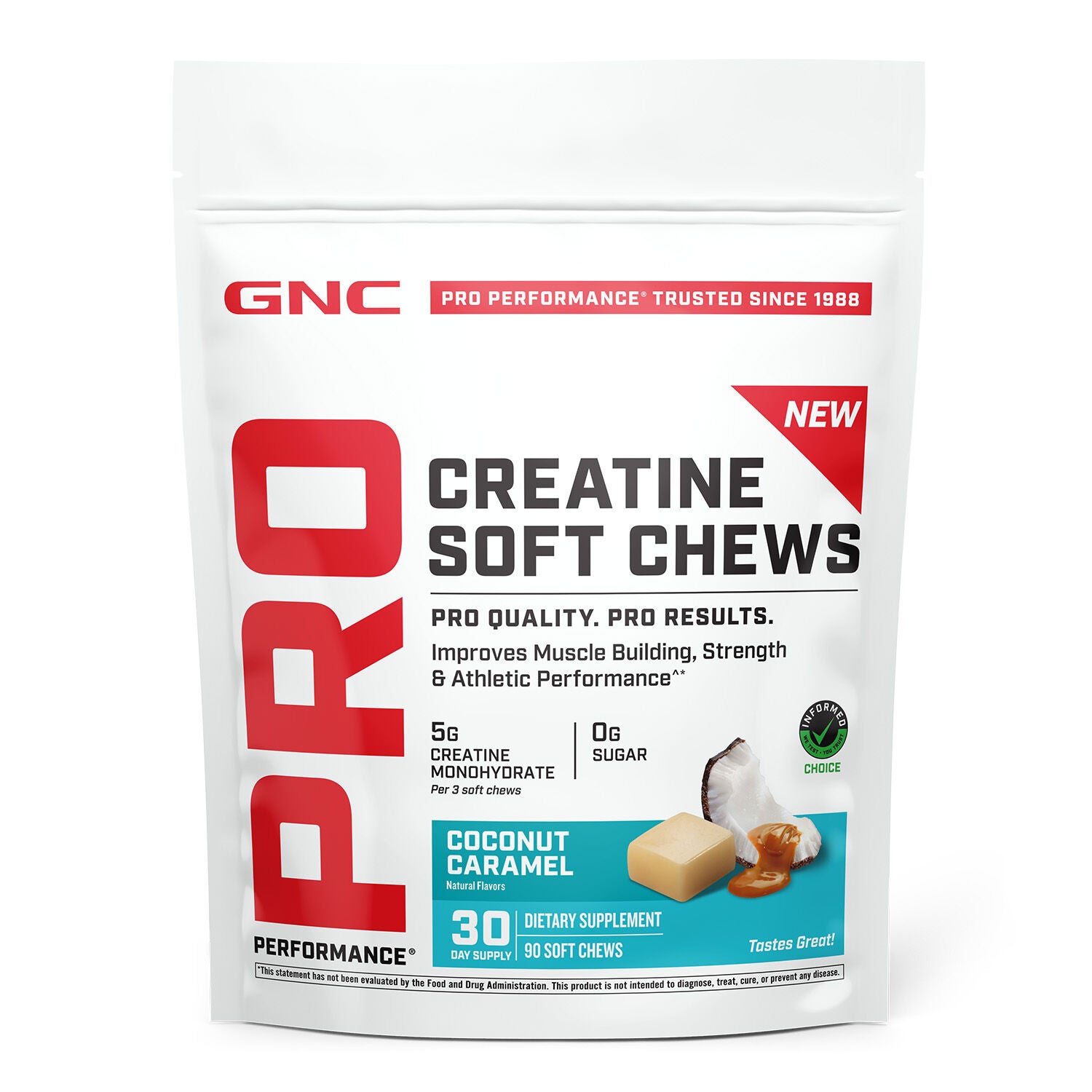
If your priority is simplicity, unflavored creatine monohydrate keeps decisions easy. If you want convenience (like chew formats), just know you’re choosing format + flavor + testing programs, not a fundamentally different molecule.
Does micronized creatine matter for results—or just mixability?
“Micronized” usually describes particle size, not a new type of creatine. The creatine molecule is still creatine monohydrate.
What micronization can change:
- How easily it mixes in water or a shake
- How it feels to drink (less gritty for some people)
What micronization typically does not guarantee:
- A stronger dose per scoop
- A fundamentally different performance outcome
If you’ve ever thought, “I’ll take creatine consistently if it mixes better,” micronized options can be a legitimate quality-of-life upgrade. Consistency is the real lever.
And if you’re comparing reputable brands—say, something you’d see at GNC versus something like Optimum Nutrition—the question isn’t “which one is real creatine?” It’s: which one is easiest to use daily, and which label gives you the confidence you want?
Purity, third‑party testing, and why “trust” is part of the product
If two products both say “creatine monohydrate,” why not always buy the cheapest one?
Because you’re not only buying creatine—you’re buying:
- Confidence that the tub matches the label
- Consistency across batches
- A manufacturing and testing process you can rely on
For competitive athletes (or anyone who cares about extra screening), third‑party programs can be a meaningful differentiator. For everyday gym-goers, a simpler lens works well:
- Is it clearly labeled as creatine monohydrate?
- Is the ingredient list clean (especially for flavored products)?
- Does the brand communicate specific quality controls?
That’s the disciplined way to shop: focus on what can be verified, not what sounds exciting.
Powder vs chews vs blends: are you still buying “the same thing”?
If you choose a product that’s only creatine monohydrate, comparisons are straightforward: dose, testing confidence, and cost per serving.
Once you move into different formats, you’re no longer comparing identical products:
- Chews: convenient, travel-friendly, and pre-portioned—but you’re paying for format and flavoring.
- Flavored powders: easier to drink for some people, but check for sweeteners and other add-ins.
- Blends: may combine creatine with other ingredients. That can be useful, but it’s a different purchase decision because you’re buying a stack, not “just creatine.”
None of that is “bad”—it’s simply a choice about how you’ll use it. The best creatine is the one you’ll take consistently and comfortably.
If Optimum Nutrition is the brand you already trust for other basics, it’s totally reasonable to use that as a reference point for what “simple and reliable” looks like—then compare any option against the same checklist.
Creatine monohydrate FAQ (quality, price, and how to choose)
1) If two products are both creatine monohydrate, will they work the same?
If they’re truly the same ingredient at the same dose, the core effect you’re paying for should be comparable. Differences usually come down to purity, consistency, and how the product fits into your routine. A clean, single-ingredient label makes this easier to evaluate. If one product mixes better or is easier to take daily, that can indirectly matter because it supports consistent use.
2) What does “third‑party tested” actually help with?
Third‑party testing can help confirm identity, purity, and (depending on the program) additional screening beyond basic manufacturing checks. It’s not a magic stamp, but it can increase confidence that the product matches the label. If you compete in sport, additional screening may be especially relevant. For everyday training, look for clear, specific quality language and reputable, transparent brands.
3) Is micronized creatine monohydrate better than regular?
Micronized typically refers to smaller particles. The creatine molecule is the same, so it’s not “stronger creatine.” The usual benefit is practical: it may mix more smoothly and feel less gritty. If that makes it easier for you to take consistently, it can be worth it. If you don’t mind a little settling in your shaker bottle, regular creatine monohydrate is often perfectly fine.
4) Why do some creatine products taste sweet or colored—does that change anything?
Flavor systems (sweeteners, acids, colors) can improve the drinking experience, but they don’t automatically improve creatine itself. If you prefer flavored creatine, read the ingredient list so you know what you’re getting. Some people simply prefer minimal add-ins. Others prioritize a taste they’ll actually use every day. The key is that your creatine dose stays clear and consistent.
5) How do I compare value: tub price vs cost per serving?
The smartest comparison is cost per gram (or per 5 g serving). A cheaper tub can be a worse deal if it has fewer servings. Start with the serving size and servings per container, then calculate your daily cost. After that, weigh quality factors like testing and the simplicity of the ingredient list. Value is “price + confidence,” not price alone.
6) How much creatine monohydrate should I take?
Many labels use a daily amount in the 3–5 g range, but you should always follow the product’s directions and consider your full routine. The most important part is consistency over time. If you’re new to creatine, choose a product that makes it easy to stick with a daily habit—whether that’s unflavored powder, a flavored option, or a convenient chew format.
7) Is creatine monohydrate safe for most people?
For many healthy adults, creatine monohydrate is widely used, but “safe for everyone” isn’t a claim any supplement can make. If you’re pregnant or nursing, under 18, managing a medical condition, or taking medications, it’s smart to check with a qualified healthcare professional before starting. Also, stick to the label directions and choose products with straightforward labeling and quality controls.