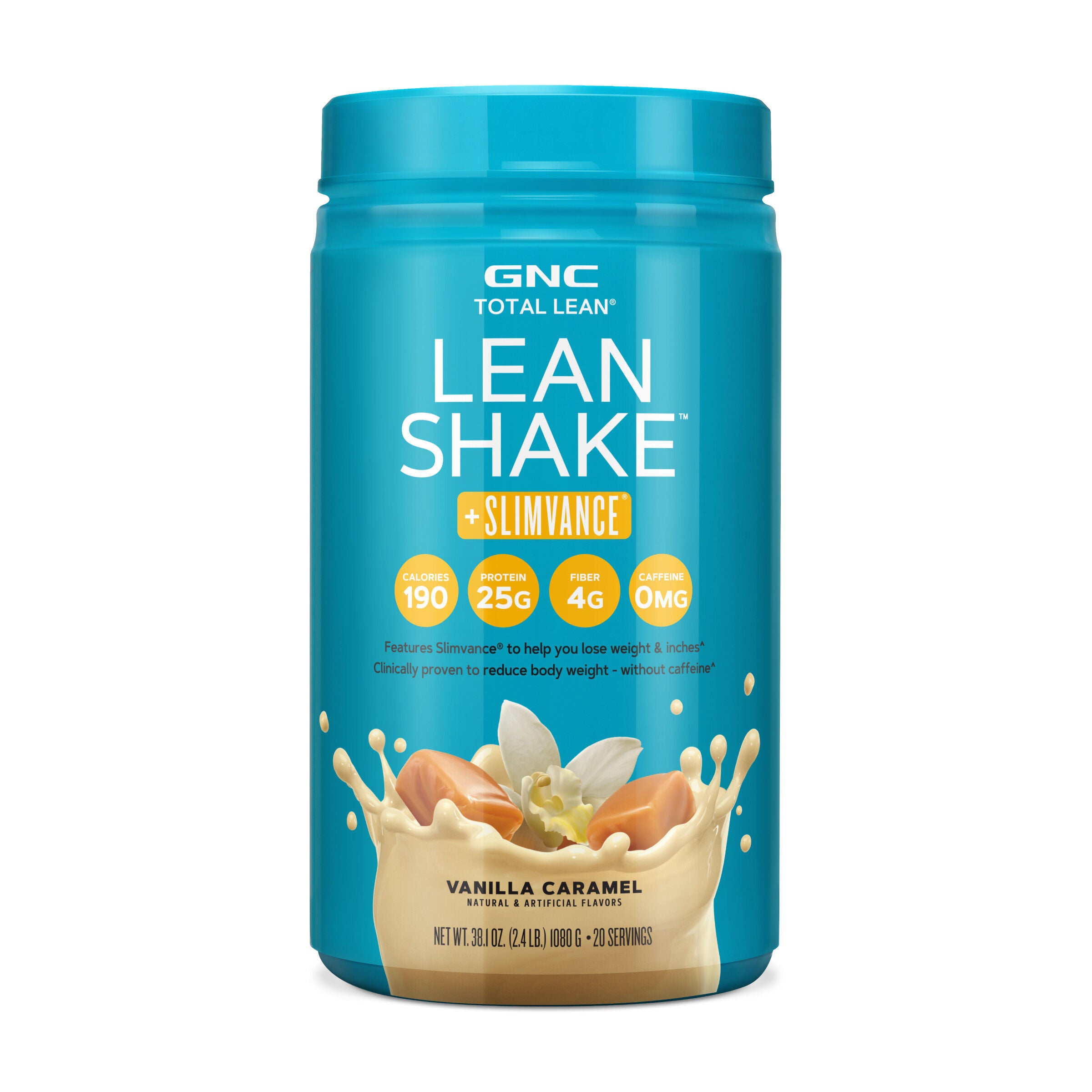
Are GNC supplements worth the money?
A practical way to judge value—based on your goals, the formula, and what you’ll actually use consistently.
Are GNC supplements worth the money?
Yes—GNC supplements can be worth the money when you choose a product that matches a specific goal, use it consistently, and prioritize formulas with clear dosing and quality standards.
Value isn’t about buying “the most advanced” option—it’s about paying for the right ingredients (in meaningful amounts) and avoiding extras you don’t need. If you’ve ever felt overwhelmed by supplement shelves, this is the simplest way to decide:
- Start with your outcome: strength, recovery, daily nutrition support, or performance fuel.
- Check the label for substance: clinically studied ingredients are only helpful if the dose is there.
- Choose something you’ll stick with: taste, format, and routine matter as much as the ingredient list.
GNC is a good fit for people who want a curated selection and straightforward options—especially when you’re building a consistent routine and don’t want to guess your way through it.
What makes a supplement “worth it” (and what doesn’t)?
A supplement is worth it when it helps you do something you already care about—train harder, recover better, fill a nutrition gap, or keep daily habits consistent. The best value usually comes from simple, foundational products that fit your plan.
What doesn’t translate into value is paying for a long ingredient list you don’t understand, or buying a formula that sounds exciting but doesn’t match your routine. If it ends up sitting in a cabinet because you don’t like the taste, the format, or the timing, it isn’t worth the money—no matter how impressive the label looks.
A quick self-check:
- Can you name the goal in one sentence?
- Can you take it the same way most days?
- Does the serving size make sense for your schedule and budget?
If you can answer “yes” to all three, you’re already making a value-driven choice.
When does paying more for a formula make sense?
Paying more can make sense when you’re getting a purposeful combination that replaces multiple separate purchases—or when the formula is built around clearly stated quality standards.
For example, a 3‑in‑1 approach can be valuable when it simplifies your routine. Instead of juggling several tubs or capsules (and potentially skipping them), you get a single, consistent product that’s easier to keep in rotation.
It’s also worth paying attention to quality cues mentioned on product pages and packaging—things like third‑party testing and “no artificial colors” claims on select items. Those details don’t automatically make a product “better” for everyone, but they can be meaningful if you’re trying to keep your supplement stack more intentional and straightforward.
The bottom line: convenience plus clarity often equals better long-term value than chasing the most complicated option.
Which GNC options feel like the best value for a simple routine?
The best value usually starts with foundational categories—products you can use reliably without changing your entire day. Think: a daily gut-support option you keep next to your coffee, or a performance staple you take the same way each training day.
When you’re evaluating value, compare servings per container and how the product fits into your schedule. A product that you take consistently for 30 days often creates more “real-world value” than a larger tub you forget to use.
Two examples of routine-friendly picks:
- A daily synbiotic (a pre+pro-style approach) if you want a simple gut-health habit you can keep steady.
- A women’s probiotic when you want a targeted, capsule-based routine.
If you’re building your stack from scratch, start with one foundational product and give it time. Consistency is what turns a purchase into results you can actually notice.
How do you compare GNC supplements to cheaper alternatives?
A lower price can be a win—if the basics line up: ingredient form, dose per serving, and a routine you can maintain. The trade-off is that cheaper alternatives sometimes reduce value in ways that don’t show up immediately, like larger serving sizes you don’t take consistently or blends that make it hard to know what you’re actually getting.
A fair comparison uses these checkpoints:
- Dose per serving: Are you getting a meaningful amount, or mostly “label decoration”?
- Servings and schedule: Is it once a day, or something you’ll realistically skip?
- Simplicity: Are you buying one product that does the job, or a pile of add-ons?
GNC can be a smart choice when you want a more curated path: pick a goal, pick a category, and get a formula that’s designed to be used consistently—without overcomplicating your day.
What’s a practical “value stack” for training days?
For training days, value usually comes from covering the basics: performance fuel, daily protein support, and a strength staple you can keep consistent. You don’t need a dozen products—you need a plan you’ll actually follow.
A simple training-day approach can look like:
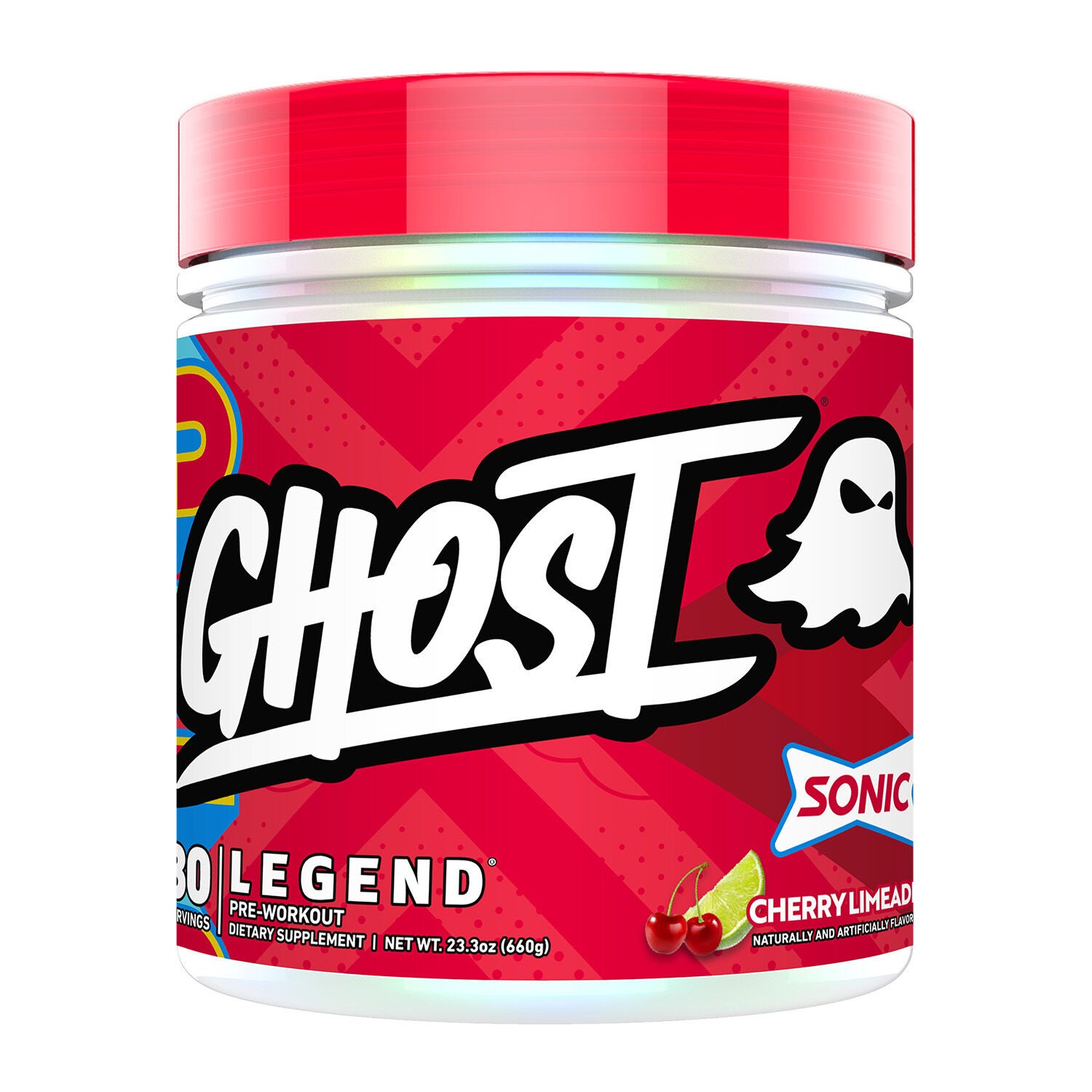
- Pre-workout when you want a structured energy + focus routine before the gym.
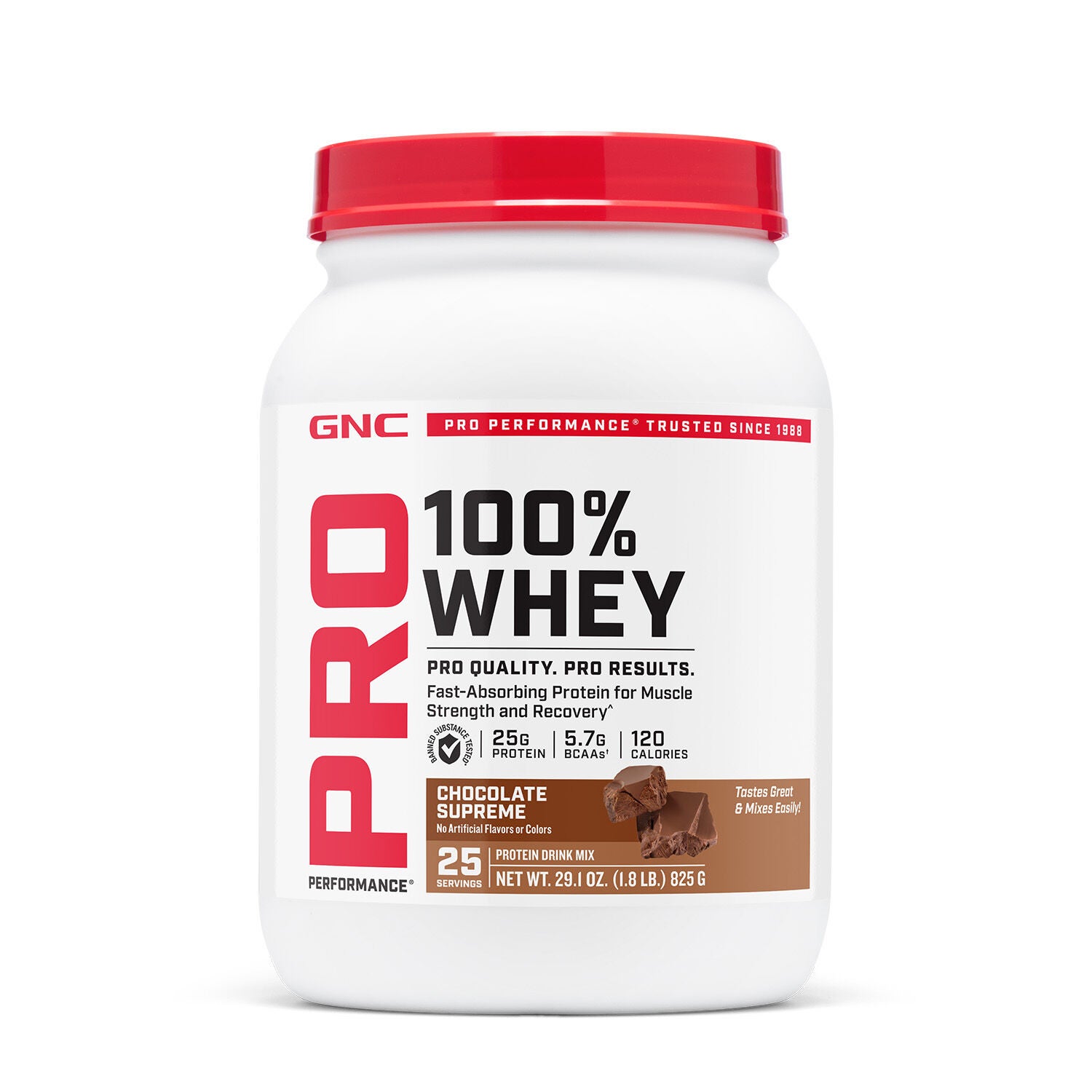
- Protein when you want a convenient way to support your daily intake.
If you’re newer to a routine (or restarting), keep it disciplined: choose one product for performance, one product for nutrition support, and stay consistent long enough to judge how it fits your goals.
What should you look for on the label before you buy?
A label should help you make a confident decision fast. The goal is clarity: what’s inside, how much you’re getting per serving, and whether the format matches your routine.
Start with the most practical questions:
- How many servings are in the container? This is your real cost-per-day.
- Is it flavored or unflavored? If taste is a dealbreaker, choose accordingly.
- Do the features match your preferences? Some products call out “no added sugars,” “gluten free,” or “no artificial colors.”
When a product includes a blend, take a moment to understand whether it’s a purpose-built combination (good for simplicity) or an overstuffed mix that’s hard to evaluate. The best value is usually the label you can understand without a second guess.
Frequently asked questions about whether GNC supplements are worth the money
Are GNC supplements overpriced?
They can feel pricey if you compare only the sticker price, but value is better judged by what you get per serving and whether the formula replaces multiple products. For example, a combination product like GNC AMP Creabolic™ includes several performance-oriented components in one routine-friendly option. If it simplifies your stack and you use it consistently, the cost can make sense.
Which GNC supplements are the best value for beginners?
The best value for beginners is usually something simple you can take consistently, like a daily gut-support capsule or a straightforward performance staple. Starting with one product (instead of a complicated stack) helps you evaluate what actually fits your routine and goals. Once that’s dialed in, you can add a second product if needed.
Is it better to buy a multi-ingredient formula or single ingredients?
Multi-ingredient formulas can be worth it when the combination is purposeful and saves you from buying several separate items—especially if it helps you stay consistent. Single ingredients can be a better fit when you want maximum control over dosing and timing. The “right” choice is the one you’ll follow most days.
Are GNC probiotics worth it?
They can be worth it if you want a simple daily habit and prefer a capsule format. Options like GNC Daily Synbiotic and GNC Women’s Probiotic are designed as 30-day routines, which makes it easier to stay consistent and evaluate your experience over a clear timeframe.
Are GNC pre-workouts worth it for regular training?
A pre-workout can be worth it when it becomes a consistent part of your training routine—especially if you like having a structured “start” to your workout. Products like PRO Pre-Workout are positioned around energy, focus, power, and endurance, which can be useful when you train early, train after work, or want more consistency session to session.
Are GNC protein powders worth the money compared to ready-to-drink options?
Protein powders are often the better value per serving if you’re using them regularly, while ready-to-drink can be more convenient when you’re traveling or tight on time. If you’ll use protein most days, a powder like Molk Protein Powder can be a practical staple; if convenience is the priority, RTD formats can help you stay consistent.
How do I avoid wasting money on supplements that don’t work for me?
Start with a single goal, choose one product that clearly supports it, and commit to a consistent routine for a reasonable period. Avoid stacking multiple new products at once—if you change everything at the same time, it’s hard to tell what’s helping. The most “worth it” supplement is the one you actually take consistently.