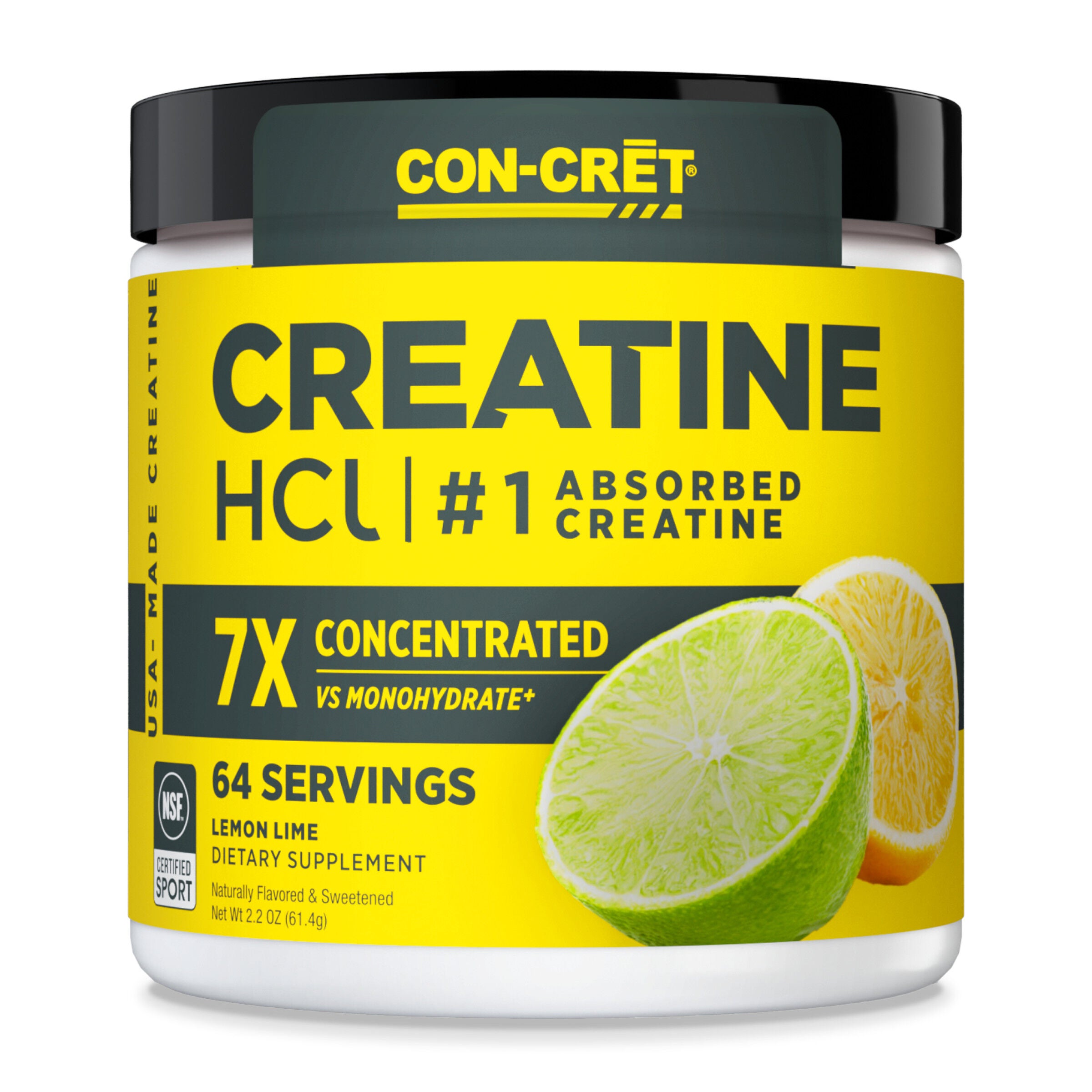
Can food-based creatine deliver the same results as a supplement?
Yes—dietary creatine from red meat, poultry, and fish can support many of the same benefits as a creatine supplement, but it’s usually harder to get the same consistent daily amount from food alone.
Creatine works by helping your body maintain quick energy availability for short bursts of hard effort—think sprint-style intervals, heavy sets, and explosive reps.* The key difference isn’t “food vs. supplement” in terms of what creatine is; it’s dose and consistency.
Most people who rely only on food get creatine in smaller, more variable amounts depending on what they eat that day. Supplementation is popular because it delivers a predictable amount without forcing your diet to revolve around large servings of animal protein.
If you already eat creatine-rich foods regularly, you’re not starting from zero. But if your goal is to follow the well-known, everyday creatine routine that many lifters use, a supplement is often the more practical route—especially during busy weeks when meals change.
How much creatine do you realistically get from red meat, poultry, and fish?
Creatine content varies by animal source, cut, and preparation—so the same “type” of food can deliver different amounts depending on the serving size and how it’s cooked.
Here’s the practical takeaway: you typically need large, consistent portions of creatine-rich animal foods to match the straightforward daily serving that many people get from a creatine product. That can be totally doable for some routines, but it can also mean higher calories, higher cost, and less flexibility.
If your nutrition plan already includes daily servings of meat or fish, you may be getting meaningful creatine support from food. If your weekly pattern is more mixed (or you’re simply trying to keep meal prep simple), supplementation can help you keep intake steady without micromanaging your plate.
GNC’s approach is simple: make the routine consistent, keep it transparent, and choose options that fit real life—not perfect life.
When does food-based creatine fall short compared to supplementation?
Food-based creatine often falls short when you’re trying to be precise and consistent—especially across training days, rest days, travel days, or weeks when meals aren’t predictable.
A supplement can be helpful if:
- Your protein sources rotate (some days fish, some days mostly plant-based, some days on-the-go).
- You want a simple habit that doesn’t depend on cooking or meal timing.
- You’re focused on performance-style training where small, consistent habits add up over time.
This isn’t about replacing whole foods. It’s about removing friction. Creatine is one of those “daily wins” that works best when you don’t have to overthink it.
If you’re choosing between “I’ll try to eat enough creatine every day” vs. “I’ll take a consistent dose and keep my nutrition flexible,” supplementation is often the cleaner strategy.
How do you use creatine for strength and high-intensity training—without overcomplicating it?
Most routines come down to one principle: take creatine consistently.
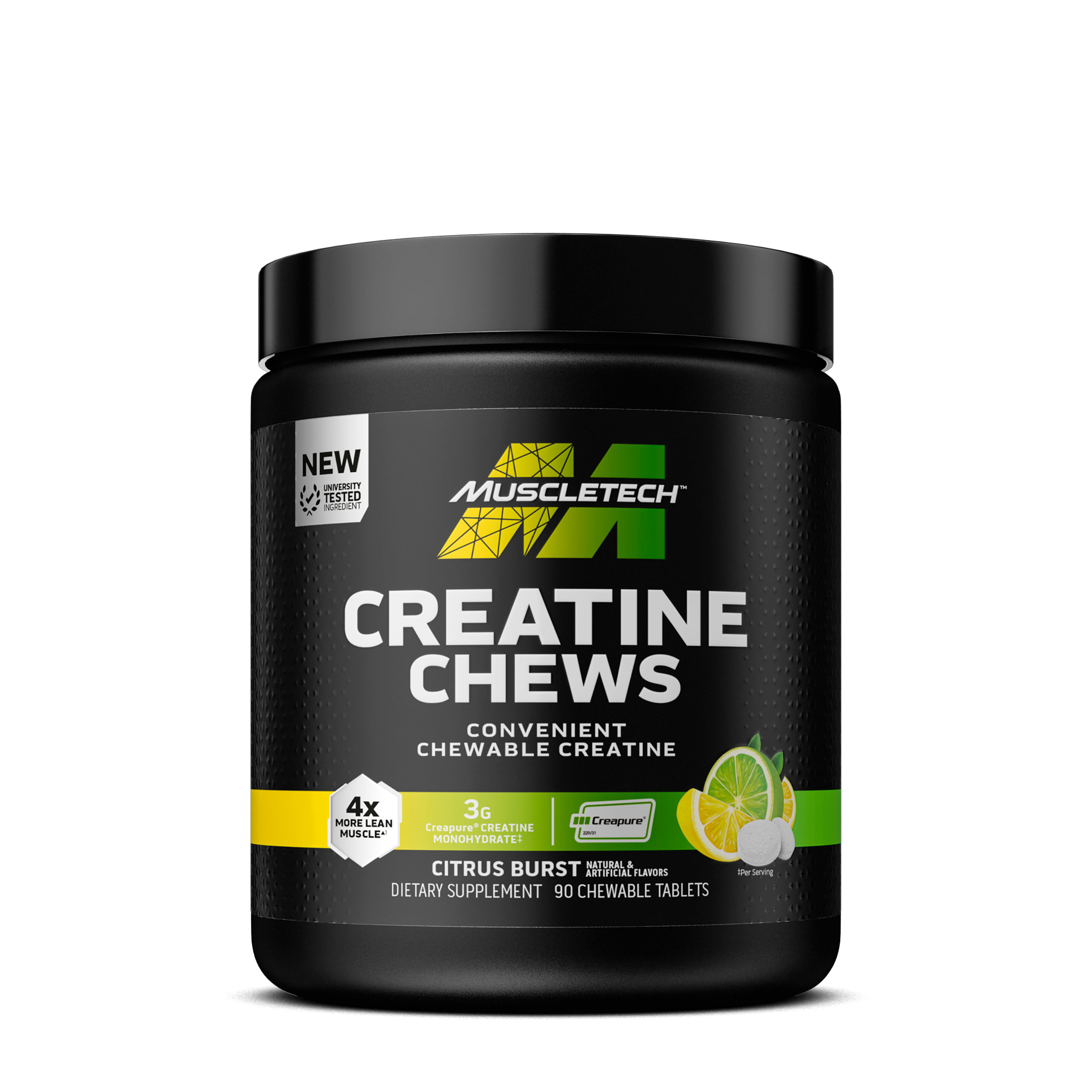
Many people choose creatine monohydrate because it’s widely studied and commonly used. The “best” timing is the one you’ll stick to—before training, after training, or with a meal. What matters most is that it becomes part of your day, not another thing you keep restarting.
If you’re already eating creatine-rich foods, supplementation can be viewed as a way to top off daily intake—especially on lighter-eating days. If your diet is lower in animal foods, creatine can help fill a common gap in intake.
At GNC, we focus on the practical side of performance nutrition: simplify the routine, use transparent dosing, and keep your training momentum moving forward—week after week.