What creatine can do for aging adults
Creatine supplementation can support aging adults by improving muscle strength and training performance, with early research suggesting possible (but less consistent) benefits for bone measures, cardiovascular exercise capacity, and certain aspects of cognition—especially when paired with resistance training and taken consistently.*
For muscle, the story is the clearest: creatine helps muscles work harder during exercise, which can support better training quality over time.* In practical terms, that often means you’re better positioned to build or maintain lean mass and strength through lifting, and to keep power-based movements (like getting up from a chair quickly) feeling more “available” in day-to-day life.*
For bone and cardiovascular health, creatine isn’t a replacement for calcium/vitamin D, protein, or aerobic training—but it may indirectly help by enabling higher-quality training and better overall activity tolerance.* The strongest “real-world” pathway is still performance: when training improves, the body gets a better stimulus to adapt.
For brain health, interest is growing because creatine plays a role in cellular energy. Some products in this assortment note cognitive-health research, but outcomes can vary by person and context.* If you’re looking for the most predictable payoff, prioritize the muscle-performance angle and treat other areas as potential extras rather than guarantees.
Where to start
- Consistency beats timing: daily use matters more than the exact hour.*
- Pair with training: benefits are typically strongest alongside resistance training.*
- Choose a format you’ll stick with: powder, chew, or soft chew.
Muscle benefits: the most reliable win
Creatine is widely used because it supports the kind of training outcomes that matter as you get older: strength, muscle-building support, and better performance in repeated efforts.* Multiple options here focus on that core purpose—helping you push for more quality reps, stronger sets, and better output over time.*
- Strength & muscle-building support: Creatine is associated with improvements in strength and muscle-building when training is in place.*
- Explosive movement support: Research cited in this assortment links creatine with improvements in explosive efforts like sprinting and lifting.*
- Training endurance (set-to-set): Creatine is commonly used to help maintain performance across a workout.*
Formulas and formats in this assortment
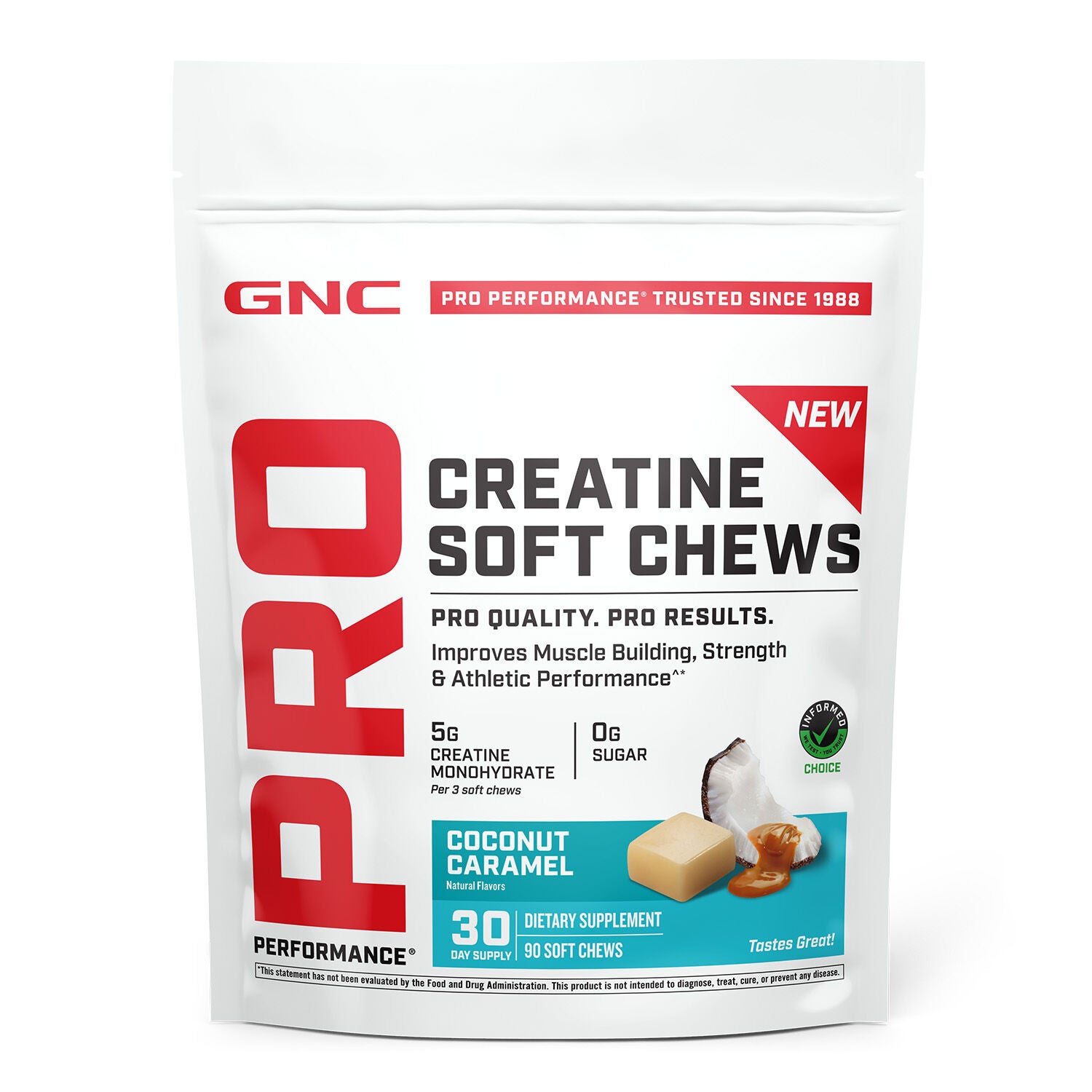
If you prefer straightforward, a chewable or soft chew can make daily use easier. GNC Pro Performance Creatine Soft Chews are naturally flavored and described as third-party tested for purity and potency.* If you like a flavored powder approach, BEYOND RAW Creatine MonoPhate combines creatine monohydrate with creatine phosphate and includes AstraGin to support nutrient absorption (as described on-pack).*
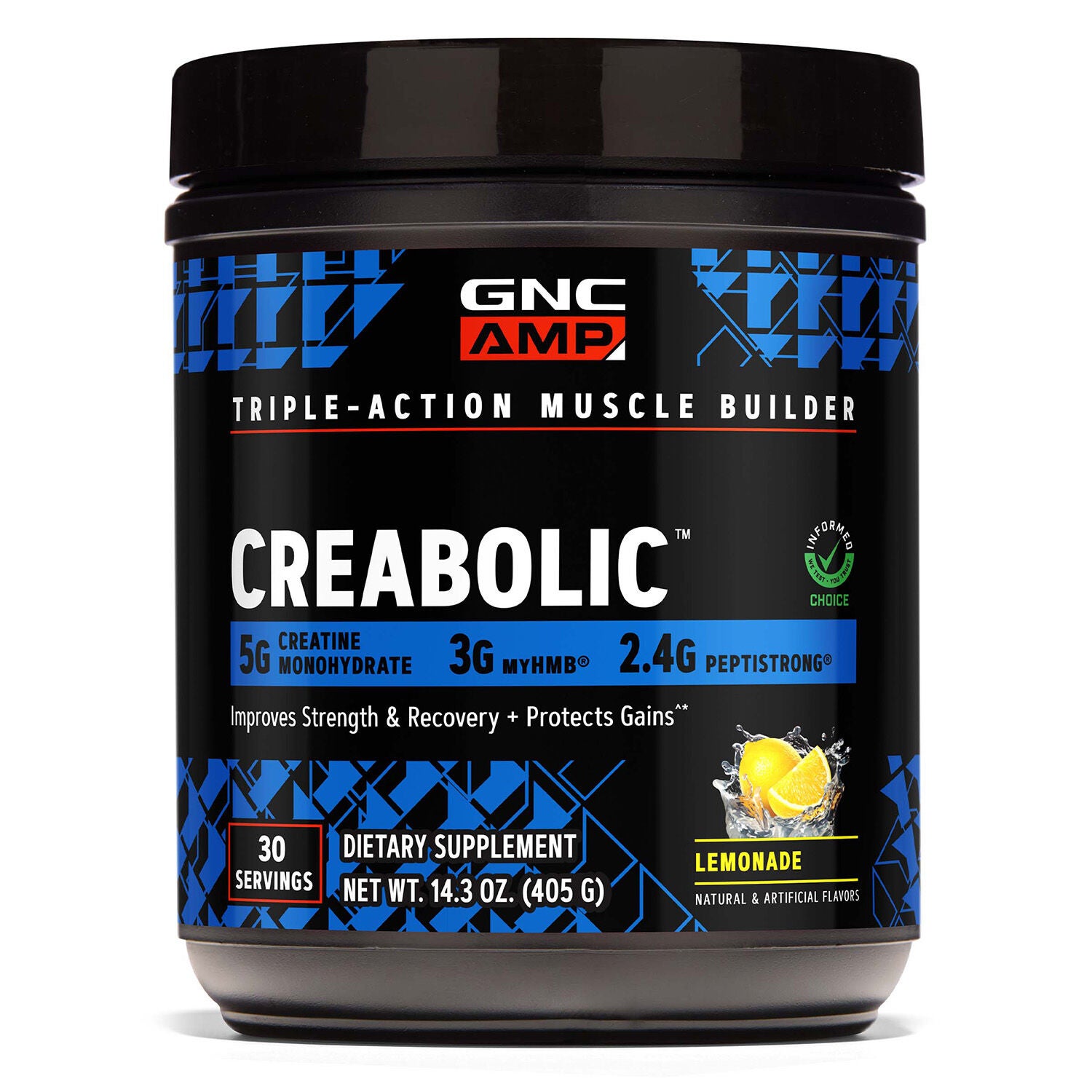
For a more advanced stack, GNC AMP Creabolic combines creatine monohydrate with HMB and a protein hydrolysate (PeptiStrong) positioned for support against muscle breakdown and fatigue.* This is a “more than creatine” approach for shoppers who want a multi-ingredient performance option in one scoop.
Hydration support can matter
Some shoppers pair creatine with a pre-workout that includes electrolytes for hydration support—like BEYOND RAW LIT V2, which is described as having more electrolytes for hydration.*
How to choose the right creatine for your goals
The best creatine is the one you’ll take consistently. Start by picking a format that fits your routine, then decide whether you want creatine alone or a more comprehensive performance blend.
Step 1: Pick your format
- Soft chews: Easy, no shaker required. A good fit if you want a simple daily habit. (Example: GNC Pro Performance Creatine Soft Chews.)*
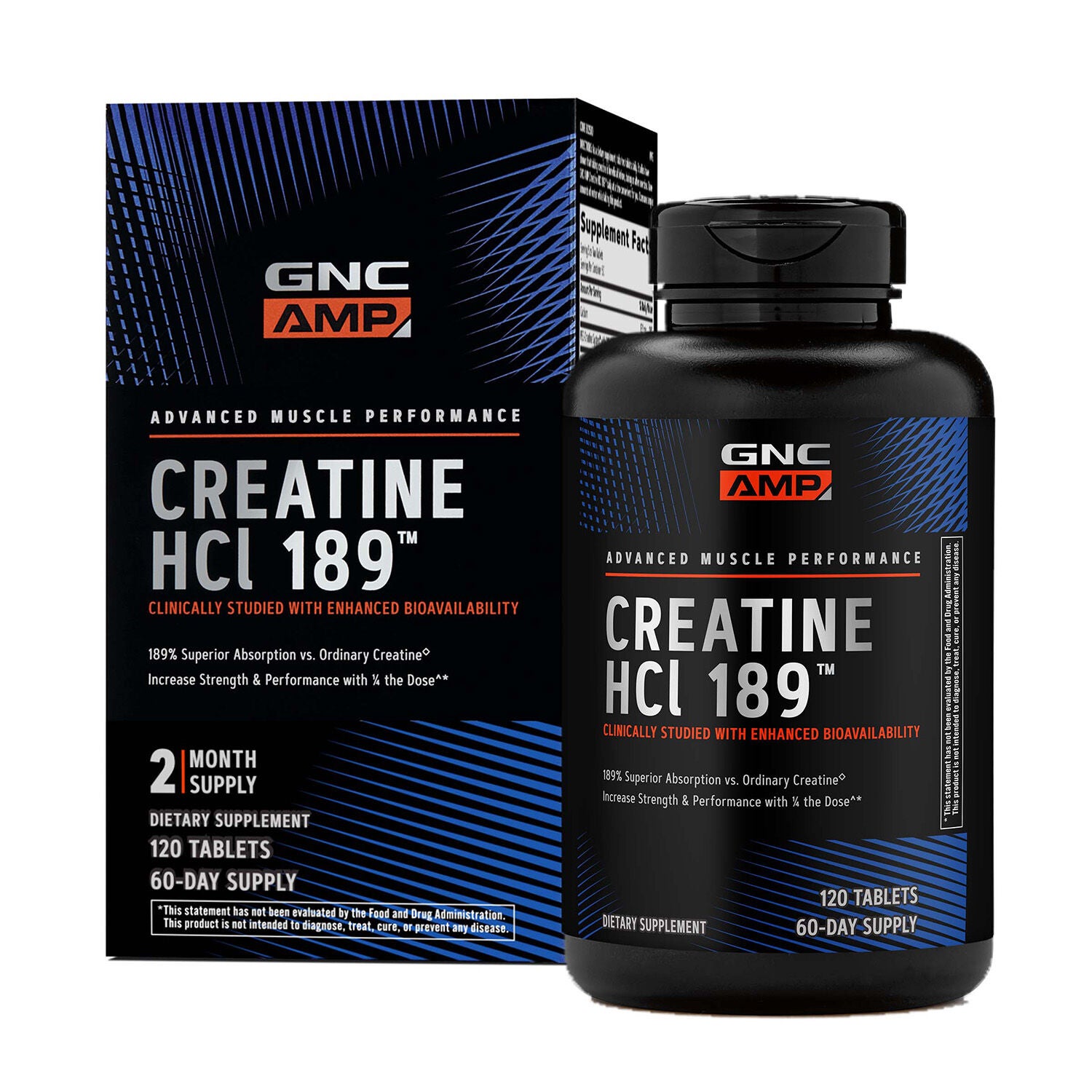
- Chewable tablets: Convenient and portable; some options include AstraGin for nutrient absorption support as described by the brand.*
- Powder: Great if you already mix supplements daily; flavored options can make consistency easier.
Step 2: Choose “creatine only” vs. a stack
- Creatine-focused: Ideal if you want a clean, foundational approach for strength and workout performance.*
- Stacked formula: If you also want ingredients positioned for muscle breakdown support and fatigue support, consider a blend that adds HMB and protein hydrolysate alongside creatine.*
Step 3: Use it like a daily nutrition tool
- Take it every day (training days and rest days) to support steady use.*
- Timing isn’t critical—pick a time you’ll remember.*
- Hydrate well and keep overall nutrition supportive of your training.*
- Check with a clinician if you have kidney disease or take prescription medications, before starting any supplement routine.*
Why shop creatine at GNC
Big goals are built on consistent routines—and GNC is here to help you stay disciplined with the basics that move the needle. Creatine is one of the most established performance staples in sports nutrition, and it’s a smart place to start if your priority is training better and maintaining strength over time.*
GNC makes it easier to choose with a curated lineup that matches different preferences—from simple, naturally flavored soft chews to flavored powders and advanced blends. When a product calls out third-party testing for purity and potency, that’s a meaningful detail for shoppers who want clarity and confidence in what they take.*
Whether you’re rebuilding momentum, training for everyday capability, or pushing performance in the gym, the right product is the one you can use daily. Start with a format you’ll stick with, keep training and recovery consistent, and let those small daily wins add up.