Do GNC supplements actually work for workout recovery?
Yes—when you match the right product to your training and use it consistently alongside smart nutrition, hydration, and sleep.
Yes—GNC supplements can support workout recovery when you choose products with well-studied ingredients (like protein and creatine) and use them consistently as part of a complete routine.
Recovery isn’t just one thing—it’s a combination of muscle repair, glycogen replenishment, and readiness for the next session. Supplements can’t replace training fundamentals, but they can make it easier to hit the daily targets that matter most.
If you’re deciding whether anything “works,” it helps to define what “working” looks like. For most people, that means:
- Feeling ready to train again sooner
- Hitting daily protein goals more consistently
- Progressing in strength and performance over time
GNC carries multiple recovery-relevant options, but the best choice depends on your training style, your schedule, and what you already do well (or struggle with) day to day.
What does it mean for a recovery supplement to “work”?
A recovery supplement “works” when it helps you consistently meet the needs your body already has after training—especially protein intake and energy availability.
Most training creates tiny amounts of muscle stress that your body adapts to. Recovery is the process of rebuilding and adapting so you can come back stronger. A supplement can support this by:
- Providing convenient, measurable nutrition (like grams of protein)
- Supporting performance and training capacity (so your workouts stay productive)
It’s also normal to expect different timelines. Some benefits are immediate (for example, getting a post-workout protein serving in when you’re busy), while others build over weeks of regular use (like performance support from creatine used consistently).
If you’re already eating enough protein, staying hydrated, and sleeping well, supplements may feel like a smaller “upgrade.” If those basics are inconsistent, the right supplement can feel like it makes a bigger difference—because it closes the gaps.
Which GNC supplements are most relevant for workout recovery?
If you want the most direct, easiest-to-measure recovery support, start with protein and then consider creatine based on your goals.
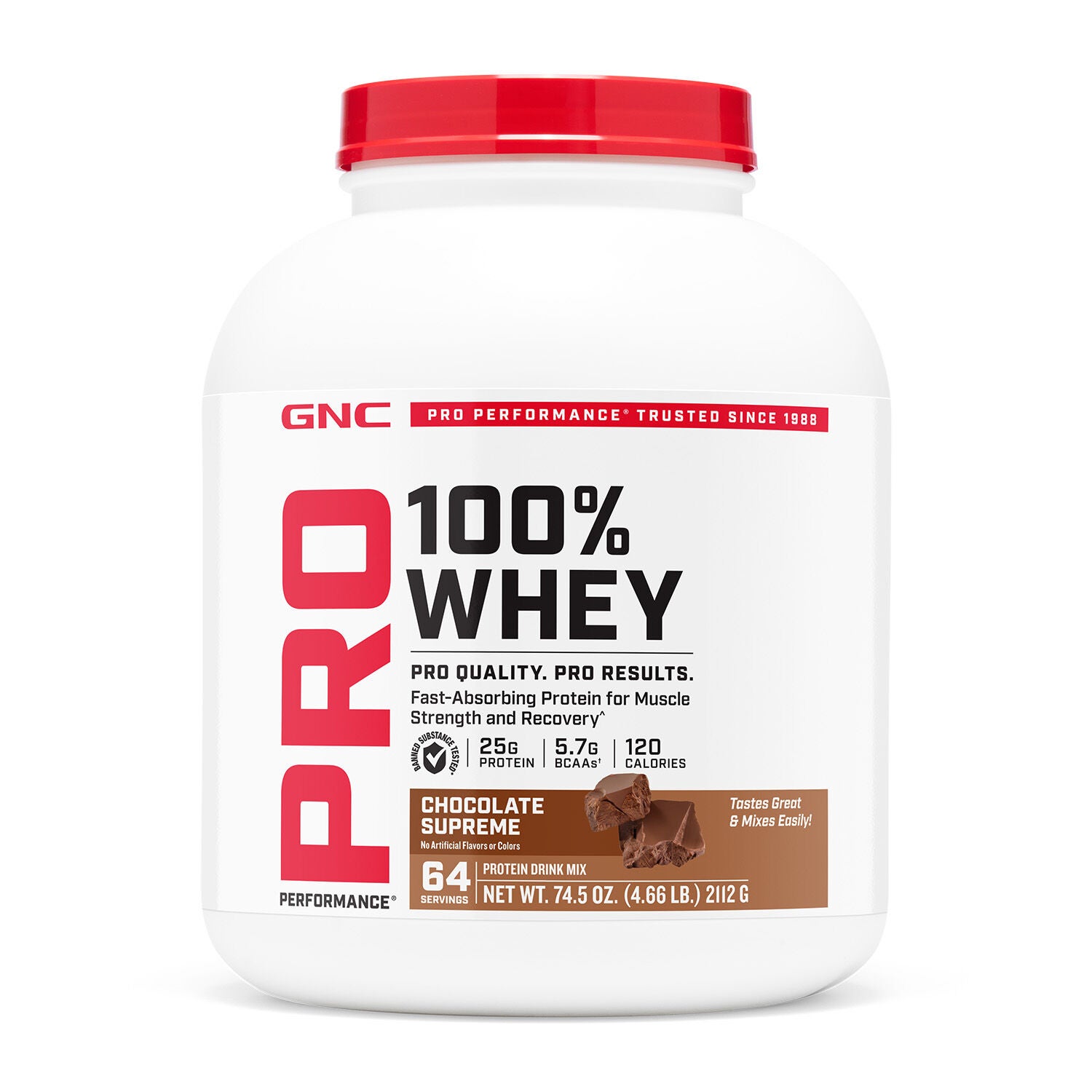
Protein supports muscle repair by helping you reach a consistent daily intake—especially on days when meals are rushed or appetite is low after training. A protein shake can be a practical way to turn “I’ll eat later” into “I’m covered.”
Creatine is commonly used for performance and training capacity. While it’s not a “post-workout soreness fix,” many people use it because stronger, higher-quality training tends to drive better long-term results—and that’s part of the recovery-to-progress loop.
GNC offers both straightforward options and more advanced blends. If you prefer a simple routine, a protein product plus a creatine option is an easy two-step stack to keep out year-round.
How can protein help recovery after a workout?
Protein supports recovery by supplying amino acids your body uses to repair and build muscle after training.
The biggest “real life” benefit is consistency. Many people train hard but under-eat protein—especially on busy days. A shake is a straightforward way to keep your routine on track when cooking a full meal isn’t realistic.
Another advantage is timing flexibility. You don’t need a perfect schedule for protein to be useful—what matters most is total daily intake and consistently getting enough across the day.
If your goal is to feel more ready for your next session, protein is one of the simplest places to start because it directly supports the rebuilding process your body is already trying to do.
Does creatine support recovery, or is it only for strength?
Creatine is best known for strength and performance support, but it can still play a role in recovery because better training capacity often improves the quality and consistency of your work over time.
If you train hard, you want a routine that helps you show up session after session. Creatine is commonly used to support repeated high-intensity efforts—meaning your workouts can stay productive across a training block.
Some formulas combine creatine with additional ingredients positioned for recovery support. If you prefer an “all-in-one” approach, that can be simpler than building a multi-product stack.
The key is consistency: creatine isn’t a one-time, “take it today and feel it tonight” product. Most people benefit most when they use it regularly and keep the rest of their routine solid.
How do you choose the right recovery stack for your training?
The best stack is the one you’ll actually use consistently—and it should match your training frequency, intensity, and daily schedule.
If your schedule is tight and meals are inconsistent, start with protein because it’s the most direct support for daily recovery needs. If your training is heavy, frequent, or performance-driven, add a creatine option to support stronger, more repeatable sessions.
A simple, practical approach:
- Step 1: Lock in protein consistency (powder or ready-to-drink)
- Step 2: Add creatine if strength, power, or training volume are priorities
- Step 3: Keep everything else “optional” until those two basics are covered
GNC has a wide range of options, so the goal isn’t to do everything—it’s to pick a routine you can run for the next 8–12 weeks and evaluate based on performance, consistency, and how you feel between sessions.
What should you do first if recovery feels slow?
Start by tightening the basics you can control daily: protein intake, hydration, and sleep.
Supplements can support a strong routine, but they work best when they’re filling a real gap. If you’re routinely missing meals, under-eating protein, or training hard while sleeping inconsistently, the quickest improvements often come from fixing those levers first.
Once the basics are steady, supplements become easier to evaluate because you can actually tell what’s helping. That’s when adding a consistent protein product and a creatine option from GNC can feel like a logical next step—more structure, less guesswork.
If you want a clean starting point, commit to a simple plan for a month: daily protein consistency, consistent creatine (if it fits your goals), and a realistic sleep target. Then reassess how ready you feel for your next workout.
Frequently asked questions about GNC supplements for workout recovery
Do I need supplements for recovery if I eat well?
If you consistently hit your protein and calorie needs through food, you may not need supplements—but they can still help with convenience and consistency. A protein powder or ready-to-drink shake can make it easier to stay on track on busy days. Many people use GNC options to reduce decision fatigue and make their routine more predictable.
Which is better for recovery: protein powder or ready-to-drink?
Both can support recovery; the best choice depends on your routine. Protein powder is flexible and easy to scale (one scoop, two scoops, etc.), while ready-to-drink options are grab-and-go when you don’t want to mix anything. If consistency is your biggest challenge, the format you’ll use most reliably is often the better pick.
Will creatine help me recover faster?
Creatine is primarily known for supporting performance and training capacity, which can support better long-term progress when used consistently. It’s not a quick fix for next-day soreness, but many people like it because stronger, more repeatable workouts can help them stay consistent over time. If you want a simple routine, pairing creatine with a consistent protein habit is a practical approach.
Should I take protein immediately after my workout?
Getting protein after training can be helpful, but the bigger driver is total daily protein intake and spreading it across the day. If a post-workout shake is the easiest way for you to stay consistent, it’s a smart habit. If you’re already eating a protein-rich meal soon after training, you can still use a shake later when it fits your schedule.
Can I stack a sustained-release protein with creatine?
Yes—many people combine a protein product with creatine because they support different parts of the routine. Protein helps you meet daily recovery nutrition needs, while creatine is often used to support training capacity and strength-focused goals. If you prefer simplicity, choose one protein option you’ll use consistently and one creatine option you can take daily.
How long does it take to notice a difference from a recovery routine?
Some benefits can feel immediate (like how easy it is to hit your protein target), while performance-related changes typically take weeks of consistent training and nutrition. A fair test is 4–8 weeks of steady use, keeping your training plan consistent. Track a few simple signals: training readiness, performance trends, and whether you’re actually sticking with the plan.
Are GNC products only for advanced athletes?
No—GNC has options for people restarting a routine, training a few days a week, or pushing high-volume programs. The key is choosing products that match your goal and your consistency level. A “simple and steady” protein + creatine routine can work for many training styles.
What’s a simple beginner-friendly recovery routine to start with?
A straightforward starting point is: keep hydration consistent, prioritize sleep, and add one reliable protein option daily—especially on training days. If strength and performance are goals, add a daily creatine option as well. Start simple, stay consistent for a month, and adjust from there based on how you feel and how your training is progressing.