Does GNC brand protein powder contain amino spiking?
Here’s what “amino spiking” means, how to evaluate a label, and how GNC approaches protein quality and transparency.
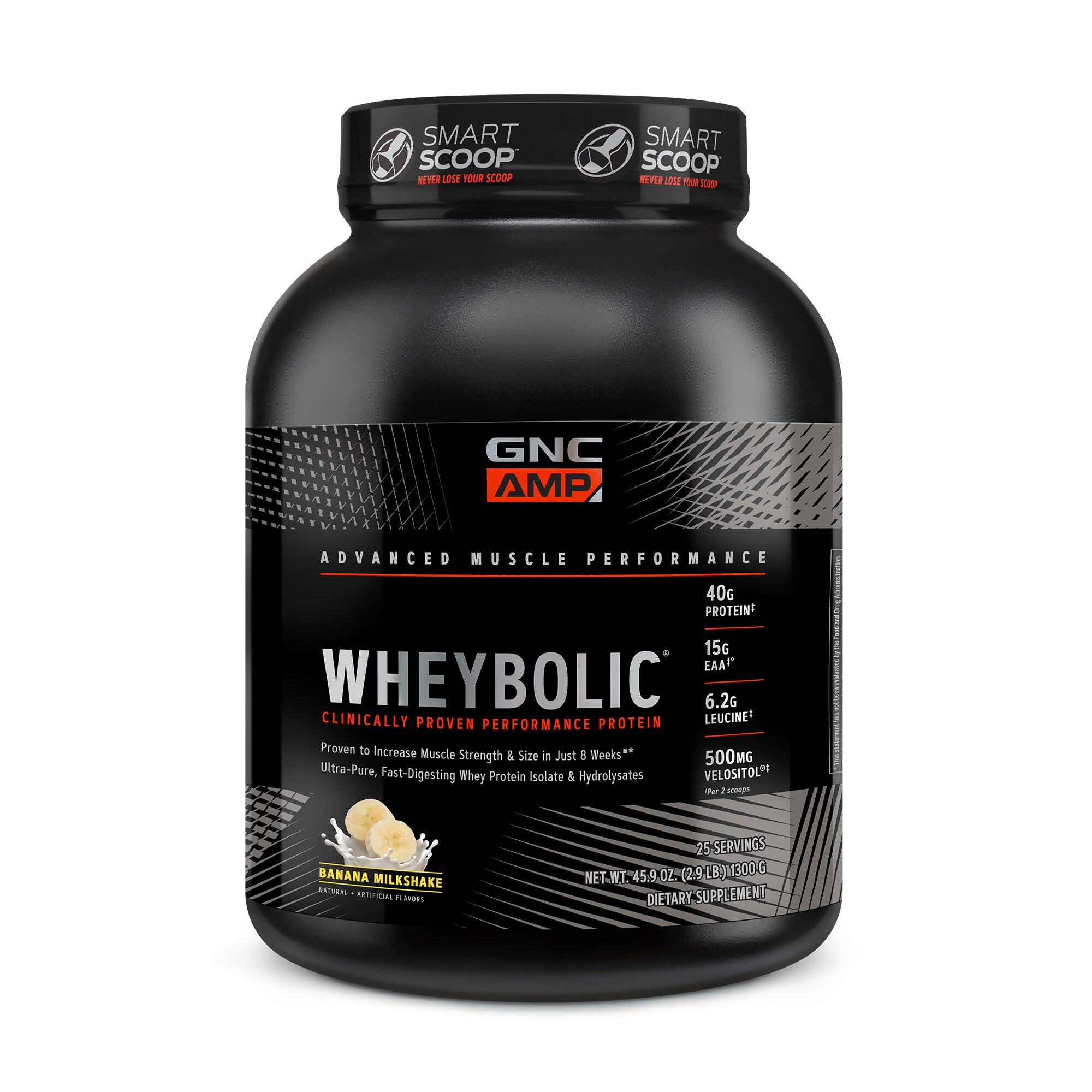
GNC protein powders are formulated as protein-first products, not “free amino acid” blends designed to inflate protein numbers—so they are not designed for amino spiking.
Amino spiking (also called “protein spiking”) is when a manufacturer adds inexpensive, free-form amino acids to boost the nitrogen reading used in some protein tests, making the label look higher than the actual intact protein you’re expecting from whey, casein, egg, or other complete proteins. The simplest way to evaluate this is to look at the ingredient list: high-quality protein powders lead with protein sources (like whey protein isolate/concentrate, micellar casein, egg white) and do not rely on a long list of “free amino acids” to pad the total.
Because “GNC brand protein powder” covers multiple formulas, the best, most accurate way to confirm this for your tub is to check two areas on the label:
- Ingredient list (most important): Are the first ingredients recognizable protein sources, or do you see multiple added amino acids such as glycine, taurine, arginine, or similar appearing prominently? Added amino acids can be included for specific reasons, but a long list placed early in the ingredient deck can be a red flag.
- Protein type and positioning: A protein powder marketed as whey isolate/concentrate should list those protein sources clearly and prominently.
If you want an extra layer of confidence, choose formulas that highlight third-party testing, straightforward protein sourcing, and now also Informed Protein certification. GNC’s approach is rooted in decades of nutrition expertise and ingredient standards—so you can focus on training and consistency, not second-guessing what’s in your scoop.
Amino spiking is essentially a “shortcut” that makes a protein label look stronger than it really is.
Here’s the plain-English version: some protein testing methods measure nitrogen content and convert that into a “protein” number. Since amino acids contain nitrogen, adding cheap amino acids can make that number go up—without delivering the complete, high-quality protein profile people expect when they buy whey.
What this means in real life is simple: when you scoop a protein powder, you want the bulk of that scoop to be complete protein that helps you hit your daily protein goal—especially if you’re using it post-workout, as a breakfast add-in, or to keep your nutrition on track between meals.
A quick note for people who read labels closely: you may still see some amino acids listed on a protein label. That doesn’t automatically mean spiking. Many brands list naturally occurring amino acids that come from the protein itself. The key difference is whether they’re added as separate ingredients in a way that seems designed to manipulate the protein number, versus simply being part of the protein’s natural amino acid profile.
What to look for on a GNC protein label if you’re avoiding amino spiking
If you’re trying to avoid amino spiking, you don’t need a chemistry degree—you just need a reliable checklist.
1) Start with the ingredient list (not the front label).
A protein powder that’s built the right way usually starts with clear protein sources, like:
- whey protein isolate
- whey protein concentrate
- micellar casein
- egg white protein
2) Watch for “free amino acids” showing up as separate ingredients.
Added amino acids aren’t always “bad,” but they should make sense. If you see multiple free-form amino acids positioned early in the ingredient list—and the product is marketed primarily as protein—that can be a sign the formula is doing something other than delivering intact protein.
3) Match the formula to your routine.
If your priority is lean, straightforward protein support, look for proteins known for purity and clean sourcing. If your goal is longer-lasting support across the day, a blended protein approach can make sense—especially when the blend is transparent about its protein sources.
4) Choose products with quality and testing signals.
GNC has multiple performance lines that emphasize higher standards and testing, including Informed Protein certification. If you train hard and want added confidence, prioritize products that highlight third-party testing and clear sourcing.
GNC’s protein lineup is designed to fuel progress with clarity and consistency—so the label reads like a protein label, not a workaround.
Why ingredient transparency matters when you’re choosing a protein powder
Protein is one of those daily essentials where consistency wins. And when you’re building routines—training, recovery, meal prep, busy days—you want a product that keeps the math simple: a scoop should reliably deliver the protein you’re counting on.
That’s why ingredient transparency is a real performance feature. A clear label helps you:
- pick a protein that fits your macro targets
- compare formulas confidently (whey isolate vs. blends)
- avoid products that overcomplicate the ingredient deck
GNC’s role has always been to guide your journey and curate the fuel—so you can spend less time overanalyzing and more time executing your plan.
Is it ever okay to see amino acids listed on a protein powder?
Yes—because protein naturally contains amino acids, and some labels show an amino acid profile so you can see what’s naturally present.
What you’re trying to avoid is a formula where inexpensive amino acids appear to be used to “dress up” the protein number. The difference usually comes down to context and placement:
- Amino acids shown in a profile panel: commonly reflects what’s naturally in the protein.
- Amino acids listed as separate ingredients: could be included for specific formulation reasons, but if there are many and they’re prominent, it’s worth taking a closer look.
If your goal is simple and clean, prioritize products where the protein sources are clearly stated and do most of the heavy lifting.
Frequently asked questions about amino spiking and GNC protein powders
How can I tell if a protein powder is amino spiked?
The quickest check is the ingredient list. A protein powder that’s built for quality will lead with protein sources like whey isolate, whey concentrate, casein, or egg white protein. If you see multiple free-form amino acids (such as glycine or taurine) listed as separate ingredients—especially early in the ingredient list—that can be a sign the formula may be using amino acids to boost the protein reading.
Does “BCAA” on the label mean the protein is spiked?
Not necessarily. Many proteins naturally contain BCAAs, and some brands highlight that because it’s relevant for training. The key is whether BCAAs are simply part of the protein’s natural profile or whether the product adds a long list of separate amino acids in a way that seems inconsistent with a protein-first formula.
Are protein blends more likely to be spiked than whey isolate?
Not automatically. A blend can be excellent when the sources are clear and purposeful (for example, combining faster and slower digesting proteins). The best way to judge any blend is the same: verify that the ingredient list is anchored by complete protein sources, not a patchwork of free amino acids.
If I’m focused on strength and training, what type of protein should I choose?
If you want a straightforward daily driver, whey-based proteins are a popular option because they’re complete proteins and convenient. If you prefer longer-lasting support across the day (or you like a shake that keeps you satisfied), a sustained-release blend can make sense—especially when the formula is transparent about using multiple protein sources.
Do GNC protein powders have third-party testing?
Some GNC performance formulas highlight third-party testing and higher standards for athletes who want added confidence. Many are also now certified with Informed Protein certification. If that matters to you, look for products that call out testing and certification on their product information and packaging, and choose formulas that keep the ingredient list clean and protein-forward.
Why do some labels list amino acids like glycine or taurine?
Sometimes amino acids are naturally present in proteins and can appear in an amino acid profile panel. When they show up as separate ingredients, they may be included for specific formulation reasons, but it’s also why label-reading matters: if a product is marketed as “protein” and the ingredient list is heavy on added amino acids, that’s when people raise questions about amino spiking.
What’s the most reliable way to compare two protein powders?
Compare the first few ingredients, the protein type (isolate, concentrate, blend), and how clearly the protein sources are named. Then consider practical fit: taste, mixability, and how you’ll actually use it (post-workout, breakfast, between meals). A protein that you enjoy and use consistently is the one that supports your goals long-term.