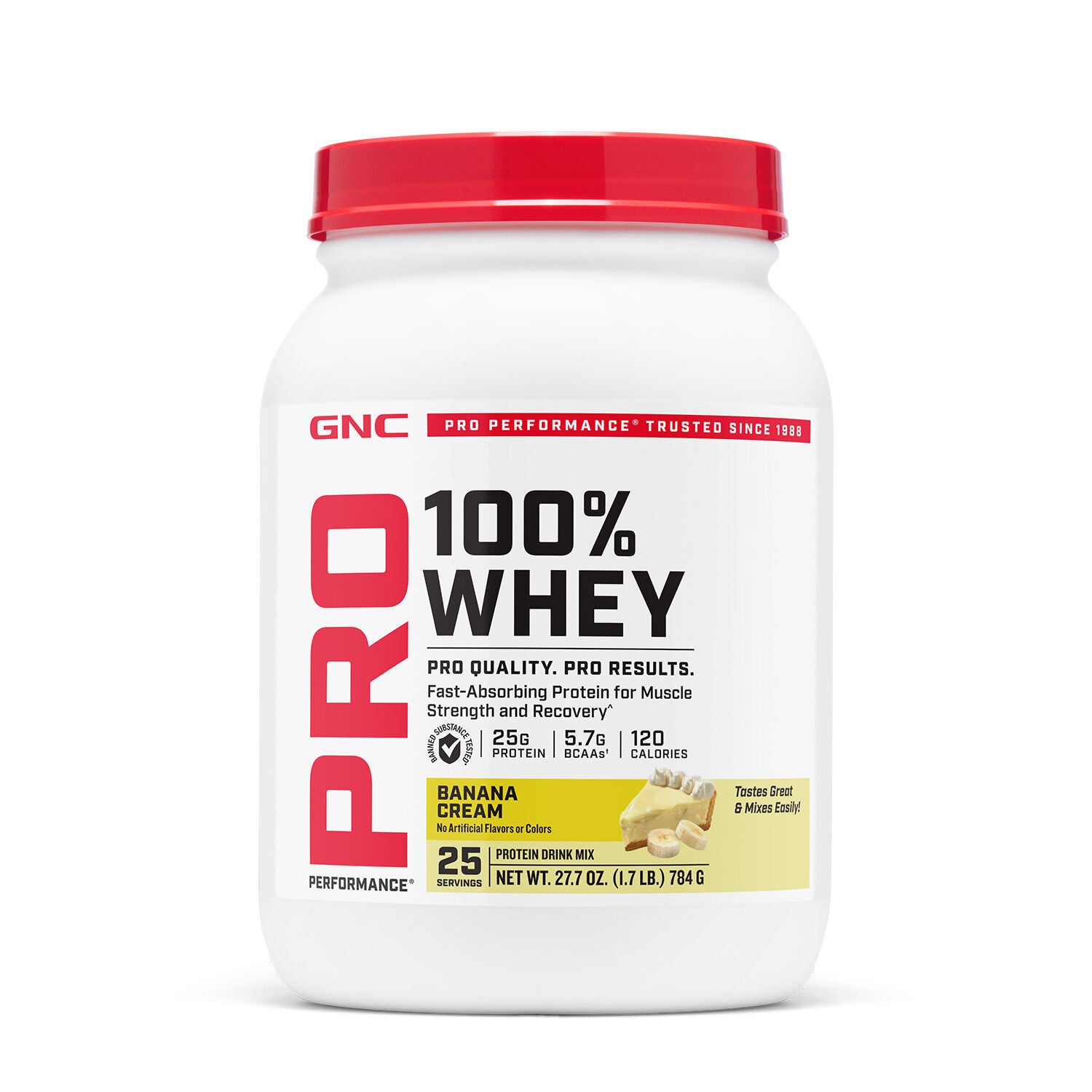
One gram of carbs or fat in a serving of protein powder usually won’t make or break weight loss—but it can matter if you’re very calorie-tight, using multiple scoops daily, or tracking macros closely.
When does 1 gram actually matter for weight loss?
Most of the time, the bigger driver is your overall daily calorie intake and whether you’re consistently hitting a protein target that supports your goals. That said, small numbers add up—especially when you’re using protein powder as a daily staple.
If you use 1 scoop per day, the difference between “0g” and “1g” is typically negligible. But if you use 2–3 scoops, add a milk base, blend it with extras, or pair it with snacks, those “small” grams can become a meaningful difference over a week.
A helpful way to think about it: the label matters most when it changes your choices. If seeing a gram of carbs makes you second-guess, skip protein, or replace it with something less satisfying, that can work against your consistency.
Which matters more: carbs, fat, or total calories per scoop?
Carbs and fat both contribute calories, but the best comparison is always total calories per serving. Two powders can have the same protein, with one showing an extra gram of carbs and the other an extra gram of fat—and the real difference is how many calories you end up consuming across your whole day.
For many people, the most weight-loss-friendly protein is simply the one that:
- Fits your calorie range
- Tastes good enough to use consistently
- Mixes easily (so you don’t “doctor it up” with lots of add-ins)
At GNC, we focus on helping you choose the option you’ll stick with—because daily wins build the results.
How to read a protein powder label without overthinking it
Start with three checks:
-
Protein per serving: More protein per calorie is usually a good sign.
-
Calories per serving: This is your “macro reality check.” If calories are where you want them, 1g here or there rarely changes the outcome.
-
What’s driving the carbs/fat? Some formulas use whole-food sources or added ingredients that change texture and taste. That can be a plus if it helps you stay consistent.
If you’re trying to keep macros tighter, aim for a powder with lower calories and minimal added sugar—and keep your mix-ins simple.
CTA: If you want a protein option designed to keep calories lower and macros easier to manage, start with a scoop you can build into your day consistently.
How do small macros add up if you use protein daily?
If you’re using protein powder once in a while, a gram of carbs or fat is basically noise. But if protein is part of your daily routine, the totals across the week can affect how “tight” your plan feels.
For example, someone doing two servings a day could see that 1g difference become 14g over a week. On paper that may still look small, but in real life it can be the difference between feeling comfortably on track versus constantly needing to “make up for it.”
The goal isn’t perfection—it’s control. Choose a formula that fits your routine so you don’t have to keep negotiating with your day.
What’s the bigger win: higher protein, or lower carbs and fat?
For weight loss, the bigger win is usually getting enough protein consistently—because it helps support lean mass during dieting and can make meals feel more satisfying.
That doesn’t mean carbs and fat don’t matter. It just means your best choice is often the powder that gives you a strong protein hit without forcing you to cut corners elsewhere.
GNC’s approach is disciplined but approachable: keep the fundamentals strong, and let the small details support your consistency—not sabotage it.
How to keep a shake weight-loss-friendly without turning it into a dessert
The quickest way a protein shake drifts off-plan isn’t one gram of carbs or fat—it’s the “extras.” If fat loss is your focus, keep your build simple:
- Mix with water (or a lower-calorie base)
- Use one measured scoop
- Add ice/cinnamon instead of heavy toppings
- If you add fruit, keep it intentional and portioned
CTA: Pick a protein you can drink as-is. When the base tastes good and mixes smoothly, it’s easier to keep the rest of the shake clean and consistent.