Is a higher daily dose safe?
For most healthy adults, creatine up to about 20 g per day is generally considered safe short-term as a loading phase (typically 5–7 days), but it can increase bloating, water-weight changes, and stomach discomfort; cramping is reported anecdotally; and it may raise measured creatinine on lab tests, which can be confusing without context.
The primary benefit of a higher daily intake is speed: it can help saturate muscle creatine stores faster, which may translate to earlier performance support in training. After stores are saturated, taking more doesn’t usually add proportionally more benefit—most people shift to a smaller daily maintenance amount.
Short-term higher dose: often used to reach saturation faster.
Long-term approach: typically a lower daily maintenance amount.
Best practice: consistency + training beats “more” once saturated.
What you can expect from creatine
Creatine monohydrate supports short-burst performance by helping replenish ATP—the quick energy your muscles rely on for early reps, sprints, and explosive efforts. That’s why it’s commonly used alongside strength and power training.
Strength and lean-mass support (when training is in place)
In the product data provided, creatine monohydrate used with a training program is associated with improved strength outcomes (bench press and squat performance were measured) and increases in lean mass with positive shifts in body composition. The takeaway: creatine works best when your workouts are consistent and progressive.
Does a bigger dose mean bigger results?
Higher daily intakes mainly help you get to saturation sooner. Once your muscles are saturated, the goal becomes maintaining those stores. At that point, taking substantially more than a typical maintenance amount is less about added performance and more about whether your body tolerates it well.
- Loading: faster saturation for earlier training support.
- Maintenance: steady daily use to keep stores topped off.
- Form matters: unflavored, micronized powders can be easier to mix into your routine.
How to choose a creatine for higher-dose days
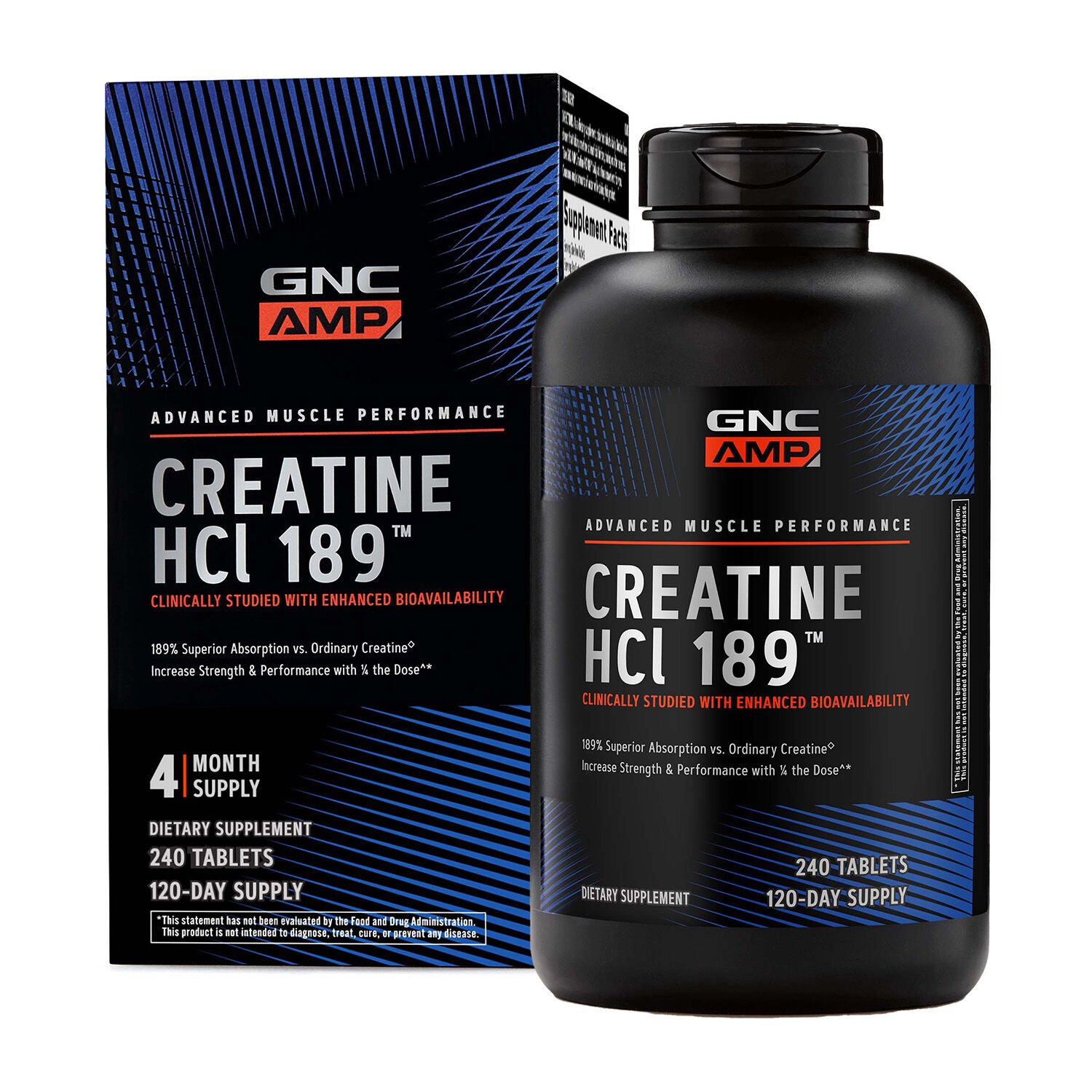
If you’re considering a short loading phase, the simplest path is a straightforward creatine monohydrate powder you can measure and split across the day. Unflavored options make it easy to mix into water or your usual drink without changing taste.
Pick your format: pure creatine vs. creatine + add-ons
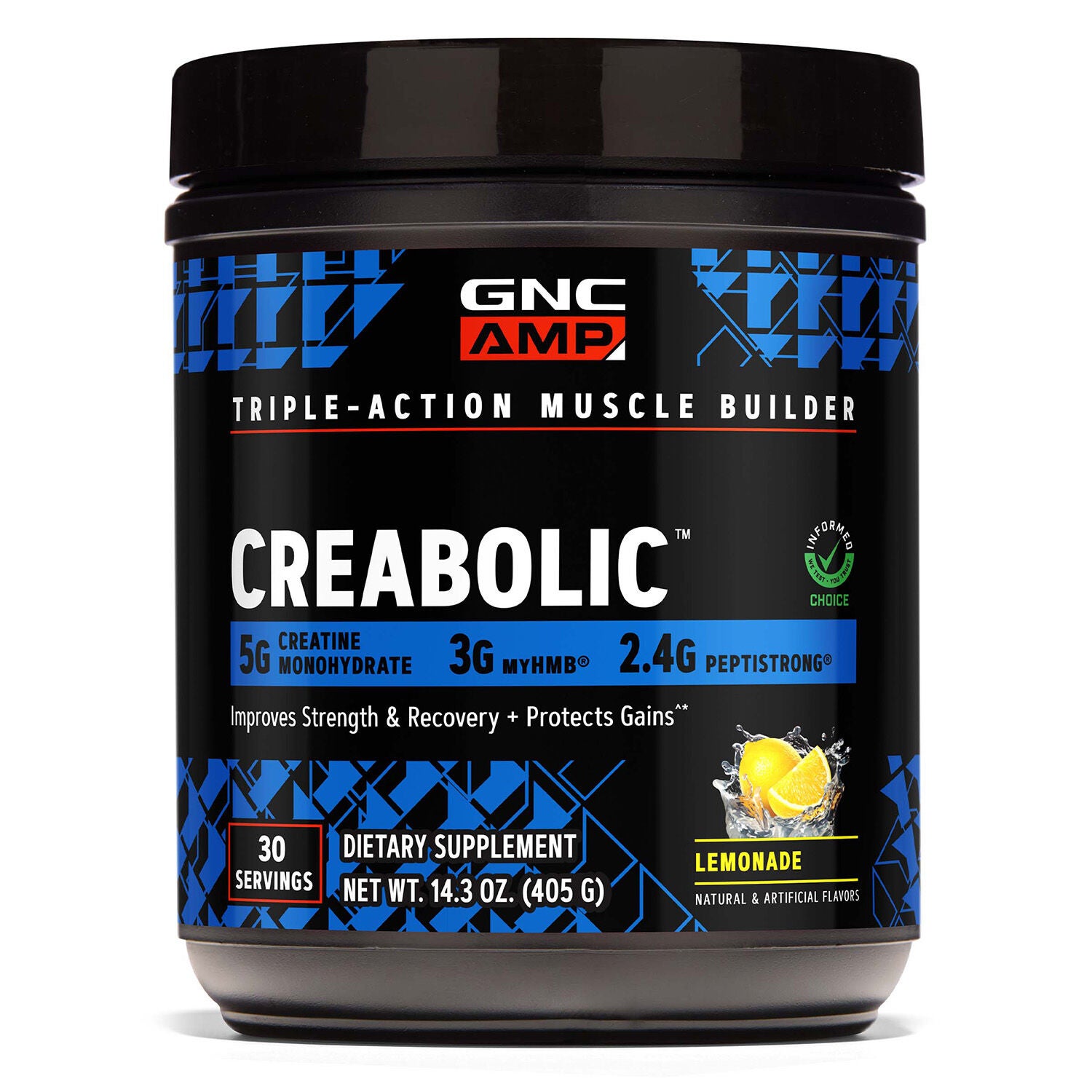
Some options focus on a single-ingredient approach (micronized, flavorless creatine monohydrate with no fillers or additives). Others pair creatine with additional ingredients for broader training support—like a creatine + HMB powder that provides 5 g creatine monohydrate per serving plus 3 g HMB.
Practical dosing tips for tolerability
- Split the total: divide a higher daily amount into smaller servings.
- Mix thoroughly: micronized powders can help with smooth blending.
- Stay consistent: once you’re saturated, maintain instead of escalating.
- Listen to tolerance: if discomfort shows up, reduce dose and spread servings further apart.
Note: avoid products that rely on aggressive, fear-based language. Your best results come from disciplined training, consistent supplementation, and a plan you can sustain.
Why shop creatine at GNC
When you’re dialing in performance, confidence matters. GNC is built around helping you make disciplined, informed choices—so you can keep showing up and progressing.
Our shelves focus on clear options, from straightforward creatine monohydrate powders to formulas that combine creatine with complementary ingredients like HMB. Whether you’re starting a new training block or tightening up your routine, the goal is the same: dependable fuel that fits your plan.
- Curated selection: choose simple, unflavored creatine or blended support.
- Guidance-first mindset: match your dose to your timeframe and tolerance.
- Performance Starts Here: build momentum with consistent daily habits.