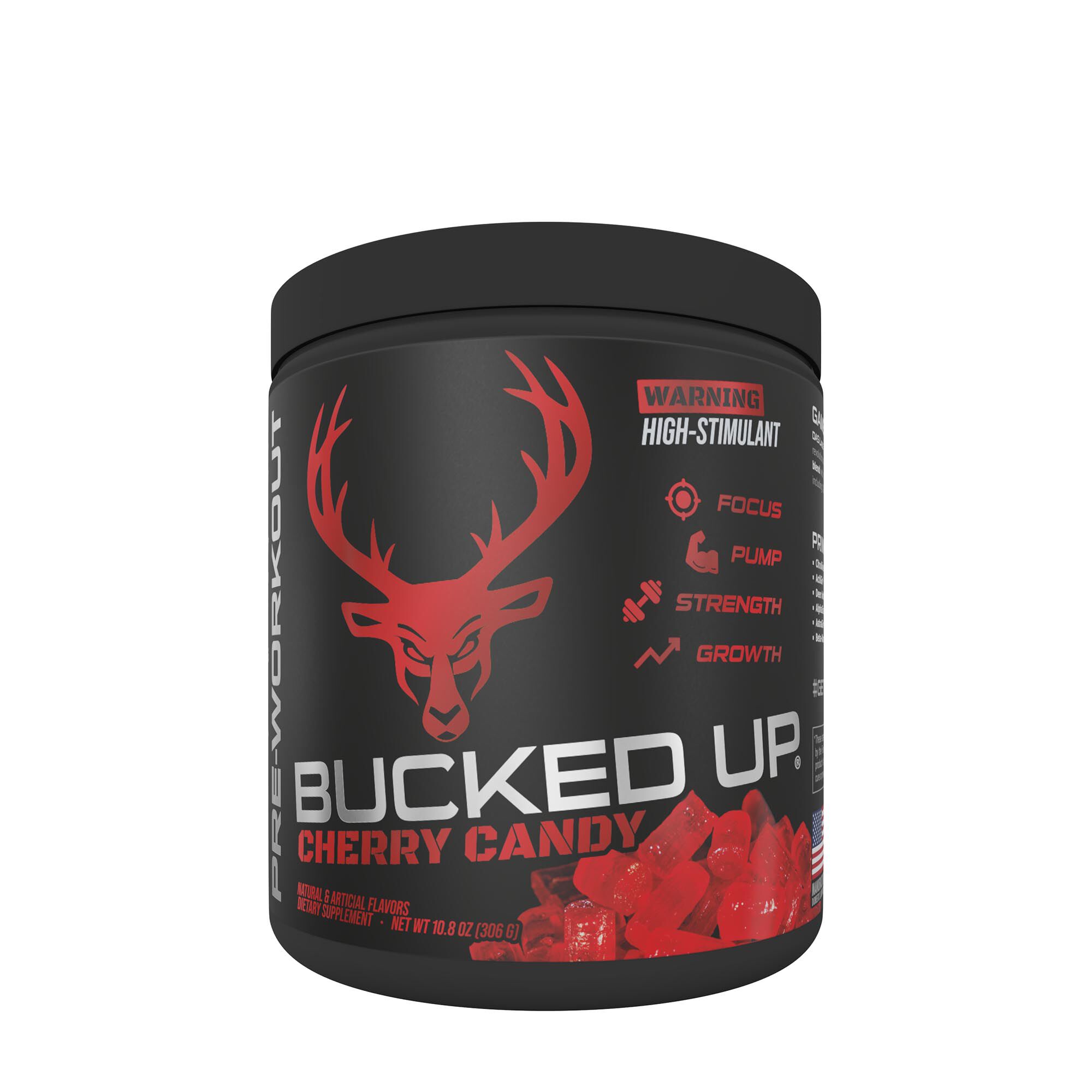
Glutamine’s key benefits are supporting muscle recovery and function during and after training, helping maintain nitrogen balance, and providing fuel that supports immune and gut function—especially when hard workouts can temporarily dip your body’s glutamine levels.*
What are the most common glutamine benefits for training and recovery?
Glutamine is one of the most abundant amino acids found in muscle, which is why it’s often used as a foundational add-on around training.* During demanding training blocks, it’s normal to focus on protein, hydration, and sleep—glutamine can be part of that same recovery-first routine.*
Many people choose glutamine because it’s versatile: you can stack it with protein, EAAs/BCAAs, or creatine depending on your goals. At GNC, we like that glutamine fits both “back-to-basics” routines and more advanced performance stacks.
How does glutamine support muscle recovery and muscle function?
Glutamine plays an important role in muscle function during and after exercise and supports the body’s nitrogen balance—two reasons it’s commonly used post-workout.* If you train hard or frequently, glutamine can help you stay consistent by supporting the recovery side of the equation.*
Glutamine is also discussed in the context of hydrating muscle cells and supporting protein synthesis, which is why it’s often paired with other performance staples.* The goal isn’t to complicate your routine—it’s to make recovery easier to repeat.
What does “glutamine levels can dip with intense exercise” mean?
Intense exercise can temporarily deplete your body’s glutamine levels, which is why supplementation is often used to help maintain those levels during challenging training periods.*
If you’ve ever felt like your training is solid but your recovery habits aren’t matching your effort, that’s a good moment to evaluate the basics (protein, hydration, sleep)—and consider whether adding glutamine makes sense for your routine.*
How do you choose the right glutamine form (powder vs capsules) for your routine?
The best glutamine format is the one you’ll actually take consistently. Powders are popular if you want easy stacking—mix into water, a shake, or add to a pre-workout routine. Capsules are a convenient option for travel days, early mornings, or anyone who wants a no-mess approach.
GNC carries both styles so you can match glutamine to your day: mix-and-go simplicity or grab-and-go convenience.
How should you take glutamine with other supplements?
Glutamine is commonly paired with protein (post-workout), creatine (training support), or amino formulas (during or after workouts). If you already have a “core stack,” glutamine can slide in without requiring a full reset.
If you’re building from the ground up, start simple: choose one glutamine product, take it consistently, and keep the rest of your routine steady so you can tell what’s working for you.*
Glutamine can support recovery and performance consistency by complementing the fundamentals—training, protein intake, and smart fueling—without adding complexity.*
When do people typically use glutamine (before or after workouts)?
Many people reach for glutamine after training as part of their recovery routine, especially when workouts are frequent or intense.* That said, there isn’t a single “perfect” moment—what matters most is consistent use that fits your schedule.
If you already have a post-workout shake, that’s often the easiest place to add glutamine powder. If you prefer capsules, taking them consistently on training days (and even rest days) can help keep your routine simple.
What should you look for on a glutamine label?
Look for clear, straightforward labeling—serving size, the amount of L-glutamine per serving, and any added ingredients. Some products are unflavored and designed for stacking; others are included inside broader recovery blends.
At GNC, our goal is clarity: products that tell you what you’re getting and make it easy to choose based on your routine, not hype.
How do glutamine-only products compare to blends that include glutamine?
A standalone glutamine product is ideal when you want to control your stack—pair it with protein, creatine, or an amino product you already like. Blends can be a good fit when you want a more “all-in-one” approach that combines glutamine with other recovery-support ingredients.
If you’re comparing options, start by asking what you need most: a dedicated glutamine dose you can add anywhere, or a formula that bundles multiple recovery tools in one scoop.
How does GNC approach glutamine support?
GNC has been committed to quality standards and nutritional science since 1935, and we bring that same discipline to performance nutrition—so you can train with confidence and recover with purpose.* Whether you choose BEYOND RAW Chemistry Labs L-Glutamine or another option, the right choice is the one that helps you stay consistent.
If you want a clean, stackable option, a dedicated glutamine powder keeps it simple. If convenience matters most, capsules can be the easiest way to stay on track.