So… how do Creapure®, micronized creatine, and “regular” creatine monohydrate really compare?
Answer first: For most people, high-quality creatine monohydrate—including micronized monohydrate and Creapure®-sourced monohydrate—performs similarly for strength, power, and lean-mass training outcomes when the daily dose is the same and you take it consistently.
What changes between versions is usually how it mixes, how it feels day-to-day, and how confident you feel about sourcing and quality control. At GNC, we focus on helping you choose the option you can stick with—because daily wins add up.
Fast CTA: Pick a monohydrate you’ll use every day for 8–12 weeks, then evaluate your training progress and how easy it was to stay consistent.
What’s the real difference between “forms” of creatine?
Answer first: Most of the time, the “form” changes the experience (mixability, convenience, routine fit) more than it changes the core results—because the big driver is how much creatine you take consistently over time.
Creatine products can look different on labels—micronized, Creapure®, buffered, blends—but the key question is still: can you hit your daily intake without friction?
For creatine monohydrate, the common differences are:
- Particle size (micronized vs. non-micronized): Smaller particles often mix smoother and feel less gritty.
- Manufacturing standards (e.g., Creapure®): Often chosen for traceability and purity-focused positioning.
- Delivery format (powder, capsules, chews): Impacts convenience, travel, and how easy it is to keep your routine.
Bottom line: If it’s creatine monohydrate and you take it daily, you’re using the most studied option.
Does micronized creatine absorb better—or just mix better?
Answer first: For most users, micronized creatine stands out more for mixability and texture than for a dramatic absorption advantage.
Here’s the practical breakdown:
- Absorption: Creatine monohydrate is already well-absorbed for most people. If your daily dose is the same, micronized vs. non-micronized typically isn’t a make-or-break difference.
- Mixability: Micronized powders often dissolve and disperse more easily, which can make your shake smoother.
- Routine impact: If texture or clumping has ever been the reason you skipped doses, a smoother-mixing option can be the highest-value upgrade—because it keeps you consistent.
Practical tip: Try mixing with more water and shaking longer. If it’s still not working for you, switching to micronized is a simple, disciplined adjustment.
Is Creapure® “more effective” than standard creatine monohydrate?
Answer first: Creapure® is best viewed as a sourcing and quality-control signal, not a different performance ingredient.
What that means for you:
- Effectiveness: If both products are truly creatine monohydrate and you take the same daily amount, expected training outcomes are broadly similar.
- Day-to-day feel: Some people prefer one source over another based on how it mixes or how it fits their routine.
- Confidence: If traceability and tighter manufacturing controls help you commit long-term, a Creapure®-sourced option can be a strong pick.
Use Creapure® as a straightforward filter: “I want monohydrate + extra confidence in sourcing.”
What matters most for absorption and results: timing, dose, or consistency?
Answer first: Consistency wins. Creatine is a “show up daily” supplement.
- Dose: Many people use ~3–5g/day of creatine monohydrate. Some prefer the lower end, while bigger or highly active athletes often aim higher.
- Timing: Take it when you’ll remember. Post-workout is popular because it’s tied to an existing habit, but a repeatable routine matters more than the perfect window.
- With food or without: Taking creatine with a meal can feel easier for some people. The main driver is still total daily intake.
CTA: Choose one routine and lock it in—same scoop, same time, every day (training days and rest days). That’s how you build momentum.
Which format is easiest on digestion: powder, capsules, or chews?
Answer first: The best format is the one you tolerate and take daily—because creatine works by building and maintaining muscle stores over time.
- Powder: Flexible and easy to scale. If it feels heavy, try mixing more thoroughly, using more water, splitting your daily amount (morning + evening), or switching to a smoother-mixing micronized powder.
- Capsules: Convenient and travel-friendly, but you may need multiple capsules to reach your target daily intake.
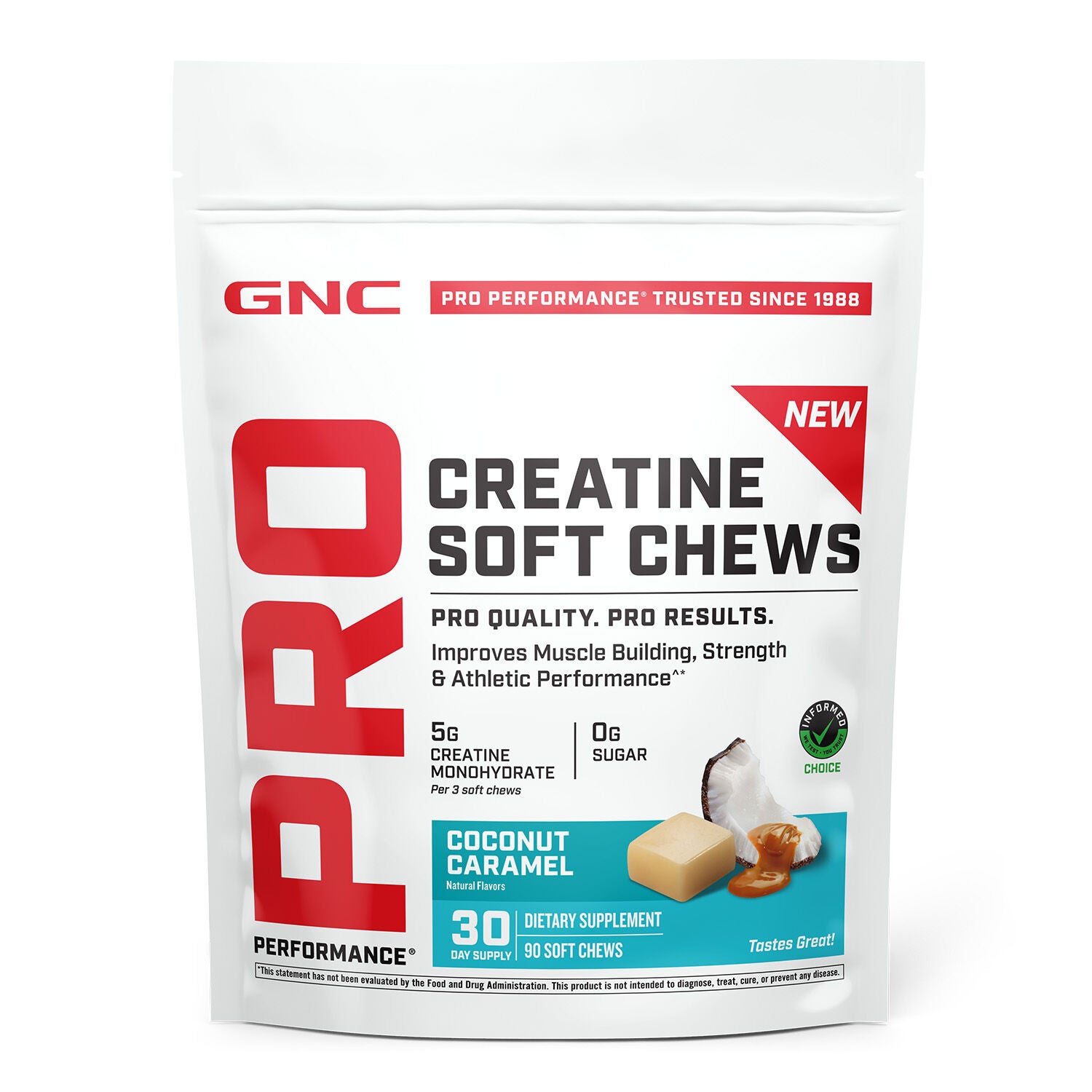
- Chews: Great for consistency if you don’t love powders. Easy to keep in a gym bag—just match the labeled serving to your daily goal.
If you’re new to creatine, keep it simple for 30 days: pick one format, take it daily, and make consistency your edge.
How do you choose the “right” creatine in 60 seconds?
Answer first: Choose creatine monohydrate, then pick the version that removes daily friction.
Use this quick filter:
-
Want the most studied option? Choose creatine monohydrate.
-
Care about mixability and texture? Choose micronized monohydrate.
-
Care about sourcing confidence? Look for clearly identified sourcing and quality controls (Creapure® is one example).
-
Care about convenience? Choose the format you won’t skip—capsules or chews can beat powder if powder becomes a daily hurdle.
Social proof (what customers consistently tell us): People who stick with creatine tend to appreciate how simple it is to build into a routine—one daily serving, day after day—especially when the product mixes well and fits their schedule.
CTA: Make your pick, commit for 8 weeks, and track two things: (1) performance in the gym (reps/weight/total volume), and (2) how consistently you took it. That’s your real comparison.