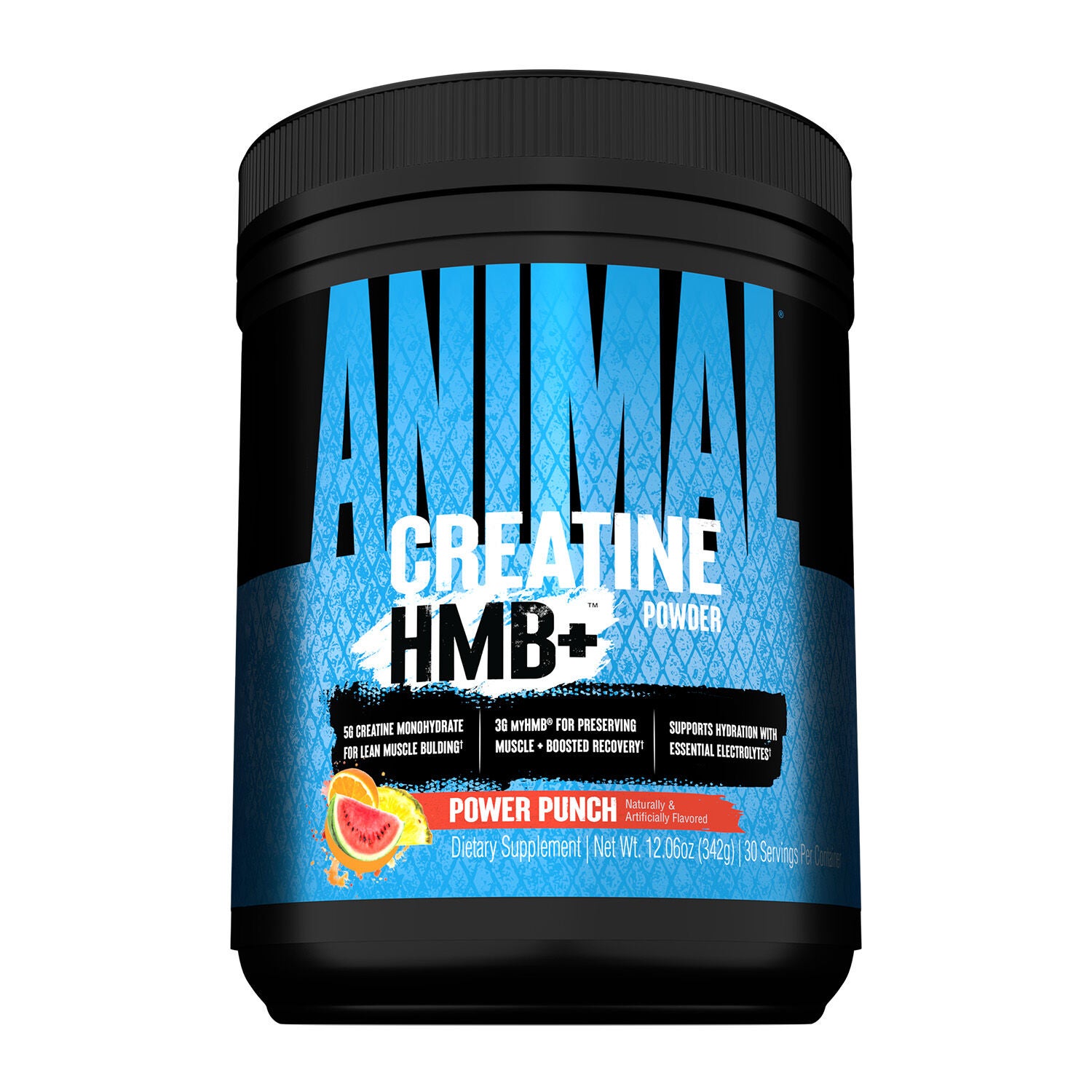
How does creatine support performance in circuit or interval training?
Short rest. High output. Repeat—creatine helps keep power on tap when the pace doesn’t let up.
Creatine supports circuit and interval training by helping your body quickly regenerate ATP—the fast energy your muscles rely on for repeated, high-effort bursts—so you can maintain power, push through late-round fatigue, and keep your output more consistent from interval to interval.
Why creatine matters when the rest is short
Circuit training, HIIT, and interval sessions are built around a simple challenge: produce near-max effort, recover briefly, then do it again. That pattern leans heavily on the phosphocreatine system, which helps recycle ATP during short, intense work.
When muscle creatine stores are higher, many people notice they can:
- Hold performance a little longer before output drops
- Keep rep speed and quality steadier as rounds add up
- Recover more effectively between hard efforts
At GNC, we think of creatine as one of the most practical tools for training that demands repeatable intensity—not just the kind of strength work where you rest 2–3 minutes between sets.
How creatine can show up in circuits and intervals (beyond the weight room)
Intervals aren’t only “cardio,” and circuits aren’t only “lifting.” Most real-world programming blends sprint-like bursts with strength-endurance moves (sled pushes, assault bike, rower intervals, kettlebell swings, burpees, jump rope, DB complexes). What ties them together is repeated high output.
Creatine’s role is straightforward: it helps support immediate energy production during exercise. In a circuit, that can translate to sharper early reps and fewer drop-offs as the clock keeps moving. In intervals, it can mean more consistent power across sprints—especially when the recoveries are short.
What to expect (and what not to expect)
Creatine isn’t a stimulant, so it won’t feel like a “kick.” Instead, it’s the kind of support you notice in the work: a little more pop on the hard pieces, and a little more control when fatigue tries to take over.
It’s also not just for advanced athletes. If you’re rebuilding consistency—three workouts this week, aiming for four next week—creatine can be a simple, disciplined add-on to your routine.
How to use creatine for interval-style training
Consistency matters more than timing. Many people take creatine daily and keep it simple—same dose, same time, paired with an established habit (with breakfast, post-workout, or with a shake). Hydration and overall nutrition still do the heavy lifting.
GNC carries multiple creatine formats so you can pick what fits your routine—powders, tablets, and performance blends. If you want the simplest approach, start with a straightforward creatine monohydrate and build from there.
How creatine helps you “keep your pace” in circuits and HIIT
In circuits and interval work, performance usually doesn’t fail all at once—it fades. Rep speed slows, transitions get sloppy, and you start negotiating with the timer. Creatine’s strength is helping support those repeated, high-effort moments where you need immediate energy.
When your training includes bursts like 10–30 seconds hard / 30–90 seconds easy, or multi-move circuits where you’re moving continuously, you’re asking your muscles to repeatedly access fast energy. Creatine supports that system so your hard efforts can stay hard.
That matters for more than “feeling good.” Consistency is what turns interval training into measurable progress:
- More stable output can help you hit the intended training stimulus
- Better repeatability can help you progress week to week (more work, higher quality)
- Cleaner reps late in a session can keep technique from falling apart when fatigue builds
GNC’s role is to help you curate the basics that make training feel more dependable. Creatine is one of those basics: simple, proven, and easy to keep consistent.
Is creatine only for heavy lifting? Not even close.
Traditional lifting is an obvious fit because it includes short, intense sets. But circuits and intervals often include the same energy demand—just with less rest and more total work.
If your week looks like bootcamp classes, functional fitness, interval running, rower sprints, or mixed-modality conditioning, creatine can still fit. The goal isn’t to turn every session into a strength session—it’s to support repeatable intensity so you can train with purpose, not just survive the workout.
Practical pairing: creatine + smart fueling
Creatine isn’t a substitute for fundamentals. For interval-heavy plans, pairing creatine with a consistent routine tends to work best:
- A steady daily habit
- Adequate fluids across the day
- Enough total protein and carbs to support your training volume
If you want a simple plan: keep creatine daily, keep your pre-session fueling predictable, and let the training do the talking.
A simple way to decide if creatine fits your training style
If your training includes repeat hard efforts—whether that’s 10 rounds of a circuit, hill sprints, EMOMs, or intervals on a machine—creatine belongs on your shortlist. The biggest tell is this: do you need to produce high output more than once in a workout? If yes, creatine can be relevant.
If you mainly do steady-state cardio and occasional light strength work, creatine may still fit, but the benefit can feel more subtle. In that case, it can help to set a clear goal first (more power during intervals, steadier rounds, stronger finishes), then track it.
At GNC, we’re here to fuel the pursuit—day by day, session by session. If you want a disciplined, science-forward foundation for hard training, creatine is one of the simplest places to start.