What should beginners focus on first before adding creatine?
Prioritize safe form, a repeatable training plan, enough protein and calories, hydration, and quality sleep for a few consistent weeks before you spend energy dialing in supplements like creatine.
A simple way to think about it: supplements can help you squeeze more out of a solid routine—but they can’t replace the routine. If your technique is inconsistent, your workouts are random, or your recovery is unpredictable, creatine won’t “fix” the fundamentals. When the basics are in place, creatine becomes an easy, low-maintenance add-on.
At GNC, we’re big on making progress feel straightforward: lock in the habits that move the needle every day, then layer on proven support when you’re ready. That’s how you build momentum you can keep.
How do you build a beginner training plan with great form?
Start with a plan you can repeat—2–4 strength sessions per week, built around a few key movements, is enough for most beginners to make noticeable progress.
Keep the goal simple: practice the same patterns (squat/hinge/push/pull/carry) long enough to get better at them. The biggest “secret” in early training is not variety—it’s quality reps. The more consistent you are, the easier it is to spot what’s working and what needs adjusting.
Form is a performance multiplier. Clean technique helps you train hard while staying in control, and it makes progressive overload (adding reps, sets, or weight over time) safer and more predictable.
Beginner checkpoint: if you can complete your sessions with steady technique, consistent effort, and no guesswork about what you’re doing next, you’ve built the foundation that makes supplements worth considering.
What should your diet look like before you consider creatine?
Before creatine, the priority is getting your nutrition “boringly reliable”: enough protein, enough total calories for your goal, and a routine you can repeat on busy days.
Protein is the cornerstone for training adaptations. It doesn’t have to be complicated—aim to include a quality protein source at each meal, then use a shake or bar when life gets in the way. If your protein intake swings wildly day to day, fix that first.
Next is energy intake. If you’re trying to build strength and muscle, undereating can make training feel like pushing a boulder uphill. If you’re leaning out, you still want enough protein and a smart calorie deficit so you can keep training productively.
Practical “green light” for creatine: if you’ve been consistent with workouts and protein for several weeks, adding creatine can help you get more high-quality work done—especially in short, intense efforts like lifting and sprint-style intervals.
How should recovery and sleep be prioritized before adding supplements?
Treat recovery like part of the program: consistent sleep, hydration, and smart training volume come before any performance add-on.
Sleep is where your body consolidates training stress into progress. If your schedule is chaotic, start with one change you can keep—like a consistent wake time or a simple wind-down routine. Small improvements here can make your workouts feel better almost immediately.
Hydration and minerals matter, too. If you’re training hard, sweating regularly, or you simply struggle to drink enough throughout the day, your performance can feel flat. Getting fluids and electrolytes consistently is foundational.
Finally, respect volume. Beginners often grow fastest when they stop trying to do everything at once. Build up gradually, track what you do, and keep at least one easy day between tough sessions when possible.
At GNC, we call this “earning your add-ons”: when recovery is consistent, the supplements you choose have a clearer job to do—and you can tell whether they’re helping.
When does creatine make sense for a beginner?
Once training, protein, and sleep are consistent, creatine becomes a simple way to support repeatable, high-effort workouts.
How do you use creatine without overthinking it?
Use creatine as a consistency tool: pick a straightforward format you’ll actually take, then stick with it.
Creatine is often most helpful when your training includes repeated bouts of intense effort—like sets of lifting, hard intervals, or sports-style bursts. But the key is that it complements a plan you’re already doing regularly.
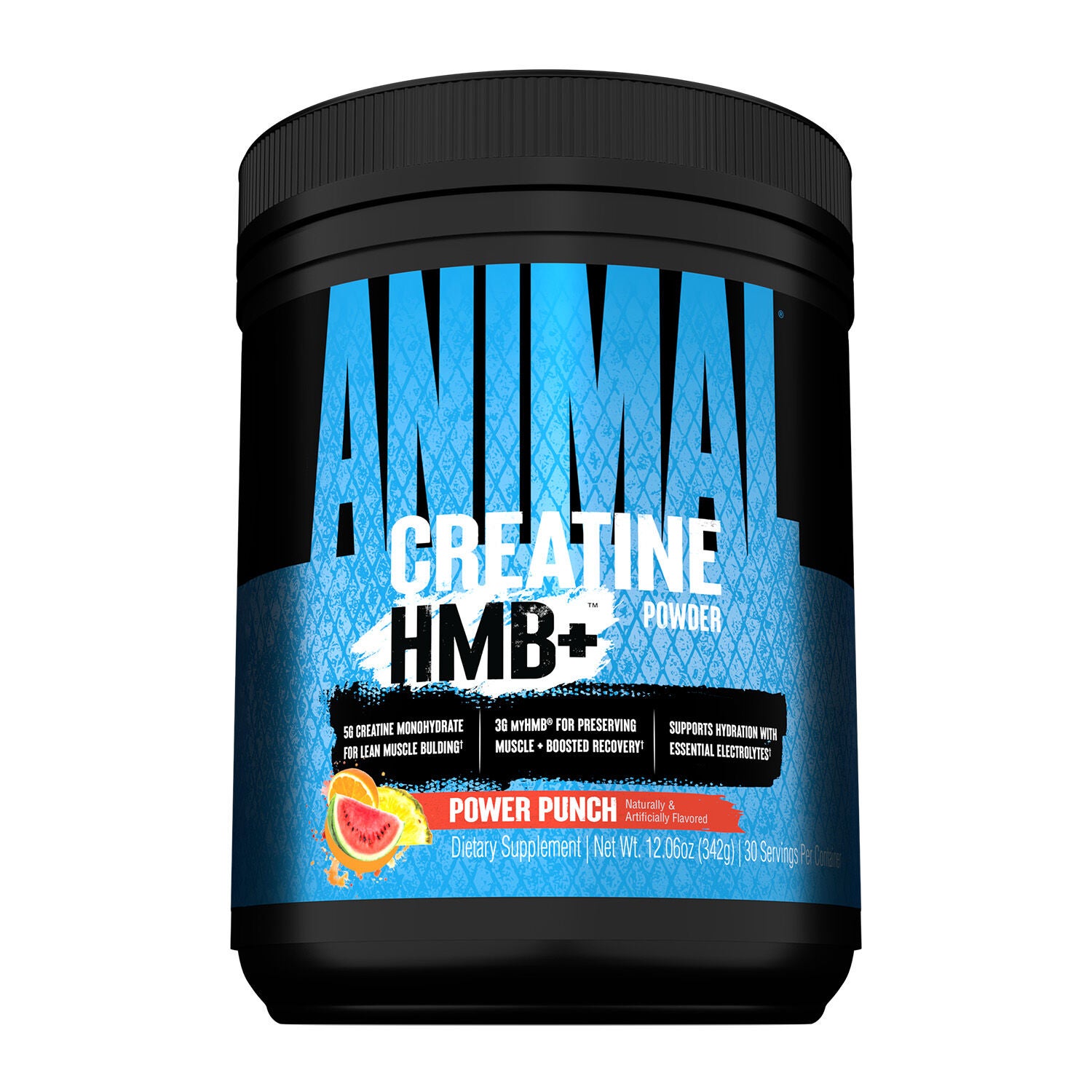
If you’re the kind of person who forgets powders or hates mixing, a chew format can make consistency easier. If you love a simple scoop-and-shake routine, a powder can fit right in with your pre- or post-workout habits.
What to track: don’t look for a “day one” feeling. Instead, pay attention to whether your workouts become a little more repeatable—one more rep here, a steadier last set there—week after week.