Why creatine can help when workouts feel hard to finish
Creatine can be beneficial for absolute beginners, especially when the biggest challenge is simply getting through sessions consistently—because it supports the kind of repeatable effort that helps training feel more manageable over time.
If you’re new to lifting (or returning after a break), “recovery” often means two things at once: (1) your body is adapting to new stress and (2) your training habits are still being built. Creatine isn’t a replacement for smart training, sleep, and enough food—but it can be a reliable add-on that supports performance as you practice consistency.
At GNC, we’re big on fueling progress with simple, science-forward basics. Creatine is one of those foundations: no complicated timing, no trendy rules—just a straightforward supplement that fits a beginner plan.
What to expect (and what not to expect)
Creatine is best thought of as a consistency tool. Many people notice training feels a little more “repeatable”—like getting one more rep, finishing that final set, or keeping form tight when you’d normally fade. That can matter a lot when you’re trying to build the habit of completing workouts.
What it won’t do: replace hydration, calories, protein, or a beginner-friendly program. If sessions are failing because the plan is too intense, the first win is dialing the workout to something you can repeat week after week.
What “recovery and completion” usually means for beginners
When workouts are tough to complete, it’s rarely just one thing. Beginners often run into a mix of training intensity, conditioning, and everyday lifestyle factors—then it all feels like “I’m not recovering.”
Common reasons sessions feel unfinished
- Starting too heavy or too much volume too soon (too many sets, too many days, too many “finishers”).
- Not enough daily fuel (overall calories and protein matter for rebuilding after training).
- Inconsistent hydration and electrolytes, especially if you sweat a lot.
- Sleep that’s short or irregular, which can make every session feel harder.
Where creatine fits in
Creatine is not a shortcut—but it can support training capacity as you build strength and endurance. That’s useful when your goal is simple: complete the workout, recover well enough to train again, and stack wins week after week.
If you want a simple approach that stays realistic: keep the program repeatable, prioritize protein, and add creatine as a steady daily habit. That’s the kind of plan that tends to last.
How to start creatine without overthinking it
If you’re a true beginner, the best creatine plan is the one you’ll actually follow. Keep it simple and steady.
A beginner-friendly routine
- Take it daily so you don’t have to time it perfectly around workouts.
- Mix it with something you already do (water bottle, morning shake, or post-training drink).
- Stay consistent for a few weeks before judging how it’s working for you.
Pair it with the basics that move the needle
Creatine works best when the rest of your routine supports progress:
- Progressive training (small weekly increases, not huge jumps)
- Protein you can stick to (food first, supplements for convenience)
- Hydration (especially around training)
GNC’s approach is straightforward: build the habit, then build the intensity. Creatine can support that step-by-step ramp so your workouts feel more repeatable—and finishing them starts to feel like the norm.
Performance starts with consistency.
Start simple. Train smart. Add the right support when it helps you show up again tomorrow.
What to combine with creatine for a more complete recovery routine
If you’re struggling to finish sessions, the most helpful stack is usually simple performance support + practical recovery support.
Protein (because consistency needs building blocks)
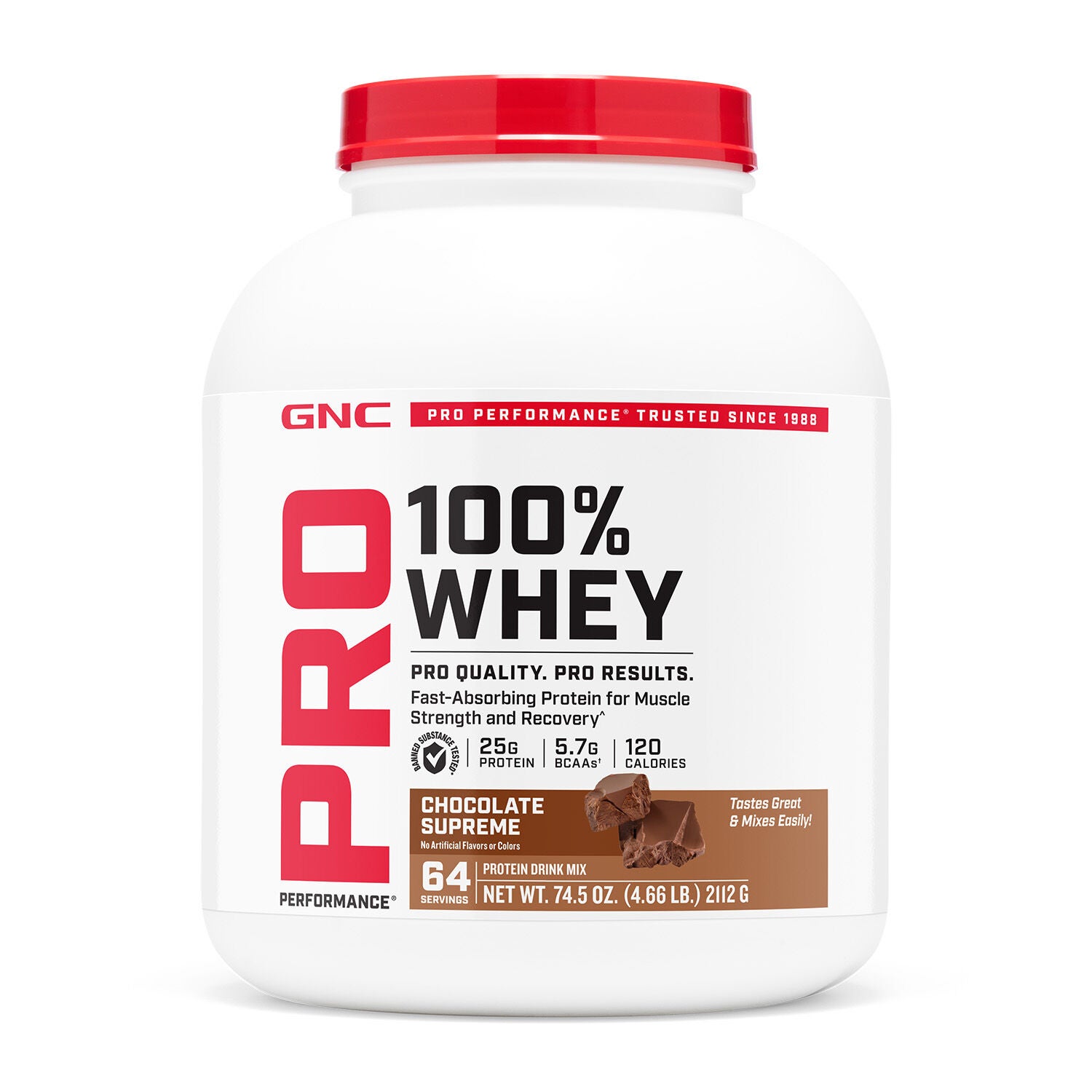
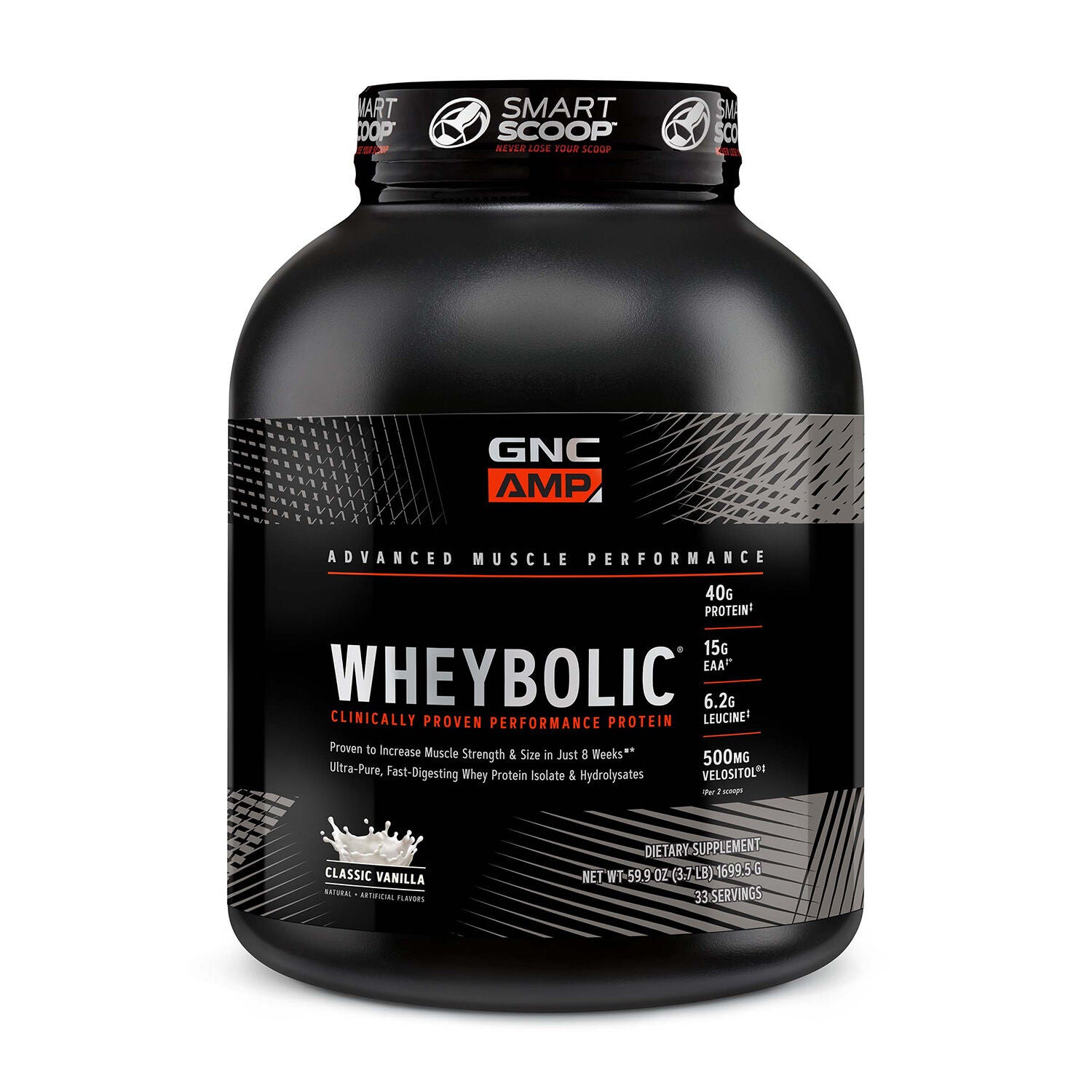
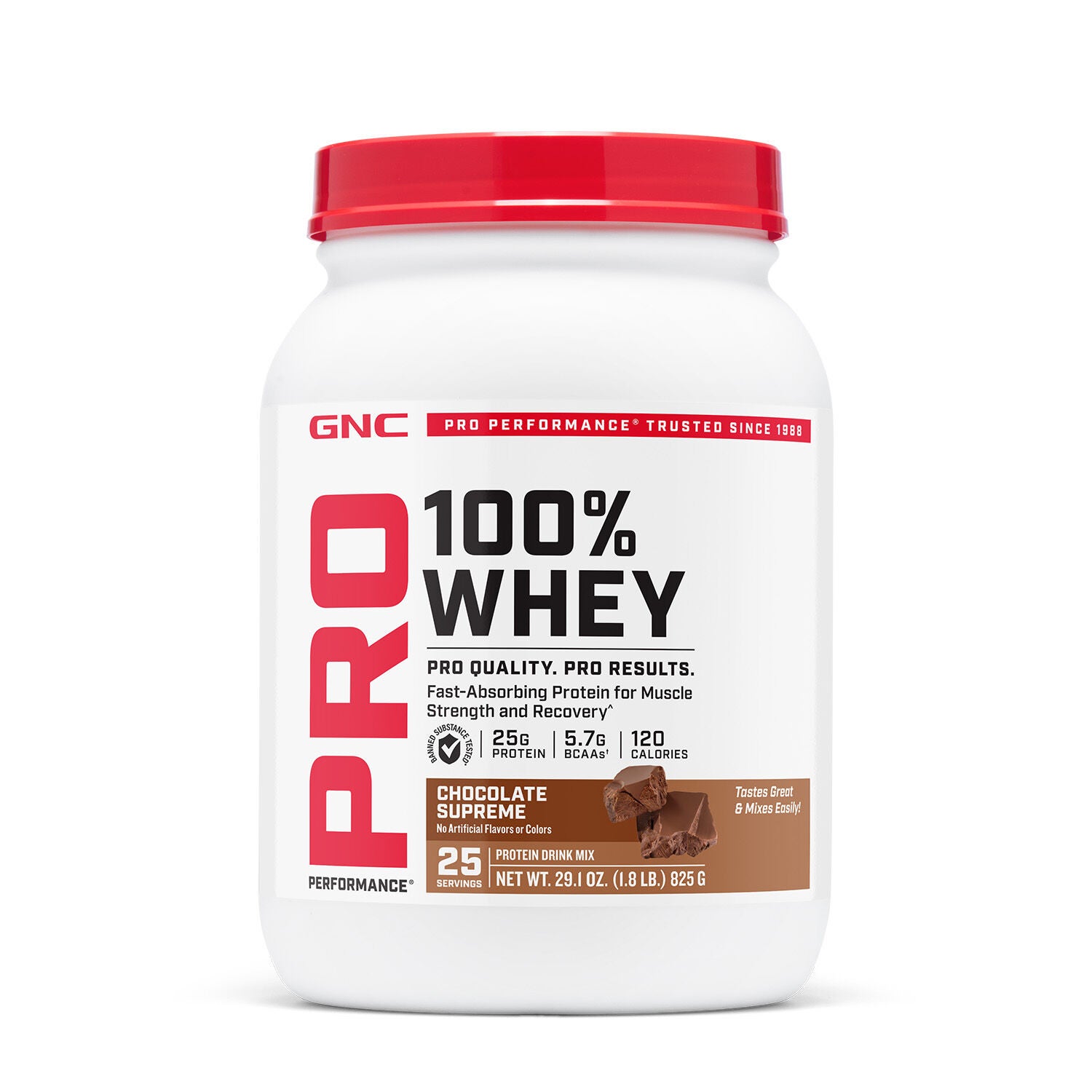
When you’re training, getting enough protein can make it easier to stay on track. If whole foods are tough to hit daily, a protein powder can help you close the gap without adding a lot of meal planning.
Amino support and hydration
If your training is frequent or high-output, some people like having a dedicated recovery drink option. For example, XTEND® Elite Recovery is formulated to help athletes recover and includes BCAAs and electrolytes (product availability can vary).
Magnesium as a daily foundation
Magnesium is an essential mineral that supports energy production and muscle function.* A simple magnesium routine can be a steady, everyday support tool—especially when life stress, sweat, and busy schedules make consistency harder.
GNC is here to help you keep it practical: one routine you can repeat beats five products you can’t keep up with.