Is GNC protein powder worth it for the price?
A practical way to judge value—based on protein type, ingredients, and how you plan to use it.
GNC protein powder can be worth it for the price when you’re paying for the right protein type and features for your goal—like a whey isolate for lean macros, or a multi-source blend for longer-lasting fuel—rather than paying extra for a label that doesn’t match how you’ll actually use it.
What “worth it” really means with protein powder pricing
Price makes sense when the product consistently delivers the protein format you want, mixes well enough to use daily, and fits your routine without turning into a half-finished tub. The most useful way to judge value is to start with your use case:
- Daily “easy protein” (breakfast smoothie, quick shake): prioritize taste, mixability, and a profile you can stick with.
- Post-workout support: prioritize fast-digesting protein (often whey isolate or whey blends).
- Between meals / before bed: a multi-source blend that includes slower proteins can feel more “steady.”
GNC carries a wide range—from premium formulas to simple staples—so “worth it” depends on choosing the right lane rather than chasing the biggest label claims.
How to compare GNC protein powders without getting overwhelmed
When you’re comparing options, focus on what changes your day-to-day results:
1) Protein type (this is the biggest driver of value)
Whey isolate is often priced higher than concentrates, and multi-source blends can land anywhere depending on the recipe. If you want a leaner option and simple mixing, isolate can justify a higher price; if you just need steady daily protein, a blend may be the smarter buy.
2) Macros per serving
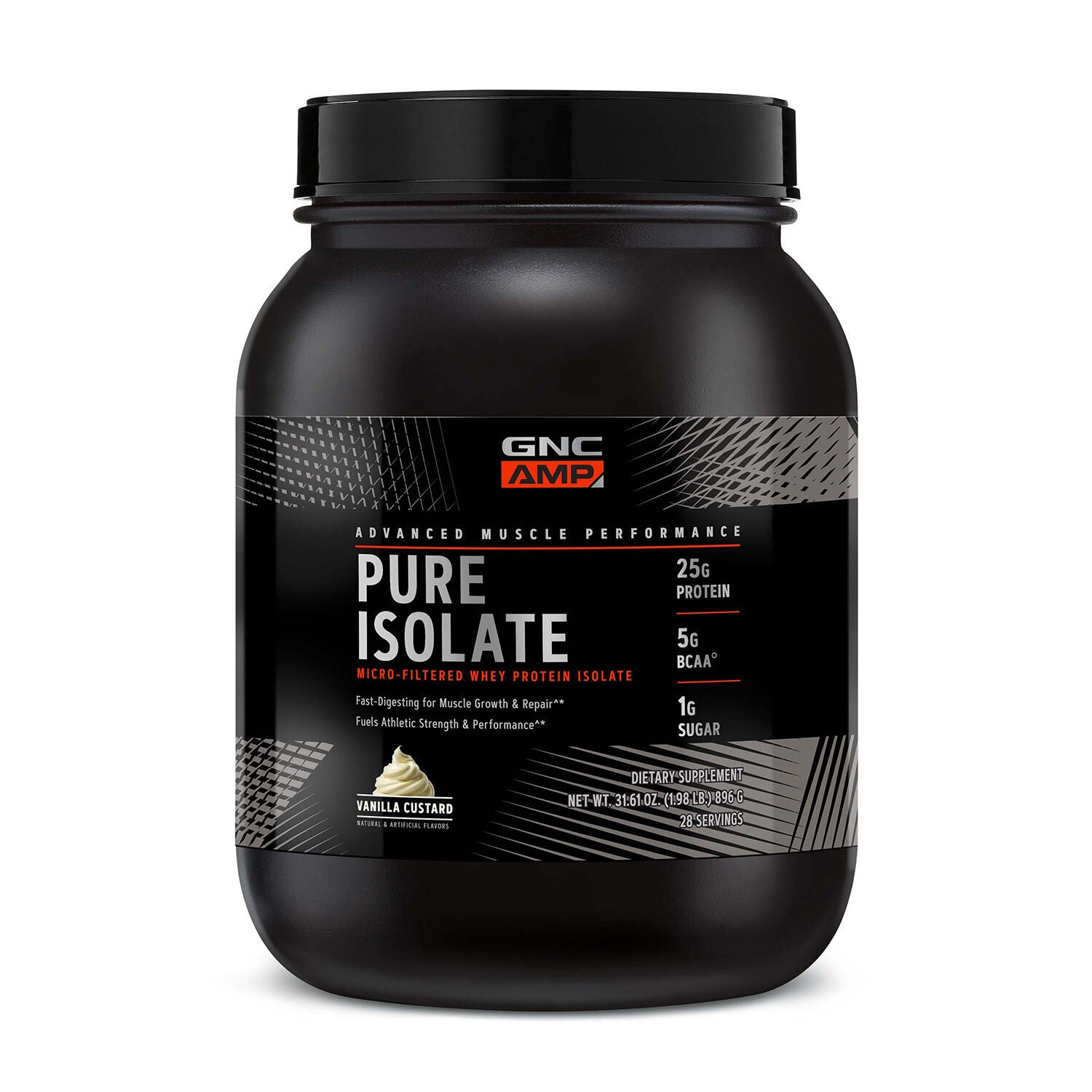
Look at calories and sugar—especially if you’re adding protein on top of regular meals. A formula around 120–130 calories with ~1g sugar can be an easy fit for many routines.
3) Third-party testing / certifications
If a formula is positioned for performance and highlights third-party testing, that can be part of what you’re paying for—especially for athletes who care about extra scrutiny.
4) Serving count and how you’ll actually use it
Two tubs at similar prices can deliver different real-world value if one gives you more servings, mixes easier, or tastes better enough that you don’t abandon it.
When paying more is actually the smart move
Upgrading is usually worth it when it helps you stay consistent. If you’re the kind of person who wants a clean, straightforward ingredient approach and a shake you’ll reach for every day, paying a little more can be a win—because the best protein is the one you’ll use.
It can also be worth it when a product’s formula supports a specific goal (like a sustained-release blend for longer coverage) and you’re intentionally using it that way.
When a lower-priced option is the better value
If you’re mixing protein into smoothies or baking, or you’re mostly using it to hit a daily number, you may not need a premium formula. In that case, value comes from:
- dependable flavor
- easy mixing
- a serving count that fits your routine
That’s why it helps to choose based on your “daily driver” habits, not just the label.
A simple way to decide in 60 seconds
Ask yourself:
- Do I want fast (post-workout) or steady (between meals / longer coverage)?
- Do I care more about lean macros or overall convenience?
- Will I actually use this flavor daily?
Answer those, and the best-fit GNC protein powder (and price point) becomes a lot clearer.
Which type of GNC protein powder fits your goal—and your budget?
Start with the protein format, then choose the formula you’ll stick with.
Is whey isolate worth paying extra for?
Whey isolate can be worth the higher price if you want a leaner-feeling daily shake and you’re trying to keep your routine tight. Isolate-focused formulas are often chosen for their more streamlined macro profile and straightforward use post-workout.
If you’re someone who mixes protein with water and wants it to feel light and easy, isolate tends to make sense. If you always blend with milk, fruit, or nut butter, you may not need to pay extra—because the add-ins will do a lot of the “heavy lifting” for taste and texture.
Are multi-source blends worth it for consistency?
A multi-source blend can be a smart value when you want protein coverage that feels more steady—like between meals, on busy days, or when you’d rather not think about timing.
These blends can include both faster and slower proteins, which is why many people use them as a “one scoop, done” option. If your goal is simply to hit protein consistently across the day, this style often feels like the most practical choice.
How do servings and “use rate” affect real value?
The best value isn’t always the lowest sticker price—it’s the tub you finish. If a protein powder mixes well and you like the flavor, you’ll use it more often. That consistency turns the price into a predictable daily habit instead of a sunk cost.
If you’re deciding between two options, compare the serving count and ask: Will I actually use this most days? If yes, that’s usually your best buy.
Featured picks to compare value fast
Two different approaches—sustained blend vs. clean daily-driver style.
What makes a protein powder feel “premium” day to day?
A protein powder earns its price when it reliably checks the boxes that matter in real life: it tastes good enough to repeat, mixes without a struggle, and fits your plan without adding a bunch of extra sugar or calories.
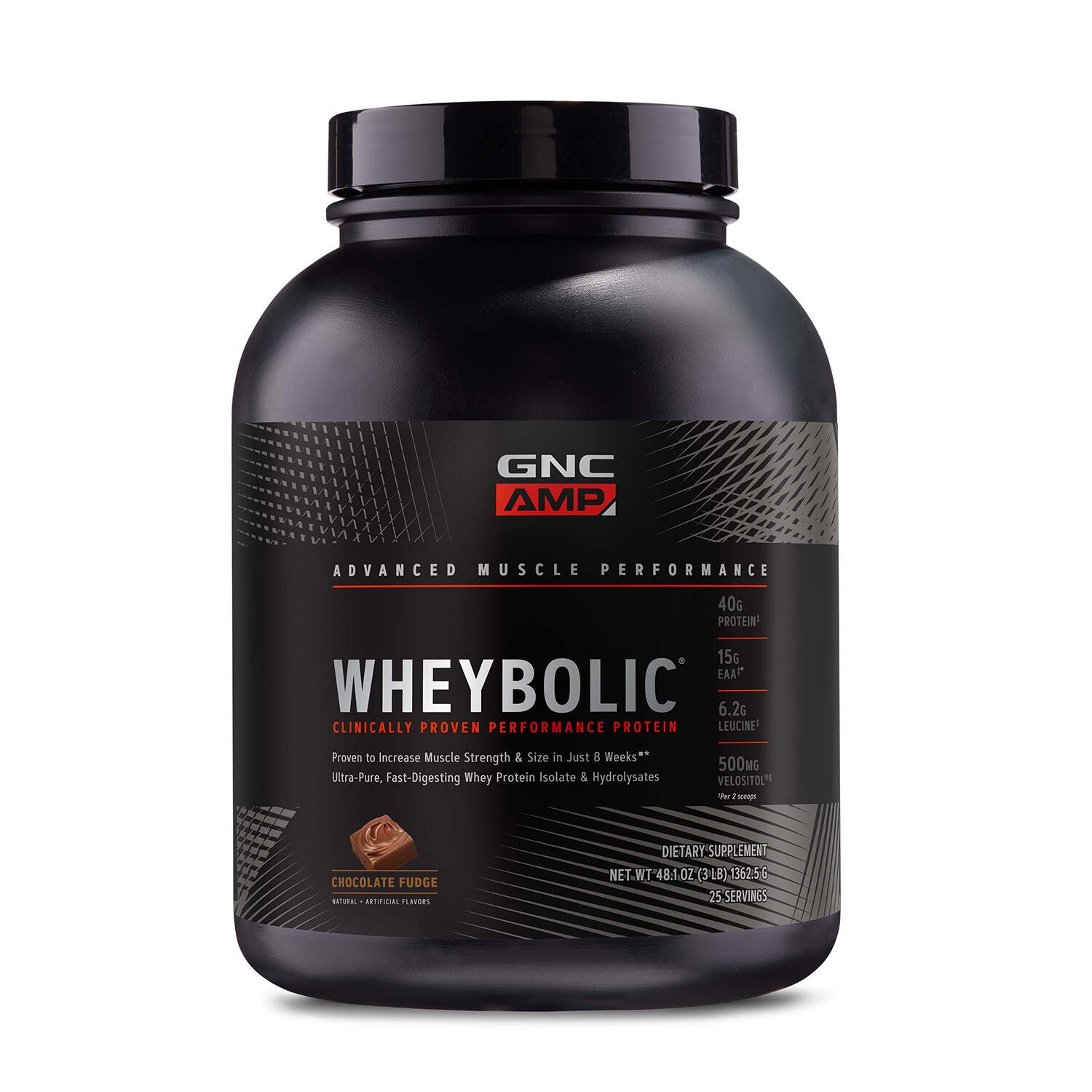
For example, some formulas highlight a low-calorie, low-sugar profile (like around 120–130 calories with about 1g sugar), while others focus on multi-source protein designed for longer coverage. Neither is “better” in a vacuum—the value is matching the formula to your routine.
How to choose between these two styles
- Choose a sustained blend if you want a protein that supports longer coverage and you like the idea of combining multiple protein sources.
- Choose a clean daily-driver style if you want a straightforward protein you can use consistently, especially when you want an easy, no-drama shake.
GNC makes it easier to stay in your lane: pick the format that fits your day, then pick the flavor you’ll actually use.