Can creatine help with fall risk—by supporting coordination and lean muscle?
Creatine is best known for performance, but it may also support everyday strength and steadier movement as we age—especially when paired with resistance training.
Creatine may help older adults support lean mass and strength by improving rapid ATP availability in muscle—fuel that matters for short, repeated efforts. In real life, that can connect to functional markers like:
- Sit-to-stand (getting up from a chair)
- Stair climbing (leg drive + repeated effort)
- Gait speed (steady, efficient steps)
- Reactive stepping (the quick “save step” after a trip)
What changes with age—and why this links to steadier movement
As we get older, it’s common to lose some lean mass and the ability to produce force quickly. That doesn’t just show up in the gym—it can show up when you stand up from a low seat, carry groceries, or need a fast correction step.
Falls are rarely one single cause. They’re often a stack of small factors: reduced leg strength, slower reaction timing, less balance practice, and fatigue. Improving the “inputs” (strength, power, practice) is a practical strategy.
The mechanism-to-function chain (simple, practical)
Creatine → supports phosphocreatine stores → helps regenerate ATP during short bursts → supports higher-quality training sessions → tends to support strength/lean mass gains → supports functional tasks (sit-to-stand, stairs, gait speed) that are tied to steadier daily movement.
Evidence—clear and honest
Across studies in older adults, creatine plus resistance training tends to improve strength and lean mass more than training alone.
Direct evidence that creatine reduces the number of falls is less certain (falls depend on many factors). Think of creatine as a tool that can support training adaptations—then your training supports the skills that help you move with more control.
If you take prescription medications or have medical concerns, talk to your healthcare professional before starting any supplement.
What type of creatine is a smart pick for older adults?
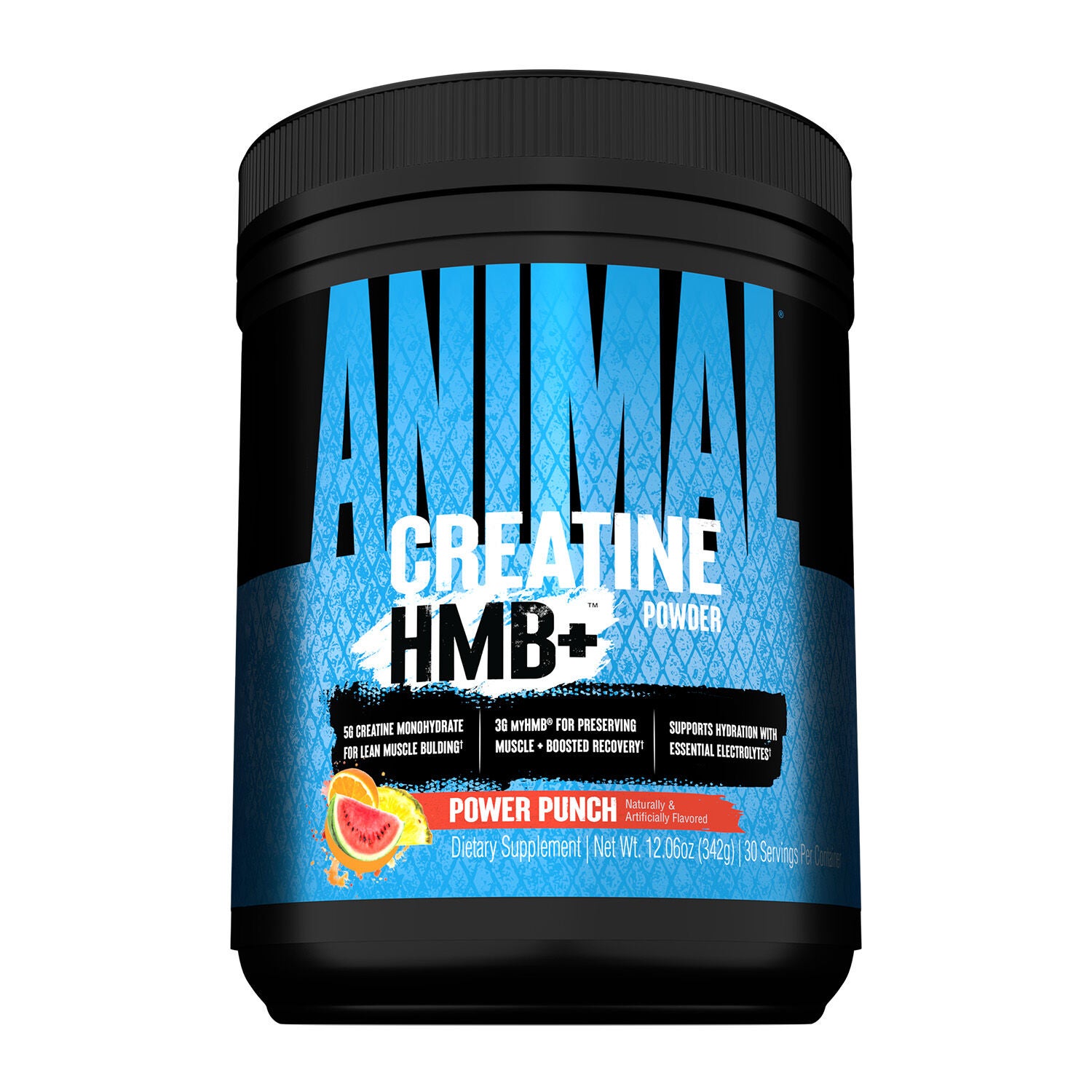
Most people start with creatine monohydrate because it’s widely studied, generally well-tolerated, and straightforward. Other forms exist, but simple and consistent usually wins.
A powder you can mix into water, coffee, or a smoothie is often the easiest habit. If texture or taste is a barrier, a flavored option or chew can help with consistency.
How much should you take—and do you need a loading phase?
A common daily approach is 3–5 grams per day, taken consistently. Many people skip loading and still do well over time. Loading can work faster, but it may increase digestive discomfort for some.
Timing is flexible—take it when you’ll remember (with breakfast or after a workout). If you already have a daily routine, stack creatine right onto it.
What to pair with creatine for steadier progress
Creatine works best in a bigger plan:
- Resistance training: sit-to-stands, step-ups, supported hinges, leg press, and rows.
- Balance & stepping practice: heel-to-toe walks, side steps, and gentle reactive stepping drills (as appropriate).
- Protein + hydration: the basics that keep progress moving.
Daily wins build the foundation—and GNC is here to help fuel them.