How creatine can support healthy aging*
Creatine supplementation can help aging adults support muscle strength and training performance, which can improve everyday function, and it may also support cognitive function; evidence for direct bone and cardiovascular benefits is less certain, but improved strength and activity can indirectly support both over time.*
In practical terms, creatine is most useful when the goal is to keep doing the things that matter—getting up from a chair with confidence, carrying groceries, climbing stairs, and staying consistent with resistance training.* By helping you push a little harder in short, repeated efforts, creatine can make training feel more productive and sustainable, which is where many age-related benefits start.*
For brain support, some products in this collection are positioned for cognition support in addition to recovery, which may matter if your priority is staying sharp and resilient during busy weeks.* For bone and heart health, set expectations: creatine isn’t a stand-alone “bone” or “cardio” supplement in this assortment, but the strength and performance support can help you stay active—an important lever for long-term wellness.*
After the benefits, the “how” is straightforward: most people use a small daily dose (typically 3–5 g/day) and stick with it long enough to build up muscle stores; a loading phase is optional.* Many notice training benefits within a few weeks, with full saturation often taking a few weeks depending on dosing consistency.*
Safety note for older adults: If you have kidney disease, are managing a medical condition, or take prescription medications, check in with a healthcare professional before starting creatine; prioritize hydration and follow label directions.*
Muscle & performance benefits that matter with age*
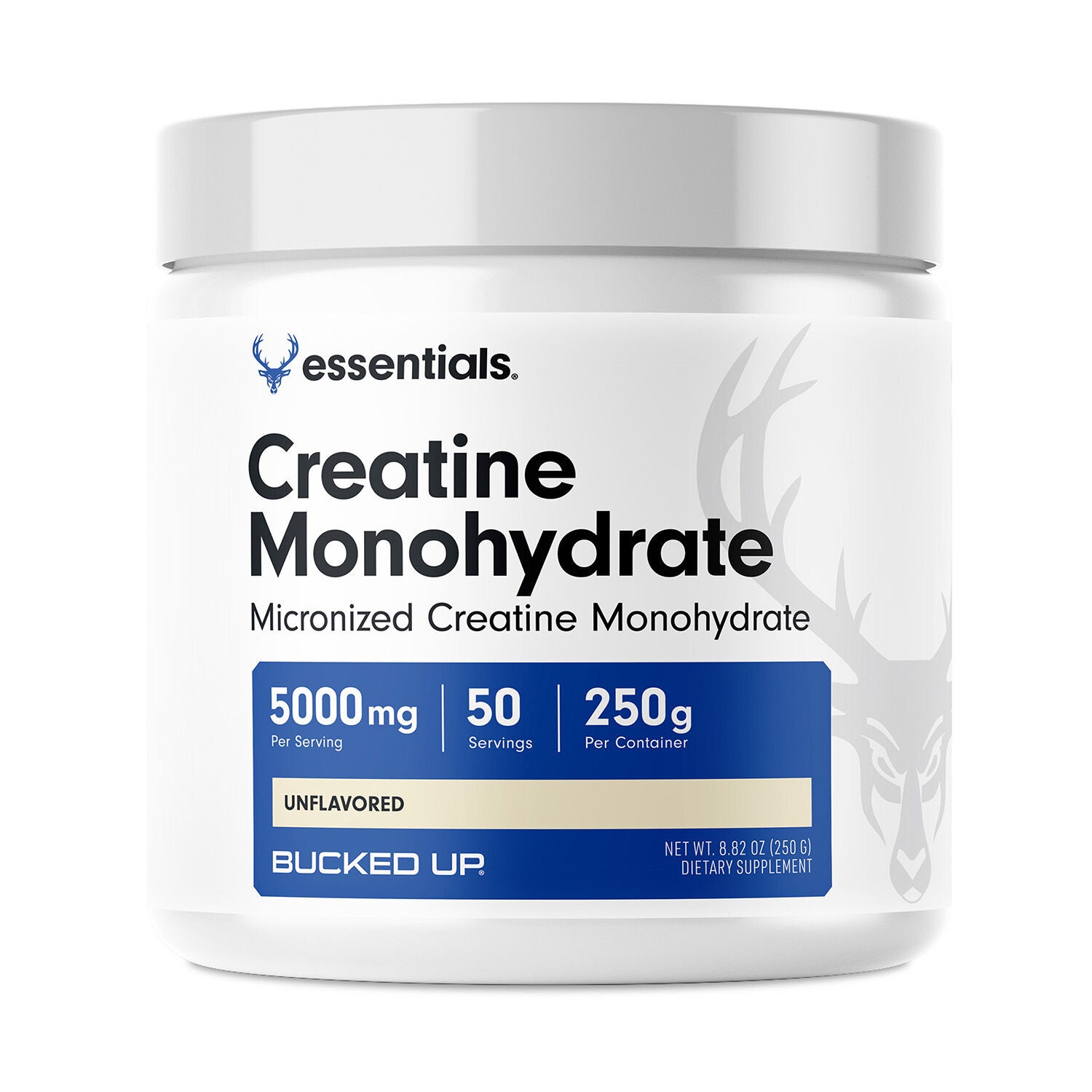
Creatine monohydrate is a foundational option for supporting strength and workout performance—especially helpful when the goal is maintaining or rebuilding lean muscle as you get older.* Several options here provide 5 g per serving of micronized creatine monohydrate, a common daily amount used to support performance and strength outcomes.*
- Strength support: GNC Pro Performance Creatine Monohydrate is described as supporting upper- and lower-body strength outcomes when used as part of a training program.*
- Lean mass support: Product descriptions highlight lean muscle and body composition support when paired with training—an important pairing for aging adults focused on function.*
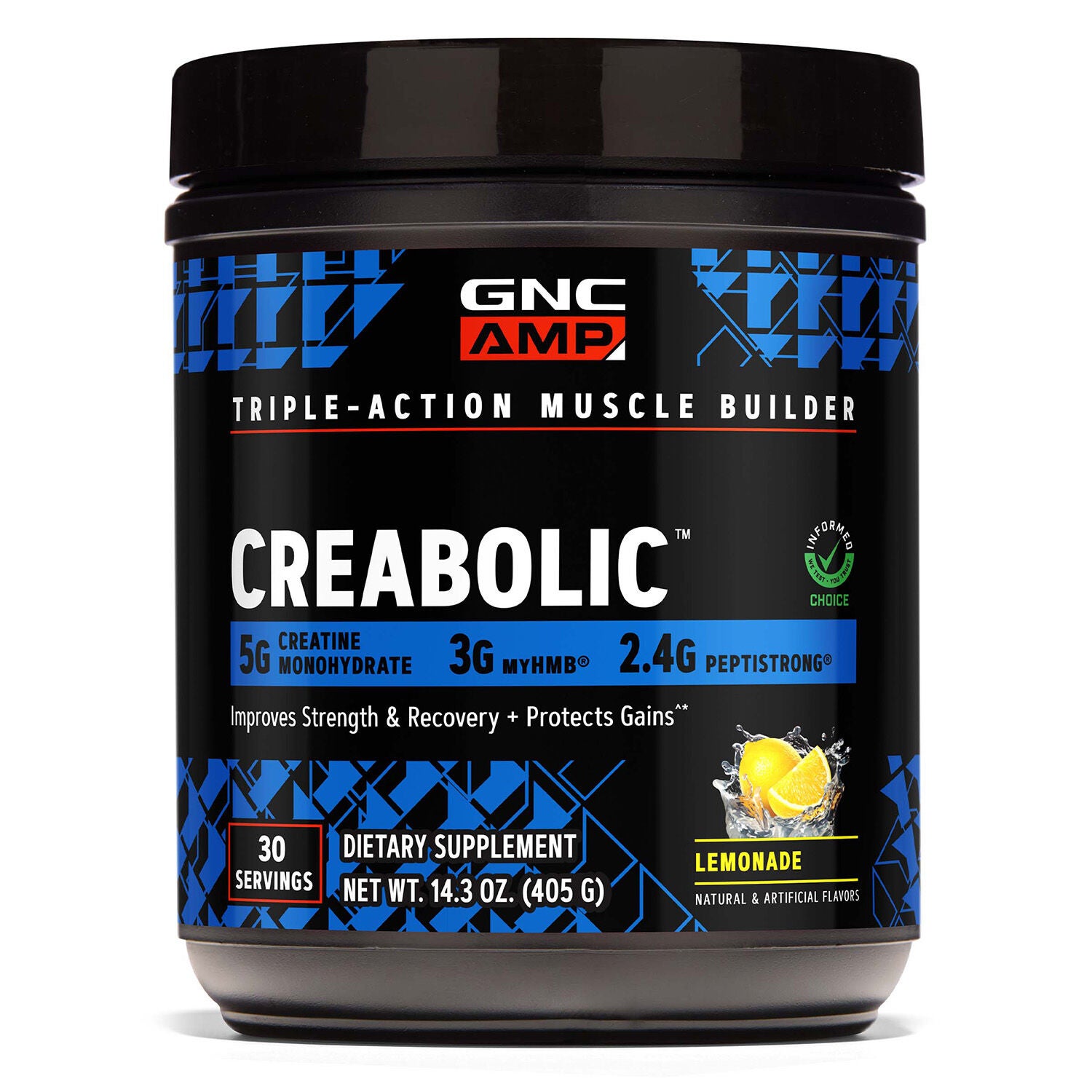
- Recovery support: Options like Creatine Monohydrate + HMB add HMB and are positioned for muscle recovery and endurance support in addition to creatine’s performance role.*
Brain, bone, and cardiovascular: what to expect*
Brain: Creapure® Creatine Monohydrate is positioned to support cognitive function in addition to recovery.* That can look like better mental stamina for training days and busy schedules, but individual results vary.*
Bone: None of the products here make direct bone-support claims. The most realistic pathway is indirect: better strength and training capacity can help you keep up resistance training, which is a key driver of musculoskeletal resilience.*
Cardiovascular: These products are formulated for performance and recovery, not heart-specific outcomes. Use creatine as a training-support tool while keeping cardio work and nutrition as the primary drivers of cardiovascular goals.*
Choosing the right creatine for your goals*
Start by matching the formula to what you want most from supplementation: straightforward strength support, added recovery support, or an option positioned for cognitive support.*
- Keep it simple: If you want a basic, unflavored daily creatine, look for a micronized creatine monohydrate powder with minimal extras—several options in this set fit that approach.*
- Prioritize purity: Creapure® Creatine Monohydrate is described as 99.9% purity and unflavored, making it a clean, easy-to-stack choice.*
- Maximize training support: GNC Pro Performance Creatine Monohydrate is built as a reliable starting point for strength and lean-mass goals with a training plan.*
- Add recovery ingredients: If you want creatine plus additional support for recovery and endurance, consider a creatine + HMB blend.*
How to take it (simple, consistent, sustainable)*
- Daily dose: Most people use 3–5 g per day. Many products here provide 5 g per serving, which fits that common routine.*
- Loading is optional: You can take a steady daily dose; a loading phase isn’t required for everyone.*
- Timing: Use it when you’ll remember—pre- or post-workout both work for consistency. On rest days, take it with a meal or shake.*
- Give it time: Expect a few weeks of consistent use to feel the difference as stores build.*
Smart pairing for aging adults*
Creatine works best when it supports a plan: progressive resistance training, adequate protein, and a routine you can repeat week after week.*
Why shop creatine at GNC
GNC is built for people who take their health seriously and want straightforward tools they can trust. With decades of experience in wellness and performance nutrition, GNC helps cut through the noise with a curated selection of creatine options—simple monohydrate powders, higher-purity choices, and formulas that add recovery support—so you can choose based on your goal, not hype.*
Whether you’re maintaining strength as you get older, returning to the gym after time away, or simply trying to feel more capable in daily life, the right basics matter. Creatine is one of those fundamentals: easy to mix, easy to make consistent, and designed to support the work you’re already putting in.*
GNC is the fuel you need to rise to the challenge—with clear options, disciplined guidance, and products that fit real routines.*