What to look for on a creatine label
To judge creatine quality, start by confirming the formula is creatine monohydrate and that the label clearly states the amount per serving—then check for purity cues and unnecessary add-ins.
1) The form matters: choose monohydrate. It’s the most common format across the options here, including powders and capsules, and it keeps your decision focused on basics: dose, mixability, and ingredient simplicity.
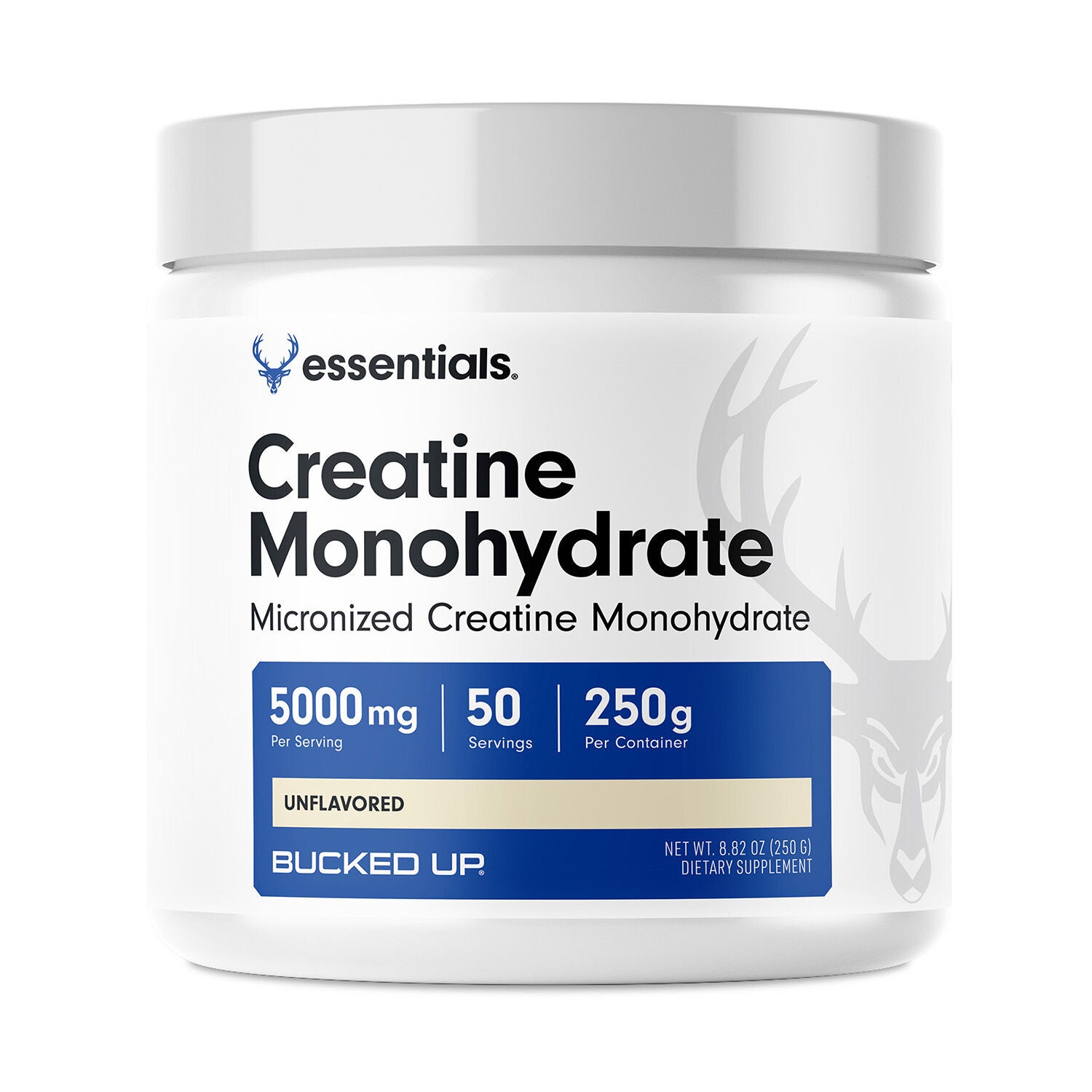
2) Verify the dose is spelled out. Some products list 5 g (5000 mg) per serving (for example, one unflavored Creapure® powder lists 5 g per serving, and several micronized powders list 5000 mg). Capsule formats may list a different amount (for example, GNC Pro Performance® capsules list 3500 mg). What matters is that the dose is explicit and consistent with how you plan to take it.
3) Look for purity and testing signals. Labels that specify purity (such as 99.9% purity) or testing (such as HPLC lab tested for potency) help reduce uncertainty when you’re comparing similar monohydrate products.
4) Keep the ingredient panel tight. If your goal is straightforward creatine, favor options that state no fillers or no additives—especially in unflavored powders where simplicity is easy to confirm.
Step-by-step: evaluate creatine quality in under 2 minutes
- Confirm the ingredient: Look for “creatine monohydrate” on the Supplement Facts or front label. If you’re comparing similar products, keeping the form consistent makes the rest of the decision clearer.
- Check the serving amount: Find the exact dose per serving (commonly listed as 5 g/5000 mg in powders, or a stated mg amount in capsules). Choose what aligns with how you want to measure and take it.
- Scan for purity or verification: Prefer labels that specify purity (for example, 99.9%) or that mention potency testing (for example, HPLC tested). These are concrete, comparable signals.
- Review “other ingredients”: If you want a clean creatine, prioritize products that explicitly state no fillers or no additives. Unflavored, single-ingredient powders make this easiest to validate.
- Decide on mixability vs. convenience: If you mix in water or shakes, consider micronized powders described as mixing easier and staying suspended longer. If you travel or train on the go, capsules can simplify compliance.
- Match the product size to your consistency: Compare servings per container (50, 60, 100, 120 servings are options here). Pick a size that supports your routine without overthinking it.
Use this checklist every time you shop, and you’ll avoid paying for confusion instead of creatine.
Quality isn’t just purity—it’s how it fits your routine
Once you’ve confirmed creatine monohydrate and a clearly stated dose, the next “quality” differentiator is how the product’s format supports consistent use. Consistency is the real advantage of choosing a creatine you’ll actually take day after day.
Powder vs. capsules: pick the form you’ll stick with
- Unflavored powders make it easy to keep your stack simple. Several options in this assortment are unflavored and positioned as single-ingredient creatine monohydrate.
- Micronized powders can be a practical quality cue when mixability matters. For example, Optimum Nutrition’s micronized creatine is described as having smaller particles to mix easier and stay suspended longer in liquid.
- Capsules are a convenience-first choice. GNC Pro Performance® creatine comes in capsules designed for easy, on-the-go use—helpful when you don’t want to measure powder or use a shaker.
“Clean” can be stated—confirm it on the label
If you want a minimalist formula, look for direct statements like 100% creatine monohydrate or no fillers, no excipients, no additives. Those claims make comparison faster when multiple products share the same core ingredient.
Bottom line: the best creatine for you is the one that matches your dosing preference, mixes the way you like, and keeps the label straightforward.
Why shop creatine with GNC
When every label looks similar, shopping gets noisy fast. GNC helps cut through it with a curated selection built around the details that matter—clear dosing, straightforward formats, and products that call out purity or testing where applicable.
Whether you prefer a simple, unflavored powder, a micronized option for easier mixing, or capsules for grab-and-go convenience, you can compare key specs quickly and choose with confidence.
GNC is here to fuel your everyday effort—so you can stay disciplined with your routine and keep moving toward your next goal, one serving at a time.