Bulk vs premium creatine: the real trade-offs
Buying bulk or store-brand creatine typically wins on simplicity and “set-it-and-forget-it” supply, while premium options tend to win on format choice, formula design, and how clearly quality is communicated. If you just want creatine as a basic daily staple, bulk can make sense. If you want creatine that’s easier to take, flavored, or built into a more advanced performance stack, premium products can be a better fit.
One big differentiator is what you’re actually getting beyond creatine. Some premium options stay close to the classic ingredient, but deliver it in more convenient ways—like chewable formats. Others go further with combinations designed for training support. For example, GNC AMP Creabolic™ pairs creatine monohydrate with HMB and PeptiStrong® protein hydrolysate, moving it from a single-ingredient staple into a more intentional, multi-ingredient formula.
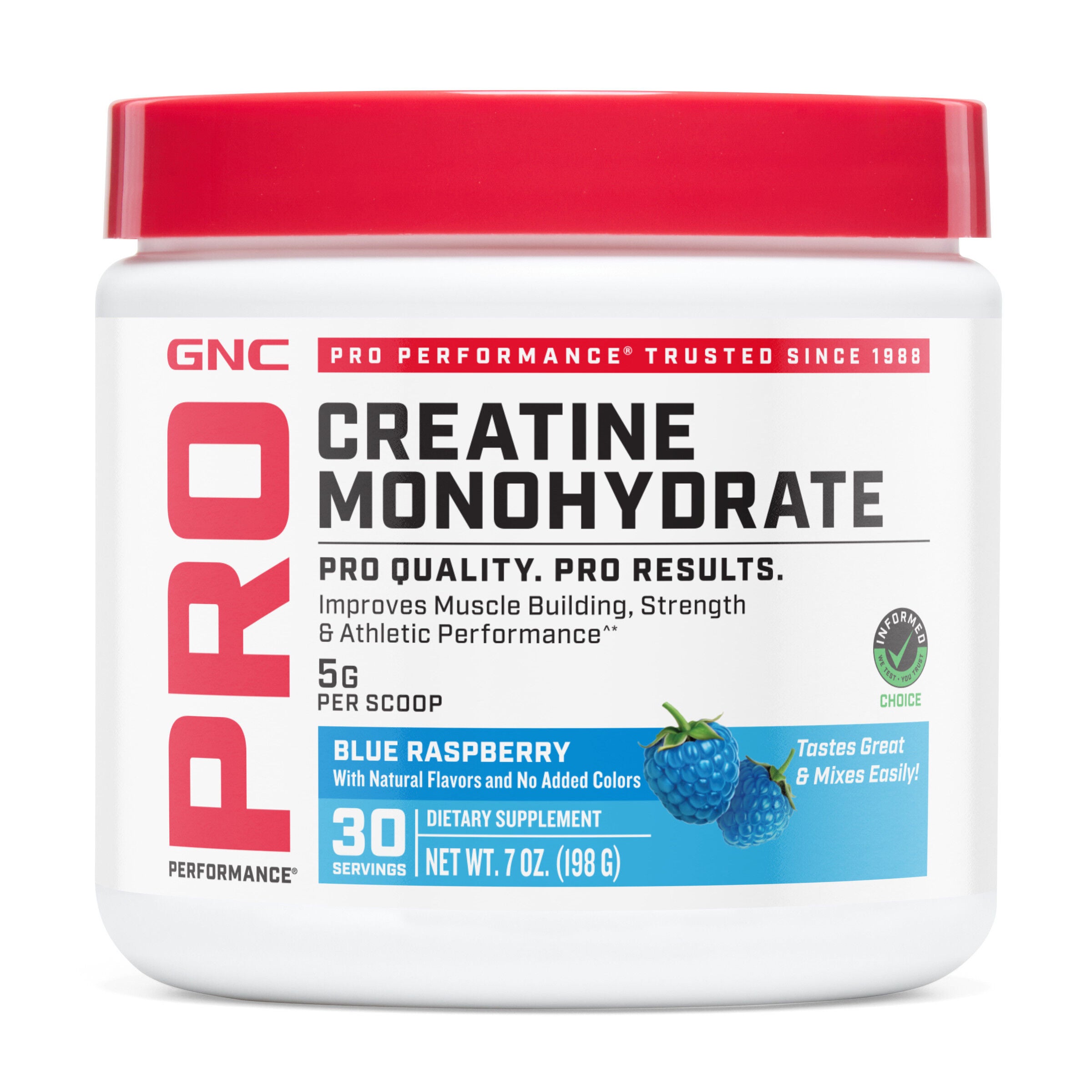
Quality signals also matter. GNC Pro Performance Creatine Soft Chews are described as naturally flavored and supported by rigorous third-party testing for purity and potency. That kind of transparency can be harder to confirm when you’re buying whatever bulk tub happens to be available.
Bottom line: bulk is about volume and convenience of stocking up; premium is about dialing in the experience—testing, taste, and whether you want creatine alone or as part of a more advanced approach.
Side-by-side: what “premium” can add vs bulk basics
Bulk/store-brand creatine is usually about one thing: getting a lot of creatine in a simple powder. Premium brands often compete on how you take it, which creatine forms are used, and whether the formula includes additional performance-support ingredients.
Key dimensions to compare
- Formula complexity: Basic options tend to be single-ingredient. Premium can range from straightforward creatine monohydrate (like chew tabs built around creatine monohydrate) to more layered blends (like creatine combined with HMB and PeptiStrong® protein hydrolysate).
- Creatine forms: Some products stick to creatine monohydrate; others use multiple forms. For example, Beyond Raw Creatine MonoPhate includes creatine monohydrate plus creatine phosphate.
- Absorption support: Certain premium options include added ingredients positioned to support nutrient uptake, such as AstraGin® (noted in some chew and powder formats) or Astragin® in the multi-creatine blend.
- Convenience & taste: Premium frequently offers flavored powders and chewable formats—useful if you dislike mixing or want a more enjoyable daily routine.
- Quality communication: Some products explicitly call out third-party testing for purity and potency, which can be a deciding factor when you want clearer quality signals.
When you compare, focus less on the label tier and more on what supports your consistency and your training plan.
How to choose: bulk value or premium precision
Start with one question: Are you trying to keep it basic, or build a more targeted routine? Creatine can be a straightforward daily add-on, but the “right” version depends on how you train and how consistent you’ll be with taking it.
Pick based on your routine (not hype)
- If you struggle with consistency: a chewable format can remove the mixing step. Options like Creatine Soft Chews or Animal Creatine Chews are built for grab-and-go use.
- If you want a flavored powder: a product like Beyond Raw Creatine MonoPhate offers a taste-forward approach versus an unflavored bulk powder.
- If you want a more advanced formula: consider a blend that pairs creatine with additional training-support ingredients, like Creabolic™ with HMB and PeptiStrong® protein hydrolysate.
Use a simple checklist before you commit
- Ingredient clarity: look for a clear creatine form (or forms) listed.
- Quality signals: prioritize products that call out third-party testing for purity/potency when that matters to you.
- Format fit: powder vs chews—choose what you’ll actually take consistently.
Bulk can be fine for a no-frills plan. Premium can be worth it when it helps you stay consistent or better matches your training goals.
Why shop creatine at GNC
Big goals are built on daily discipline—and GNC is here to fuel that effort with options that make choosing simpler. Instead of getting stuck between “cheap” and “expensive,” you can shop by what actually matters: format, formula, and quality cues.
Whether you want an approachable starting point like GNC Pro Performance formats, or you’re ready for a more advanced approach through GNC AMP, you can build a creatine routine that fits your training style. Prefer a convenient chew? Want a flavored powder? Looking for a stacked formula that pairs creatine with additional ingredients? It’s all here—curated so you can spend less time comparing tubs and more time putting in the work.
Fuel your next phase with intention—and keep your routine moving forward.