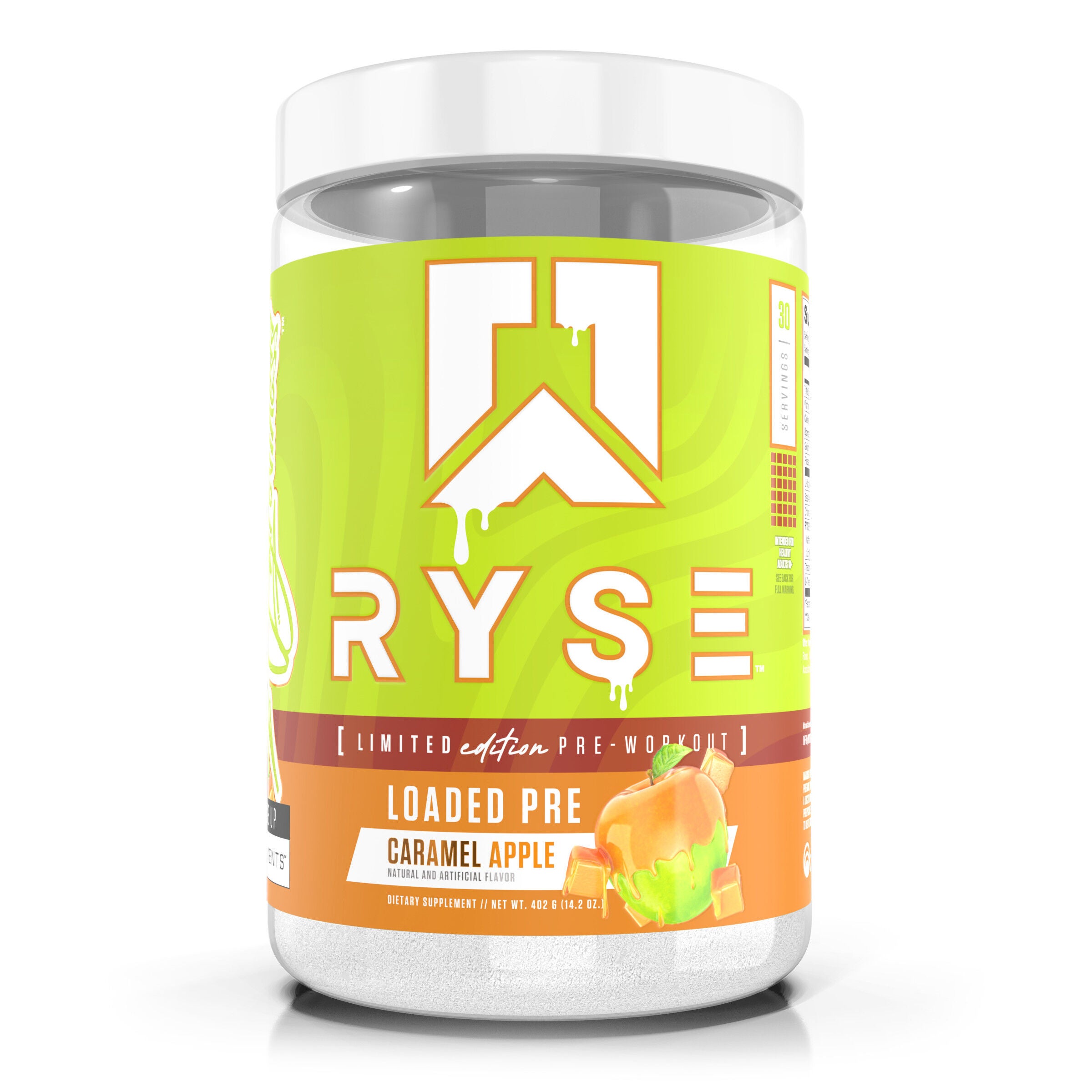
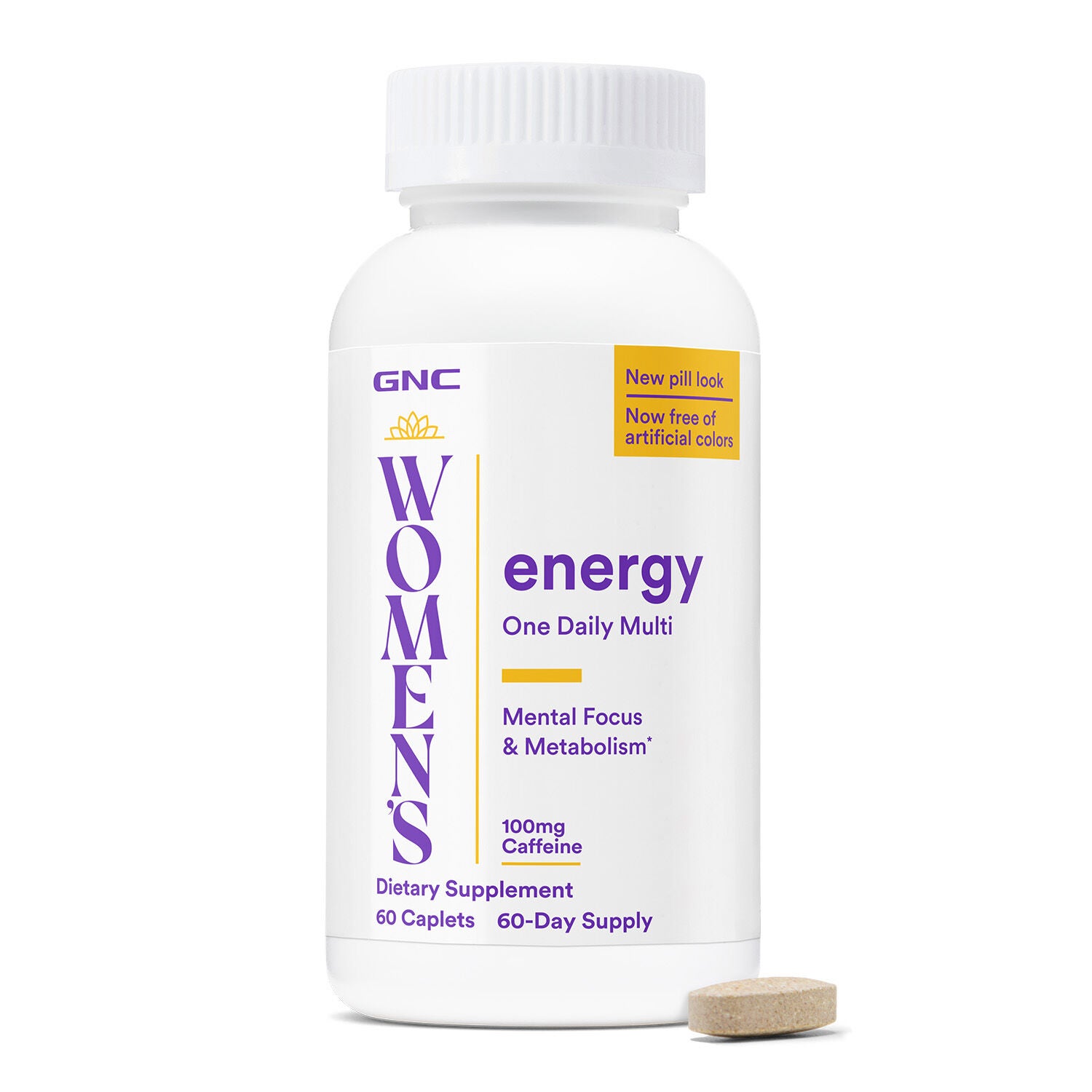
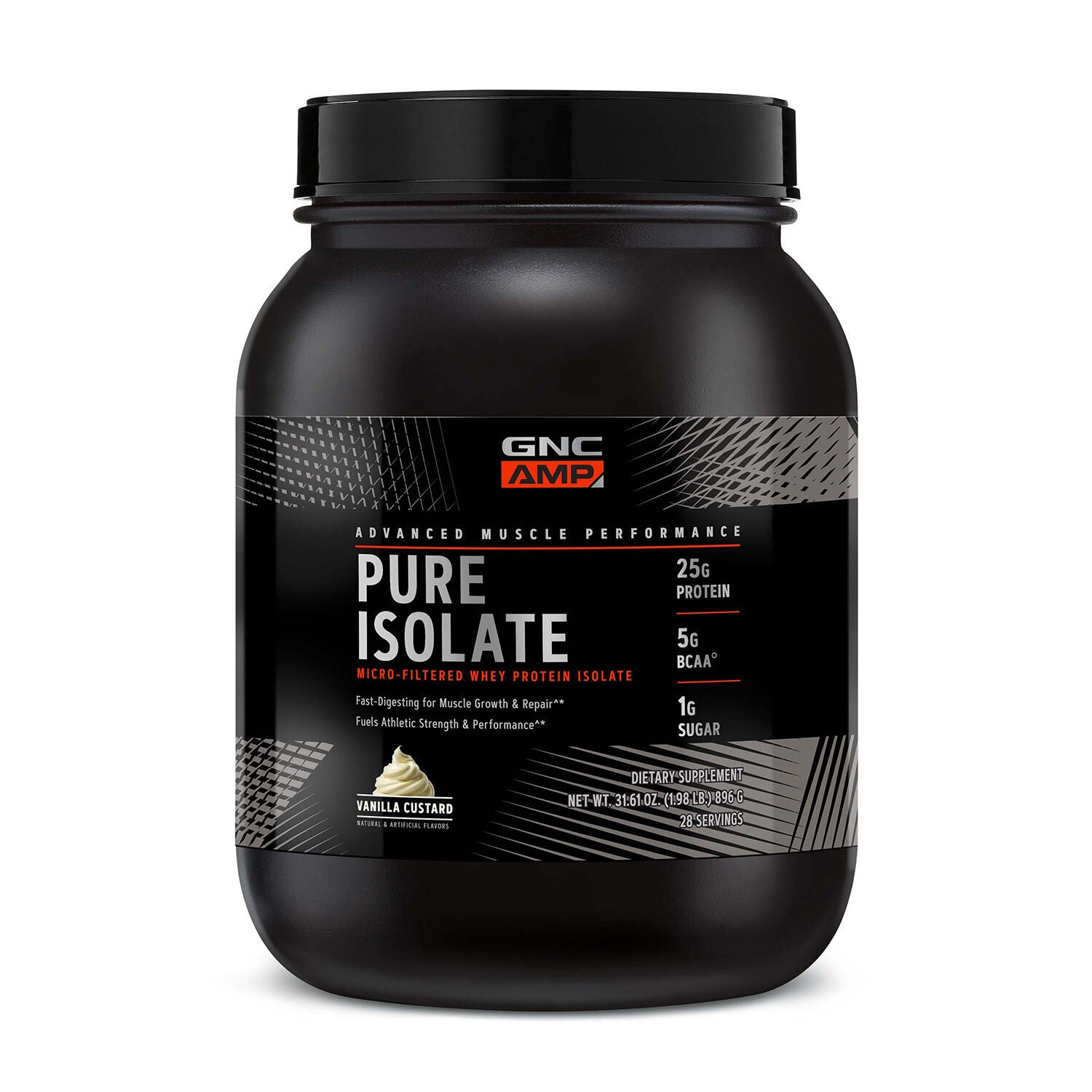
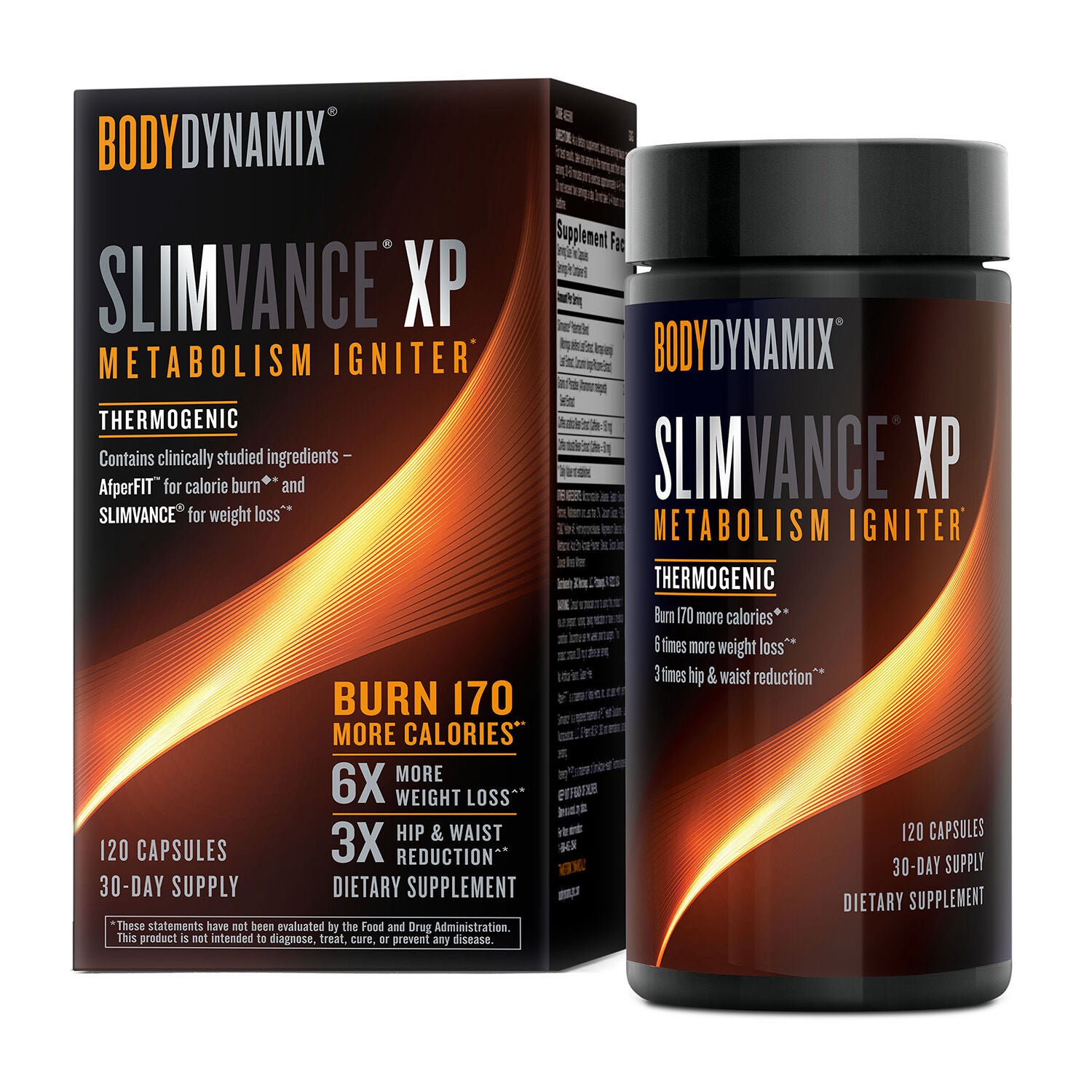
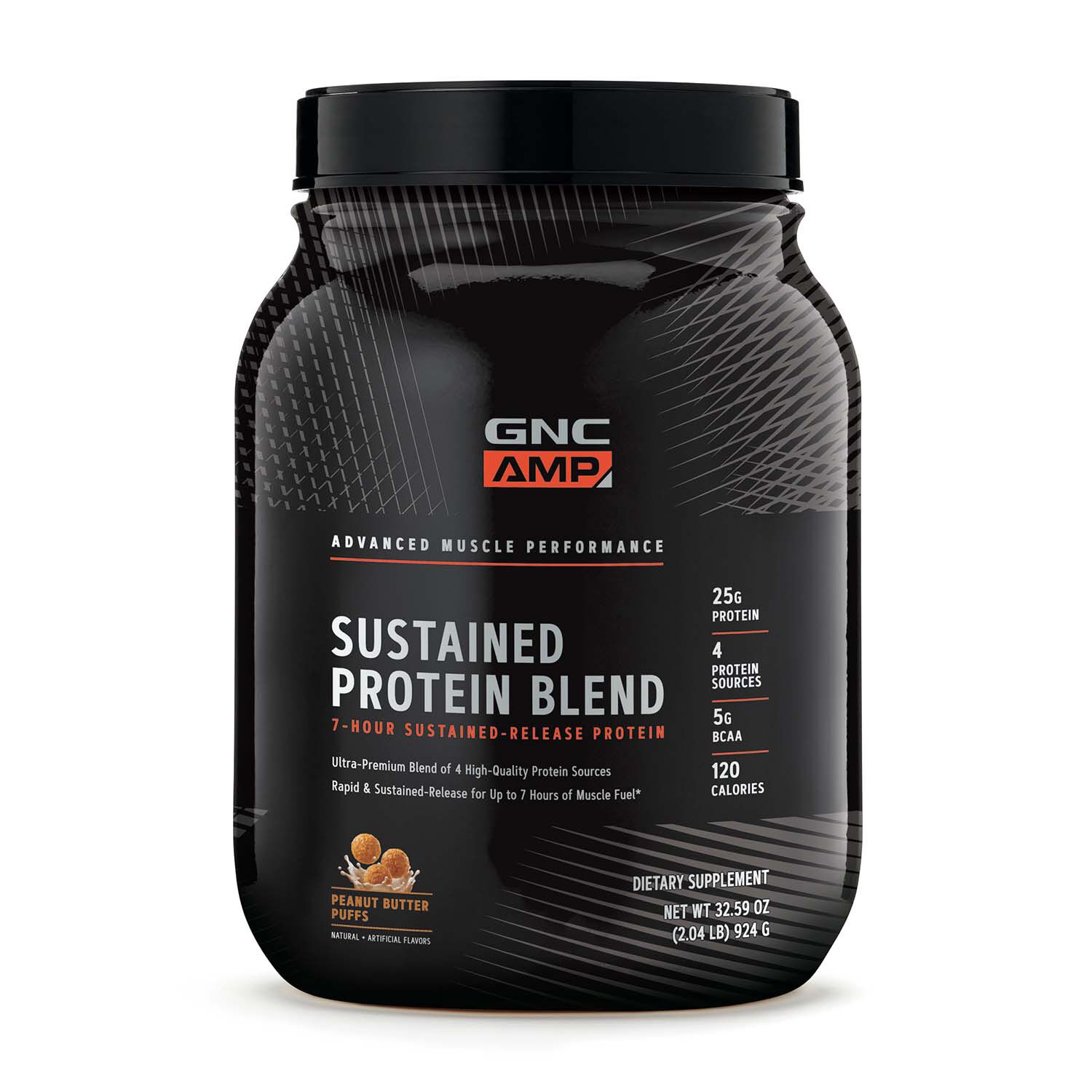
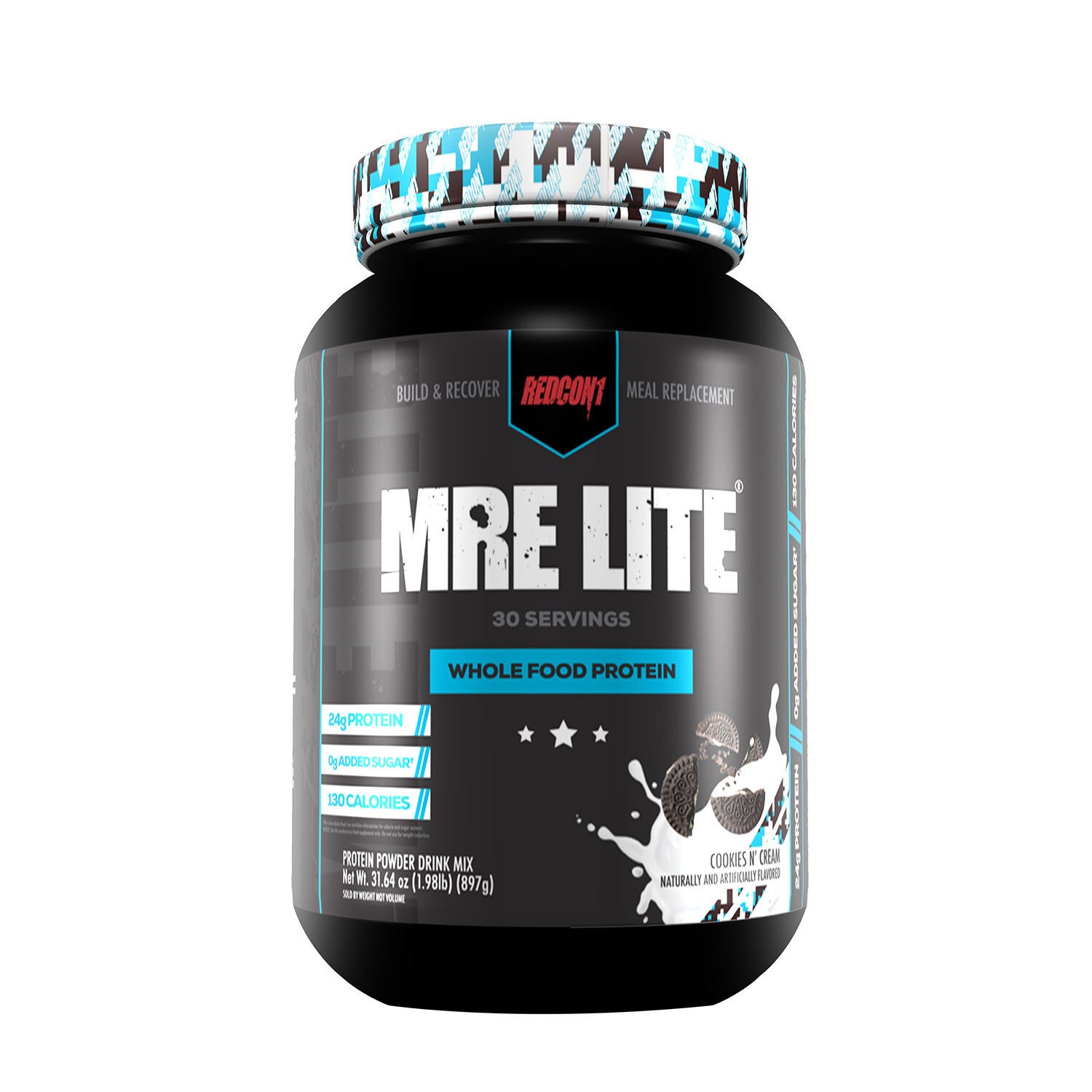
The best protein powders for weight loss are the ones that deliver a lot of protein for relatively few calories, keep you satisfied between meals, and are easy to use consistently—most often whey-based blends, whey isolate, or whole-food meal-replacement style proteins with low added sugar.
At GNC, we see the most success when people pick a protein that matches how they actually live: something that tastes good, mixes easily, and fits their routine (breakfast, post-workout, or an afternoon “save me from snacking” moment). When that’s dialed in, hitting your protein target gets simpler—and your overall plan feels more sustainable.
Quick rule of thumb: compare products by protein-per-calorie and added sugar. If two options are similar in protein, the one with fewer calories and less added sugar is usually the better “cut-friendly” fit.
How do you choose a protein powder for weight loss (without overthinking it)?
Start by choosing a protein that helps you do two things well: stay full and stay on plan.
1) Prioritize protein-per-calorie. If you’re aiming to reduce calories, you want each scoop to “buy” you as much protein as possible. That usually means products in the ~120–160 calorie range with 20g+ protein per serving can be a strong starting point.
2) Keep added sugar low. Many people do best with no added sugar or very minimal added sugar. This helps you keep your daily calories and macros predictable.
3) Decide what role you need it to play.
- If you need a simple add-on to breakfast or a snack: choose a straightforward protein powder.
- If you need something that feels more like a mini meal: a whole-food style protein can be easier to stick with on a calorie-controlled plan.
4) Pick a flavor you’ll actually use. Consistency beats the “perfect” label every time. A protein you enjoy is the protein you’ll take.
GNC’s role is to make the decision easier—so you can spend less time comparing and more time building daily wins.
Which type of protein powder is best for weight loss goals?
The “best” type depends on what you struggle with most: hunger, convenience, or keeping macros consistent.
Whey-based blends (whey + casein + egg) for staying power. Blends can digest at different speeds, which many people like for appetite control between meals. If you tend to get hungry quickly after a shake, a blend may feel more satisfying.
Whole-food meal-replacement style powders for dieting structure. If you’re cutting calories and want something that feels more like food—without a lot of extra sugar—whole-food proteins can be a practical tool. Options like MRE Lite® Whole Food Protein deliver solid protein with a more “meal-like” profile, which can help you stay consistent when your schedule is busy.
Ready-to-drink shakes for on-the-go consistency. If mixing is the barrier, a grab-and-go shake can remove friction. The best option is the one that makes it easiest to hit your protein target day after day—especially on the days you don’t feel like trying.
At GNC, we’re big on matching the formula to your routine, because the right fit is what keeps you moving forward.
What should you look for on the label when cutting calories?
When weight loss is the goal, the label is less about hype and more about trade-offs.
Calories vs. protein: The cleanest comparison is protein-per-calorie. If one scoop gives you similar protein for fewer calories, that’s usually the more “cut-friendly” choice.
Added sugar: Lower added sugar helps keep your daily intake more predictable. Some shakes also highlight “no added sugars,” which can be helpful if you’re trying to simplify decisions.
Serving size and servings per container: This is where consistency lives. If you love the taste but the serving size pushes calories up fast, it’s harder to fit into a calorie-controlled plan.
Mixability and taste: Not a label line—but it matters. If you dread drinking it, it won’t become a habit. Pick the option you can confidently use 4–7 days a week.
GNC’s approach is simple: choose the product that makes the next right step easy—and repeat it.
When is the best time to take protein for weight loss?
The best time is the time that helps you hit your daily protein target without adding unnecessary calories later.
Morning: A protein shake at breakfast can be a strong move if mornings are rushed or you tend to start the day low on protein.
Midday: If afternoons are when snack cravings hit, a shake can be a structured option that keeps you moving toward your goals.
Post-workout: After training, protein is a straightforward way to support recovery and keep your plan consistent—especially if you’re busy and don’t want to overcomplicate your next meal.
If you’re choosing between “perfect timing” and “perfect consistency,” always choose consistency. That’s the lever that makes results more repeatable.