Creatine may support neurological benefits by helping the brain produce and use energy more efficiently—an effect that can matter when you’re mentally taxed, short on sleep, or pushing long, demanding days.
How can creatine support brain energy and cognitive performance?
Your brain is an energy-hungry organ, and creatine is part of the body’s “rapid energy” system. In the body, creatine helps recycle ATP (the cell’s main energy currency). That’s the same reason creatine is popular for lifting and sprinting—but the same energy logic applies in the nervous system.
What this can look like in real life is less about a “buzz” and more about dependable output. Some research suggests creatine can help support certain aspects of cognitive performance—especially in situations where energy demand is high (think intense studying, long workdays, travel, or being under-rested).
At GNC, we like creatine for one simple reason: it’s straightforward. It’s not a complicated “mystery blend” story—it’s a well-known ingredient that supports energy production during high-intensity effort, and that energy-first foundation is why it’s also being discussed for brain performance.*
A practical takeaway: if you’re exploring creatine for cognitive support, consistency tends to matter more than timing. Keeping a daily routine is often the difference between “I tried it” and “I noticed a steady baseline.”
Could creatine affect sleep quality?
Creatine isn’t a stimulant, and it doesn’t “act like caffeine.” For many people, that’s the point: it’s designed to support energy availability for performance without the wired feeling.
That said, sleep is personal—and timing can matter. Some people prefer creatine earlier in the day simply because it becomes part of a morning routine (and routines are easier to stick with). Others take it after training. The good news: the research-backed approach to creatine is typically about daily consistency rather than a precise “bedtime window.”
If you’re sleep-focused, keep it simple:
- Start with a steady daily dose and give it time to become a habit.
- Avoid stacking with high-caffeine pre-workouts late in the day if sleep quality is a priority.
- Hydration matters—not because creatine is “dehydrating,” but because performance and recovery routines tend to work better when hydration is handled.
GNC’s approach is disciplined and practical: choose a format you’ll actually take (powder vs. capsules), keep it consistent, and let the routine do the heavy lifting.
What kinds of cognitive benefits are people looking for with creatine?
Most interest in creatine for cognition comes down to one theme: maintaining mental output when life gets demanding. People aren’t usually looking for a dramatic “before/after” feeling—they’re looking for fewer dips in focus when stress, workload, and training all stack up.
Research discussions often center on areas like:
- Mental performance during high demand (when the brain’s energy needs spike)
- Short-term memory and processing in certain contexts
- Perceived mental stamina on long days
It’s important to keep expectations realistic. Creatine isn’t a replacement for sleep, food, or a structured routine. But as a foundational supplement, it can fit neatly into a plan that’s already built around consistent training, protein intake, and recovery.
That’s why GNC tends to recommend creatine as a “base layer” supplement: it’s simple, it’s widely used, and it supports the kind of repeatable effort that adds up over weeks—not just one session.*
Pick the creatine format you’ll actually take
Powders are easy to mix into water or shakes. Tablets/capsules keep routines simple on travel days.
How do you use creatine for brain-focused goals without overcomplicating it?
The most reliable creatine routine is the one you can repeat. If you’re taking creatine with an eye on cognitive support (not just training), think “daily baseline,” not “perfect timing.”
A disciplined approach looks like this:
-
Choose one product and stick with it. Switching formats every few days makes it hard to know what’s working for your routine.
-
Take it daily. Creatine is commonly discussed in terms of building and maintaining levels over time.
-
Pair it with your day’s anchor habit. Morning water, post-workout shake, or lunch—whatever is most consistent.
-
Keep your stack clean. If sleep quality is your north star, keep late-day stimulants out of the equation.
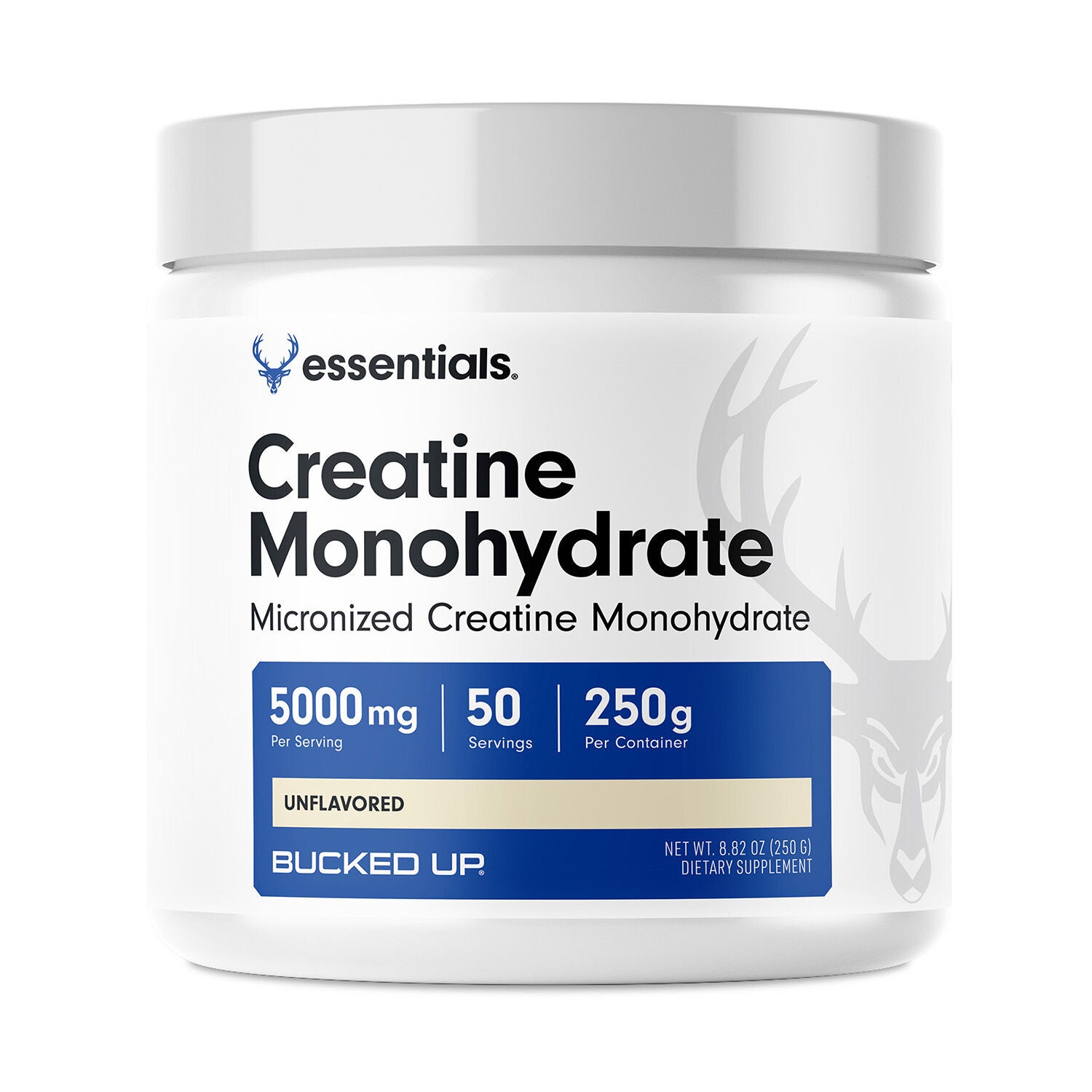
GNC Pro Performance Creatine Monohydrate is a straightforward option when you want “no drama” supplementation: micronized powder, easy to mix, and built for consistency.*