What to look for first
Choose a high-quality creatine by prioritizing purity (a straightforward creatine form and minimal extras), mixability (powder texture and how you prepare it), and tolerance (dose size, timing, and avoiding common triggers). Creatine monohydrate is the most established option in sports nutrition, so it’s a smart baseline when comparing labels.
Purity: the label should be boring (in a good way)
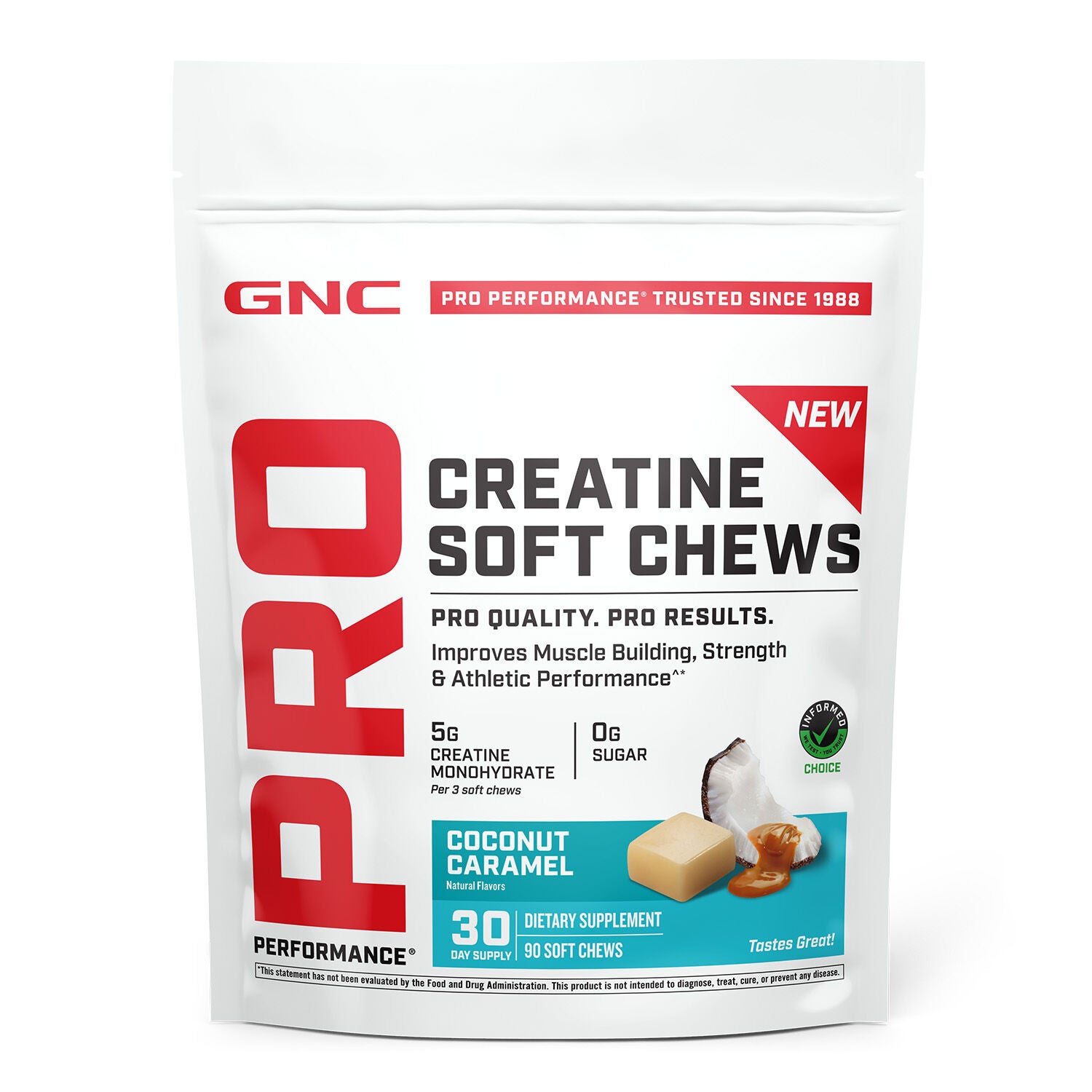
Start with the ingredient panel. The cleanest options typically keep the formula tight—especially if you prefer to control flavor and add-ons separately. If you see a product positioned as “rigorously third-party tested,” that’s a meaningful quality signal (for example, GNC Pro Performance® Creatine Soft Chews note third-party testing for purity and potency). When a formula blends multiple actives, make sure you actually want the extras—not just the marketing.
Tolerance: make consistency easy
Creatine works best when you can take it consistently. A practical approach is 3–5 g per day. If you’re sensitive to larger single servings, try splitting the total into smaller doses and taking it with meals and plenty of fluids. If chewables or flavored options don’t sit well for you, look for simpler ingredient lists and avoid products with lots of sweeteners, sugar alcohols, or heavy flavor systems. Also watch for stacked formulas that include other performance ingredients if you’re trying to keep things gentle.
Mixability: preparation matters more than hype
Powders vary in how they dissolve. Micronized creatine monohydrate (smaller particle size) generally mixes more smoothly than coarse powders, and warm water can help reduce grit. A shaker bottle can improve dispersion, but even a spoon works if you add liquid first, then powder, and stir thoroughly. If you want maximum flexibility, an unflavored powder is often easiest to blend into water or a simple beverage without adding extra ingredients.
Why creatine is a staple
Creatine is one of the most researched sports supplements, trusted for helping muscles work harder during training and supporting strength and muscle-building goals over time. If your focus is performance, the biggest “benefit lever” is still the same: take the right daily amount consistently, then let your training do the rest.
Pick the delivery that matches your routine
- Chews for convenience: If you dislike mixing powders or want something travel-friendly, chew formats can simplify compliance. GNC Pro Performance® Creatine Soft Chews are naturally flavored and note rigorous third-party testing for purity and potency.
- Powders for control: Powder options let you choose how you mix and when you take it. If you prefer flavored creatine, options like BEYOND RAW® Creatine MonoPhate (Blue Raspberry) exist; just remember that added flavors and additional ingredients can be a tradeoff if you’re trying to keep the formula minimal.
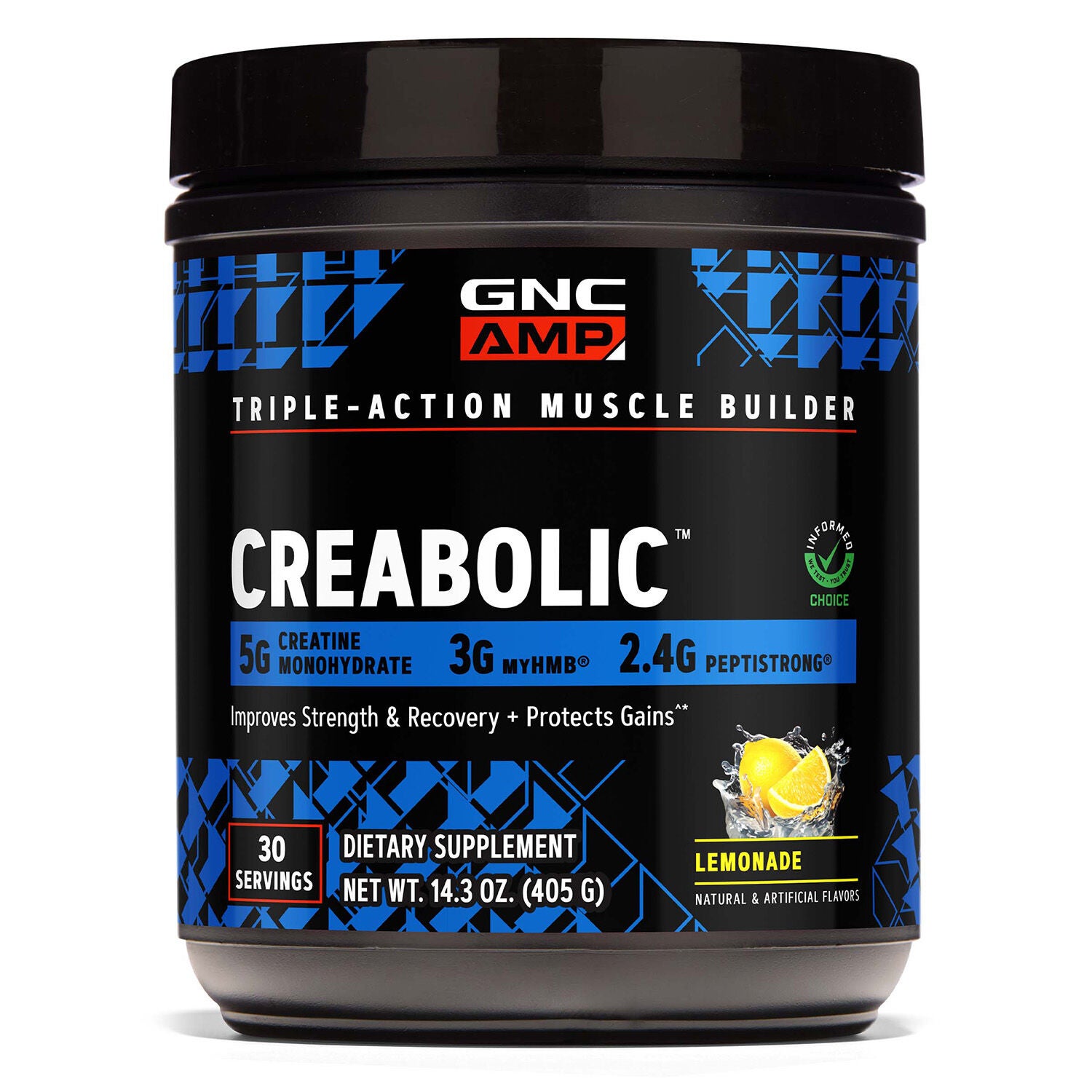
- Stacks for advanced goals: If you want creatine plus additional performance-support ingredients in one scoop, GNC AMP Creabolic™ combines creatine monohydrate with HMB and a protein hydrolysate (PeptiStrong®). This is best for shoppers who specifically want a multi-ingredient approach rather than a single-ingredient creatine.
A note on “absorption” add-ons
Some products include ingredients positioned to support uptake (for example, AstraGin® appears in BEYOND RAW® Creatine MonoPhate and Animal Creatine Chews). These may be appealing, but they’re not required to get value from creatine. If you’re deciding between options, prioritize the creatine form, the daily dose you’ll actually take, and a formula you tolerate—then consider add-ons as optional, not essential.
Step-by-step checklist for purity
- Start with creatine monohydrate as your benchmark. It’s the classic, widely used form and a practical default for comparing products.
- Scan for quality signals. Look for clear testing language (third-party tested) and, when available, certifications or manufacturing standards shoppers often seek (e.g., GMP, NSF, Informed Choice/Informed Sport) and an accessible COA. If those aren’t listed, keep the formula simple and buy from retailers that curate and vet their assortments.
- Check for fillers you don’t want. If your priority is purity, choose a minimal ingredient list and be cautious with heavy flavor systems, multiple sweeteners, or extra performance blends unless you truly want them.
Mixability: how to get a smoother shake
- Choose texture wisely: Micronized monohydrate (smaller particles) typically mixes easier than larger-grain powders.
- Use temperature to your advantage: Dissolve in warm water first, then add cold water or ice if you prefer.
- Shaker vs. spoon: A shaker bottle helps suspend particles; with a spoon, add liquid first, then sprinkle powder in while stirring to reduce clumps.
- Consider unflavored: Unflavored powders can be easier to blend into simple drinks without extra ingredients that may affect taste or feel.
Tolerance: build up with a disciplined routine
If you’re new to creatine—or restarting—aim for 3–5 g per day. If you notice discomfort with larger single servings, split the daily total into smaller portions and take it with meals and adequate fluids. If you’re sensitive to sweeteners, be cautious with chewables or strongly flavored options that may use sugar alcohols or multiple additives. If you also use pre-workouts, consider keeping creatine separate so you can better identify what your body responds to.
Why shop creatine with GNC
Big goals are built on daily habits—and the right creatine should make that habit easier, not more complicated. GNC is here to help you choose with confidence by focusing on what matters: clear labels, quality signals like third-party testing when stated, and options that fit different routines—from no-mix chews to powders and advanced stacks.
Whether you want a straightforward creatine monohydrate approach or a formula that combines creatine with additional performance ingredients, you can compare formats and make an intentional choice based on purity, mixability, and how you feel taking it. When questions come up, GNC’s long-standing focus on wellness and performance nutrition keeps the guidance practical and grounded—so you can stay consistent and keep moving forward.
GNC is the fuel you need to rise to the challenge.