What ingredients are in GNC brand protein powder?
A clear look at what’s typically inside—and how to read the label fast.
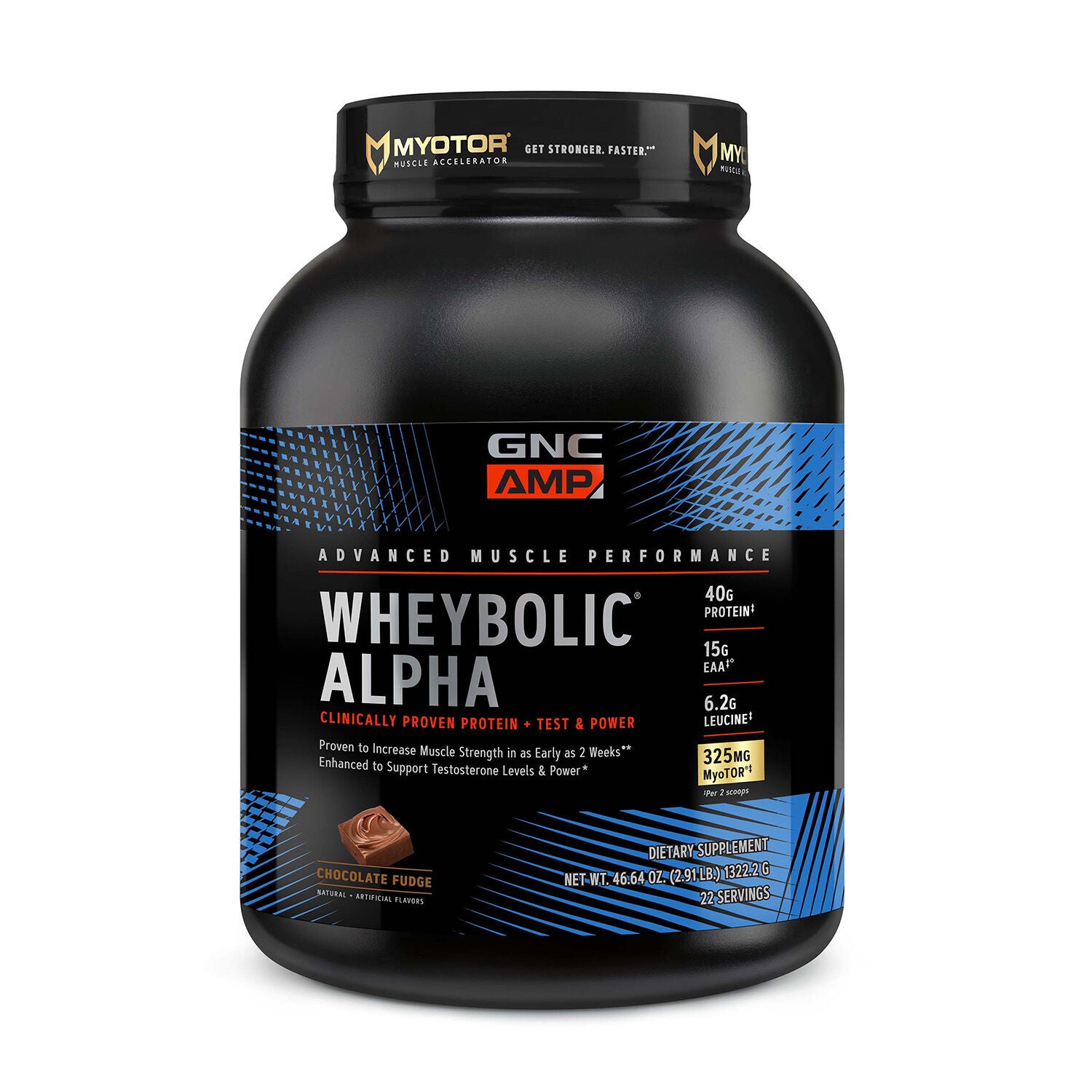
GNC brand protein powders typically include a protein source (like whey isolate/concentrate, casein, egg protein, or blends) plus flavoring, sweeteners, and mixing aids—and the exact ingredient list depends on the specific product and flavor.
What ingredients are usually in GNC protein powder?
Most GNC protein powders are built from the same core “building blocks,” even though the exact wording and order can change from tub to tub.
1) The protein base (the main ingredient) This is the foundation of the formula. Depending on the product, you’ll usually see one (or a blend) of:
- Whey protein isolate (often chosen for purity and a cleaner macro profile)
- Whey protein concentrate (often used for a creamy taste and value)
- Milk proteins like micellar casein (slower-digesting)
- Egg white protein (commonly used in blends)
2) Flavor system (what makes it taste like “Vanilla,” “Chocolate,” etc.) Flavored protein powders commonly include ingredients that build the flavor experience, such as natural and/or artificial flavors and cocoa (for chocolate varieties).
3) Sweeteners (to keep sugar low while keeping flavor high) Many protein powders rely on high-intensity sweeteners, sugar alcohols, or other sweetening agents depending on the formula. The type and amount can vary a lot by flavor.
4) Mixing and texture helpers (so it shakes smoothly) To reduce clumping and help the powder disperse, it’s common to see ingredients like emulsifiers and flow agents. These don’t change the protein source—but they can change the mixability and mouthfeel.
Quick tip to confirm what’s in your specific tub
Ingredient lists are always listed in descending order by weight. If you want the fastest read:
- Check the first 1–3 ingredients to confirm the protein base.
- Scan for any dietary preferences called out on the label (for example, whether a product is described as gluten free or soy free).
- If you’re comparing two GNC protein powders, compare the first 5–8 ingredients—that’s usually where the meaningful differences live.
If you share the exact product name and flavor, it’s easy to walk line-by-line through the ingredient panel and explain what each one does.
Which protein sources show up most often in GNC protein powders?
The most common “what am I actually drinking?” question comes down to the protein source.
Whey-based proteins are widely used because they’re versatile: they blend easily, work well post-workout, and fit a lot of nutrition styles. In a label, you’ll usually see whey protein isolate and/or whey protein concentrate.
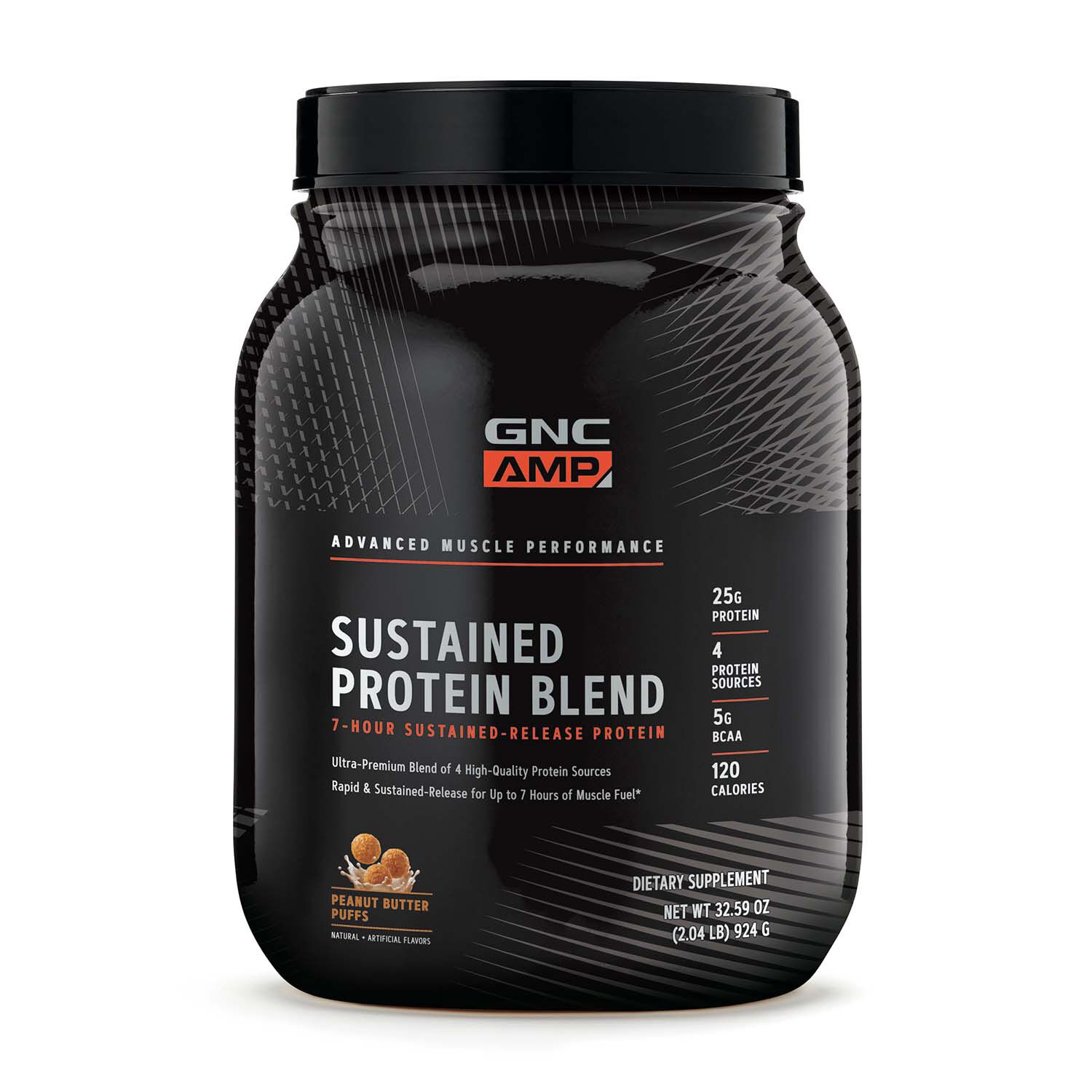
Blended proteins combine different sources so you get a more layered digestion profile and texture. For example, some advanced blends can include native whey isolate, micellar casein, egg whites, and whey hydrolysate—four distinct sources used together for both rapid and sustained protein delivery.
How to choose the right source (ingredient-first):
- If you want a simpler, “cleaner” foundation, look for products where whey isolate is listed first.
- If you care most about taste and creaminess, formulas that include whey concentrate and/or casein may feel richer.
- If you prefer a time-release style blend, look for labels that clearly call out multiple sources (for example: isolate + casein + egg).
GNC offers options across these styles, so the best fit is usually the one that matches your routine and the ingredient list you feel good about.
What “other ingredients” are there besides protein—and why are they included?
Even when the goal is “just protein,” most powders include a small supporting cast so the product tastes good, mixes well, and stays consistent from scoop to scoop.
Flavor ingredients are there to make daily use sustainable. Chocolate flavors often lean on cocoa notes; dessert flavors may include a more complex flavor system to deliver that “milkshake” feel.
Sweeteners keep sugar lower while still tasting like something you’ll want tomorrow. Different formulas may use different sweetener systems, so if you’re comparing two tubs, this is one of the most important places to look.
Mixability/texture helpers support a smooth shake and a consistent scoop. If you’ve ever tried a protein that clumps, sinks, or feels gritty, you’ve seen what happens when these aren’t dialed in.
The takeaway: “other ingredients” aren’t automatically a red flag—they’re often the difference between a powder you finish and one that collects dust. The key is making sure the full ingredient list aligns with your preferences.
How do you read a GNC protein powder label if you’re comparing options?
Start with the label like a checklist and you’ll get clarity fast.
Step 1: Identify the protein base Look at the first line. If you see whey isolate first, you’re generally looking at a more “protein-forward” foundation. If you see a blend (multiple sources), the formula is built for a different experience—often a mix of immediate + sustained release.
Step 2: Check the “free from” callouts you care about Some formulas explicitly call out things like gluten free, no soy, or no artificial colors. Use those callouts as your quick filter before reading every line.
Step 3: Compare the flavor system Two products can have the same protein source but taste completely different based on flavor ingredients and sweeteners. If taste matters, don’t skip this.
Step 4: Make sure the product matches your routine A simple whey isolate can be a daily driver. A sustained-release blend can be a strategic choice when you want longer-lasting support between meals or later in the day.
If you want, share two product names you’re deciding between, and this can be narrowed down to the differences that actually matter.
Frequently asked questions about ingredients in GNC protein powder
Is every GNC protein powder made from whey? No. While many GNC protein powders use whey (often isolate and/or concentrate), some formulas are blends that can include other sources like micellar casein and egg whites. The fastest way to confirm is to check the first 1–3 ingredients—those will tell you what the protein base is.
Why do some GNC protein powders use a blend instead of a single protein? Blends are designed for a different experience than a single-source powder. A blend can combine rapid-release proteins with slower-digesting proteins, which can be useful if you want a more sustained feel between meals or later in the day. It can also change texture and creaminess.
Do GNC protein powders include sugar? It depends on the specific product and flavor. Some options are formulated to keep sugar low, while others may include small amounts depending on the flavor approach. Check the Nutrition Facts for sugar grams, then review the ingredient list for the sweetener system used.
What ingredients help protein powder mix smoothly? Many powders include mixing/texture helpers (often emulsifiers or flow agents) to reduce clumping and improve consistency. If you’ve ever had a shake that foams too much, clumps, or feels gritty, these ingredients are usually what separates “hard to mix” from “easy to shake.”
How can you tell if a protein powder is more “protein-forward” by ingredients? Look at the top of the ingredient list. When whey protein isolate (or another protein source) is listed first and the list stays relatively short, that’s a good signal the formula is centered on the protein base. Then compare sweeteners and flavor ingredients across options.
Do ingredients change by flavor within the same GNC protein line? They can. Chocolate vs. vanilla (and especially specialty flavors) may require different flavor ingredients and sweeteners, which can slightly change the ingredient list and sometimes the macros. If you’re ingredient-sensitive, always verify the flavor you’re buying.
How do you choose between whey isolate and whey concentrate? Ingredient-wise, isolate is often selected for a “cleaner” protein base, while concentrate can support a creamier taste and different texture. Your best choice depends on your goals and preferences—especially taste, texture, and how you like to fit protein into your day.