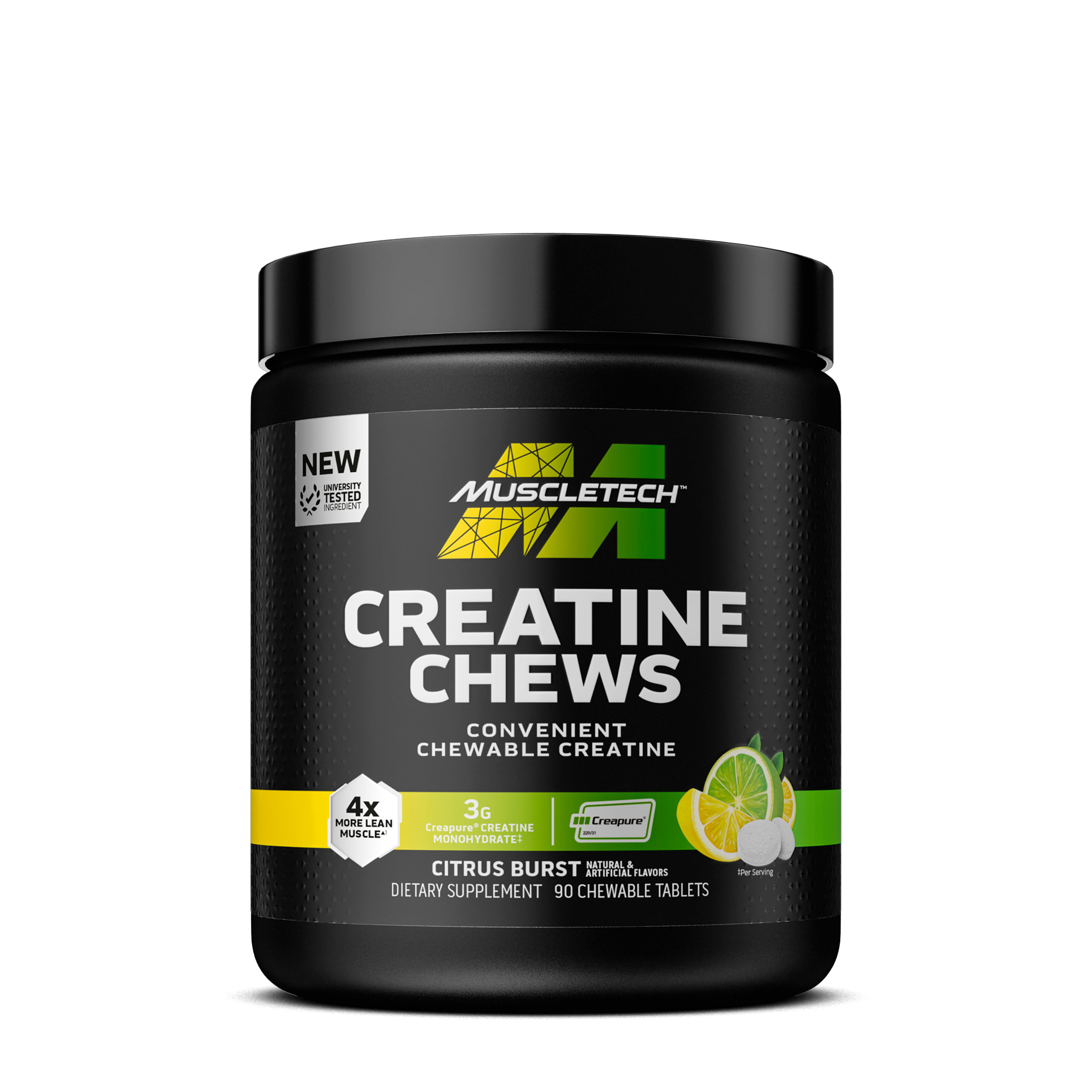
What’s the ideal daily creatine dose for older adults?
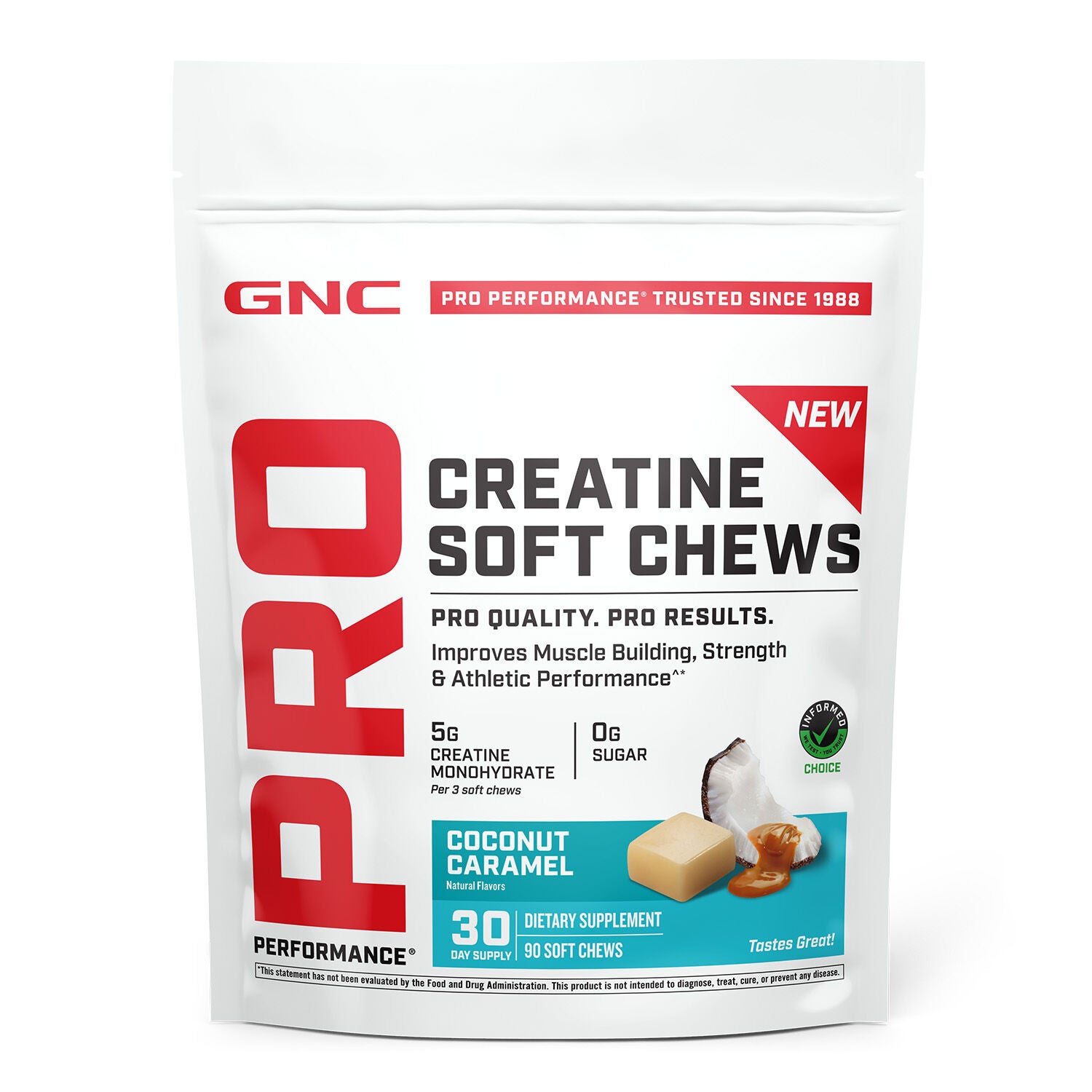
The ideal maintenance dose for most older adults is 3–5g of creatine monohydrate per day. It’s the most common, well-studied approach for supporting training performance and lean mass when paired with a consistent resistance-training plan.
A few practical notes:
- Consistency beats timing. Daily intake matters more than the exact hour.
- Monohydrate is the default choice because it’s widely researched.
- Start at 3g/day if you want a gentle approach; move toward 5g/day if you prefer the classic maintenance target.
At GNC, we like to keep this simple: pick a daily dose you’ll actually take, then make it part of your routine.
Should older adults do a creatine “loading phase”?
If you choose to load, a common protocol is 20g/day (split into 4 doses of 5g) for 5–7 days, then 3–5g/day thereafter. Loading is optional.
Loading can “fill” muscle creatine stores faster, but it’s not required—especially if you’re focused on steady, long-term use. If you’d rather keep things simple (and often gentler on digestion), skip loading and take 3–5g daily; you’ll still reach similar muscle saturation over time.
If you do load:
- Split doses across the day
- Take with meals if that feels better for your stomach
- Return to maintenance after a week
Does creatine help with muscle, bone, and cognitive health in older adults?
A daily 3–5g creatine monohydrate dose is the typical amount studied for muscle support, while evidence for bone and cognition is still emerging and not guaranteed.
Here’s the balanced take:
- Muscle & performance: Creatine is best known for supporting high-intensity training output, which can help you get more quality work from resistance training.
- Bone: Some research suggests creatine may support training adaptations that matter for overall function; direct bone outcomes are still being clarified.
- Cognition: Creatine has a role in cellular energy metabolism, and early research is exploring cognitive outcomes—but it’s not a promise.
Bottom line: treat creatine as one tool in a bigger plan (training, protein, sleep, and overall nutrition).
When should you take creatine: morning, pre-workout, or with food?
The best time to take creatine is whenever you’ll remember your 3–5g daily dose—timing isn’t critical.
Many people like one of these routines:
- With breakfast (easy habit stacking)
- After training (pairs well with your post-workout nutrition)
- With any meal (can feel easier on digestion for some)
If you train, what matters most is the overall plan: resistance training + enough protein across the day. Creatine supports the work you put in—it doesn’t replace it.
If you want a simple “GNC-style” routine: take it daily, log it for a week, then stop thinking about it.
What should older adults watch for (hydration, kidneys, medications)?
A standard 3–5g/day dose is commonly used, but older adults should be more careful if they have kidney disease or take medications that affect kidney function.
Practical safety checkpoints:
- Hydration: Creatine can increase water content in muscle. Keep your daily fluids consistent.
- Kidney considerations: If you have known kidney disease (or concerns), talk with a clinician before starting.
- Medication check: If you take prescription meds—especially ones that impact kidney function—ask your clinician/pharmacist if creatine is appropriate.
- Lab work: Creatine can influence certain lab markers; let your clinician know you supplement.
This is exactly where a trusted retailer like GNC can help you choose straightforward options—but medical clearance is still the right move when you’re unsure.
What’s a simple 30-day plan to get started?
Start with 3–5g creatine monohydrate daily for 30 days, keep hydration steady, and pair it with resistance training 2–4x/week.
Here’s a straightforward plan:
- Pick your dose: 3g/day (gentle) or 5g/day (classic).
- Pick your anchor: breakfast, lunch, or post-workout—same time daily.
- Train consistently: full-body strength work 2–4 days/week, scaled to your level.
- Hit protein basics: include protein at each meal; aim for consistency over perfection.
- Reassess at day 30: keep what’s working; adjust dose only if needed.
When you’re ready, choose a simple creatine monohydrate option and keep it boring—boring is sustainable.
Ready to make it simple?
Stick to 3–5g of creatine monohydrate daily, keep hydration consistent, and let your training do the talking. If you want help choosing an option that fits your routine, GNC is here to help you keep the plan clear and consistent—so you can focus on the daily work that moves you forward.