## How do you pick a protein powder that supports weight loss *and* muscle gain?
Choose a protein powder that delivers **a solid protein dose per serving with calories and added sugar you can afford in your day**, and then match the protein type to *when* you’ll use it (post-workout, between meals, or as a “late-day save”).
For weight loss, protein helps you stay on plan because it’s filling and makes meals feel more complete. For muscle gain, protein supports recovery and helps you hit your daily target consistently—because the best protein is the one you’ll use day after day.
Here’s the practical checklist to keep you moving forward:
- **Protein per serving:** Look for a meaningful amount that fits your plan. Many powders land in the 20–30g range; some formulas go higher.
- **Calories:** For cutting, a leaner macro profile can make consistency easier.
- **Sugar:** If you’re trying to lean out, lower sugar and lower “extra calories” tends to be a smarter everyday choice.
- **Digestibility & mixability:** If it’s hard to drink, you won’t stick with it.
- **Quality markers:** Look for brands that take quality seriously. With GNC, you’re choosing a legacy brand built on high standards and a disciplined approach to wellness.
If you want one move that makes the biggest difference: **pick a protein you’ll actually drink 5–7 days a week** and build your routine around it.
## What should you check on the label for weight loss-focused macros?
Start with the “boring” numbers—because they’re the ones that decide whether a protein helps you stay consistent.
**1) Protein vs. calories**
If you’re cutting, you usually want **more protein for fewer calories**—so your shake feels substantial without turning into a surprise snack. A lean profile is also easier to fit around real meals.
**2) Sugar and extras**
Sugar adds up fast when you’re dialing in your nutrition. A lower-sugar powder can make it easier to keep your day on track, especially if you’re already getting carbs from meals.
**3) What you’re using it for**
- **Post-workout:** prioritize protein and a formula you can digest easily.
- **Between meals:** a more filling option (often with a blend of proteins or added fiber) can help you stay satisfied.
- **Busy days:** choose the option you’ll actually grab—because adherence beats perfection.
At GNC, the goal is simple: *fuel the effort you’re putting in.* Your protein should help you feel steady, supported, and ready for the next session—without making your daily nutrition harder.
## Which type of protein powder is best for muscle gain while leaning out?
The “best” protein type is the one that fits your schedule and digestion—so you can hit your target without friction.
**Whey (fast, classic post-workout)**
Whey is a go-to for a reason: it’s convenient, mixes easily, and fits well right after training. If your priority is recovery with minimal fuss, a whey-based option is a strong baseline.
**Blends (steady support across the day)**
Protein blends combine multiple sources so you’re not relying on a single digestion speed. For many people, a blend works well as an “anytime” protein—after training, between meals, or when you’re trying to stay consistent during a calorie cut.
**Plant-based (great fit when dairy isn’t your move)**
Plant-based options can be a strong choice if you prefer non-dairy formulas. The key is still the same: check the protein per serving, calories, and sugar so it matches your plan.
A simple way to decide:
- Want a straightforward post-workout shake? **Start with whey.**
- Want an all-day “one tub does it” option? **Consider a blend.**
- Want a non-dairy approach? **Choose plant-based and stay focused on macros.**
GNC keeps it practical: pick the option you’ll use consistently, then build meals and training around that daily win.
## How much protein do you need per shake—and when should you take it?
A good rule is to choose a serving size that helps you **close the gap between what you ate and what you still need today**, and then place it where it solves a real problem (missed meals, low-protein breakfast, or post-workout recovery).
**When timing matters most**
- **After training:** easiest time to build the habit—shake, done.
- **Mid-morning or mid-afternoon:** a smart move if that’s when cravings or “random snacking” usually show up.
- **Evening:** helpful when dinner is light on protein or you’re trying to avoid grazing.
**When timing matters least**
If you’re already hitting your daily protein consistently, the exact minute you drink it is less important than the weekly pattern.
The disciplined approach is simple: **put your shake where your plan usually breaks**. That’s how protein becomes a tool for progress—not just another product in the pantry.
Sustained Protein Blend - Chocolate Milkshake (26 Servings)
$51.99
Wheybolic™ Ripped - Cookies and Cream (9 Servings)
$34.99
Lean Shake™ Burn - Chocolate Fudge (16 Servings)
$54.99
Precision Protein - Strawberry Ice Cream (28 Servings)
$59.99
Black Edition RTD High-Protein Meal - Vanilla - 16.9 fl oz (12 Bottles)
$54.99
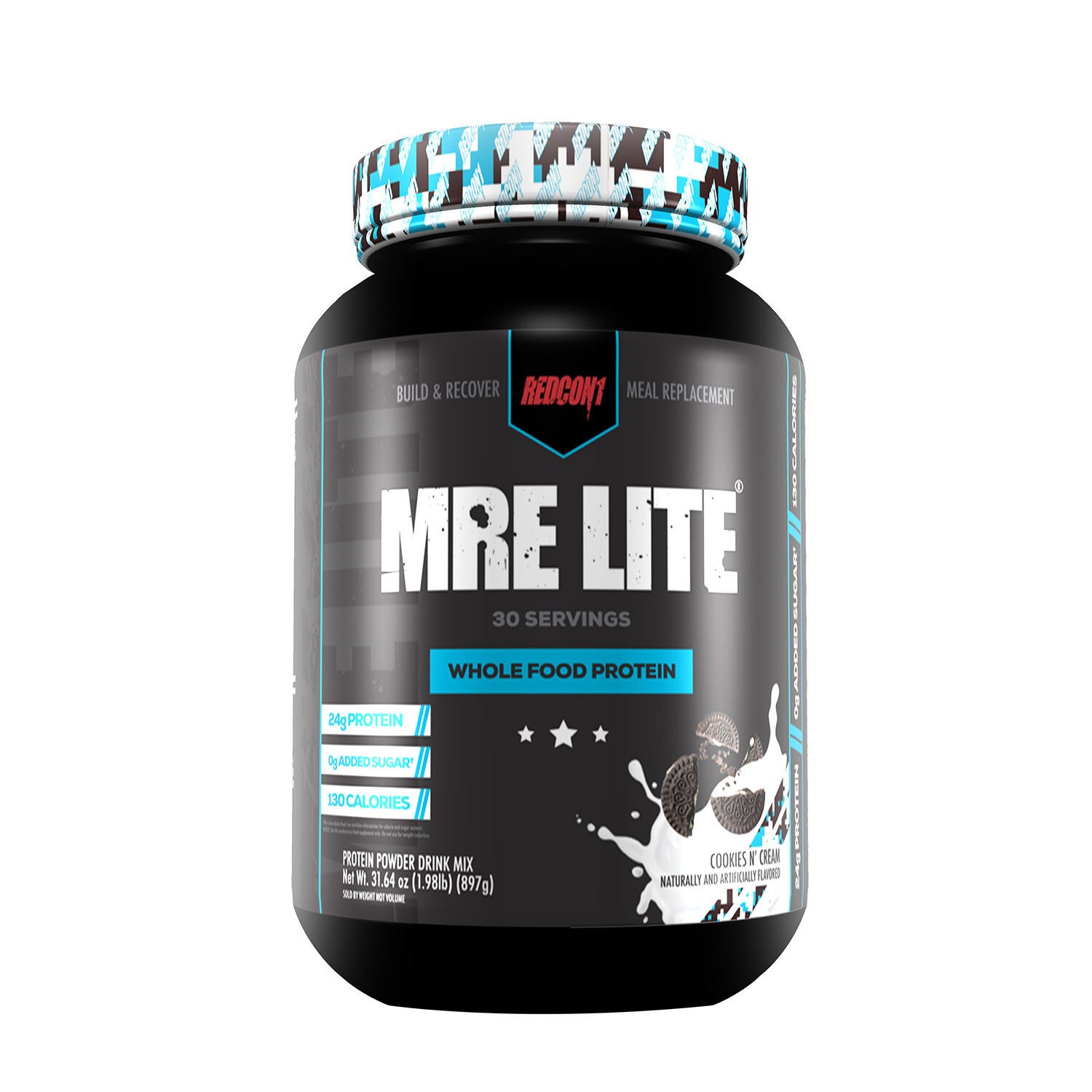
MRE Lite® Whole Food Protein - Cookies N' Cream (30 Servings)
$54.99
## What ingredients should you prioritize (and what should you keep simple)?
Prioritize formulas that help you hit your protein consistently with a label you understand—and keep the “extra” ingredients aligned to your goal.
**Great basics to look for**
- A clear protein source (or blend of sources)
- A calorie count that fits your day
- Low added sugar if leaning out is a priority
**Goal-specific add-ons (optional, not mandatory)**
Some formulas include ingredients designed to support energy, focus, or a more “cut” friendly feel. If you train early, work long days, or want a more performance-driven experience, these can be helpful—*as long as the protein and calories still make sense for you.*
**Keep it practical**
If you’ve been stuck in the start-stop cycle, the best upgrade is often not a “more complicated” formula. It’s a simpler routine: protein you like, taken at the time you’re most likely to miss a meal or skip recovery.
That’s the GNC standard: science-led, disciplined, and built to help you show up tomorrow just as strong as today.
Is whey protein a good choice for weight loss and muscle gain?
What’s the difference between a fast protein and a sustained protein blend?
Should I avoid sugar completely in protein powder while cutting?
Can a protein shake replace a meal when trying to lose weight?
How do I choose between whey, plant-based, and whole-food protein options?
What if I want an extra “cut” friendly option with caffeine?
How can I make protein powder taste better without adding a lot of calories?
You may also like