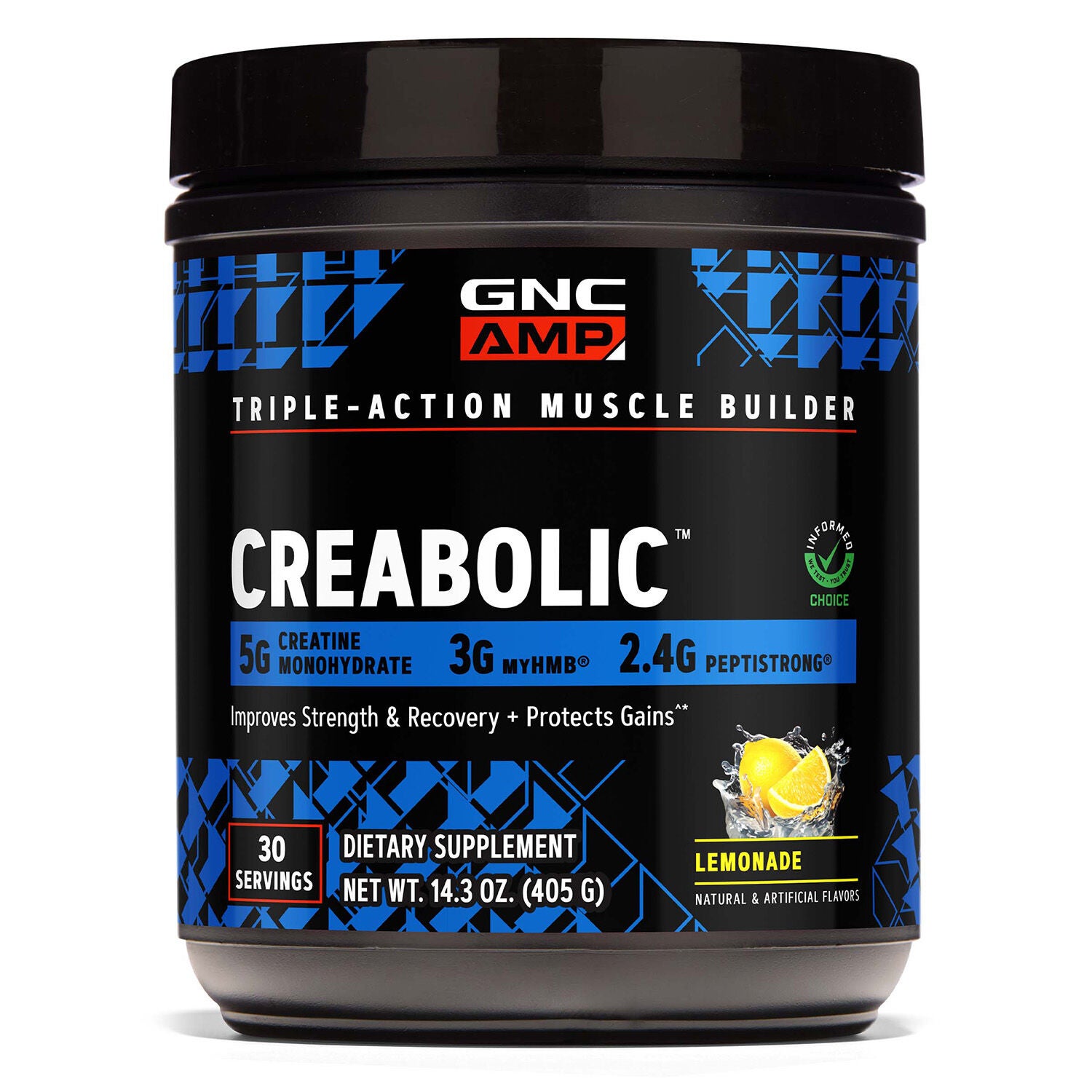
Creatine monohydrate is broadly considered safe for healthy adults when used as directed, and while true multi-year, long-term trials are limited, decades of studies using clinical safety markers have not shown meaningful harm.
Creatine: Safety, Science, and Smart Stacking
If you’re training for strength, performance, or body composition, creatine is one of the most studied tools to support consistent progress—when you choose quality and use it correctly.
Long-term research: what “long-term” really measures
When you see “long-term” in creatine research, it often means researchers track repeat use over months and monitor objective lab and health measures. The most common markers include:
- Kidney function labs (commonly creatinine-based panels plus other markers)
- Hydration status and fluid balance in training conditions
- Body weight trends and lean mass changes
- Training output (strength, reps, sprint performance)
- Tolerance and adherence (whether people can keep taking it without issues)
Bottom line: we don’t have endless 10–20 year controlled trials, but we do have a large body of evidence repeatedly checking the metrics that matter for safety.
Safety concerns (quick check)
Here’s what to keep in mind before you start:
- Use the label dose. More isn’t “more effective”—it’s usually just more expensive.
- Expect scale weight changes. Creatine can increase water inside muscle, which may show up on the scale.
- Hydration still matters. Creatine doesn’t replace fluids; it supports performance, and your basics still win.
- If you have a medical condition or take prescription medications, ask your clinician first. It’s the disciplined move.
Longevity/repair evidence: what creatine can (and can’t) claim
Creatine is best known for strength and high-intensity performance support. Research also explores how creatine may help:
- Support training capacity (doing a little more work, more consistently)
- Promote lean mass gains when paired with resistance training
- Improve recovery readiness indirectly by helping you sustain output over time
Creatine isn’t a magic shortcut for “repair,” but it can help you show up stronger, more often—one of the most practical long-game strategies there is.
Mechanism: how creatine works in plain English
Your muscles use a rapid energy system for short bursts—think heavy sets, sprints, and explosive reps. Creatine helps maintain phosphocreatine, which supports fast ATP regeneration. That can translate to:
- A stronger last rep
- An extra set with solid form
- Better repeat-effort performance
Those small wins compound into bigger outcomes.
Choosing quality (and why GNC matters)
Not all supplements are built the same. When you’re taking something consistently, quality is the point.
Choose products that prioritize:
- Clear, fully transparent dosing
- Ingredient integrity (no fluff)
- Quality testing standards and reputable manufacturing
GNC has been raising the bar in quality and science-forward standards for decades—so you can focus on your training, not second-guessing what’s in the bag.
Stacking: build a clean, effective routine
Creatine works best when it’s simple and consistent. Here are practical, goal-driven stacks you can keep for the long haul:
1) Strength + lean mass
- Creatine daily
- Protein to hit your daily intake
2) Training output + hydration
- Creatine daily
- Electrolytes around hard sessions (especially heat, travel, or higher sweat days)
3) Recovery-first approach
- Creatine daily
- EAAs during/after training if you struggle to get enough protein from meals
How to time it: take creatine whenever you’ll remember it—consistency beats perfect timing.
If you want help tailoring a stack to your schedule and training, GNC is here to guide the journey.