What exactly should a label say for “pure creatine monohydrate” (and nothing else)?
Look for a Supplement Facts panel that lists Creatine Monohydrate as the only active ingredient, with no added blends, sweeteners, flavors, or “other ingredients” beyond what’s required for the capsule/chew form.
Start with the fastest tell: Ingredient list + Supplement Facts should match the story on the front. If the front says “creatine monohydrate,” but the back lists additional performance compounds, flavor systems, or proprietary blends, it’s not a single-ingredient creatine product.
Here’s the label checklist to keep it clean:
- Supplement Facts / Active ingredient: “Creatine Monohydrate” (not “creatine blend,” not multiple creatine forms, not a proprietary matrix).
- Serving size & grams per serving: A clear gram amount of creatine monohydrate per serving (commonly 3–5 g, depending on product format).
- Other Ingredients: Ideally blank for powders. If it’s flavored, expect added ingredients—meaning it’s not “just creatine.”
- No “proprietary blend” language: Single-ingredient products don’t need it.
- Form matters: Powders can be truly one-ingredient; capsules, chews, and flavored powders typically include additional components.
If you want a straightforward option with a clear creatine monohydrate callout, GNC Pro Performance Creatine Monohydrate keeps things focused so you can keep your training consistent.
How do you spot fillers fast by reading the ingredient list?
If the ingredient list includes anything besides creatine monohydrate, it’s not “just creatine monohydrate.” That doesn’t automatically make it a bad product—but it’s a different product category.
What counts as “extra” on a label?
- Flavors (natural/artificial)
- Sweeteners (like sugar alcohols or non-nutritive sweeteners)
- Colors
- Flow agents or anti-caking ingredients (more common in some powders)
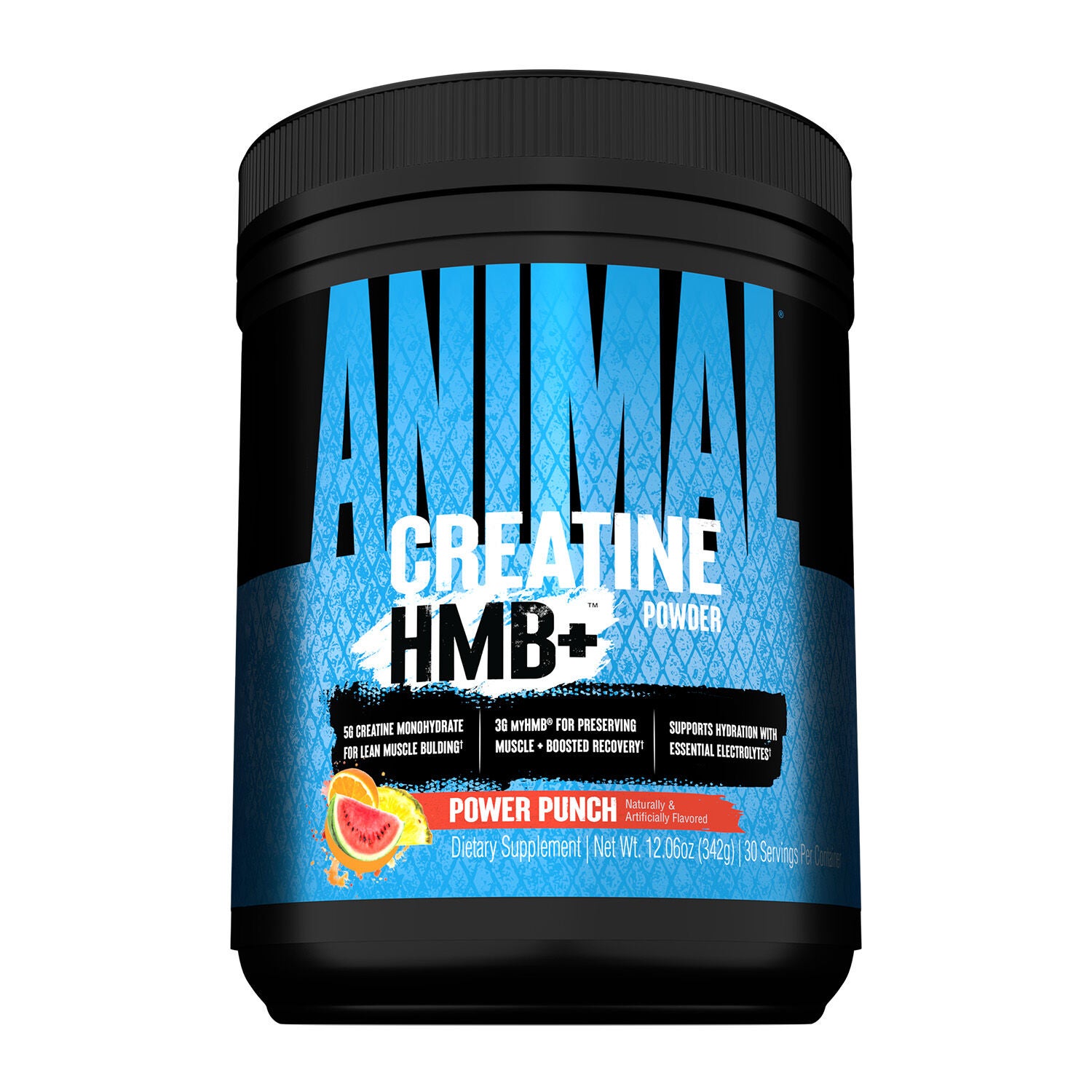
- Added performance compounds (electrolytes, amino acids, HMB, betaine, taurine, etc.)
A quick reality check: flavored creatine usually needs a flavor system to taste like something—so it won’t be a single-ingredient label. If your goal is “pure creatine monohydrate,” you’re typically looking for an unflavored powder where the label can stay simple.
GNC’s approach is to help you make confident choices without overcomplicating the basics: read the panel, verify the ingredient list, and keep your routine consistent.
What label wording can be misleading—even if “creatine” is on the front?
“Creatine” on the front label doesn’t guarantee “creatine monohydrate only.” The fine print is where the truth lives.
Watch for these common patterns:
- “Creatine blend” or “creatine matrix”: often multiple creatine forms, sometimes combined with other actives.
- “Proprietary blend”: can make it harder to confirm exact amounts per ingredient.
- Multiple creatine types listed (e.g., monohydrate + another form): not a single-ingredient monohydrate product.
- “Enhanced absorption” claims: sometimes paired with additional ingredients.
If your goal is the simplest, most trackable routine, clarity wins. A clean Supplement Facts panel makes it easy to know what you’re taking—and to keep your intake consistent day after day.
At GNC, we’re big on disciplined basics: choose a straightforward product, take it consistently, and let training do the heavy lifting.
Does “micronized” or third-party testing change whether it’s “pure” creatine monohydrate?
“Micronized” describes particle size, not extra ingredients—so a creatine can still be a single-ingredient product if the label only lists creatine monohydrate.
Third-party testing language (for example, banned substance screening programs) speaks to quality and verification, not “purity” in the ingredient-list sense. The best-case scenario is simple and aligned: a clear ingredient panel plus quality standards that support confidence in what’s inside.
If you’re comparing options, prioritize this order:
- Ingredient list (is it truly only creatine monohydrate?)
- Clear grams per serving
- Quality standards / testing notes
- Mixability and format you’ll stick with
Consistency is the multiplier. Pick the option you’ll take reliably, and keep your routine simple enough to repeat.