


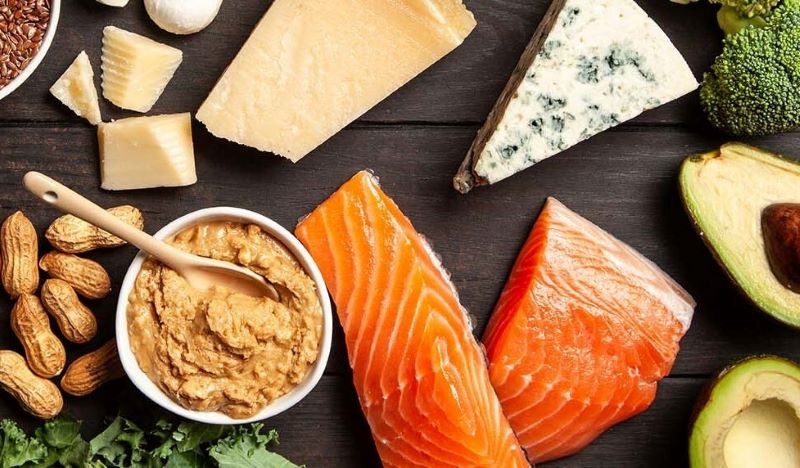
What is a ketogenic diet?
Though the keto diet is trending worldwide, it’s not new. It was originally introduced in the 1920s and continues to be investigated and used as an overall lifestyle.
A ketogenic diet (“keto” for short) is an eating plan that includes lots of fat, a moderate amount of protein, and a small amount of carbohydrates. The general idea behind eating this way is that—over an extended period of time—eating very high-fat, low-carb will trigger a metabolic adaptation in the body. Specifically, it will promote a state of “ketosis.” Though not originally intended as a weight loss diet, many consumers are using it for that purpose.
Related Reading: THE PERFECT KETO SHOPPING LIST
What is ketosis?
Ketosis is a metabolic state that occurs when your body begins drawing its energy primarily from “ketones” rather than glucose. Ketones can readily be converted into energy when transported to your body through the bloodstream. They are formed in your liver and are derived from fat, a process which accelerates when the body has few other sources of energy (like carbohydrates). The time it takes to reach ketosis varies from one person to another, but most can enter a ketogenic state after several days of severe carbohydrate restriction. Healthy individuals that restrict carbohydrate intake but maintain an adequate total calorie intake will enter this state when glycogen stores are depleted. Ketones (an indicator of ketosis) can be measured in the urine or blood using over the counter Ketone Test Strips and Kits that are readily available.
What foods are allowed and not allowed on the keto diet?
Say Yes To These Foods:
Fats/Oils
Fat is your new best friend! Choose from the following: olive oil, coconut oil, avocado oil, butter, coconut butter, clarified butter, lard, tallow, and palm shortening.
Meat
Everything is on the menu (beef, pork, chicken, turkey, lamb, veal). And bacon, sausage, hot dogs, salami, and pork belly. Don’t bother trimming or draining the fat.
Seafood
Expand your palate with options from the ocean: salmon, trout, cod, halibut, mahi-mahi, sea bass, lobster, shrimp, mussels, scallops, oysters, crab, and squid.
Eggs
A great source of protein and fat. Make sure you eat the yolks!
Vegetables (within carbohydrate guidelines)
Stick to veggies that grow above the ground: avocado, spinach, kale, lettuce, cabbage, zucchini, eggplant, spaghetti squash, asparagus, broccoli, cucumbers, and peppers. You can also have garlic and onions.
Fruits (enjoy these few fruits in moderation and within your carbohydrate guideline)
Raspberries, blackberries, strawberries, lemons, and limes.
Dairy
Full-fat cheese, yogurt, cottage cheese, sour cream, cream cheese, and heavy cream.
Nuts and Seeds
Loaded with fiber, protein, and healthy fat, nuts and seeds deliver an energy boost throughout the day. Snack on almonds, walnuts, pecans, cashews, peanuts, pistachios, hazelnuts, pumpkin seeds, and sunflower seeds.
Beverages
Cooking/Baking Extras
Say Goodbye To These Foods:
Sugar (and all foods and beverages made with sugar)
Starch (all forms including beans, legumes and starchy vegetables.)
Fruit (including frozen, fresh and dried)
Processed Oils
Cottonseed oil, soybean oil, margarine, etc. Basically, avoid anything that’s heavily processed
Dairy
Milk, flavored yogurt, or yogurt with fruit.

