



Over the past few years, supporting mental wellness has risen to the forefront of community health conversations. For example, “self-care” has become a buzzword for encouraging people to prioritize their mental and emotional health amidst demanding and high-stress times.
Statistics show a 25% increase in global anxiety and depression since the pandemic, and many are calling for more accessibility to affordable mental health services [1]. More external support for mental health and wellness is needed, but there are also things we can do to better our mental well-being as part of our everyday lifestyle.
Why Mental Health Matters
Suppose you’ve ever tried to enjoy a day off with friends while feeling exhausted from work or attempted to have a meaningful conversation with someone while you’re worrying about responsibilities at home. In that case, you know how much your mental state can affect every other aspect of your life.
Your mental health determines how you handle stress, respond to requests, make decisions, interact with others, view yourself, and generally show up for your life. When your mental wellness is suffering, these other areas will likely be negatively impacted too.
Caring for your mental well-being can help deepen your relationships, allow you to show up more authentically, reduce your anxiety, improve your mood and ability to focus, and help with self-confidence.
Furthermore, improving your mental health can also be instrumental in improving your physical health. For example, long-term uncontrolled stress can promote inflammation throughout your body [2]. Stress and systemic inflammation are associated with a higher risk for numerous chronic diseases, such as heart disease, diabetes, autoimmune diseases, and certain cancers [3,4].
How to Start Addressing Your Mental Wellness
Mental health is a big topic that affects everyone, whether we realize it or not. It can be easy to go about your day-to-day for a long time without paying much attention to how you’re feeling mentally, especially if you’re often caught up in a busy routine or taking care of others.
The first step to addressing your mental health better is to become present and aware of how you’re feeling. Consider trends in emotions, self-talk, ability to carry out your daily responsibilities, and desire to interact with others over the past several weeks to months. Think about whether your moods have been lower than normal or you’ve been feeling less interested in doing things that used to bring you joy and relaxation.
Identifying areas for improvement can allow you to start giving attention where it’s needed. Let’s discuss some ways to start supporting your mental health better through everyday lifestyle habits.
1. Speak to a therapist
Sometimes talking through your struggles to an unbiased third party can provide a sense of freedom and relief that your peers cannot. A licensed mental health professional is trained to support a wide variety of challenges appropriately. Some therapists practice in person at their offices, virtually, or through apps, depending on what works best for your lifestyle and needs.
2. Get restful sleep
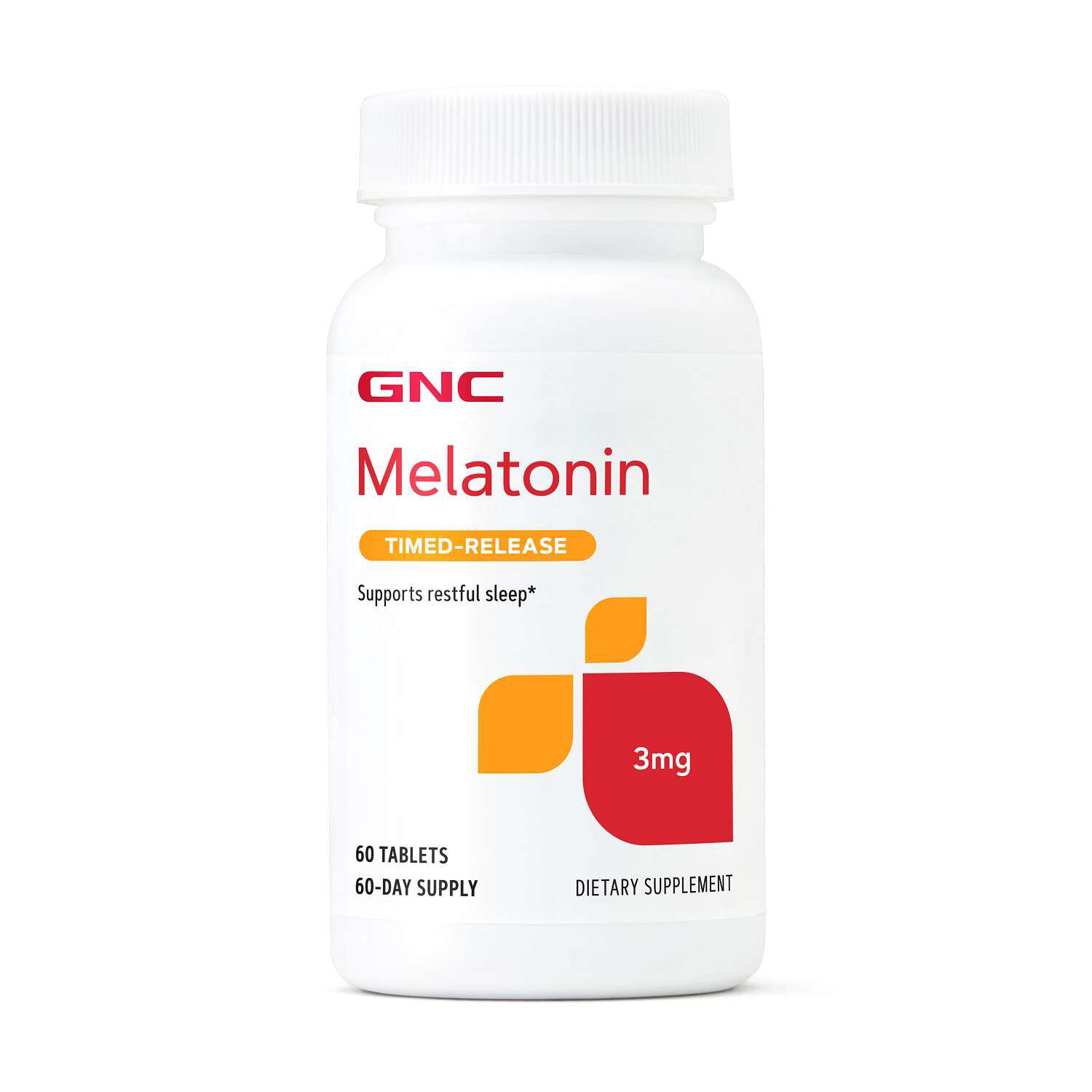
There’s a difference between getting sleep and getting quality, restful sleep. Sleep is designed to provide your body and brain the rest and rejuvenation it needs for the next day, as well as the organization of your thoughts and stressors. Without enough good sleep, mental health is more likely to suffer [5]. Sleep experts recommend 7-9 hours of restful sleep per night for most adults [6].
READ MORE: Wellness Starts With Sleep



3. Invest in your community
We were never intended to do life alone. Whether you have a large group of friends or a few close confidants, you should lean on these people when your mental health is suffering. If you don’t have a support system you trust, consider becoming more involved in communities where you spend time, whether it’s your church, your neighborhood, your kid’s school, or a local parenting group.
4. Serve others
Research shows that serving others can improve mood, reduce stress and anxiousness, and support positive mental health [7]. Some ideas include volunteering at a homeless shelter or animal rescue, contributing to a local cause, or making dinner for a friend you know is going through something stressful. Being of service to others can help fill our own cup as well.
5. Find physical activities you enjoy
Getting regular exercise has been proven to provide physical and mental benefits for health [8]. Movement can help alleviate physical discomfort, reduce the risk of various chronic conditions, and boost mood, self-confidence, and feelings of self-efficacy. Consider activities you already enjoy and don’t feel like a chore. Examples include jogging, walking the dog, dancing, swimming, playing basketball, or attending a group fitness class.
6. Reduce your screen time
If you’ve ever found yourself going down the rabbit hole of social media, you may be familiar with how it promotes self-judgment and comparison to others. Seeing everyone else’s highlight reels can encourage feelings of inadequacy, stress, and anxiousness [9]. While the internet has made us more quickly connected than ever, it often leaves us feeling more disconnected. If you think this may be you, take an intentional break and see how your mental wellness changes.
READ MORE: It’s Time for a Digital Detox
7. Get outside
Regularly spending time outside allows the calming experience of being connected to nature, fresh air to enter your lungs, and sunshine to touch your skin. Direct sunlight also triggers the production of vitamin D. Emerging research suggests that vitamin D levels in the body are associated with better mood [10]. (Need to get more of this nutrient in the winter? Add a vitamin D supplement!).
8. Nourish your body and soul
Optimal nutrition is a key component in all health aspects, including mental wellness. While ultra-processed and sugar-sweetened foods can bring joy and comfort in a moment, they lack the nutrients needed to support your overall health and can promote decreased mood in the long run [11]. Save these types of foods for the occasional treat and focus on minimally processed foods like fruits, vegetables, grains, legumes, nuts, and seeds, which provide vitamins, minerals, fiber, antioxidants, and other plant compounds to support mental health and wellness (12).
READ MORE: How Eating a Balanced Diet Can Impact Mental and Emotional Health
9. Intentionally rest
Most of us simply aren’t getting enough rest. This extends beyond the need for better quality sleep and includes time intentionally carved out to relax during our everyday lives. If you find it difficult to rest, making it a more regular part of your routine may take practice and effort.
Start by setting an alarm every day that tells you it’s time to rest for 20-30 minutes. Perhaps this looks like taking an afternoon nap or sitting outside in the sun to clear your mind and return to your tasks more refreshed. It could also mean taking one full day off a week from work, workouts, and nonessential responsibilities.
READ MORE: How To Start A Self-Care Routine
Mental health is one of the most important topics of our time. Everybody deserves the opportunity to improve their mental wellness and enhance their quality of life. If you feel like there’s room for improvement, consider the lifestyle tips above to help put your mental health first.
References
1. COVID-19 pandemic triggers 25% increase in prevalence of anxiety and depression worldwide. World Health Organization. Published 2 March 2022. Available from: https://www.who.int/news/item/02-03-2022-covid-19-pandemic-triggers-25-increase-in-prevalence-of-anxiety-and-depression-worldwide
2. Liu YZ, Wang YX, Jiang CL. Inflammation: The Common Pathway of Stress-Related Diseases. Front Hum Neurosci. 2017;11:316. Published 2017 Jun 20. doi:10.3389/fnhum.2017.00316
3. Furman D, Campisi J, Verdin E, et al. Chronic inflammation in the etiology of disease across the life span. Nat Med. 2019;25(12):1822-1832. doi:10.1038/s41591-019-0675-0
4. Steptoe A, Kivimäki M. Stress and cardiovascular disease: an update on current knowledge. Annu Rev Public Health. 2013;34:337-354. doi:10.1146/annurev-publhealth-031912-114452
5. Scott AJ, Webb TL, Martyn-St James M, Rowse G, Weich S. Improving sleep quality leads to better mental health: A meta-analysis of randomised controlled trials. Sleep Med Rev. 2021;60:101556. doi:10.1016/j.smrv.2021.101556
6. Hirshkowitz M, Whiton K, Albert SM, et al. National Sleep Foundation’s sleep time duration recommendations: methodology and results summary. Sleep Health. 2015;1(1):40-43. doi:10.1016/j.sleh.2014.12.010
7. Raposa EB, Laws HB, Ansell EB. Prosocial Behavior Mitigates the Negative Effects of Stress in Everyday Life. Clin Psychol Sci. 2016;4(4):691-698. doi:10.1177/2167702615611073
8. Mikkelsen K, Stojanovska L, Polenakovic M, Bosevski M, Apostolopoulos V. Exercise and mental health. Maturitas. 2017;106:48-56. doi:10.1016/j.maturitas.2017.09.003
9. Naslund JA, Bondre A, Torous J, Aschbrenner KA. Social Media and Mental Health: Benefits, Risks, and Opportunities for Research and Practice. J Technol Behav Sci. 2020;5(3):245-257. doi:10.1007/s41347-020-00134-x
10. Manzanos I, Martino P, Audisio E, Bonet J. Vitamin D: Between the Brightness of the sun and the Darkness of Depression [published online ahead of print, 2020 Nov 4]. Vitamina D: entre el brillo del sol y la oscuridad de la depresión [published online ahead of print, 2020 Nov 4]. Rev Colomb Psiquiatr (Engl Ed). 2020;S0034-7450(20)30086-X. doi:10.1016/j.rcp.2020.08.002
11. Lane MM, Gamage E, Travica N, et al. Ultra-Processed Food Consumption and Mental Health: A Systematic Review and Meta-Analysis of Observational Studies. Nutrients. 2022;14(13):2568. Published 2022 Jun 21. doi:10.3390/nu14132568
12. Głąbska D, Guzek D, Groele B, Gutkowska K. Fruit and Vegetable Intake and Mental Health in Adults: A Systematic Review. Nutrients. 2020;12(1):115. Published 2020 Jan 1. doi:10.3390/nu12010115

