PxPixel
Why Women Should Consider Creatine| GNC

FREE CREATINE!

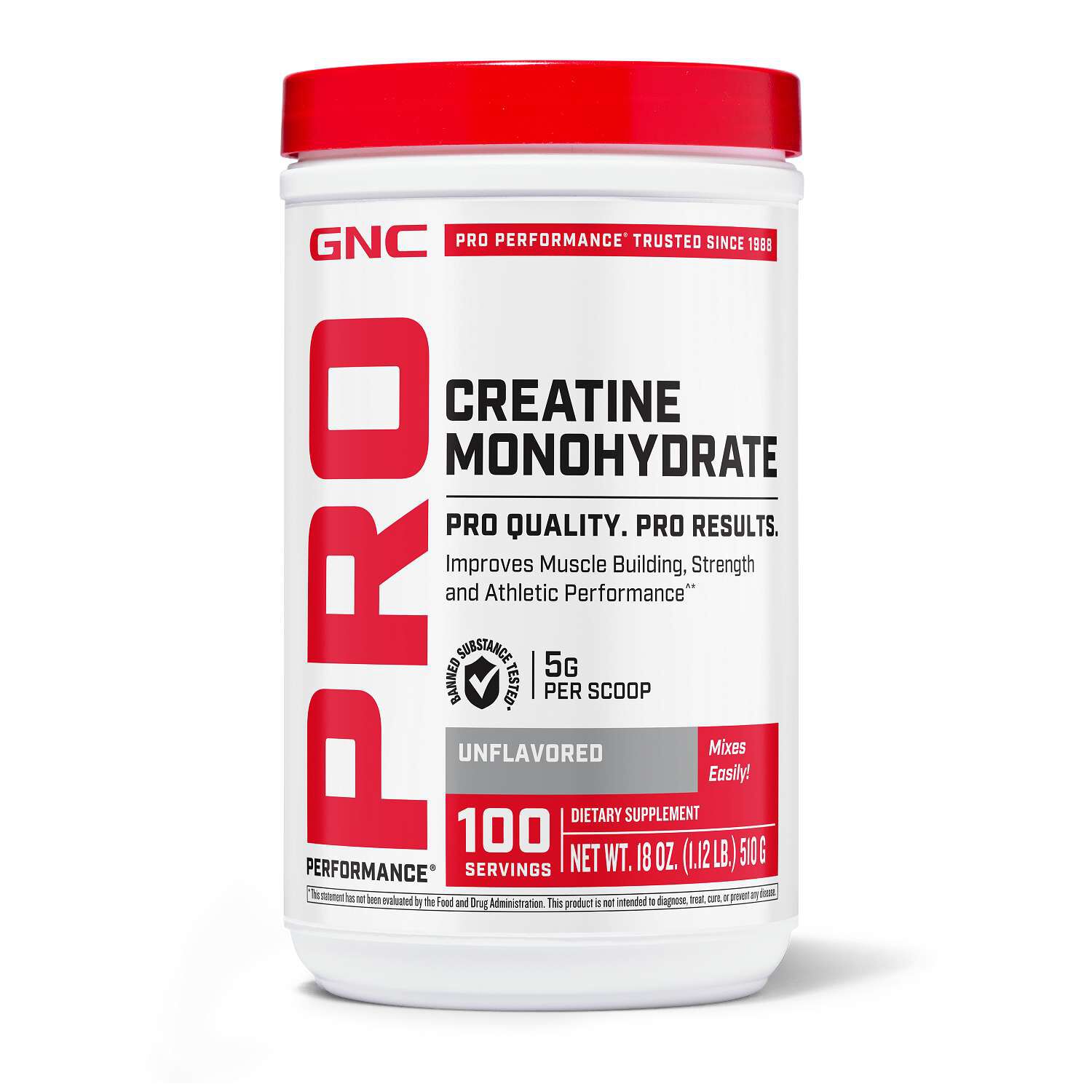
Spend $125+ and get a free 50-serving Pro Performance® creatine with code: CREATINE. Limited-time offer, online onlyˇ.
Main Content Start
Lorem ipsum

Why Women Should Consider Creatine

Rachel Baker
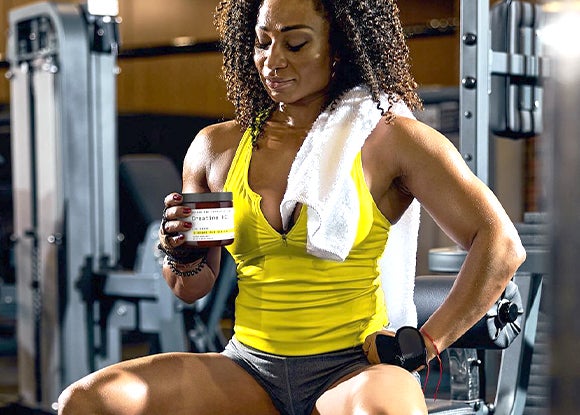
When you hear the word “creatine”, your gut reaction is probably bodybuilders and gym bros. But here’s the truth: creatine isn’t just for men. Or elite athletes – it’s a powerhouse supplement with benefits for women at every stage of life. Whether you’re chasing fitness goals, managing daily demands, or navigating hormonal shifts, creatine can be a game-changer.
What is Creatine?
Creatine is a naturally occurring compound found in your muscles and brain. It helps produce energy during high-intensity activities like lifting weights, sprinting, or even climbing stairs. While your body makes some creatine and you can get a bit from food, like red meat and fish, it’s often not enough – especially for women.
Studies show that women typically have 70-80% lower muscle creatine stores compared to men1. That means supplementing with creatine can offer even greater benefits for women.
1. Boost Strength & Muscle Performance
Creatine helps your muscles produce energy more efficiently, which translates to better performance in the gym. Research shows that women who supplement with creatine experience increased strength, lean muscle mass, and improved recovery.1


Whether you’re lifting weights, doing HIIT, or just trying to stay active, creatine supports your efforts.

2. Support Brain Health
Creatine isn’t just for muscles – it’s vital for brain function too. Emerging research suggests creatine may support cognitive performance, especially during mentally demanding tasks or periods of sleep deprivation2. This is particularly relevant for women juggling work, family, and everything in between.
3. Body Composition & Weight Loss
When paired with a diet and an exercise program, creatine supplementation helps to maintain muscle mass and improve lean muscle tone. Increases in lean muscle mass will boost metabolism, impacting weight loss efforts and distribution of fat mass. So, creatine helps with weight loss too? Who would’ve thought?!
4. Enhance Bone Health
As women age, bone density becomes a major concern. Some studies indicate that creatine, when combined with resistance training, may help improve bone mineral density and reduce the risk of osteoporosis 3 .
5. Combat Age-Related Muscle Loss
Sarcopenia, the gradual loss of muscle mass that comes with aging, can impact mobility, strength, and independence. Creatine supplementation has been shown to help older adults maintain muscle mass and function, making it a valuable tool for healthy aging 4 .
6. Support Hormonal Changes
During perimenopause, women often experience changes in body composition and energy levels. Creatine may help mitigate some of these effects by supporting muscle strength and energy metabolism, contributing to better overall quality of life1. 1 .
Is Creatine Safe for Women?
Yes! Creatine is one of the most researched supplements in the world, with a strong safety profile. It’s well-tolerated, and ill effects are rare when taken at a recommended doses – typically 3-5 grams per day, every day! It’s also vegan-friendly and suitable for long-term use.
How to Use Creatine
• Start with a daily dose of 3-5 grams.
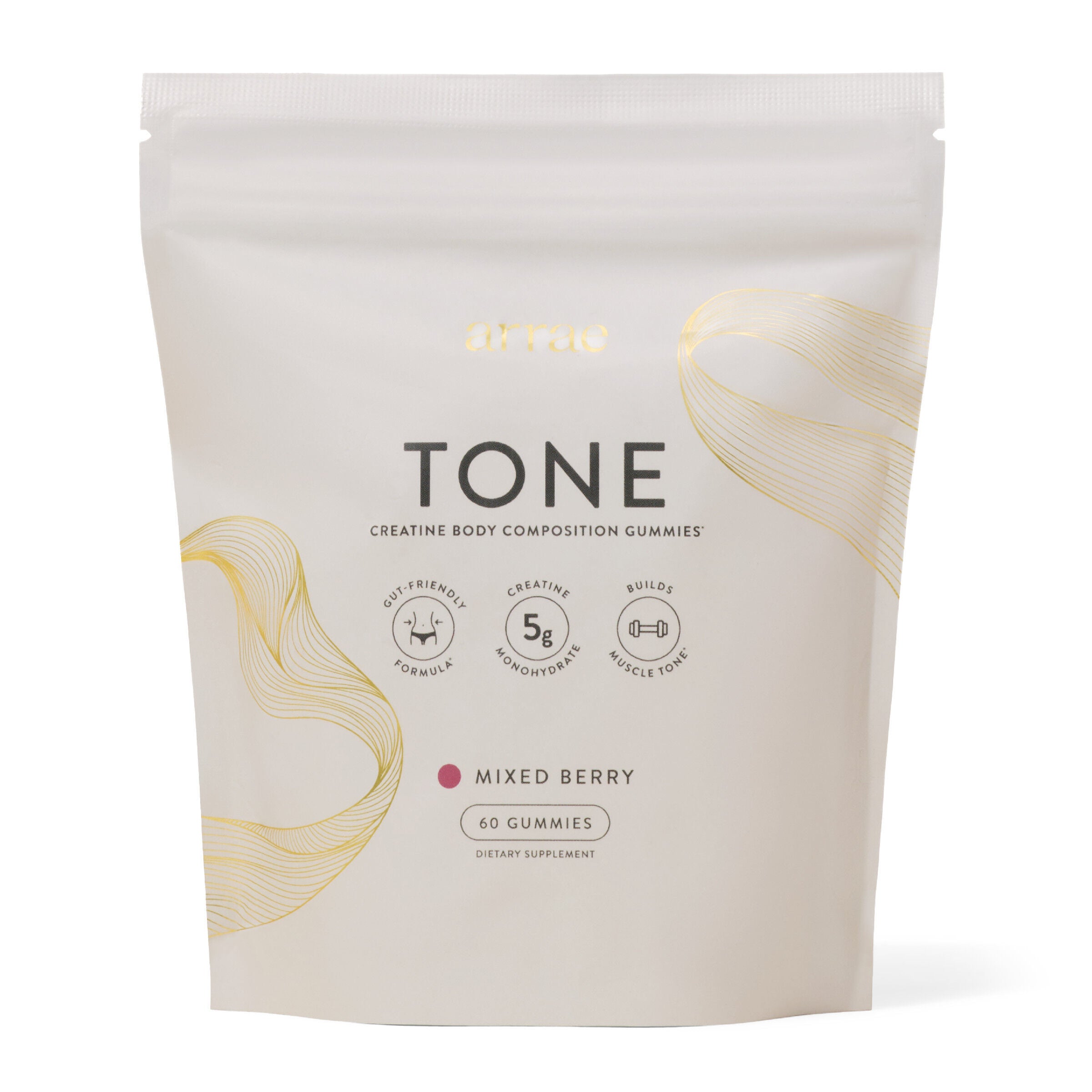
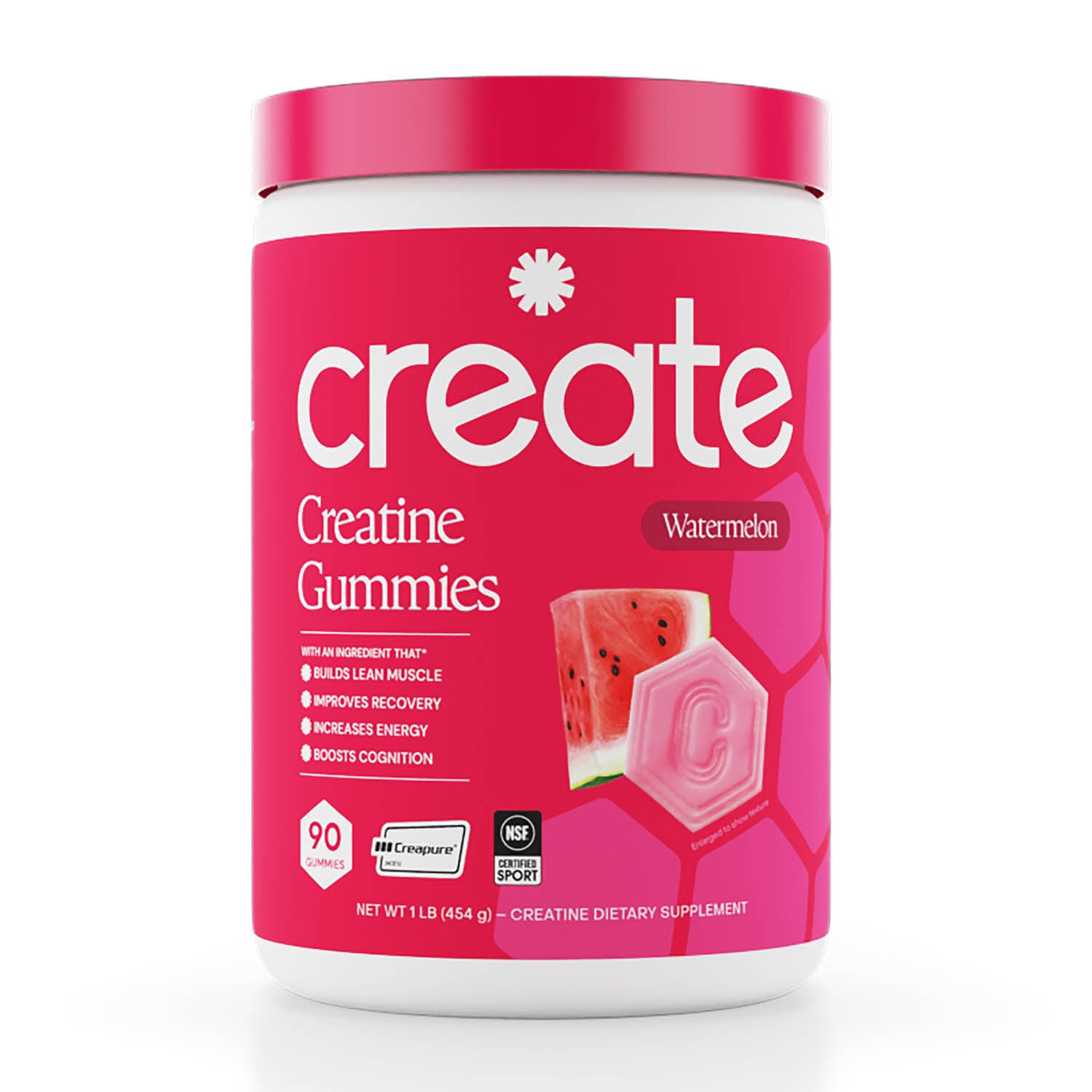
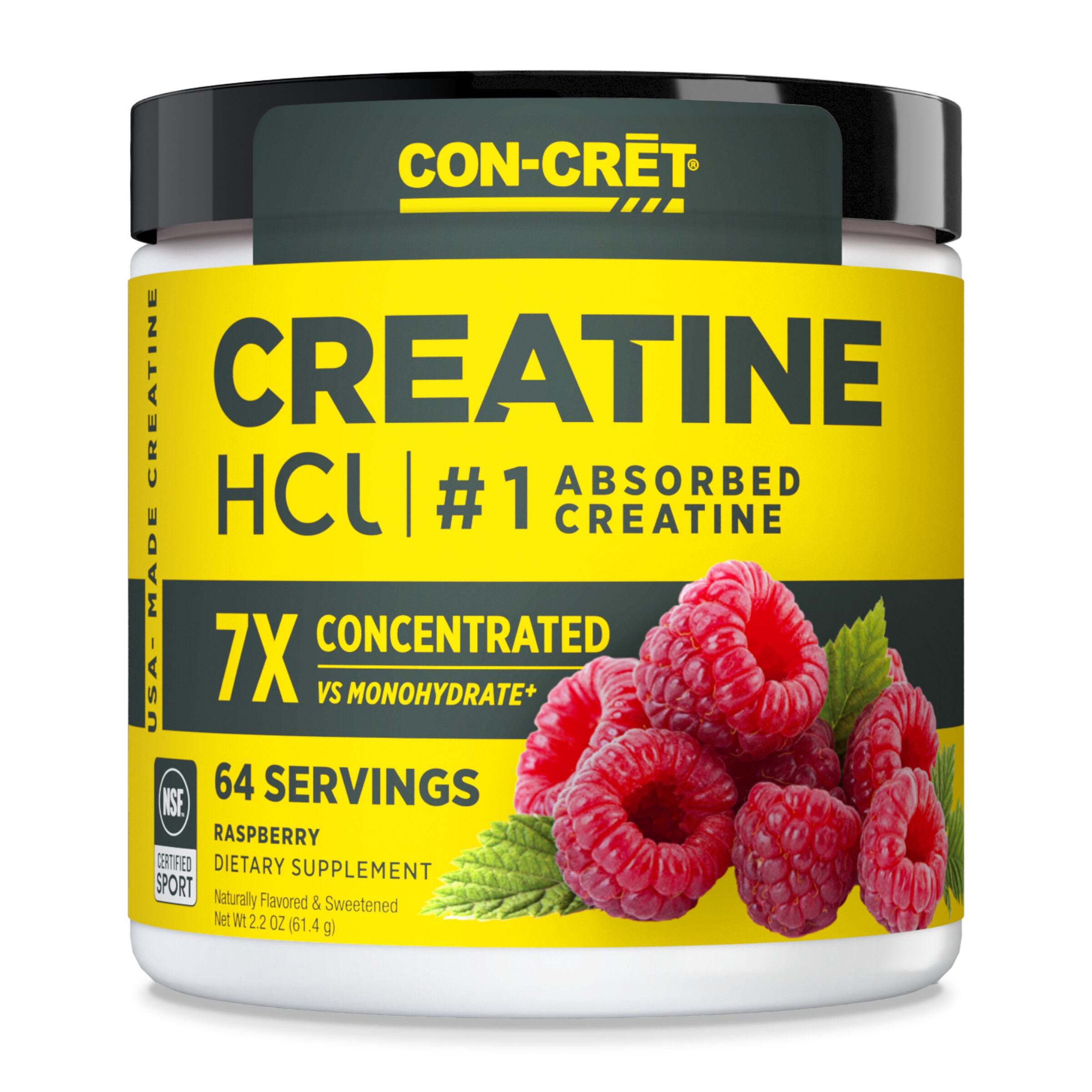
• Consistency is key. Take creatine daily, with or without food. Mix in water, your favorite beverage, or try a creatine gummy or chew.
• Stay hydrated. Creatine pulls water into your muscles, so drink plenty of fluids.
• Feeling bloated? You may notice some initial water weight gain when starting creatine (see note above about drinking plenty of water). This is totally normal and will subside with continued use.
• Learn more about my experience trying creatine for the first time here!

Final Thoughts
Creatine isn’t just a supplement – it’s a smart investment in a woman’s strength, energy, and long-term health. Whether you’re a woman in your 20’s building muscle, in your 40’s, balancing work and wellness, or in your 60’s, focused on staying active and independent – creatine can help support your journey in Living Well.


References:
1. Smith-Ryan AE, Cabre HE, Eckerson JM, Candow DG. Creatine Supplementation in Women's Health: A Lifespan Perspective. Nutrients. 2021 Mar 8;13(3):877. doi: 10.3390/nu13030877. PMID: 33800439; PMCID: PMC7998865.
2. Rae C, Digney AL, McEwan SR, Bates TC. Oral creatine monohydrate supplementation improves brain performance: a double-blind, placebo-controlled, cross-over trial. Proc Biol Sci. 2003 Oct 22;270(1529):2147-50. doi: 10.1098/rspb.2003.2492. PMID: 14561278; PMCID: PMC1691485.
3. Chilibeck PD, Kaviani M, Candow DG, Zello GA. Effect of creatine supplementation during resistance training on lean tissue mass and muscular strength in older adults: a meta-analysis. Open Access J Sports Med. 2017 Nov 2;8:213-226. doi: 10.2147/OAJSM.S123529. PMID: 29138605; PMCID: PMC5679696.
4. D.G. Candow, P.D. Chilibeck. Potential of creatine supplementation for improving aging bone health. The Journal of nutrition, health and aging, Vol14, Issue 2, 2010, 149-153, ISSN 1279-7707, https://doi.org/10.1007/s12603-009-0224-5.


Footer