



Christopher Davis, MD, FACC, is Chief Cardiologist at humanN.
As a cardiologist, I am often asked about the role Nitric Oxide (NO) plays in our health. Most people don’t realize how essential this molecule is, not just for the heart, but for the entire body. Every one of your 37.2 trillion cells needs Nitric Oxide to function properly. It’s involved in circulation, metabolism, immunityimmune health, and even how you feel day to day.
Here are four of the most common questions I get about Nitric Oxide and why I believe supporting its production should be part of every health routine.
1. What does Nitric Oxide do in the body?
Nitric Oxide, or NO, helps your blood vessels relax. This process, called vasodilation, allows blood to flow more freely. That’s important because blood delivers oxygen and nutrients to every cell. When your blood is flowing efficiently, your body performs better from your brain to your muscles to your heart.
When I work with patients, one of my goals is to support optimal circulation. Boosting Nitric Oxide production is one of the most direct and effective ways to do that. It’s a simple molecule, but it has a powerful impact.
2. How does Nitric Oxide affect overall health?
Nitric Oxide acts as a critical signaling molecule that touches nearly every system in the body. It supports your immune system’s ability to respond, promotes healthy platelet function, and aids in cellular energy production.
One of Nitric Oxide’s most important roles is helping to widen blood vessels, supporting healthy blood pressure and circulation. This improved circulation delivers vital oxygen and nutrients to your cells, promoting heart health and fueling the energy you need to stay active throughout your day.
However, as we age, the body’s natural ability to produce Nitric Oxide declines. Lifestyle factors like stress and poor diet can also reduce NO levels, making it even more important to support healthy production through diet, exercise, and targeted supplementation.
No compromise on taste or quality – two delicious flavors, Chocolate Truffle and Vanilla Crème, offer a smooth, creamy texture. Ultim8 is the ideal choice for optimal performance and recovery.
3. Can you get Nitric Oxide from food?
Yes, and I always recommend starting with diet. There are two main ways the body makes Nitric Oxide. One is through an enzyme called eNOS, which converts L-arginine into NO. The other is through dietary nitrates, which are found in certain vegetables and converted into Nitric Oxide in the body.
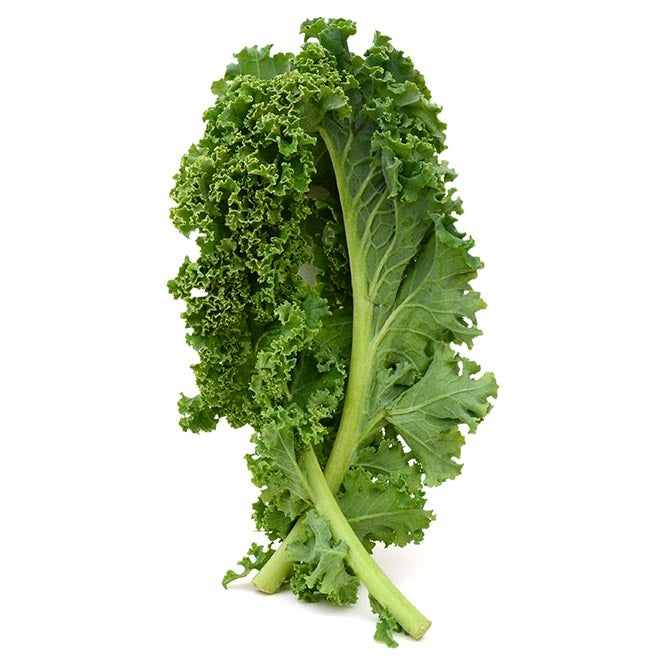
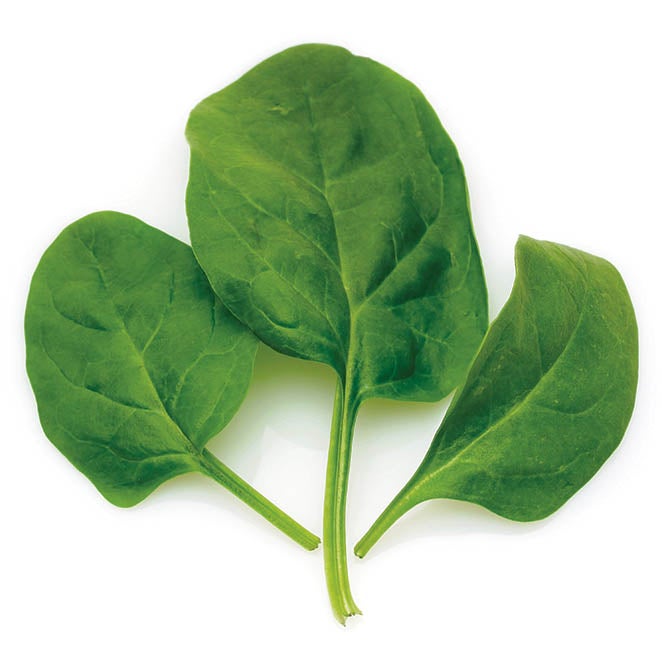
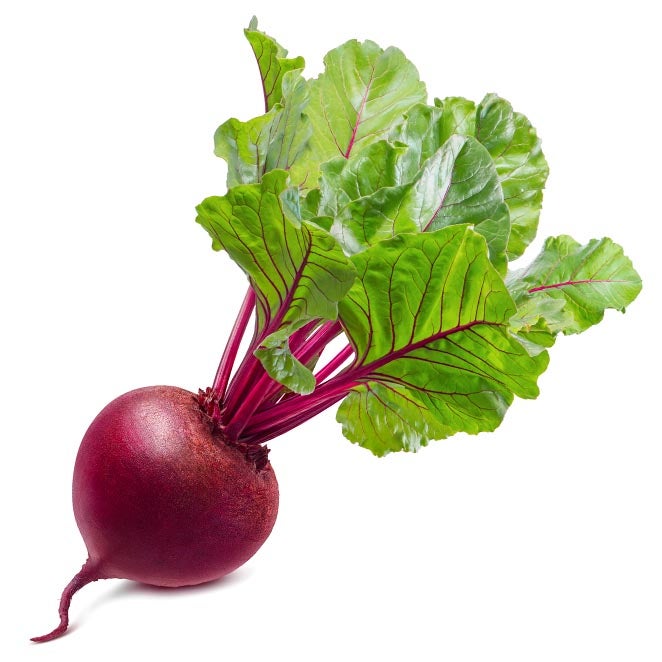
Foods like beets, spinach, arugula, and kale are great nitrate sources. Other nutrients, such as black garlic and grape seed extract, can help enhance the body’s own Nitric Oxide production.
That said, consistency is key and it’s where most people fall short. I’ve seen how the nutrient content in vegetables can vary significantly depending on growing conditions and processing. That makes it tough to rely on food alone for steady NO support.
4. Should you take a Nitric Oxide supplement?
For many of my patients, especially those concerned about cardiovascular health or looking to improve energy and endurance, I recommend a quality Nitric Oxide supplement as part of their daily routine. Need help finding a Nitric Oxide supplement? Shop GNC’s selection of nitric oxide products here.
Our body’s ability to produce Nitric Oxide naturally declines with age. Add in the effects of stress, poor diet, and environmental toxins, and it becomes even harder to maintain healthy levels.
That’s why I recommend humann’s supplements. They use clinically studied ingredients that support both the of the body’s Nitric Oxide pathways. They’re science-backed, easy to take consistently, and designed to help people support their cardiovascular health every day. Interested in shopping for humann’s products at GNC? Browse GNC’s selection of humann’s supplements here.
About Me
I’m Dr. Christopher Davis, a triple board-certified interventional cardiologist and Chief Cardiologist at humann. I completed my training at Johns Hopkins/Sinai Hospital and the University of Virginia, where I focused on advanced cardiovascular care. Today, I lead Reveal Vitality, a clinic focused on personalized, root-cause medicine. I believe in empowering people with tools that support lasting health and Nitric Oxide is one of those tools.

