While most of us can get the vitamins, minerals, and enzymes we need from the food we eat, many people turn to supplements to help fill in nutritional gaps. Choosing the right supplements for your needs certainly matters, but it’s also smart to think about how you take them.
For starters, when is the best time to take multivitamins and individual vitamin supplements? What factors influence that timing? Whether you’re new to the world of supplements or not, considering what time of day you take them can help you get the most out of the vitamins you take. Keep reading to learn more about vitamin timing, with specific guidance on some of the most commonly purchased supplements.
Why You May Want to Take Supplements at Certain Times of the Day
Several factors may influence how and when to take vitamins. These include, but are not limited to, the following.
The Foods You Eat Can Affect the Way You Absorb Certain Vitamins
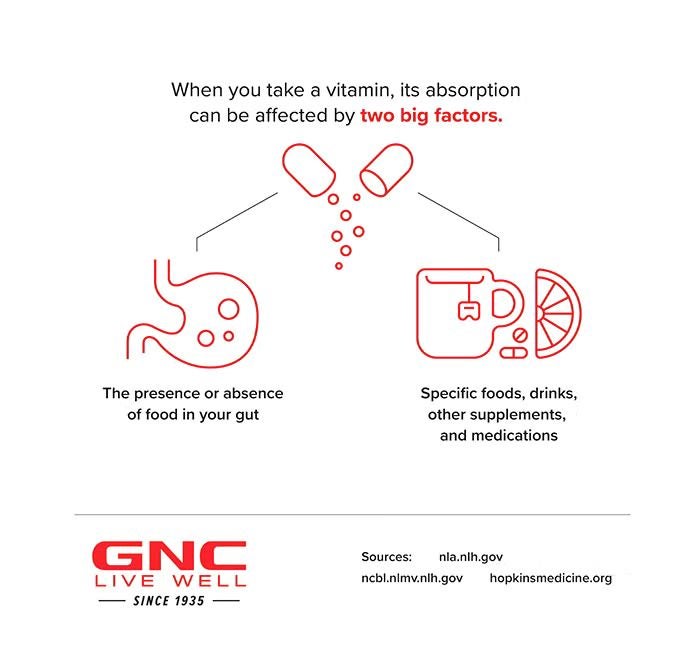
Certain foods, drinks, supplements, and medications can make it harder for your body to absorb a supplement. While your doctor may advise you to take a multivitamin with a meal, for example, they may suggest you take certain individual supplements (such as an iron supplement) on an empty stomach.
Some Vitamins Are Fat Soluble and Some Are Water Soluble
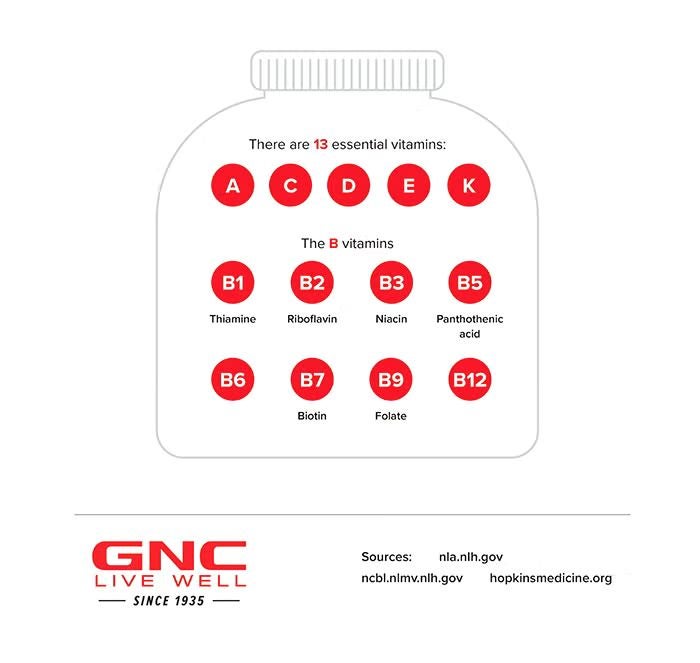
Of the 13 essential vitamins, nine are water soluble and four — vitamins A, D, E, and K — are fat soluble, which means you need fat in your diet to be able to absorb these vitamins. Keep in mind, research suggests that while you’ll absorb fat-soluble vitamins at a higher rate with a meal that contains fat, you may not need fat each time you consume a fat-soluble vitamin as you could already have some fat in your gut from previous meals.
Some Vitamins May Influence Sleep
While we need more research to better understand how vitamin supplements influence sleep, some researchers have found that certain vitamin supplements can stimulate sleep, while others interfere with it. For instance, several studies suggest vitamin D supplementation can improve sleep quality — perhaps because it can help alleviate pain for some people — but it may also for certain populations (such as postmenopausal women).
Timing Considerations for Some of the Most Popular Vitamin Supplements
Multivitamins
Because these comprehensive supplements usually contain fat- and water-soluble vitamins, the best time to take multivitamins is usually with a snack or meal that contains some fat. That’s because, as we discussed above, fat-containing foods increase absorption rate of vitamins A, D, E, and K.
Prenatal Vitamins
The best time to take prenatal vitamins comes down to the time of day that works best for you. For women who experience pregnancy-related nausea, taking a prenatal with a meal or splitting your dose so you take it twice a day (like with breakfast and dinner) can help.
Vitamin B12
While some studies suggest this supplement can improve sleep quality and duration, the best time to take vitamin B12 may be in the morning, since some people find it to be stimulating.
Folic Acid (Vitamin B9)
When deciding when to take folic acid, you may opt for during or just after a meal. If you are pregnant and experience morning sickness, you can try to time your folic acid supplement around periods of nausea.
Vitamin C
Since research shows this supplement can improve the absorption rate of iron, the best time to take vitamin C may depend on if and when you take an iron supplement.
Iron
Calcium, caffeine, high-fiber foods, and medicines that decrease stomach acid can reduce the amount of iron your body absorbs. The caveat? Iron supplements can lead to nausea when taken on a completely empty stomach, so you may want to take yours with a small snack or meal. Just be mindful of foods that contain calcium, fiber, and caffeine.
Calcium
From an absorption standpoint, research suggests it’s best to take calcium with food several times throughout the day.
Vitamin D
Research shows taking vitamin D with calcium can increase the absorption of calcium. With that in mind, the best time to take vitamin D may actually be several times a day if you take a calcium supplement that way.
Vitamin Timing: Next Steps
The bottom line on vitamin timing: It’s really up to you. Listen to your body and make adjustments if your vitamin routine — in tandem with a well-rounded diet that includes a wide variety of healthy, whole foods — does not serve you.
Start by reading the instructions on your supplements for timing guidance. Some labels take the guesswork out of the equation by directing you to take your supplement in the morning on an empty stomach, while others will tell you to space out your daily dose by taking a capsule with breakfast, lunch, and dinner, for instance.
Then let your doctor, pharmacist, and other healthcare providers know about any dietary supplements and medicines you take. They can help you time your supplement regimen in a way that helps you get the most out of your vitamins while avoiding any possible interactions with prescriptions or other supplements.
Setting your vitamin regimen helps you get the most out of your supplements. With a little research and preparation, your vitamins and supplements can help improve your quality of life.