




If you’ve ever found yourself standing in front of the refrigerator wondering why you walked there, waking up drenched in sweat at 3 a.m., or feeling like your emotions are riding a roller coaster you didn’t buy a ticket for, you’re not alone.
For many women, the years leading up to menopause can feel confusing, frustrating, and sometimes isolating. The good news? What you’re experiencing is incredibly common. Even better, there are practical strategies that can help you feel more like yourself again.
Let’s talk about what’s actually happening, the difference between perimenopause and menopause, and how nutrition, exercise, lifestyle habits, and targeted perimenopause supplements or menopause supplementers may help support you through this natural transition.
Perimenopause vs. Menopause: What’s the Difference?
Many people use the terms interchangeably, but they’re different stages of the same journey.
Perimenopause
Perimenopause literally means “around menopause.” It is the transitional period before menopause when estrogen and progesterone levels begin fluctuating. During this time, menstrual cycles may become irregular, and symptoms can appear even while you’re still having periods. Perimenopause can begin in your 40s, and for some women, even in their late 30s.
Menopause
Menopause on the other hand is a single point in time and officially occurs once you’re ve gone 12 consecutive months without a menstrual period. The average age is approximately 51 to 52 years. After that, a woman enters postmenopause.
A Simple Way to Think About It
- Perimenopause: The transition
- Menopause: The milestone
- Postmenopause: The years that follow
Common Perimenopause and Menopause Symptoms
Hormones influence nearly every system in the body, including the brain, muscles, bones, heart, skin metabolism, and sleep cycles. As estrogen levels fluctuate and eventually decline, symptoms can show up in many different ways.
You may experience:
- Irregular periods
- Hot flashes
- Night sweats
- Mood wings
- Increased irritability
- Brain fog or forgetfulness
- Sleep disruptions
- Low energy levels
- Weight gain
- Changes in body composition
- Changes in libido
- Hair thinning
- Urinary frequency
Not every woman experiences every symptom, and no tow journeys look exactly alike.
Let’s Normalize This
One of the most important things to understand is that menopause is a natural life stage that every woman experiences. Yet many women are caught off guard because we haven’t traditionally talked about it openly enough. Social media has started to change that.
The reality is that hormonal changes can affect how you feel physically, emotionally, and mentally. Feeling tired, forgetful, frustrated, or unlike yourself does not mean you’re failing. It means your body is adapting.
And while certain symptoms can be challenging, there is a lot you can do to support yourself during this transition.
How to Support Your Body During Perimenopause and Menopause
Let’s start with the basics:
Prioritize Protein
One of the biggest changes women experience during perimenopause and menopause is the gradual loss of lean muscle mass.
Protein becomes increasingly important for supporting muscle, strength, recovery, satiety, and healthy aging.
Aim to include a quality protein source at every meal, such as:
- Whey or plant protein
- Greek yogurt
- Eggs
- Fish
- Poultry
- Lean meats
- Tofu
- Cottage cheese
Research consistently shows that maintaining muscle is one of the most effective ways to support metabolism, physical function, and healthy aging.
Strength Training Is Non-Negotiable
If there is one exercise recommendation that deserves extra attention during this stage of life, it’s resistance training.
Strength training helps:
- Preserve lean muscle
- Support bone density
- Maintain metabolism
- Improve functional strength
- Support healthy aging
Aim for two to three sessions per week.
Focus on Bone Health
Declining estrogen levels can increase the risk of bone loss over time. Nutrients that become especially important include:
- Calcium
- Vitamin D
- Magnesium
- Protein
Weight-bearing exercise also plays a critical role in maintaining bone strength.
Support Sleep
Poor sleep can magnify many menopause symptoms, including mood changes, brain fog, appetite shifts, and fatigue. Helpful habits include:
- Keeping a consistent sleep schedule
- Limiting alcohol close to bedtime
- Creating a cool sleeping environment
- Managing stress throughout the day
- Staying physically active
Best Supplements for Perimenopause and Menopause Support
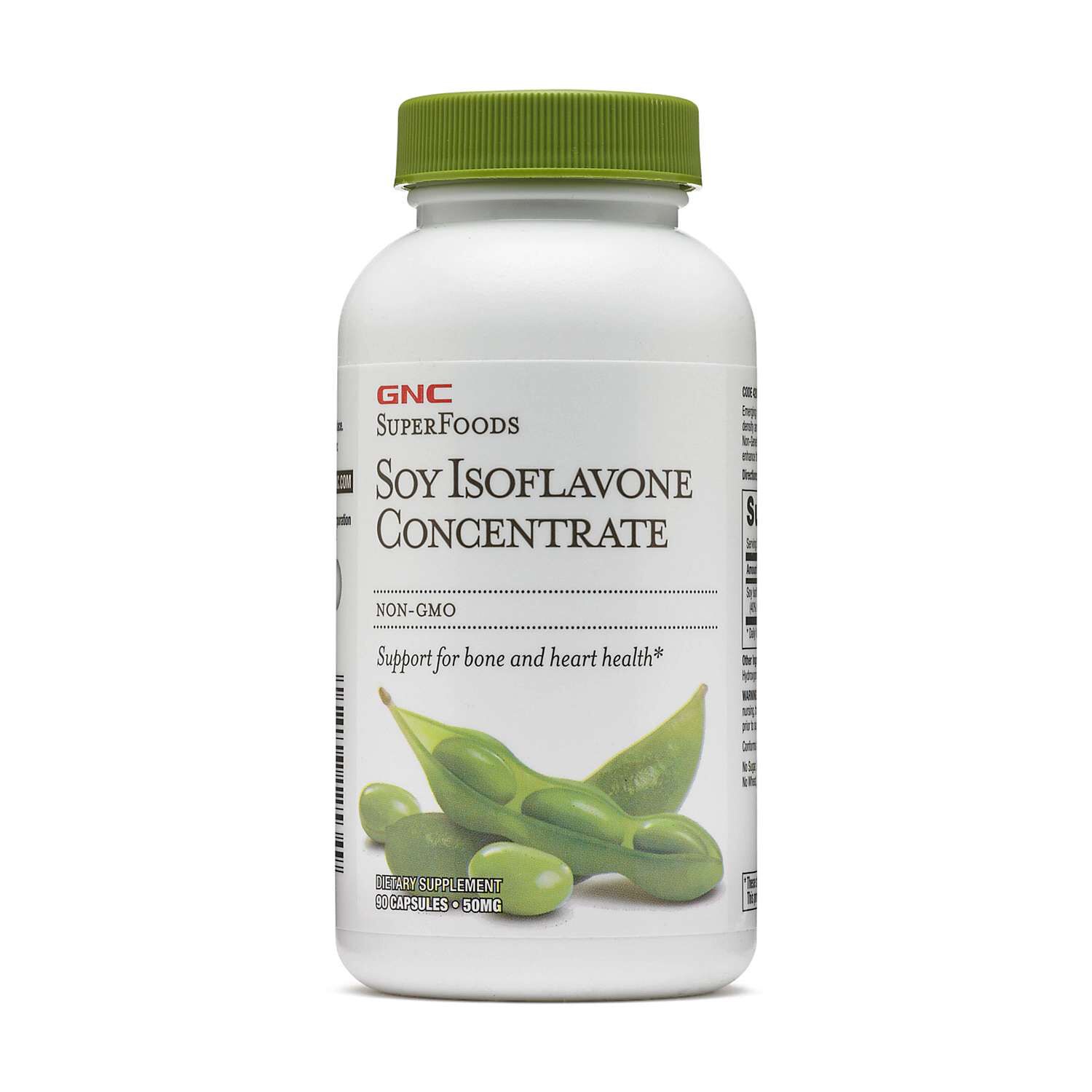
Dietary supplements can be a valuable tool alongside healthy lifestyle habits, especially when they are used to help support common needs during perimenopause and menopause, such as sleep, mood, bone health, muscle health, and overall wellness.
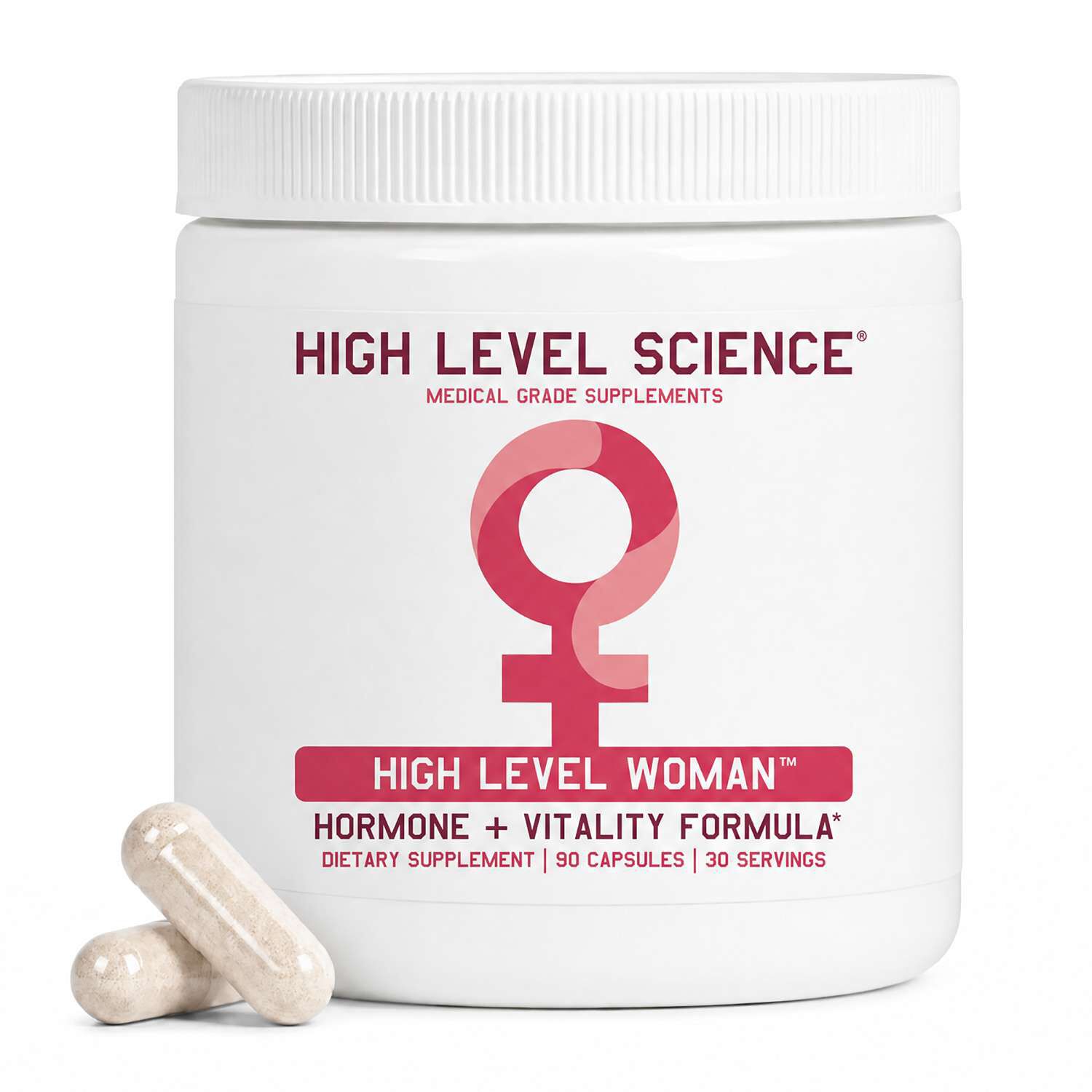
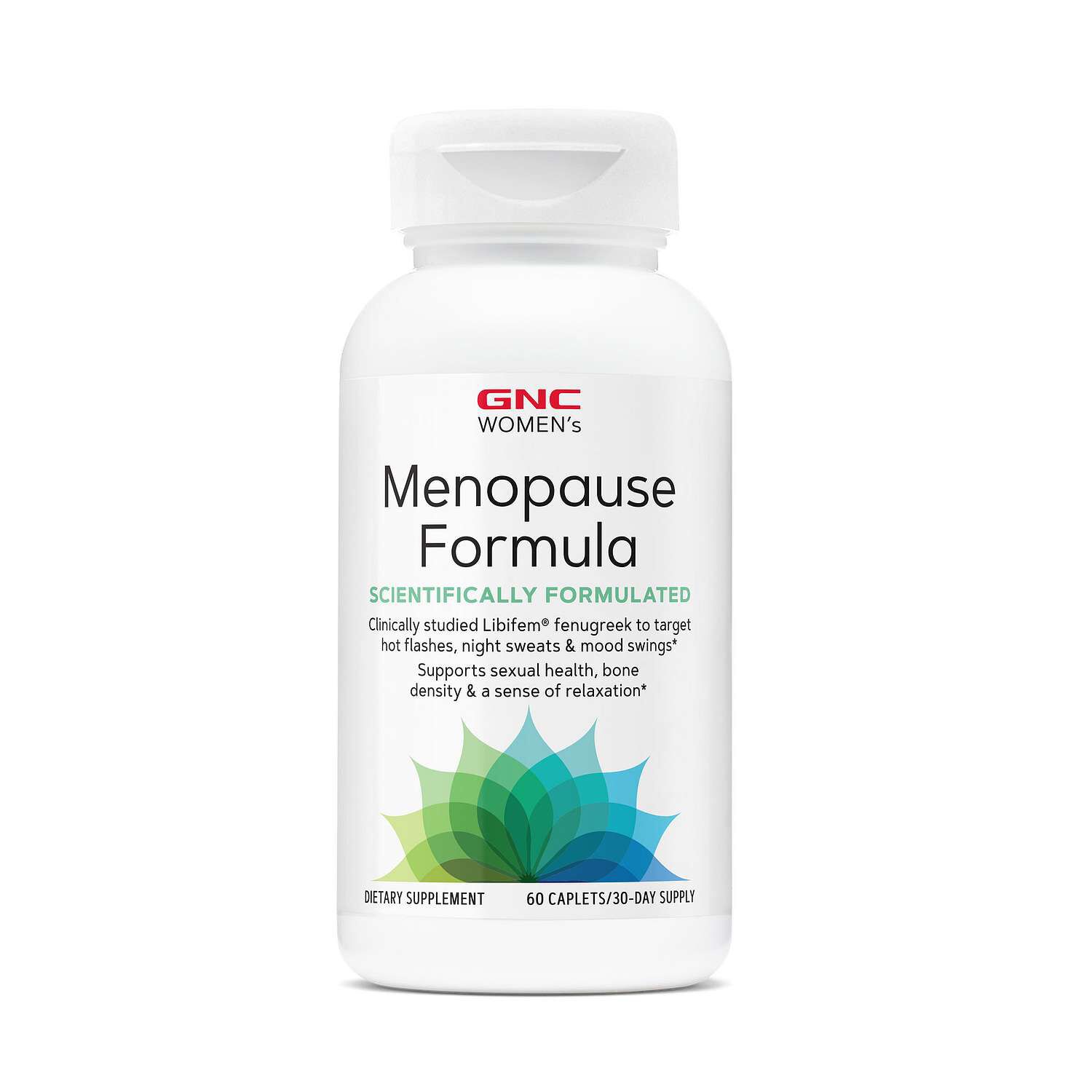
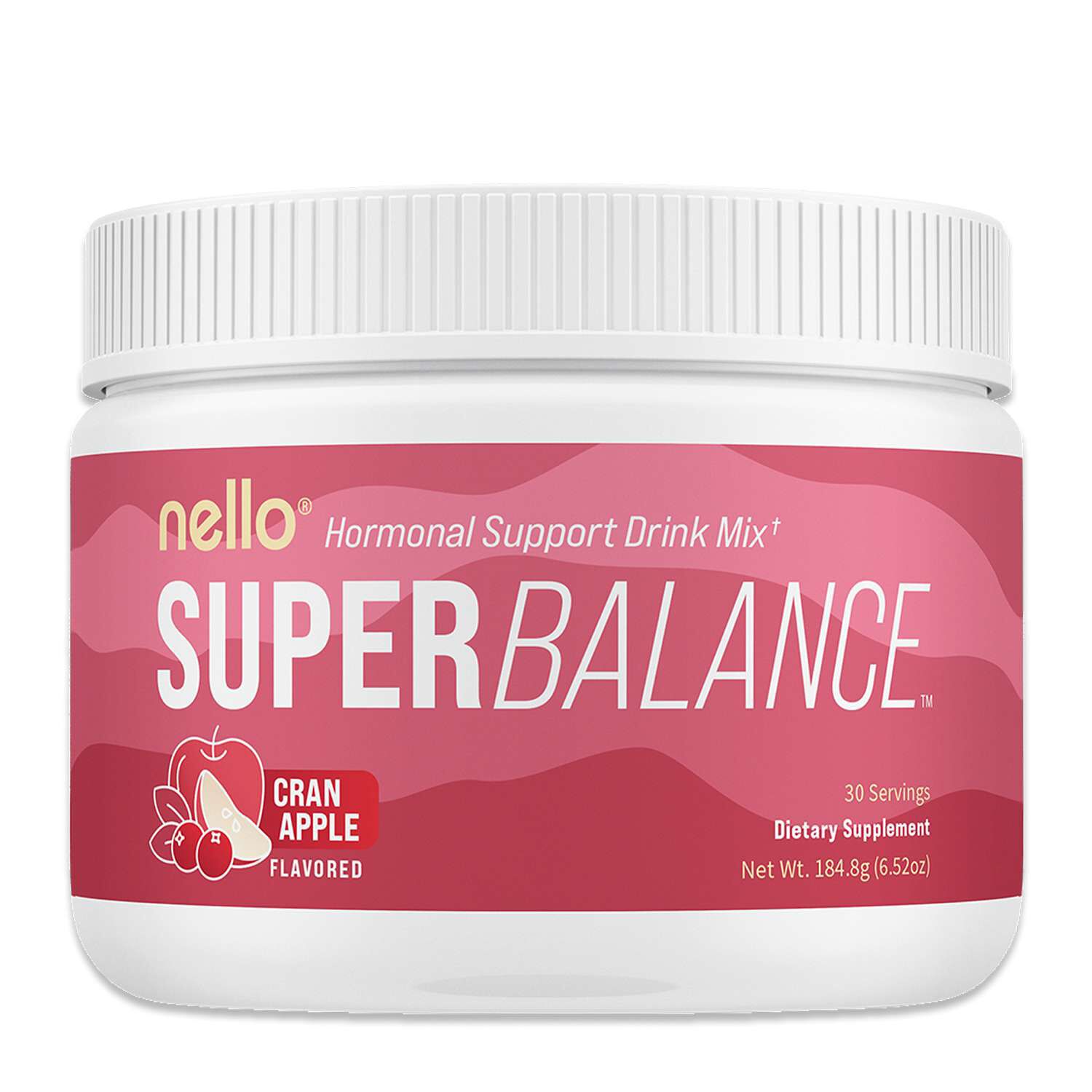
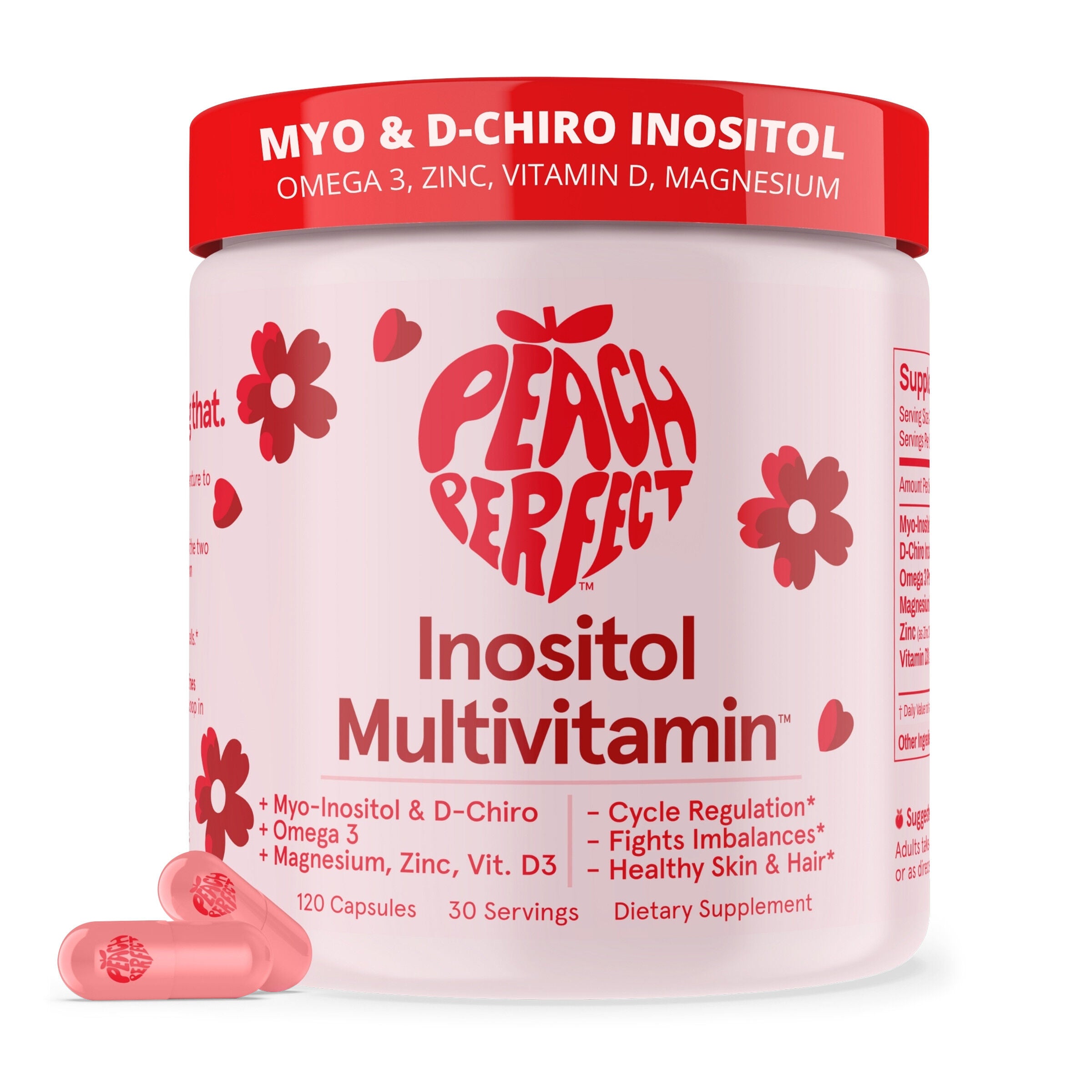
Multivitamin
A quality multivitamin can help fill common nutritional gaps and provide foundational support for energy, immune health, and overall wellness.
Magnesium
- Muscle relaxation
- Sleep quality
- Mood
- Stress management
Omega-3 Fish Oil
Omega-3 fatty acids provide support for:
- Heart health
- Brain health
- Joint comfort
- Healthy inflammatory response
- Overall wellness
Vitamin D3
Vitamin D helps support:
- Bone health
- Muscle function
- Immune health
Many adults do not consistently meet their vitamin D needs through diet or sun exposure alone.
Creatine
While often associated with athletes, creatine is gaining attention in women’s health. Emerging research suggests creatine may help support:
- Lean muscle mass
- Strength
- Exercise performance
- Healthy aging
- Cognitive function
Combined with strength training, creatine can be a valuable addition during midlife.
Botanicals for Menopause
Several botanicals have been studied for menopause-related symptoms, including:
- Black cohosh
- Shatavari
- Fenugreek-based ingredients
Some research suggests these ingredients may help support comfort during menopause, including hot flashes, mood, sleep, and overall wellbeing.
Bottom Line: Menopause Support Starts with Daily Habits
Perimenopause and menopause are significant transitions, but they are also completely normal parts of a woman’s life journey. While changing hormones can bring challenges, they don’t have to define this chapter. A strong foundation of nutrition, protein intake, resistance training, quality sleep, stress management, and targeted supplementation can help support your body through the transition and beyond. This is a new chapter, not the end of the story. And with the right support from GNC and our Women’s Hormone Health collection, it can be one of your strongest yet!

