


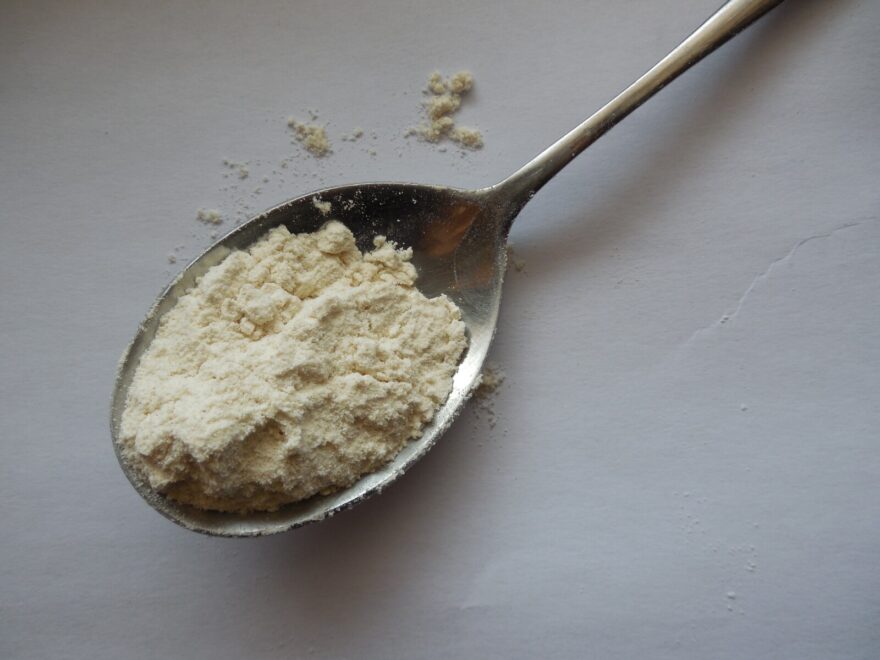
Collagen is everywhere right now – available on its own in drinks, powders, and added to other foods and supplements. With so many options available, you might be wondering why so many people are adding it to their routines and whether or not collagen is right for you. Specifically for women, what is the importance of collagen for our health? Read on to learn more about what collagen is, how it functions, what options you have to buy collagen or get it in your diet and why it is important for your health.
What is Collagen?
Collagen is a protein found responsible for healthy joints and skin elasticity. It’s a connective tissues found in our muscles, bones, hair, and skin and considered a structural protein. Collagen is so common that it actually makes up just less than 1/3 of the total protein in our body [1]. Like all proteins, collagen is made up of smaller building blocks called amino acids or peptide chains. When we take in collagen, our body can use these amino acids and peptide chains for growth and repair of many different tissues.
There are many different types of collagen proteins, with the most common being Type I, II , and V [2]. Type I is most commonly found in bones, tendons and organs, while Type II is found more in cartilage. Collagen Type V is most frequently found in skin, hair, and nails [2]. Most collagen supplements contain Type I and are made from the tissues in animals that contain high concentrations of collagen. Gelatin is one form of collagen that you’ve probably consumed all of your life without thinking about it as collagen.
Read More: Types of Amino Acids
What does collagen do?
Collagen is made by our bodies to support growth and repair of our bones, joints, muscles, hair, skin, and nails. But as we age, the production of collagen slows down. Slower collagen production can impact the aging skin, bones, and muscles. Luckily there are many ways that you can incorporate collagen into your diet, both in the form of collagen supplements and foods that contain collagen.
What are the benefits of collagen?
Collagen benefits for women include support for skin health, joint support, and a good protein source. Collagen helps support the structure of healthy skin [3]. While it is thought that ingesting collagen means that it will replace the collagen we lose as we age, this is still being studied.
Some scientists think that taking hydrolyzed (partially broken down) collagen will make the body “think” that collagen is breaking down too quickly and will increase our own collagen production. When we ingest any type of protein, our body breaks it down into its smaller amino acid components, and then uses those amino acids to rebuild or repair where they are needed the most. This could include our bones, joints, muscles, hair, nails, or other parts of our body.
Why is collagen important for women’s health?
So what is the best collagen supplement for women? Not only does collagen help support the structure of healthy skin, but collagen is also crucial for the health of our bones. Women are at higher risk for loss of bone mass and bone mineral density (osteoporosis). Collagen can also help add to your protein total for the day. There are other ways you can use a healthy lifestyle to protect your body’s collagen stores – like using SPF when out in the sun, not smoking, and using resistance exercise (like weight training) to support your bone and muscle health.
Are there any side effects of taking collagen?
Many of the research studies on collagen show there are no side effects of using it regularly [4]. Because our body makes collagen, it is unlikely to react poorly to food or supplement sources of collagen alone. Even some animal-based collagen products that may be sourced from fish, cow, or pig collagen are broken down (hydrolyzed) to the point where there is little to no concern about allergies.
What types of collagen are available for women?
Consider your goals when deciding what type of collagen for women to look for – Type I is best for bones while both Types I and V have been studied for their effects on skin health [5]. Type I is found in marine (fish), porcine (pig), and bovine (cow) sources (don’t worry – most of them have no taste at all). Hydrolyzed collagen and collagen peptides are the easiest for our bodies to absorb. Whether you choose a liquid collagen, a capsule form, gummies or a powder, check the label to make sure the types of collagen and level of processing align with your goals.
How do I use collagen?
Follow the instructions on the label for optimal dosage of the products you purchase. Powdered collagen can be added to smoothies or protein shakes, and also dissolves well in warm beverages like coffee or tea. Collagen beverages can help you stay hydrated but make sure they don’t have a lot of added sugar or calories. Gummies and collagen capsules can be nice to take on the go. Because collagen offers benefits that are not specific to athletic performance, you can take it any time of day or night, with or without other supplements or foods.
Can I get collagen from foods?
You can get collagen in your diet through the animal sources where many collagen supplements come from. Eating beef liver, canned salmon, sardines with bones, and chicken or turkey with the skin can contribute collagen to your diet. Homemade or canned bone broth and gelatin are other common food sources of collagen. Since these foods aren’t always part of your daily diet, taking a collagen supplement can give you an extra boost towards supporting healthier skin.
Although aging is unavoidable, collagen is an important component of bone, muscle, skin – and overall – health. Creating positive lifestyle habits and incorporating collagen supplements or foods with collagen can also support healthy skin. Understanding the different types of collagen and paying close attention to labels on foods can help you choose the best sources of collagen to add to your diet.
References
- Lodish, H., Berk, A., Zipursky, S. L., Matsudaira, P., Baltimore, D., & Darnell, J. (2000). Collagen: the fibrous proteins of the matrix. Molecular cell biology, 4.
- Maynes, R. (Ed.). (2012).Structure and function of collagen types. Elsevier.
- Reilly, D. M., & Lozano, J. (2021). Skin collagen through the lifestages: importance for skin health and beauty.Plastic and Aesthetic Research, 8, 2.’
- Bolke, L., Schlippe, G., Gerß, J., & Voss, W. (2019). A collagen supplement improves skin hydration, elasticity, roughness, and density: Results of a randomized, placebo-controlled, blind study.Nutrients, 11(10), 2494.
- Kim DU, Chung HC, Choi J, Sakai Y, Lee BY. Oral Intake of Low-Molecular-Weight Collagen Peptide Improves Hydration, Elasticity, and Wrinkling in Human Skin: A Randomized, Double-Blind, Placebo-Controlled Study. Nutrients. 2018 Jun 26;10(7):826

