
Share With Others!
Are you thinking about starting a liver detox? The liver does so much more than just detoxifying the body. It’s a powerhouse organ with over 500 functions.1
Located in the upper right portion of the abdomen, all of the blood that leaves the stomach and intestines are sent to the liver. That’s where the liver helps to regulate the levels of several chemicals in the blood, utilizing what the body needs and excreting what it doesn’t need through waste.1 Some of the most important functions of the liver are listed here.1, 2
- Breakdown and storage of nutrients from food, including the metabolism of macronutrients (fat, carbohydrates and protein) and the storage of micronutrients (such as iron, copper, and vitamins A, D, E, K and B12).
- Production of bile, used to digest fats and help remove waste.
- Production of plasma proteins (such as albumin) and regulation of amino acids levels in the blood.
- Detoxification of foreign chemicals (such as drugs, hormones, alcohol and other toxins) using enzymes to metabolize and excrete them.
Because it plays such a vital role in detoxification and metabolism it’s important to keep your liver in tip-top shape.
READ MORE: Cleansing And Detox Drinks
A Healthy Lifestyle
- Maintaining a healthy weight.
- Increasing physical activity, aiming for at least 150 minutes per week.
- Monitoring alcohol consumption. Because the liver is responsible for breaking down alcohol, it’s important to keep excessive drinking at a minimum.
- Talking to your doctor about all prescription and over the counter drugs you are taking, since many drugs are processed by the liver.
- Trying to avoid exposure to harmful chemicals and toxins. Also taking precautions such as washing fruits and vegetables before eating, and using cleaning products in well-ventilated areas.
- Reducing your consumption of foods high in saturated fats and refined sugar.
- Increasing your intake of fruits and vegetables that have bright, deeply pigmented colors. The brighter the color, the more beneficial nutrients and antioxidants it contains.
What About Specific Nutrients And Ingredients?
Let’s dig into the research.
Emerging Research
There is emerging and early research that suggests there may be a connection with certain foods (listed here) and their nutritional compounds to support liver health. However, there needs to be more robust human studies to confirm this connection.
- Artichokes11
- Nuts12
- Olive oil12
- Berberine: a compound found in plants such as goldenseal, Oregon grapes and tree turmeric13
- Alpha-lipoic acid: an antioxidant present in broccoli, tomatoes and spinach14
- Betaine: a compound found in wheat, shellfish, spinach and beets15
If you have questions about your liver health, talk to your primary healthcare provider, such as your primary care physician or a virtual doctor through GNC Health, about the best plan and diet that’s right for you. Your liver will thank you.
Choline
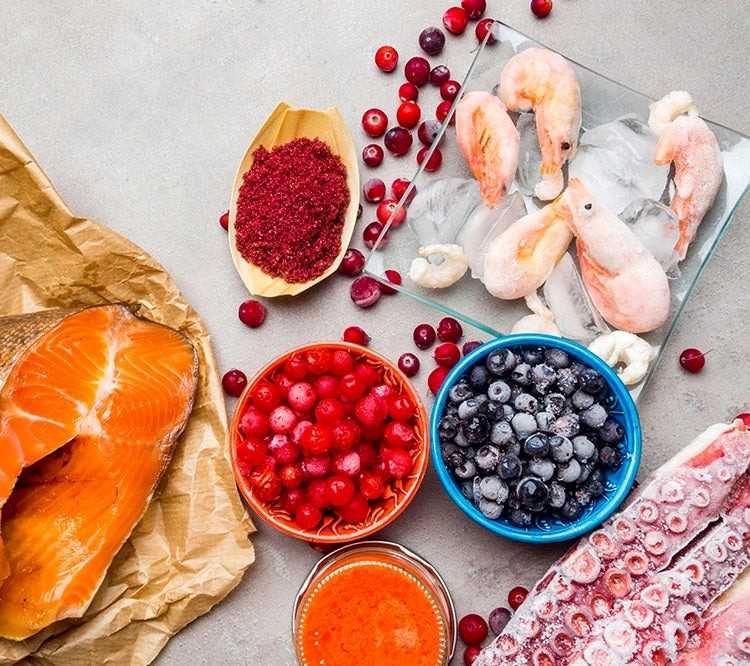
Choline is an essential nutrient that the body can produce on its own, but only in very small amounts. Therefore choline must be consumed through the diet for the body to function properly. A deficiency of choline has been associated with liver issues such as fat deposits. Choline-rich foods include beef, eggs, certain seafood (scallops, cod and shrimp), brussels sprouts, broccoli and milk. It can also be found in various dietary supplements like multivitamins or sold separately as choline or lecithin (another source of choline).5
Milk Thistle
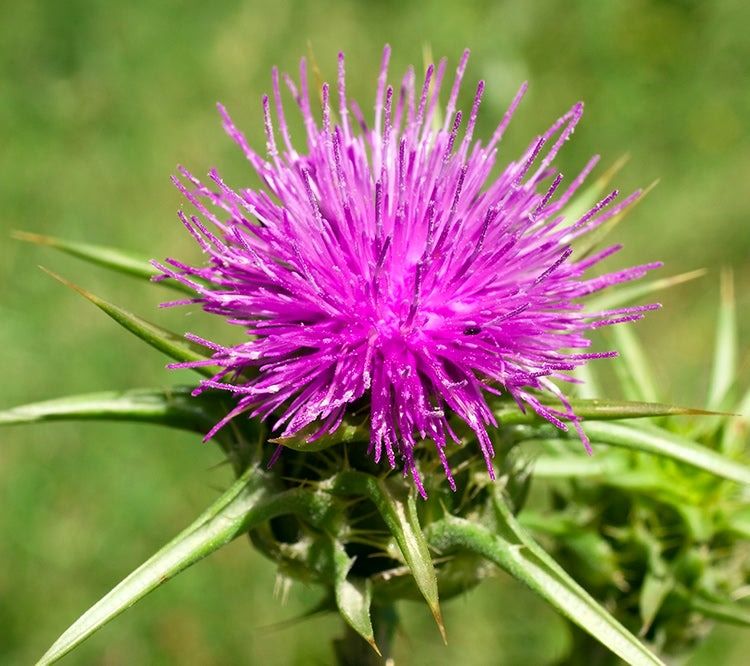
Milk thistle is a flowering herb that has traditionally been used for liver and gallbladder issues. It contains beneficial compounds such as silymarin that have an antioxidant and anti-inflammatory effect.4 Research shows that milk thistle plays a role in supporting liver health.
SAM-e
S-adenosylmethionine (SAM-e) is made in the body from methionine, an amino acid found in food. Abnormal levels of SAM-e in the body have been linked to liver and mood issues. While there are studies in animals that show SAM-e may be beneficial for the liver, more high-quality research is needed in humans.6
Antioxidants
Known as the body’s “master antioxidant,” glutathione is a combination of three amino acids. Because glutathione is found in high concentrations in the liver, it’s important that adequate amounts are present to ensure optimal liver health and function.7
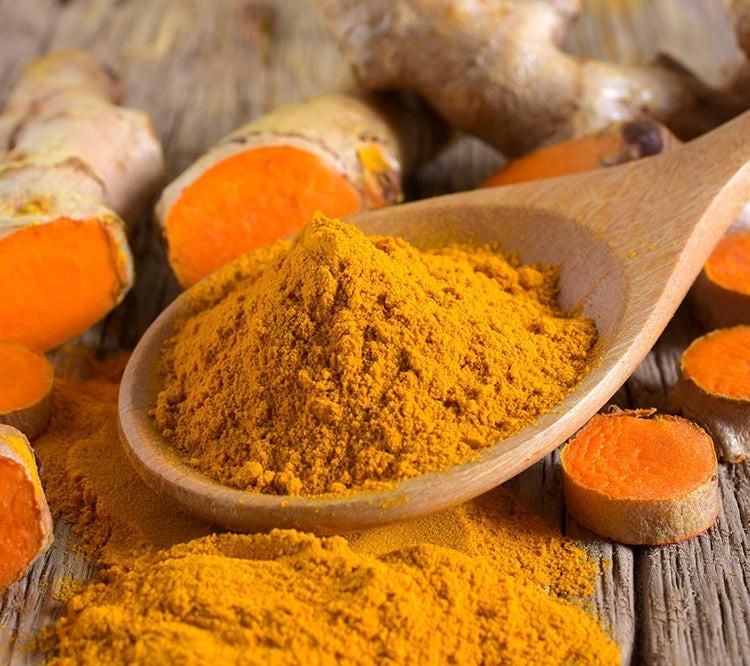
Another powerful antioxidant is curcumin, the active compound found in the botanical turmeric. There is early research that indicates curcumin’s antioxidant activity can have a beneficial effect on liver health. 8