



Immune health has never been more top-of-mind than it has over the past few years. While it’s always important to check in with your physician if you start feeling under the weather, you may be looking for more natural ways to stay healthy. You can make positive lifestyle changes, such as exercising, reducing your stress, getting adequate sleep, and eating a healthy diet. But when it comes to a healthy diet, you may be wondering: “Are there foods that boost immune system health?” “Should I focus on specific types of foods that boost immunity?”
To help you on your next grocery trip, we’ve compiled our favorite immune-supporting foods.
READ MORE: Tips To Support Your Immune Health
Top 5 Immune Boosting Foods
Yogurt
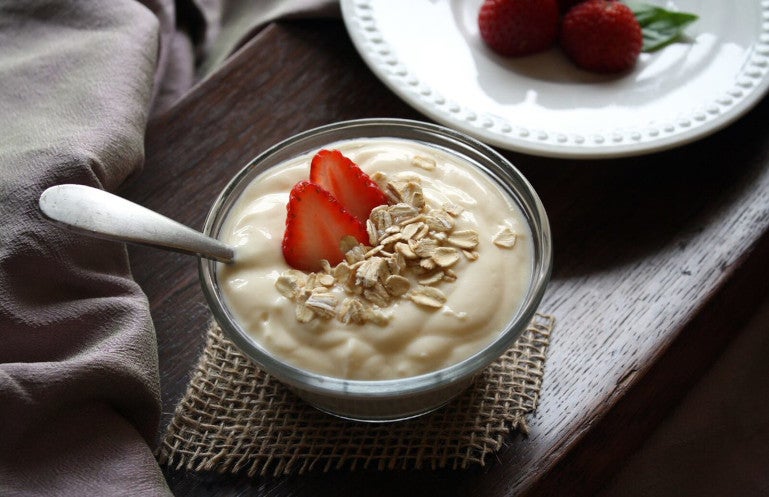
Yogurt is a dairy product that is fermented with live bacteria cultures. Once you consume yogurt, the live bacteria act as a probiotic in your gut, offering benefits not just to your digestive system, but your immune system as well.
Is there a connection between the gut and your immune system? Absolutely. In fact, 70% of immune cells reside in the gastrointestinal tract! (1) That’s why it’s important to keep your gut health in check when trying to keep your immune system in tip-top shape.
When reading yogurt labels, it’s important to look for the words “live and active” bacteria. You may also notice a dose of probiotics in “colony forming units” or CFUs. Bacteria are tiny, tiny, tiny, and our gut microbiome is home to trillions of them. So don’t be shocked when you see doses of probiotics in the billions of CFUs!
READ MORE: Gut Health and the Immune System: Is There A Connection?
Strawberries
Strawberries are packed with vitamins, but there is one in particular, that’s key to the immune system – Vitamin C. This micronutrient is a protective antioxidant that impacts both innate and adaptive immunity. (2) In fact, just 1 cup of whole strawberries provides over 84mg of Vitamin C (3). For women, this is over 100% of your daily needs and for men it’s over 90% of your daily requirement for Vitamin C. Thank you strawberries! Plus, they’re great for the whole family. Cut them into bite-size pieces for your kids or throw them in a smoothie for a drink your immune system will thank you for!
READ MORE: The Best Foods to Find Vitamin C for Kids
Milk
Nearly all milk is fortified with an immune system powerhouse – Vitamin D! Vitamin D is important to a well-oiled immune system. Just one cup of milk provides over 100 IU (international units) of Vitamin D, which is 16% of what you need in a day. (4) The majority of us aren’t getting enough Vitamin D supplement through food or sunlight, so fill up your cup with refreshing (vitamin D-rich) milk!

READ MORE: Vitamin D Deficiency—How Can You Tell If You Have One?
Beef
What’s the beef with beef? From an immune standpoint, beef is great because it is packed with a key mineral – Zinc! Not getting enough zinc can impair the body’s immune response.(5) If you’re ready to make a burger, that 6oz ground beef patty will provide you 10mg of zinc.(6) For women, that’s over 100% of the daily requirement for zinc supplements and for men it’s over 90%.
READ MORE: What is Zinc?
Salmon
Not only does salmon provide healthy fats, it’s also rich in Vitamin B6. This key B vitamin plays a role in immune system function. And cooking up 6 ounces of salmon will give you 1.6mg of Vitamin B6, which is what you need for the entire day! (7)
READ MORE: ABCs of Vitamins: Vitamin B6, B12, & Folate
If you’re ready to give your immune system a tune up, look for foods that provide probiotics, vitamin C, vitamin D, vitamin B6, and zinc. Our favorites are yogurt, strawberries, milk, beef, and salmon. What recipe will you try next?


