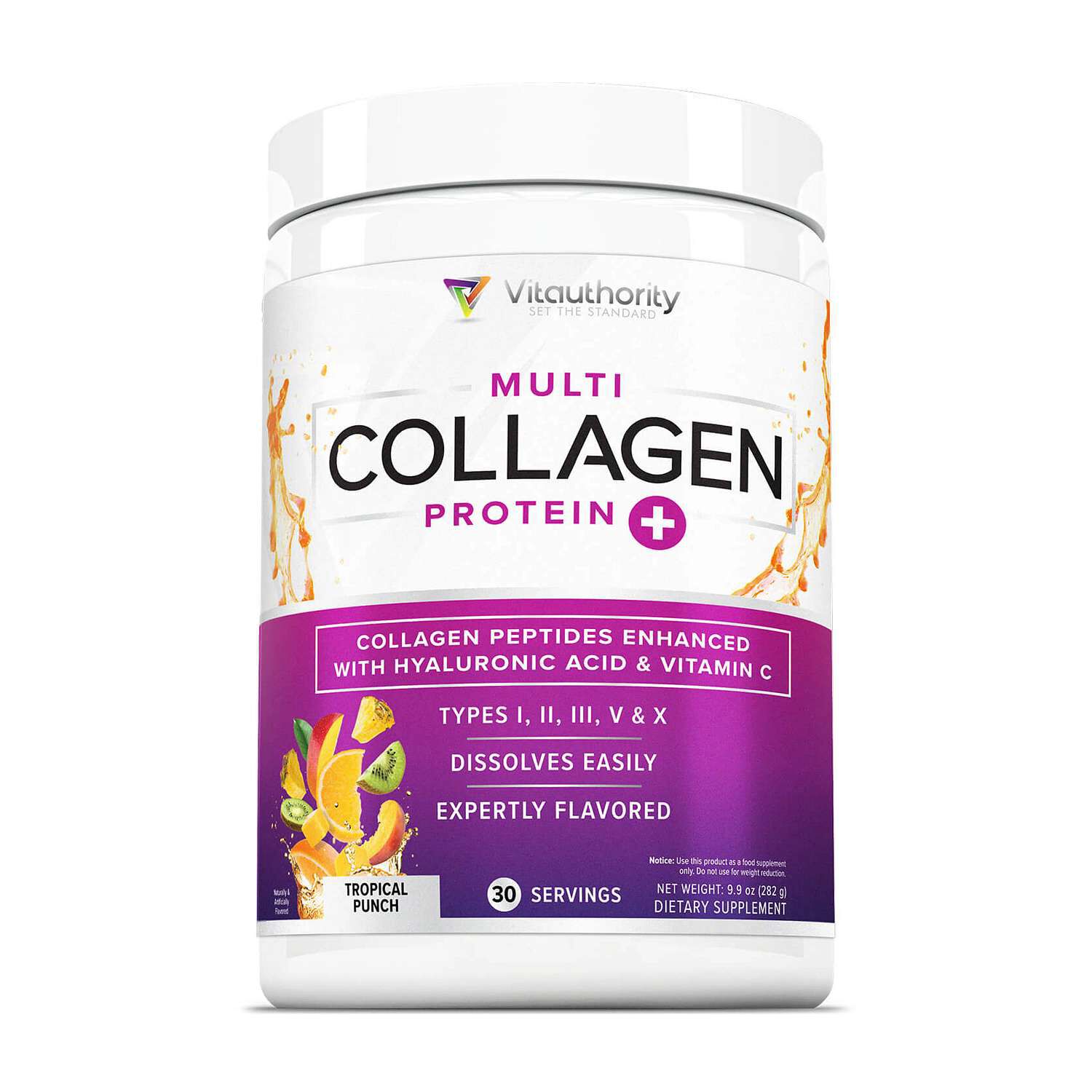
Fruit punch amino acid powders are powdered dietary supplements that combine amino acids with a familiar, fruit-inspired flavor and are intended to be mixed into a drink. Often associated with training routines, these powders may support muscle recovery after exercise, depending on the formula and its intended use. The fruit punch profile generally brings together bright, sweet, and tart notes rather than the taste of a single fruit, giving this category a different character from straightforward citrus or berry flavors. Amino acids are the building blocks of proteins, and formulas differ in which amino acids they contain and how much of each is included per serving. BCAA powders feature the branched-chain amino acids leucine, isoleucine, and valine. Formulas labeled with EAAs generally contain the nine amino acids the body cannot make in adequate amounts and must obtain through the diet. A blend centered on those three branched-chain amino acids is not the same as a formula containing all nine, even when both share the same fruit punch flavor. Other amino acids may appear alongside these groups, so the name on the front of the container tells only part of the story. The Supplement Facts panel offers a more detailed picture of the formula, including the serving size and the listed amounts of individual ingredients or blends. These powders are also different from protein powders, which typically provide protein from sources such as dairy or plants rather than a selected amino acid mixture. They sit alongside, rather than replace, meals and snacks that contribute protein and other nutrients. For someone who enjoys resistance training, recreational sports, or an established gym routine, fruit punch amino acid powders may offer a convenient way to include amino acids in that routine. Their intended role depends on the composition of the powder, not simply its color, flavor name, or placement among other workout supplements.
Within this category, flavor and formula deserve separate attention. A fruit punch name describes the flavor experience, but it does not establish that a powder contains fruit juice, fruit pieces, or any particular fruit-derived ingredient. The ingredient list is the place to identify flavorings, sweeteners, coloring ingredients, and other components that matter to individual preferences. Some fruit punch profiles lean toward rounded berry sweetness, while others have a sharper citrus character or a more noticeable tart finish. Sweetness, aroma, and mouthfeel also vary, especially for shoppers accustomed to either lighter flavored drinks or richer shakes. Serving directions provide the intended amount of water, while the suggested mixing range offers context for how concentrated the prepared drink is meant to be. Beyond flavor, the amount of amino acids per serving is a useful point of comparison because scoop size alone does not describe the amino acid content. A larger scoop may contain a different combination of flavoring ingredients, electrolytes, and other components rather than a greater amount of the same amino acids. Clearly listed ingredient amounts offer a different degree of detail from a blend listed under a single combined weight. Some formulas also include electrolytes such as sodium and potassium. These ingredients are distinct from amino acids, and formulas containing them may support hydration around exercise when used as directed. A fruit punch flavor by itself does not indicate an electrolyte formula. Caffeine content is another meaningful distinction, particularly for someone considering a drink for an evening workout or alongside coffee and other caffeinated beverages. Ingredient preferences, dietary suitability, and labeled serving instructions all belong in the comparison. The most relevant differences are often found in those details rather than in the intensity of the flavor name or the appearance of the powder.
Everyday use brings its own practical considerations, from the size of the mixing bottle to the way the powder is stored between servings. Fruit punch amino acid powders are commonly prepared with water in a shaker bottle or another container suited to the label’s mixing directions. A bottle with enough room for both the recommended water amount and the powder leaves space for mixing, while a secure lid matters when that bottle goes into a gym bag. Texture is part of the experience, too: a shopper who prefers a light drink may have different expectations from someone accustomed to a thicker protein shake. Mixing directions and ingredient information are useful reference points for understanding the intended preparation. Some powders call for shaking, while others specify stirring; the directions on the container take priority over assumptions based on a different supplement. Serving measurements matter as well, since one scoop is not a universal amount across formulas. A dry scoop, a tightly closed lid, and storage according to the package directions are sensible considerations for a powder that will be opened repeatedly. Moisture from a recently rinsed scoop or a damp preparation area is worth keeping away from the container. A clean bottle is equally relevant for a drink prepared before leaving home or mixed after a training session. For a regular gym-goer, the appeal may be a familiar punch flavor in a water-based format; for a recreational athlete, it may be a formula suited to an existing exercise routine. Neither preference requires the same amino acid blend, sweetness profile, or additional ingredients. Shoppers interested in comparing punch with other fruit-inspired flavor families can explore
Fruit Flavored Amino Acids while keeping those formula differences in view. Across fruit punch amino acid powders, the strongest match is a combination of ingredient composition, labeled use, flavor preference, and preparation requirements that fits naturally into the way someone already trains and organizes the day.


 Heart health
 Stress, Mood & Sleep
 Fiber & Digestion
 Energy & Focus
 Men's Health
 Women's Health
 Sign In