



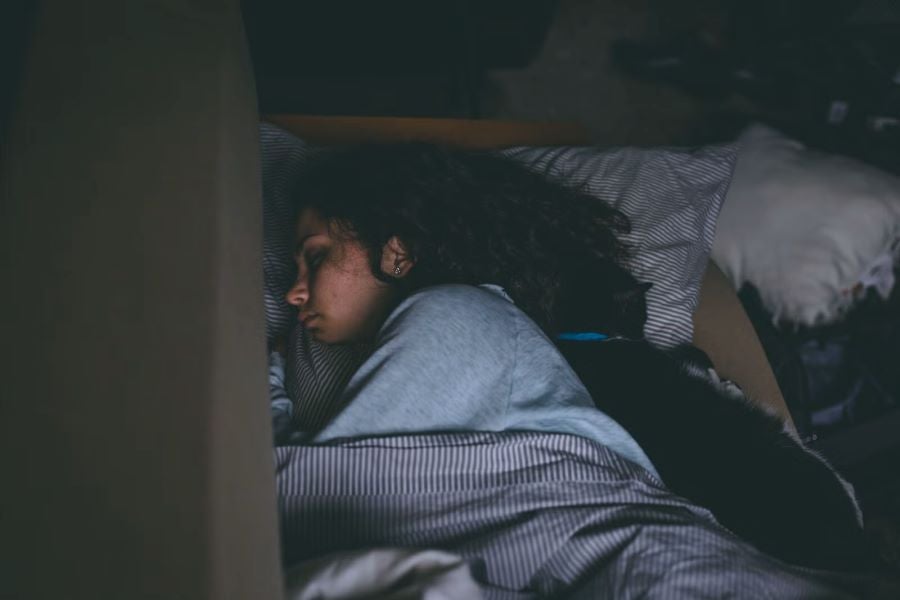
It’s my favorite time of the year, Daylight Savings, spring forward! The days become longer, which means more time to soak in the sunlight. I am a sucker for longer days of sun but with it means losing an hour of sleep. This biannual time change might not seem to be a big deal but shockingly losing an hour of sleep can potentially knock you off your feet.
Changes in daylight savings time does impact our sleep routines. Even though it’s only 60 minutes, our circadian rhythms are sensitive. The change in daylight savings is less aligned with our natural circadian biology [1]. Therefore, helping align our circadian rhythm during daylight savings becomes even more important. Hello sleep hygiene.
Read more: Wellness Starts with Sleep | GNC
Sleep hygiene tips
Here are some tips to help realign your circadian rhythm and promote a healthy sleep hygiene routine:
- Wake up at the same time every day. Sticking to a sleep schedule allows your body to better learn a new rhythm.
- Expose yourself to bright light in the morning. Several light therapy devices are available, such as sunrise stimulators to help expose yourself to sun since now the sun rises an hour later.
- Choose protein rich foods. Sleep loss typically increases our appetite for sugary foods. Incorporate some delicious protein options to help you feel fuller longer.
- Getting an adequate amount of movement can help improve sleep quality. Sleep and exercise work together both ways. Quality sleep helps improve exercise strength and endurance and healthy exercise promotes better sleep!
- Caffeine boosters. Consuming moderate amounts of caffeine can give you an extra dose of energy. Be sure to stop taking caffeine containing products at least 4-6 hours before bedtime.
- Choose a melatonin supplement. When timed correctly, you can help recorrect the circadian rhythm. Melatonin is a hormone released to help us feel tired.
- Reduce exposure to screens before bedtime. Try reading a book instead of watching TV or scrolling social media before bedtime. The blue light from our devices stimulates us to stay awake.
Start incorporating these tips a week before the time change to get ahead of the clock. Even though we are losing an extra hour of sleep, we gain more daylight! Use these sleep hygiene tips as part of your daily routine to promote overall sleep health.
Reference
Rishi MA, Ahmed O, Barrantes Perez JH, et al. Daylight saving time: an American Academy of Sleep Medicine position statement. J Clin Sleep Med. 2020;16(10):1781–1784.

