


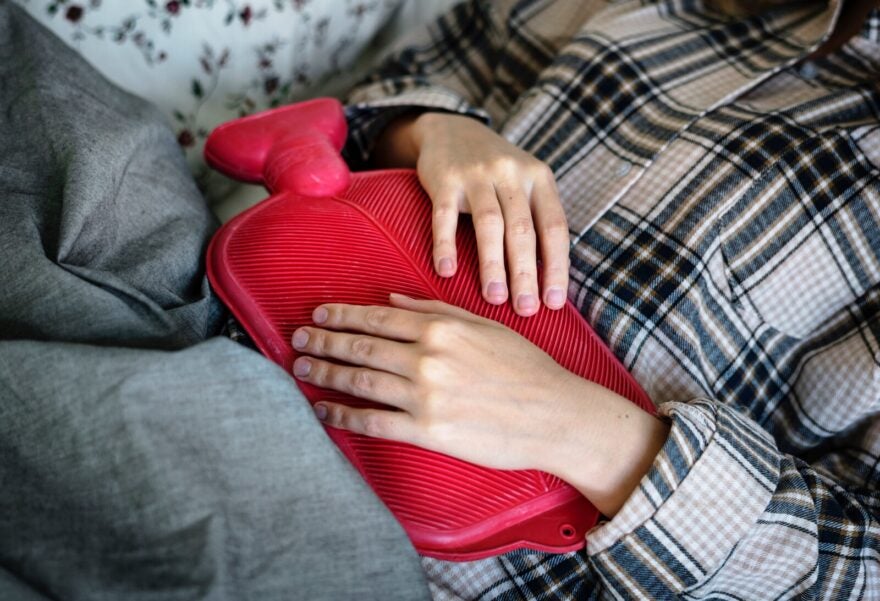
Premenstrual syndrome, more commonly referred to as PMS, affects millions of women worldwide. Nearly half of women may experience PMS, which is especially the case for those in their 30s. (1,2) While the cause of PMS is not entirely clear, it is proposed that changes in neurotransmitters, chemical messengers in the body, and fluctuations in hormones during the menstrual cycle may play an integral role.(2,3)
PMS is generally characterized by some common concerns women experience including bloating, headaches, moodiness, irritability, changes in appetite, and more. (1-3) Although they generally resolve once your period starts, these issues can start up to two weeks prior to that. (2,3) Considering a 28 cycle, which is about a month, that’s two out of four weeks every month!
Finding ways to manage the issues and prevent them from getting in the way of day-to-day life is imperative. Aside from lifestyle modifications including maintaining healthy sleep habits, exercising regularly, and consuming a balanced diet, there are also some pms supplements you might consider adding to your routine.
Support for mood and stress
Theanine
Theanine can help promote a sense of relaxation to cope with everyday stress and has been shown to offer specific calming support for PMS at a dose of 200mg per day. (4)
SAM-e
If you’re struggling with your mood, SAM-e may help as it is vital to the structure and activity of the neurotransmitters involved in normal brain and mood function.
Chamomile
There is also some research to suggest that chamomile may provide support as well. You can find supplements that include chamomile or you can try it as a tea before bedtime. (5)
Essential Oils
Treat yourself to a spa day in the comfort of your own home. Give aromatherapy a try. There are a bunch of essential oils that can help target what you’re looking for – from relaxation to energy.
Read More: HOW TO START A SELF-CARE ROUTINE
Boost of energy and focus
Caffeine
Trouble focusing and concentrating? Considering some additional caffeine to help you focus on the task at hand might be indicated. You could consider an energy drink with other supportive nootropic benefits as well.
Fuel your body with good nutrition
Meal Replacements
Concerned a multivitamin won’t cover it or experiencing changes in your appetite? You might consider adding a meal replacement to your routine that can offer both a vitamin and mineral boost but also quality protein along with fiber to help you balance out your diet.
Healthy Snacks
Craving something salty? Something sweet? Instead of junk food, reach for a better-for-you snack that is rich in protein and fiber to help you quench your cravings while still getting benefits.
Fill gaps with nutrition for overall wellbeing
Vitex agnus-castus
Also known as chaste tree, this herbal ingredient has been used traditionally as a pms supplement. (6,7)
Vitamin D and Calcium
Multivitamin
Let’s face it, even with the best intentions you might not end up making the best food choices during this time. A multivitamin can provide you nutritional insurance to help cover any nutrient gaps.
PMS affects most women, but the issues each women experience can vary even from month to month. Maintaining a consistent schedule of self-care including a balanced diet, healthy sleep habits, exercise, and added pms supplements can help. It may also take a month or two to see the full benefits of some of these interventions so keep it up and carry on!
References
1. Dennerstein, L., Lehert, P., Heinemann, K. (2011). Global study of women’s experiences of premenstrual symptoms and their effects on daily life. Menopause International; 17: 88–95.
2. Gudipally PR, Sharma GK. Premenstrual Syndrome. [Updated 2022 Jul 18]. In: StatPearls [Internet]. Treasure Island (FL): StatPearls Publishing; 2022 Jan-. Available from: https://www.ncbi.nlm.nih.gov/books/NBK560698/
3. Ryu A, Kim TH. Premenstrual syndrome: A mini review. Maturitas. 2015 Dec;82(4):436-40.
4. Timmcke, J.Q., Juneja, L.R. and Kapoor, M.P. (2008), Efficacy and Short-Term Safety of L-Theanine in Randomized, Double-Blind, Parallel-Group Study. The FASEB Journal, 22: 760-760. https://doi.org/10.1096/fasebj.22.2_supplement.760
5. Khalesi ZB, Beiranvand SP, Bokaie M. Efficacy of Chamomile in the Treatment of Premenstrual Syndrome: A Systematic Review. J Pharmacopuncture. 2019 Dec;22(4):204-209. doi: 10.3831/KPI.2019.22.028. Epub 2019 Dec 31. PMID: 31970017; PMCID: PMC6970572.
6. Girman A, Lee R, Kligler B. An integrative medicine approach to premenstrual syndrome. Am J Obstet Gynecol. 2003 May;188(5 Suppl):S56-65.
7. Rafieian-Kopaei M, Movahedi M. Systematic Reivew of Premenstrual, Postmenstrual and Infertility Disorders of Vitex Agnus Castus. Electron Physician. 2017; 9(1):3685-3689.
8. Abdi F, Ozgoli G, Rahnemaie FS. A systematic review of the role of vitamin D and calcium in premenstrual syndrome. Obstetrics & Gynocology Science. 2019; 62(2):73-86.

