



Many of you have probably heard about probiotics and how important they are to maintaining the integrity of the digestive tract. But what else do we need for a good gut? Prebiotics are another component of overall health and digestion. Think of these components as the critters that feed the probiotic bacteria. They play a role in the many components that make for a healthy digestive system.
What Is A Prebiotic?
The International Scientific Association of Probiotics and Prebiotics (ISAPP) defined prebiotic as a fermented ingredient that causes specific composition or activity changes of the gastrointestinal microbiota, providing benefit(s) to the host’s health1. Many prebiotics are carbohydrates (such as fiber) but there are some non-carbohydrate sources of prebiotics, such as cocoa flavanols. Prebiotics feed the good bacteria in the gut, allowing for a healthy and balanced ecosystem. Prebiotics allow for the bacteria in the gut to produce by-product compounds that act as food and nutrition for colon cells. Some of these by-products include short chain fatty acids, which an be beneficial. Galacto-oligosaccharides and fructo-oligosaccharides are two groups of prebiotics that can be found in food as well as in dietary supplements.1 Some other types of prebiotics are xylooligosaccharides (a natural prebiotic extracted from plant fiber), inulin (a dietary fiber found in some plants and is classified as a fructan).
Benefits of Prebiotics
The health of the microbiome is important for many bodily processes and can affect nutrient absorption, mood, cognitive health, energy, and more. Prebiotics are necessary to maintain the integrity of the gut by prompting the growth of beneficial bacteria. There is emerging research that suggests prebiotics may play a role in immune function, appetite, blood sugar regulation, and may improve gut-related issues such as constipation and bloating. Not consuming enough foods that have naturally occurring prebiotics or that are fortified with prebiotics can lead to a compromised gut and cause other issues.
Best Prebiotic Foods
Many foods contain prebiotics in the form of certain types of fiber found in things like vegetables, beans, whole grains and fruit. Among the many foods that contain prebiotics, the following are some good sources:
- Jerusalem artichokes: This vegetable comes from a type of sunflower that is high in a prebiotic fiber, inulin. Inulin can help to increase the good bacteria in the colon, called Bifidobacteria, which can lead to better digestive health.
- Onions and garlic: Onions contain inulin and fructooligosaccharides (FOS) which is another prebiotic that helps with digestive and immune health. Garlic provides a type of prebiotic that may help to promote Bifidobacteria in the GI tract.
- Chicory Root: This root can be made as a tea and is a good prebiotic source that comes from the dandelion family. Chicory root has high amounts of inulin.
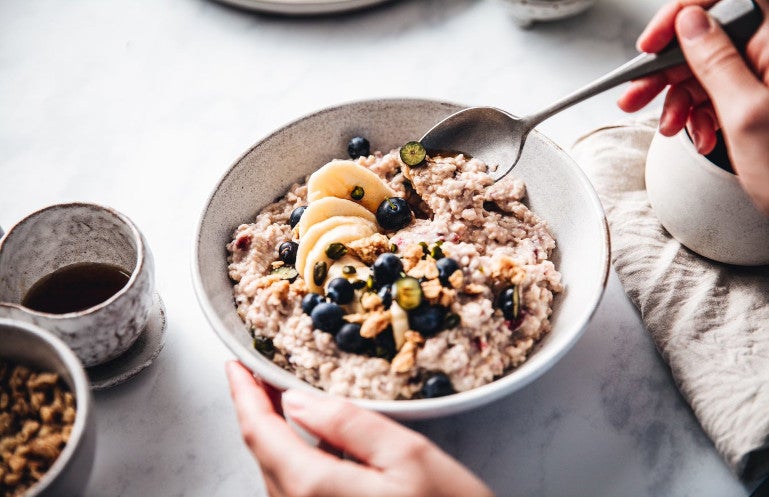
- Bananas: This fruit is another great prebiotic food source that includes small amounts of inulin.
- Oats: This type of grain contains a type of prebiotic fiber known as beta-glucan and resistant starch. Beta-glucans may help with maintaining healthy cholesterol levels, healthy gut bacteria and blood sugar control.
READ MORE: What Are Prebiotics And What Do They Do?

