When it comes to choosing the best potassium supplement, it's important to consider factors such as bioavailability, dosage, and form. Whether you're looking to support your overall health, maintain proper muscle function, or regulate blood pressure, finding the right potassium supplement for your needs is crucial. With a variety of options available, including potassium citrate, potassium gluconate, and more, it's helpful to explore user review ratings to determine which type of potassium supplement may be best suited for you. This page ranks potassium supplements based on user feedback, providing valuable insights to help you make an informed decision for your nutritional needs.
What to look for in the best type of potassium supplement?
Selecting the right potassium supplement can help support healthy muscle, nerve, and heart function. Here are some important factors to consider before making your choice.
1. Form of Potassium
Potassium supplements come in several forms, such as potassium gluconate, potassium citrate, and potassium chloride. Each type is absorbed differently by the body, so consult your healthcare provider to determine which form best suits your needs.
2. Dosage and Potency
Check the label for the amount of elemental potassium per serving to ensure you’re getting an effective dose that aligns with your dietary requirements or doctor’s recommendations.
3. Additional Ingredients
Some potassium supplements may include other minerals or fillers. Look for products with minimal additives, especially if you have allergies or sensitivities.
4. Quality and Certification
Choose supplements from reputable brands that have undergone third-party testing or carry certifications for purity and potency. This ensures you’re getting a safe and reliable product.
Potassium is an essential mineral and electrolyte that plays a vital role in supporting overall health, including muscle function, nerve signaling, and maintaining healthy fluid balance. For those looking to supplement their diet, the best type of potassium supplement can depend on individual needs, dietary restrictions, and lifestyle factors. Some people may seek out potassium supplements to help address dietary gaps, especially if they have difficulty getting enough from food sources like fruits and vegetables. Others may be advised by a healthcare professional to consider supplementation to help manage specific health concerns or support active lifestyles that increase potassium requirements.
When choosing a potassium supplement, it's important to consider factors such as the form of potassium (such as potassium gluconate, citrate, or chloride), dosage, and ease of use—whether in tablet, capsule, or powder form. People with certain medical conditions or those taking specific medications should consult with their healthcare provider before starting any new supplement regimen to ensure safety and avoid interactions. Potassium supplements can also be a thoughtful gift for health-conscious friends or family members who are focused on wellness and nutrition, especially athletes or individuals with demanding physical routines.
Ultimately, integrating a potassium supplement into a daily routine can be a simple way to help support heart health, muscle performance, and overall vitality. However, as with any supplement, it’s crucial to use them responsibly and as part of a balanced approach to nutrition. Regularly reviewing your personal health needs and goals—alongside guidance from qualified professionals—can help you determine the best type of potassium supplement for your unique situation.
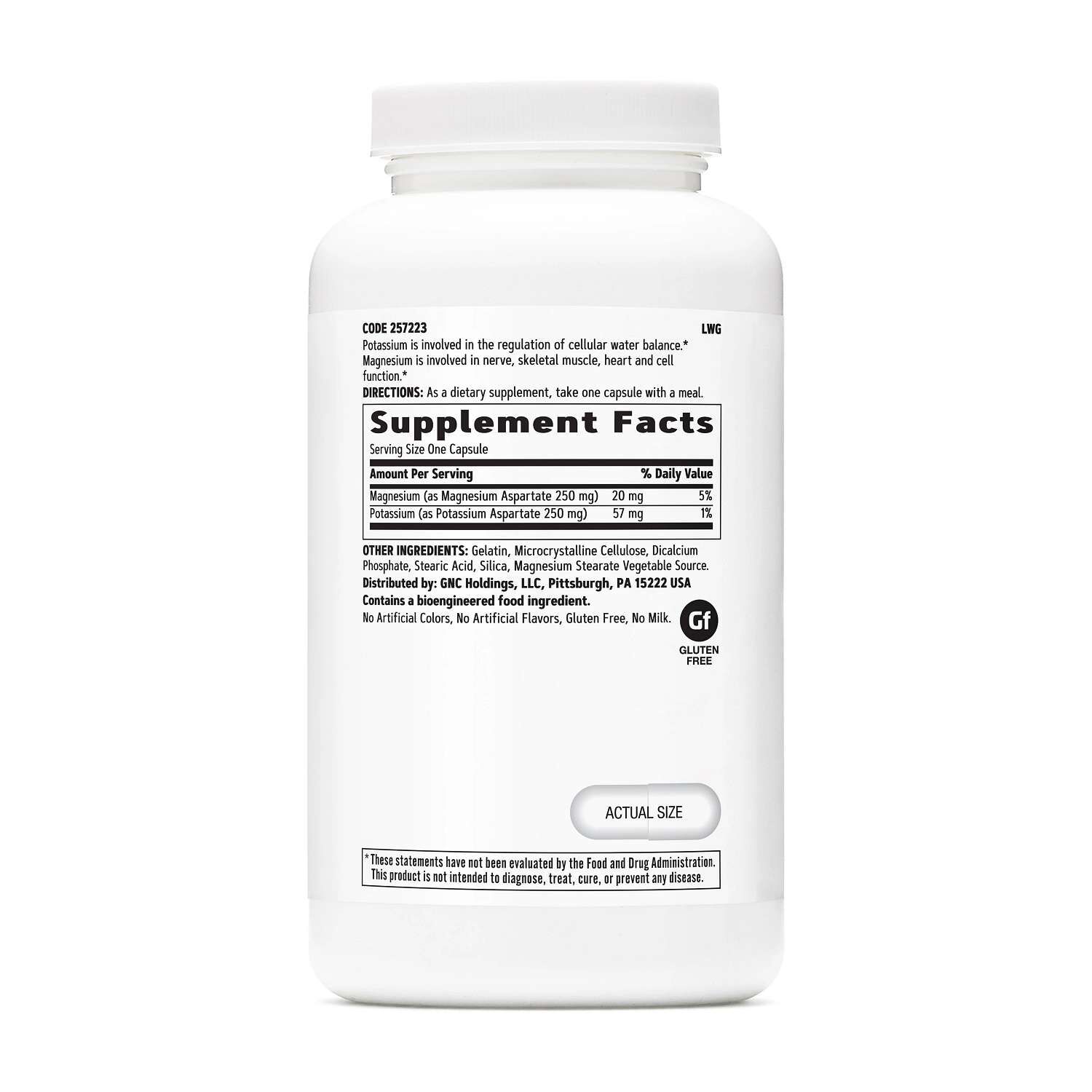
Potassium supplements come in several forms, including potassium chloride, potassium citrate, potassium gluconate, and potassium aspartate. Each type may be absorbed differently by the body and can be chosen based on individual needs or preferences.
Choosing the best type of potassium supplement depends on your dietary requirements, any underlying health conditions, and your healthcare provider's recommendations. Some forms may be better suited for people with specific health goals or sensitivities.
Yes, the body may absorb different forms of potassium supplements at varying rates. For example, potassium citrate is often recommended for those who need to manage kidney stones, while other forms like potassium gluconate are commonly used for general supplementation.
Many people can meet their daily potassium needs through a balanced diet rich in fruits, vegetables, legumes, and dairy products. However, some individuals may require supplements if they have increased needs or difficulty absorbing nutrients from food.
When reading labels on potassium supplements, check the form of potassium used (such as chloride or citrate), the amount of elemental potassium per serving, and any additional ingredients that may be included to support absorption or overall wellness.