

Magnesium Potassium Supplements For Vegans
(0 Results)
Magnesium potassium supplements for vegans may offer a convenient way to support your wellness journey while following a plant-based lifestyle. With options tailored for those who avoid animal-derived ingredients, these supplements could fit seamlessly into vegan routines. Explore a selection of magnesium potassium supplements for vegans that might align with your nutritional preferences and help you maintain your wellness goals.
-
-
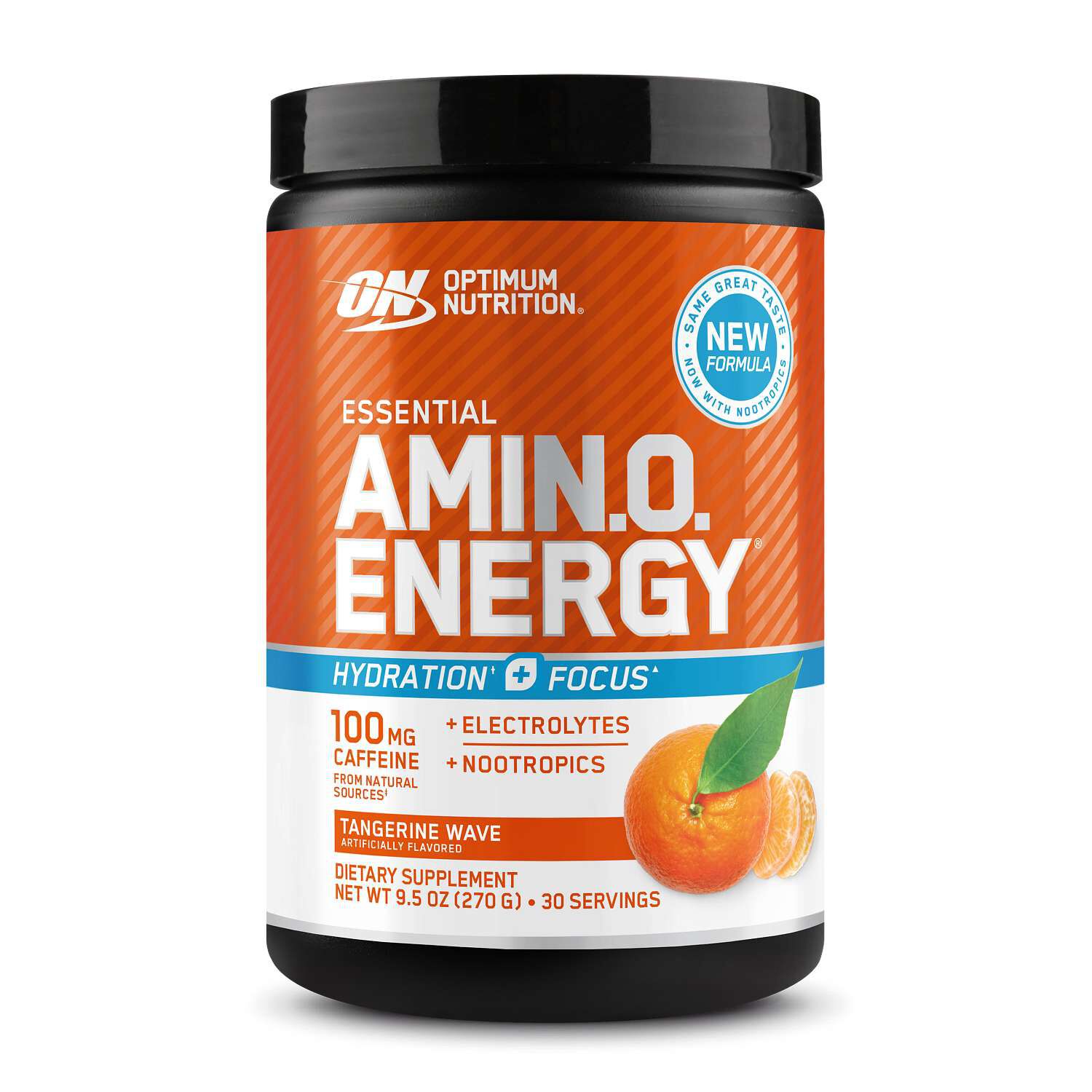
 459$24.99
 -
 Optimum Nutrition459$24.99
 -

-
-
 _Front.jpg?sw=305&sh=305&sm=fit "Magnesium: Bioactive Magensium Citrate - 120 Capsules (120 Servings) | GNC")
-
 _Front.jpg?sw=305&sh=305&sm=fit "Magnesium: Bioactive Magensium Citrate - 60 Capsules (60 Servings) | GNC")
-

-

-

-

-

-

-

-

-

-
-

-

-


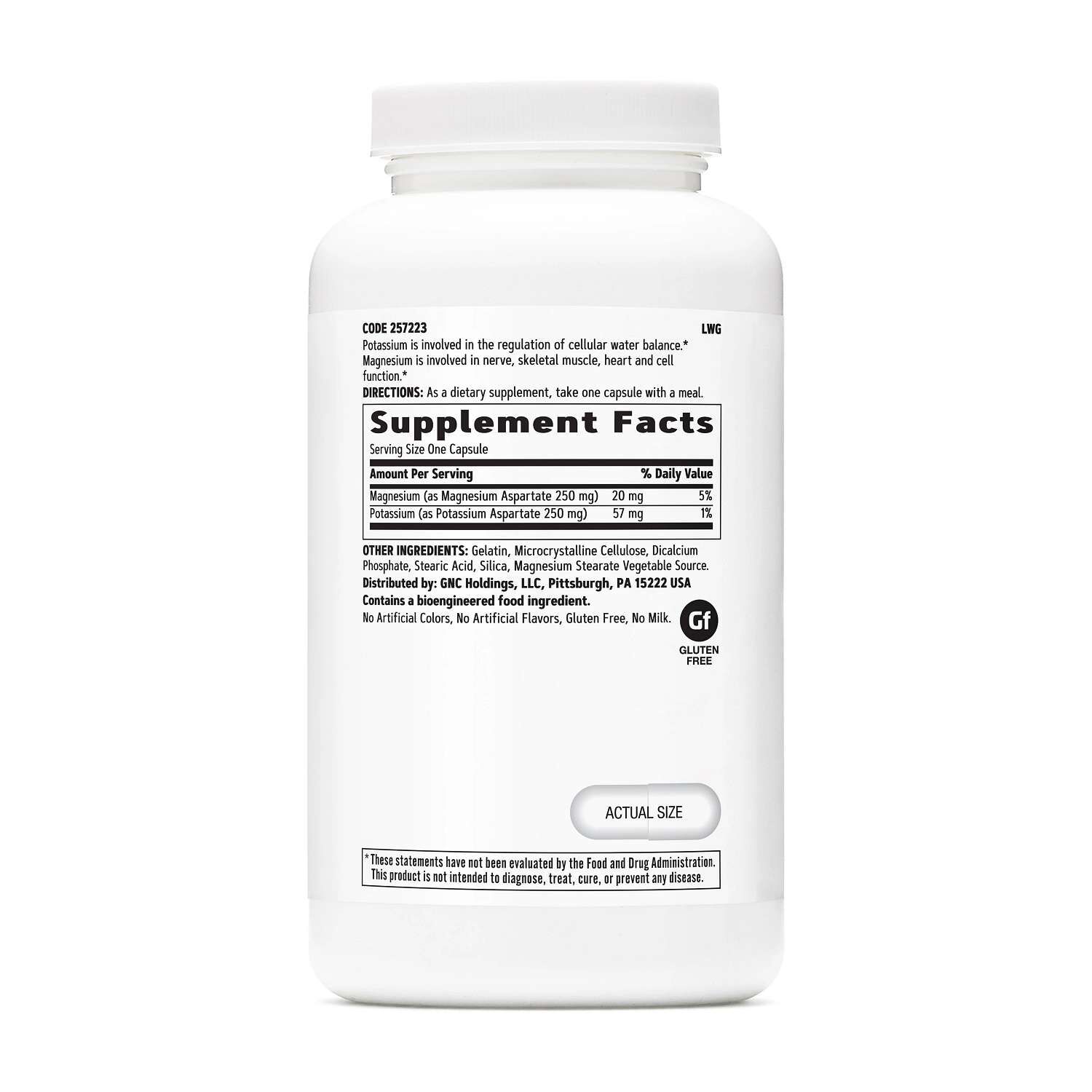

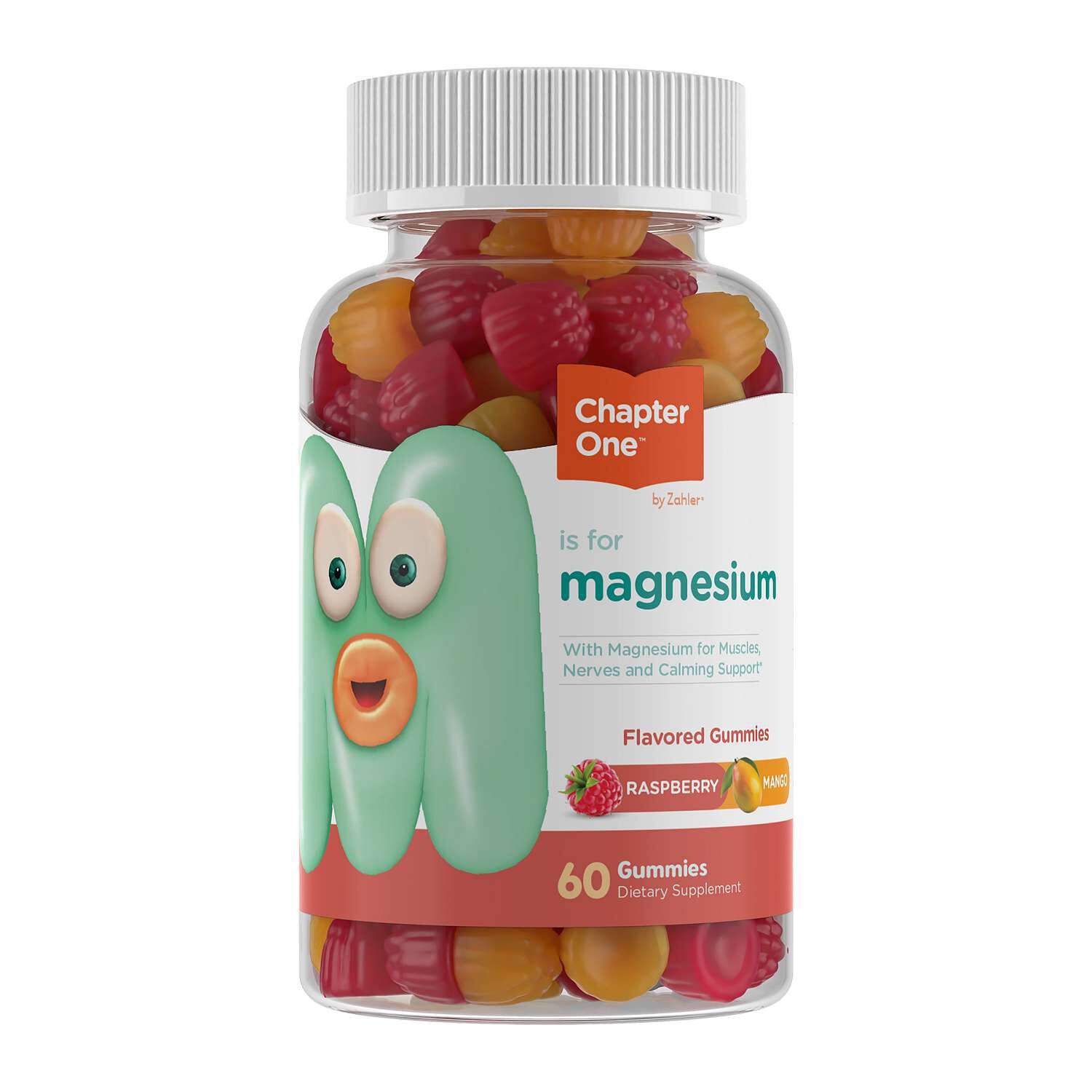
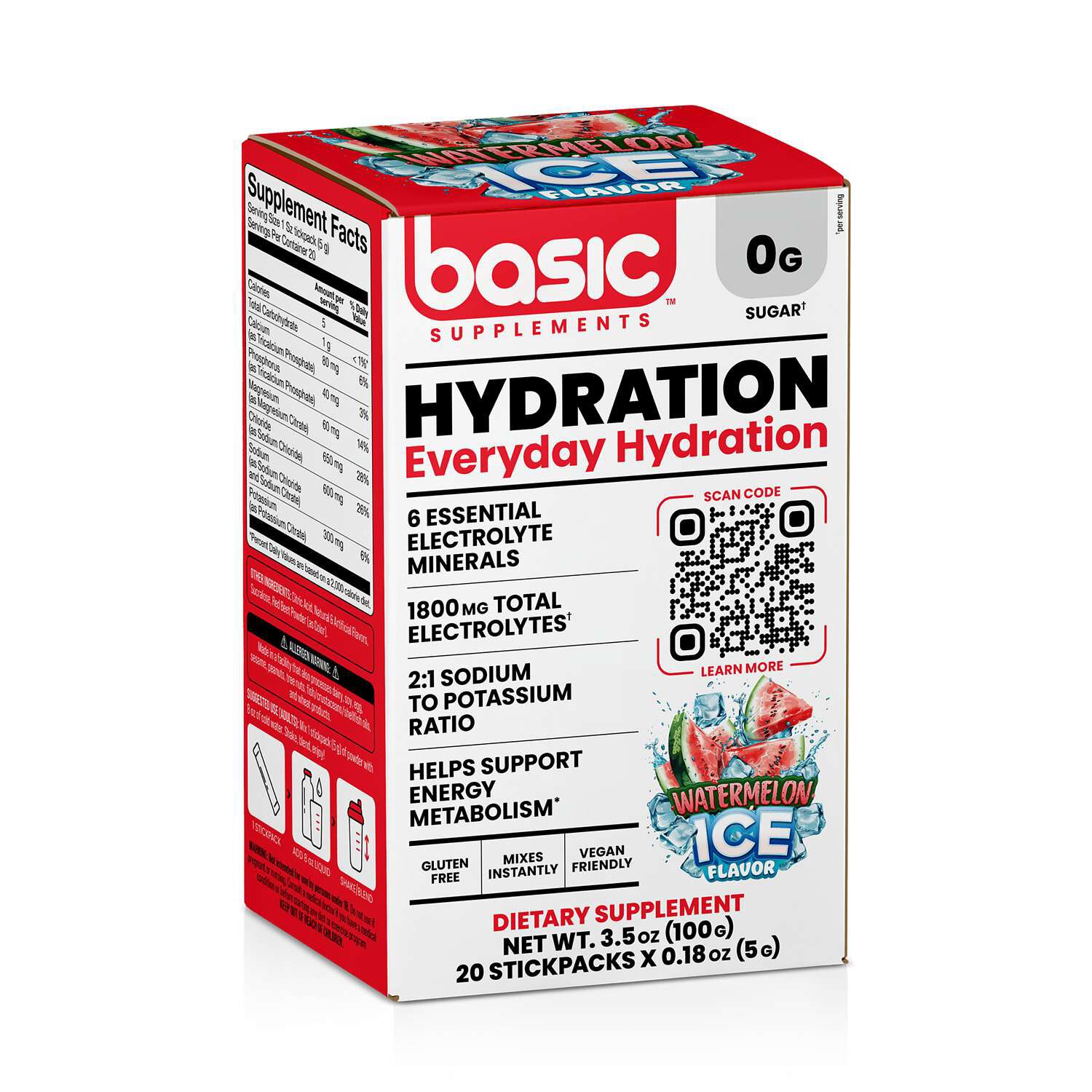
Magnesium potassium supplements for vegans bring two minerals into a format made without animal-derived ingredients. For shoppers who follow a vegan eating pattern, the distinction involves more than the mineral names on the front of a bottle: capsule shells, tablet coatings, flavorings, and other added ingredients all matter. Minerals themselves are not classified as animal or plant foods, so a vegan designation concerns the formulation as a whole, including ingredient sourcing. Vegetable cellulose or modified cellulose may appear as a capsule material, while gelatin is animal-derived. A vegetarian capsule description addresses the shell but does not necessarily establish that every ingredient meets vegan preferences. An explicit vegan label or a recognized vegan certification offers more useful context than a plant-themed package design. Certification programs have their own standards, and their marks are worth distinguishing from separate attributes such as organic or non-GMO. Neither of those descriptions, by itself, confirms vegan suitability. The same distinction applies to dietary exclusions: a vegan formula is not automatically made without soy, wheat, or every ingredient a shopper might wish to avoid. Reading the ingredient list alongside any allergen statement gives a clearer picture of the formulation. These details are especially relevant for people transitioning to plant-based eating, longtime vegans refining an established routine, and households shopping around several dietary preferences. Beans, lentils, nuts, seeds, whole grains, fruits, and vegetables provide dietary context for these minerals; supplements are a separate product category rather than a substitute for varied meals. A shopper whose kitchen regularly holds oatmeal, chickpeas, almond butter, and leafy greens may still want a supplement format that matches the same ingredient-conscious approach. Vegan magnesium and potassium supplements can be evaluated on those practical terms: clearly identified ingredients, a suitable format, transparent serving information, and packaging that makes the details easy to find.
Mineral forms and serving amounts are another useful way to distinguish magnesium potassium supplements for vegans. Labels may identify magnesium citrate, magnesium glycinate, magnesium malate, or magnesium oxide, alongside potassium forms such as potassium citrate or potassium gluconate. These names describe the mineral compounds used in a formula; they do not, on their own, confirm vegan status or establish that one option suits every person. The Supplement Facts panel is the place to compare the declared magnesium and potassium amounts per serving. A compound name on the front label is not the same information as the amount of the mineral listed in that panel. Serving size matters just as much: a listed amount might correspond to one capsule, several tablets, or a measured portion of powder. Two bottles with similar-looking front labels can therefore represent different serving patterns. The proportions of magnesium and potassium also vary, so a combined formula should not be assumed to contain equal amounts of both. For someone comparing labels at the kitchen counter, viewing serving size, mineral amounts, and servings per container together makes the comparison more meaningful than focusing on a single prominent number. Added ingredients deserve the same attention. Flavored powders may contain sweeteners, acids, colors, or ingredients intended to help the powder disperse, while tablets and capsules may include binding agents, coatings, or flow agents. An unfamiliar ingredient name is not proof of animal sourcing, but its origin may require clarification when the label is ambiguous. Formulas containing additional vitamins or minerals introduce more details to review, particularly when another supplement is already part of a daily routine. A shorter ingredient list and a broader formulation are different approaches, not automatic measures of quality. The most useful product descriptions spell out what is included without asking shoppers to infer composition from terms such as “complex” or “blend.” Clear quantities and ingredient names provide a firmer basis for comparison than broad language about performance.
Format brings the comparison into everyday life. Capsules, tablets, and powders offer different handling and preparation characteristics, and the appropriate fit depends partly on personal preference and the labeled directions. Capsules and tablets have a defined unit size, though one unit is not always one serving. Dimensions, shape, and coating can matter to shoppers who have a strong preference about what they take. Powders involve measuring and mixing, making serving tools, preparation directions, flavor, and texture relevant details. Someone who prefers a plain glass of water may look closely at whether a powder is flavored, while another person may prefer a measured capsule format that requires no mixing. An unflavored description does not necessarily mean a powder has no noticeable mineral taste, and sweetness can differ between formulations. For a commuter packing a work bag or a frequent traveler organizing a carry-on, container shape, closure design, and readable labeling may matter as much as the format inside. Because these are consumable products, durability is primarily a packaging consideration rather than a feature of the supplement itself. A secure closure, an intact seal before initial use, and storage consistent with the label are practical details worth noting. Keeping the original packaging preserves access to the ingredient list, serving directions, lot information, and date markings. For powders, a dry measuring utensil and a carefully closed container may help limit exposure to moisture during handling. Routine fit also includes how much preparation a person wants and whether the package instructions are easy to follow without guesswork. Shoppers comparing categories organized around another interest can also browse Magnesium Potassium Supplements for Bone Health, while checking each formula separately for vegan labeling, mineral forms, and serving details. Across these comparisons, the category name is a starting point rather than a substitute for the individual label. A vegan designation, clearly disclosed amounts, suitable capsule or tablet materials, and a preferred preparation style each answer a different shopping question. Considering them together keeps attention on what the supplement contains and how its format fits into an established routine.
Best Sellers
-
 Rho Nutrition
 -
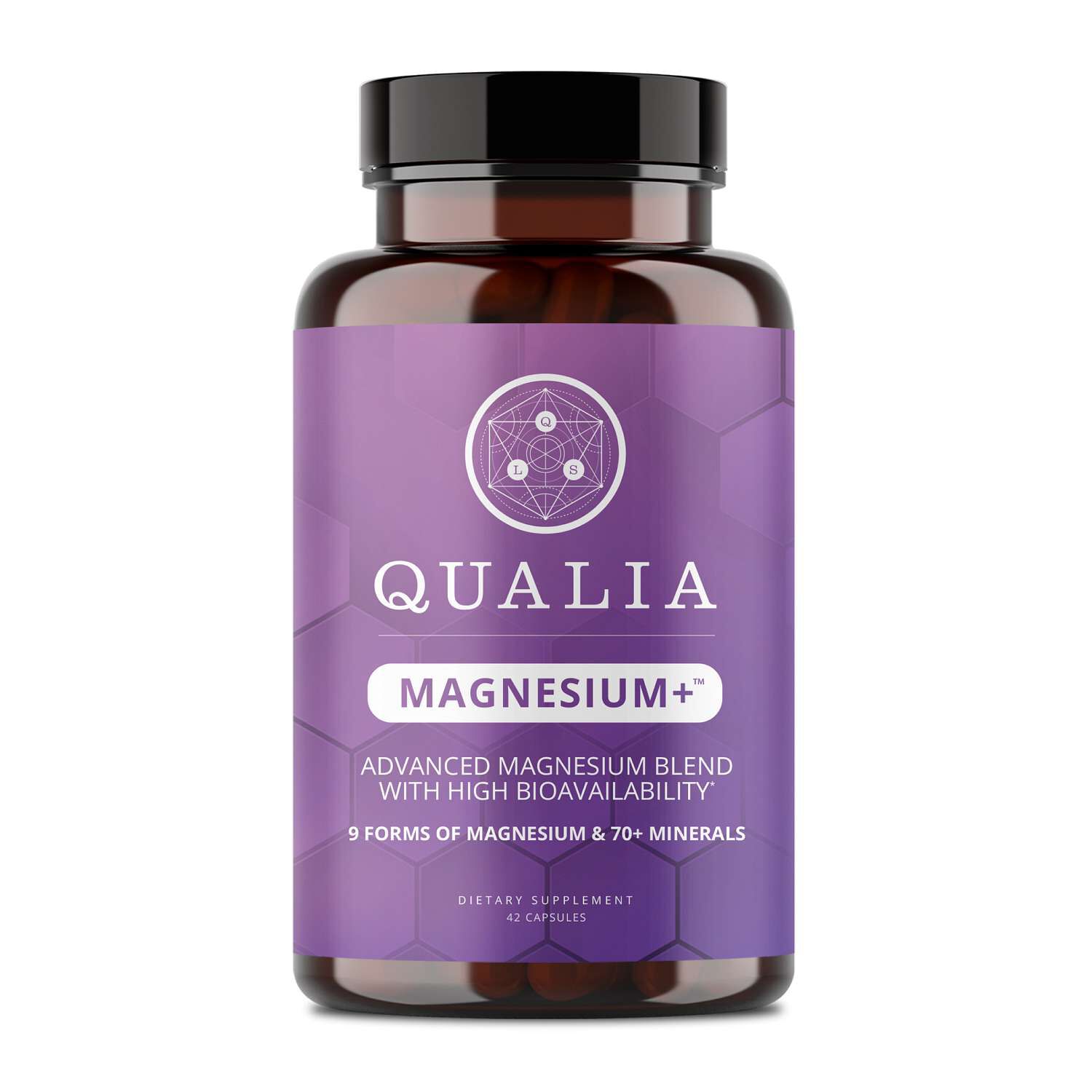 Qualia Life Sciences