





Supplements For Yoga Joint Flexibility
(0 Results)
Supplements for yoga joint flexibility could support your wellness routine as you work toward greater mobility and balance on the mat. Whether you're deepening your stretches or seeking to maintain comfortable movement, a range of vitamins, minerals, and herbal blends may complement your daily practice. Explore options that might fit seamlessly into your regimen as you strive for enhanced flexibility and overall joint health.


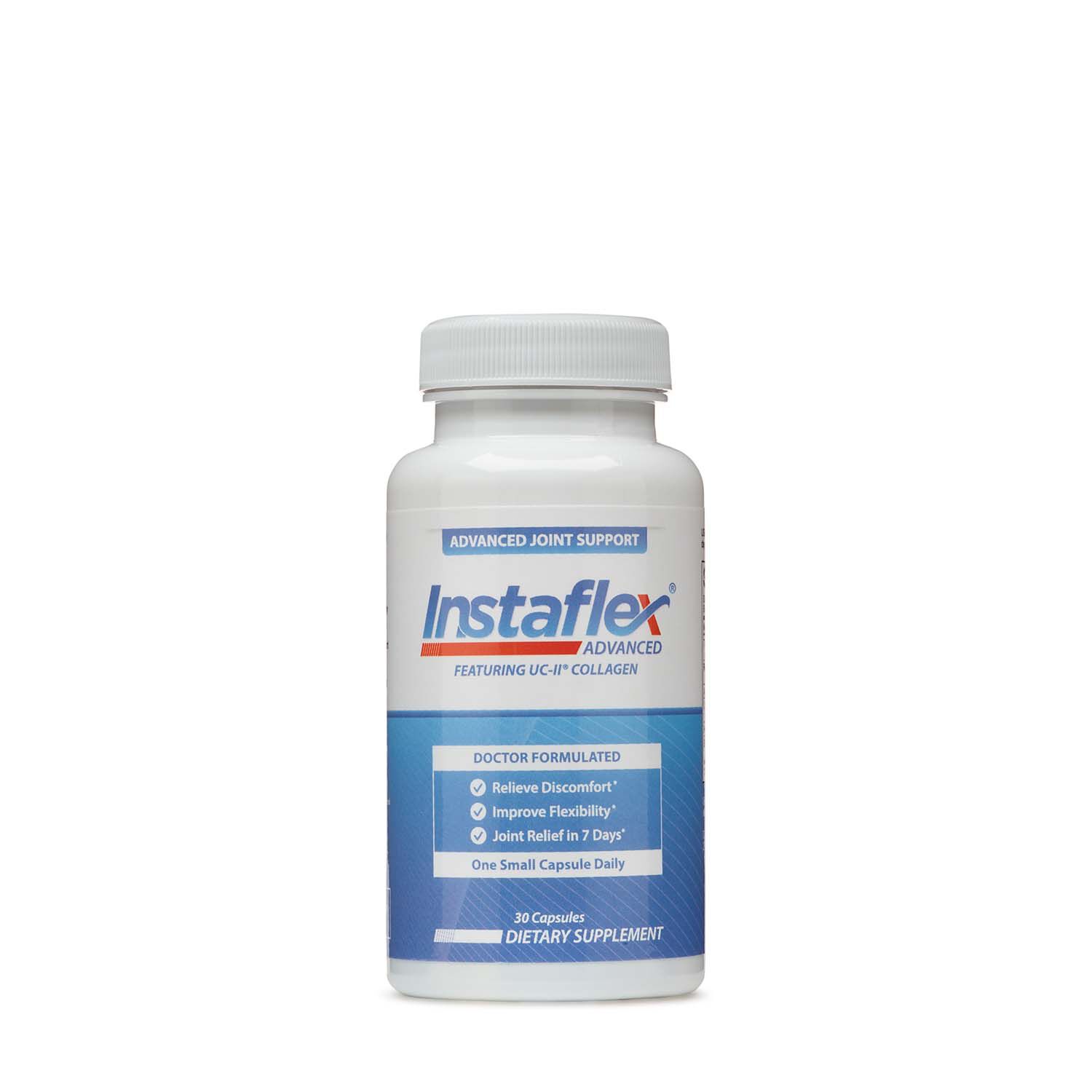



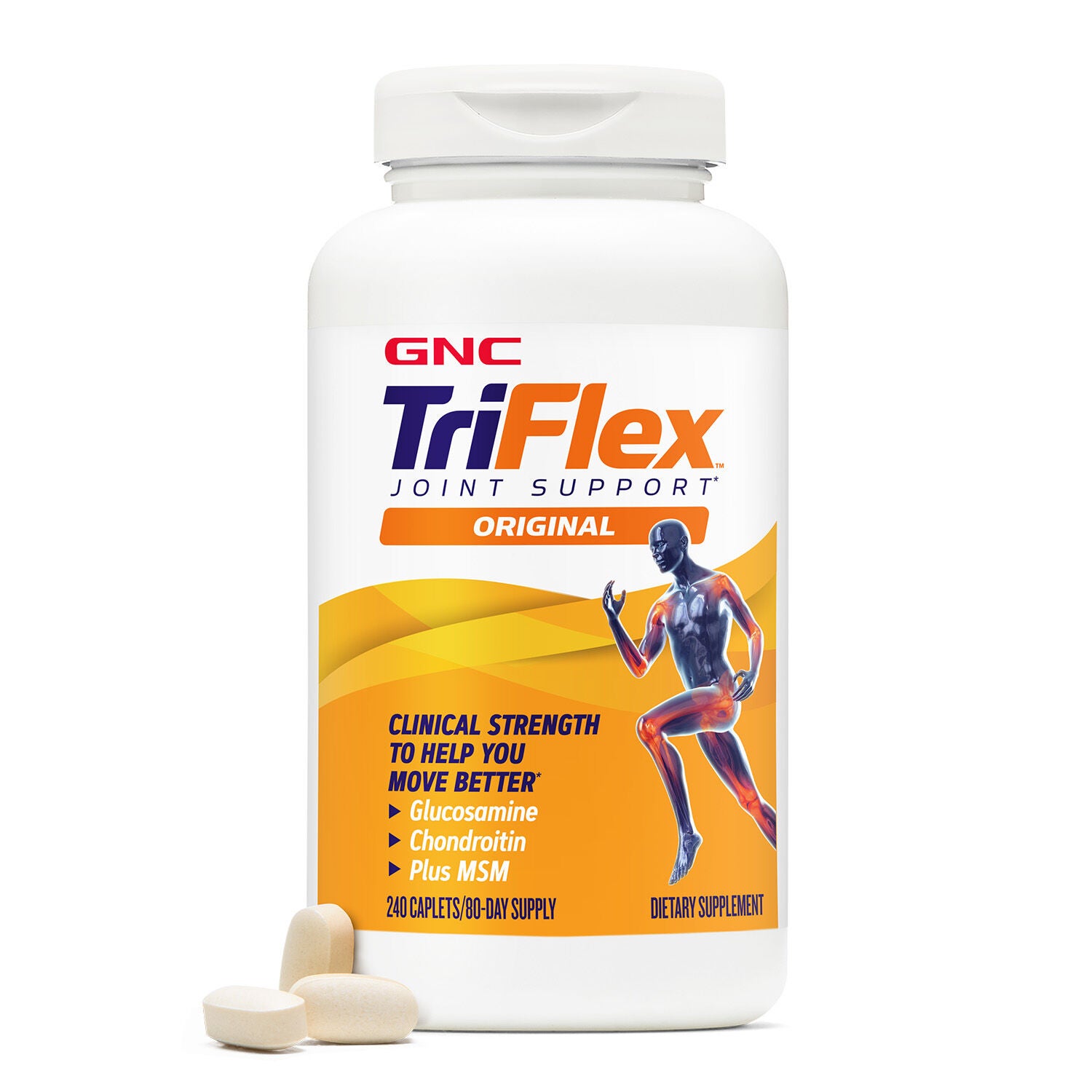

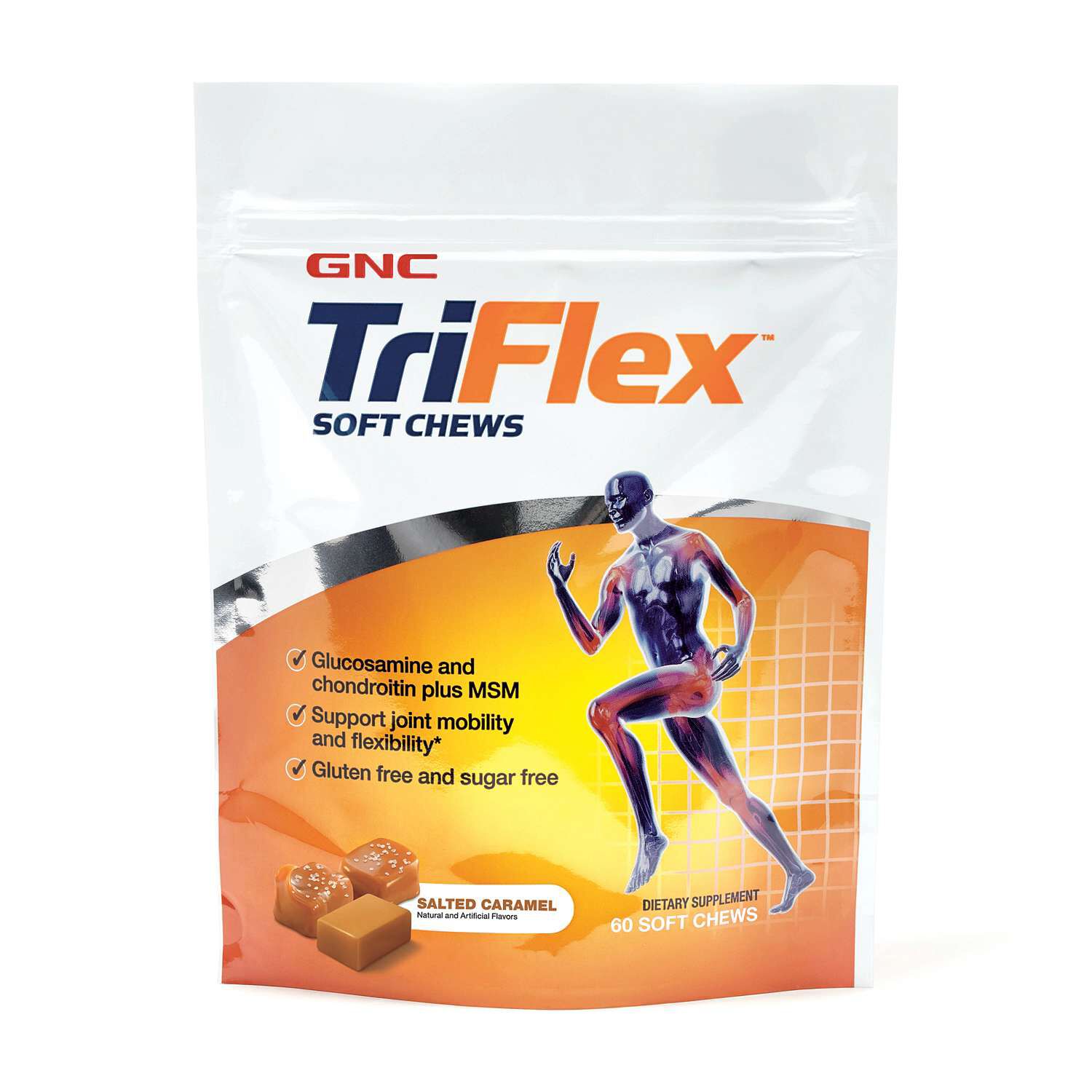









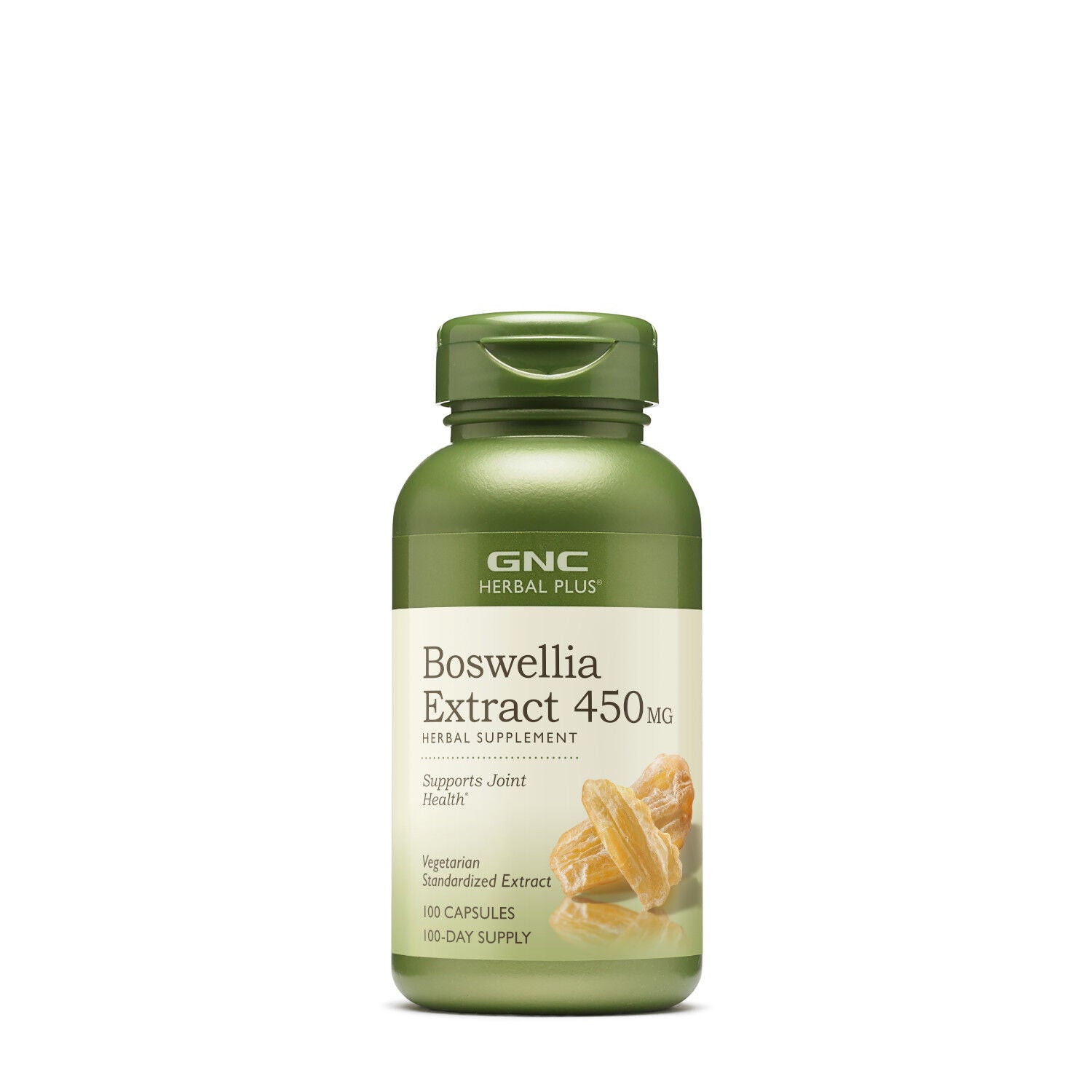
Supplements for yoga joint flexibility may appeal to people who want to make mobility, stretching, and everyday movement part of a thoughtful wellness routine. Yoga can bring attention to the way the body moves through familiar poses, from the steady bend of a forward fold to the grounded rotation of a seated twist, and some shoppers choose nutritional support to complement that practice. Options featuring glucosamine and chondroitin may support the structure and comfort of joints, while formulas with MSM may provide sulfur compounds involved in connective tissue. Turmeric-based supplements, often made with curcumin, may offer plant-based support for a balanced response to everyday exercise and the occasional stiffness that can follow a longer session. Magnesium may support normal muscle function and relaxation, which could make it a useful consideration for people who include extended holds, restorative poses, or mobility work in their routine. Omega-3 fatty acids from fish oil or plant-based sources may support overall joint comfort and smooth movement. These supplements are not a substitute for instruction, balanced nutrition, hydration, or guidance from a qualified healthcare professional, but they may fit into a broader approach to staying active and feeling prepared for yoga. Anyone who is pregnant, managing a health concern, taking prescription products, or preparing for a procedure may wish to speak with a qualified healthcare professional before adding a supplement. Reading the Supplement Facts panel, serving guidance, ingredient list, and allergen information can help shoppers compare options with care. It may also help to consider the form that fits most naturally into the day: capsules may suit a streamlined morning routine, powders may blend into a smoothie or post-practice beverage, and softgels may be convenient for people who prefer a familiar format. Since formulas can vary, shoppers may want to compare the amount of each featured ingredient, the suggested serving, dietary preferences, and any additional components included in the blend. A person who enjoys a quiet morning flow may appreciate a simple formula kept beside a water bottle, while someone who practices after work may prefer an option that fits easily into a gym bag or yoga tote.
The right supplement for yoga joint flexibility often depends on personal habits, practice style, and the kind of support a shopper hopes to add to an established routine. Someone returning to yoga after time away may look for a gentle, straightforward formula while rebuilding consistency, whereas a regular practitioner may prefer to compare targeted ingredients such as glucosamine, chondroitin, MSM, magnesium, turmeric, or omega-3 fatty acids. A shopper who spends long hours at a desk might choose a joint-focused supplement to accompany regular walks, stretching breaks, and yoga sessions, while an active older adult may value an easy-to-follow serving format and clear label information. These products may also make considerate gifts for a friend beginning yoga, a family member who enjoys wellness routines, or a dedicated practitioner preparing for more frequent classes during the cooler months. A small basket with a yoga strap, a water bottle, and a carefully selected supplement could feel personal without assuming a particular experience or goal. When selecting glucosamine-focused options, shoppers can browse Glucosamine For Flexibility and compare formulas by ingredient profile, serving size, and format. It may be useful to keep expectations realistic: supplements may complement regular movement, nourishing meals, sufficient fluids, and patient practice, yet individual experiences can differ. Yoga is often built through small, repeated moments—the warmth of a studio at the end of summer, the quiet of a home practice as mornings grow cooler, or the satisfying steadiness of holding a pose with controlled breathing. A supplement may fit into those moments as one part of a consistent routine rather than a replacement for gradual progress. Shoppers may also consider whether they prefer single-ingredient products or blends, whether the serving schedule fits morning or evening habits, and whether the packaging travels well for retreats, classes, or weekend visits. Keeping the container in a visible but appropriate place may make it easier to remember, while following the label’s directions may help support responsible use. With attention to ingredients, format, dietary needs, and personal preferences, supplements for yoga joint flexibility may provide a practical addition to a movement-focused lifestyle across changing routines and seasons.
