Supplements For Back To School Joint Health
(0 Results)
Supplements for back to school joint health may offer support as you gear up for a busy academic season filled with activities, sports, and long study sessions. Whether you’re carrying a heavy backpack or staying active between classes, maintaining joint comfort could help you stay focused and energized throughout the day. Explore options that might help keep you moving with ease this school year.
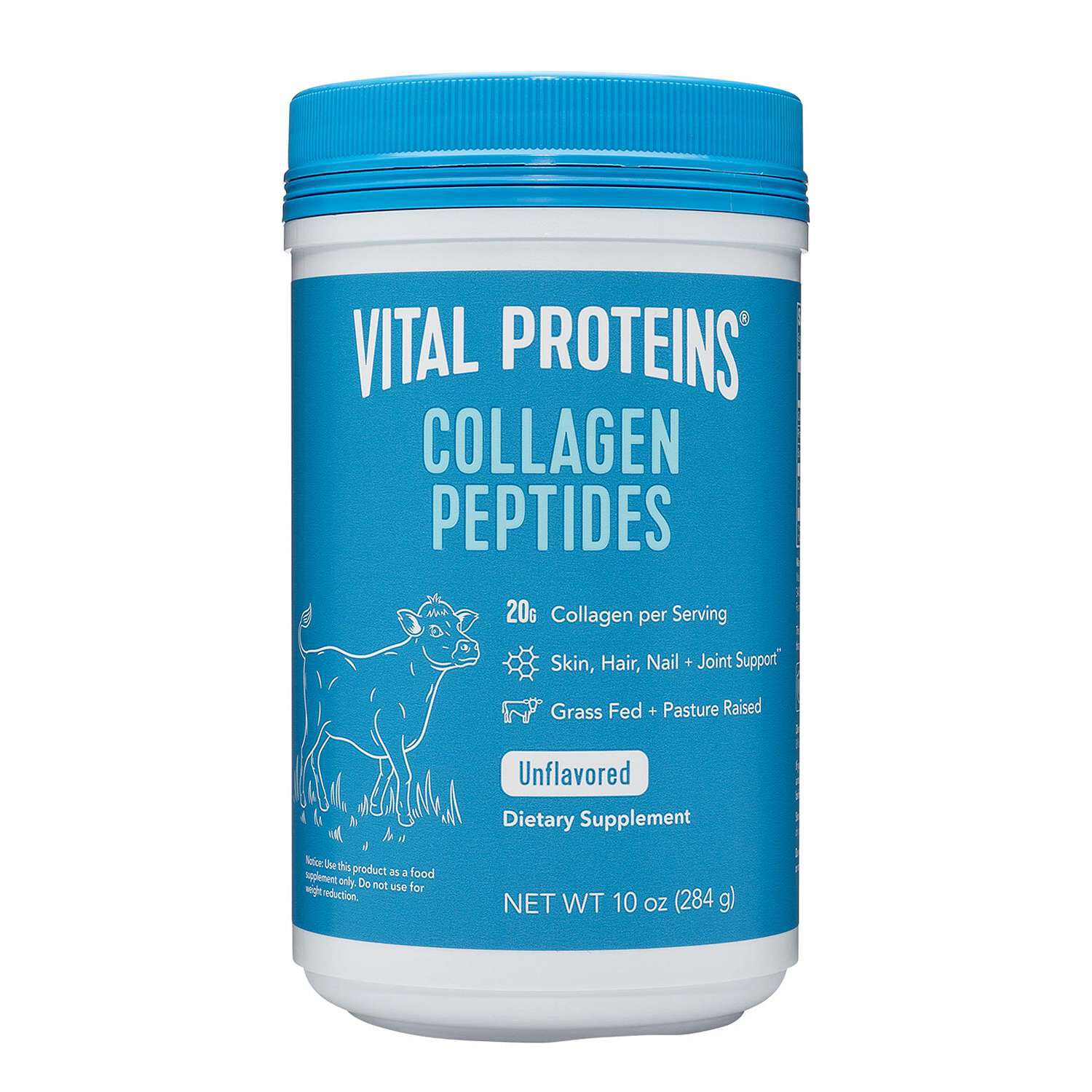
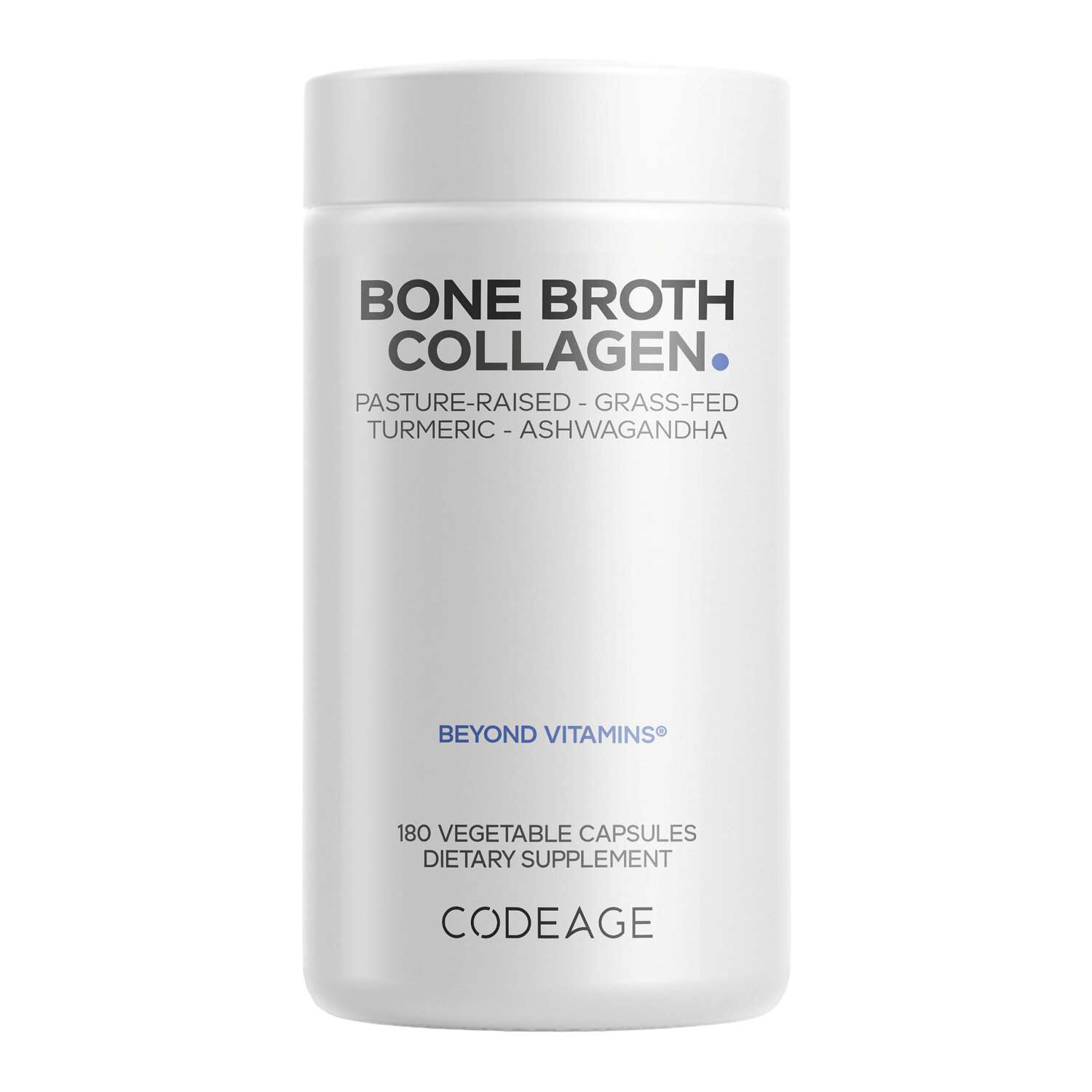


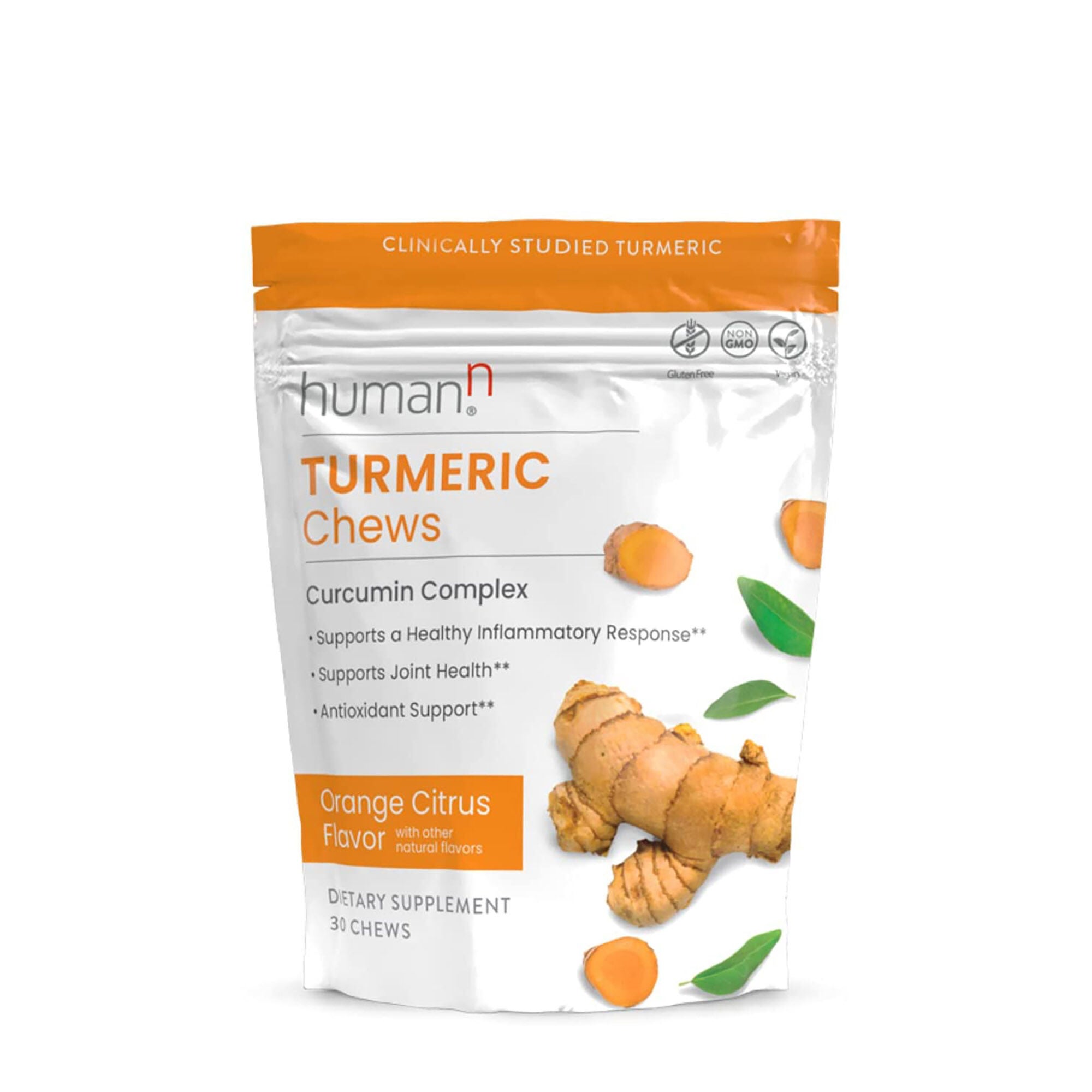


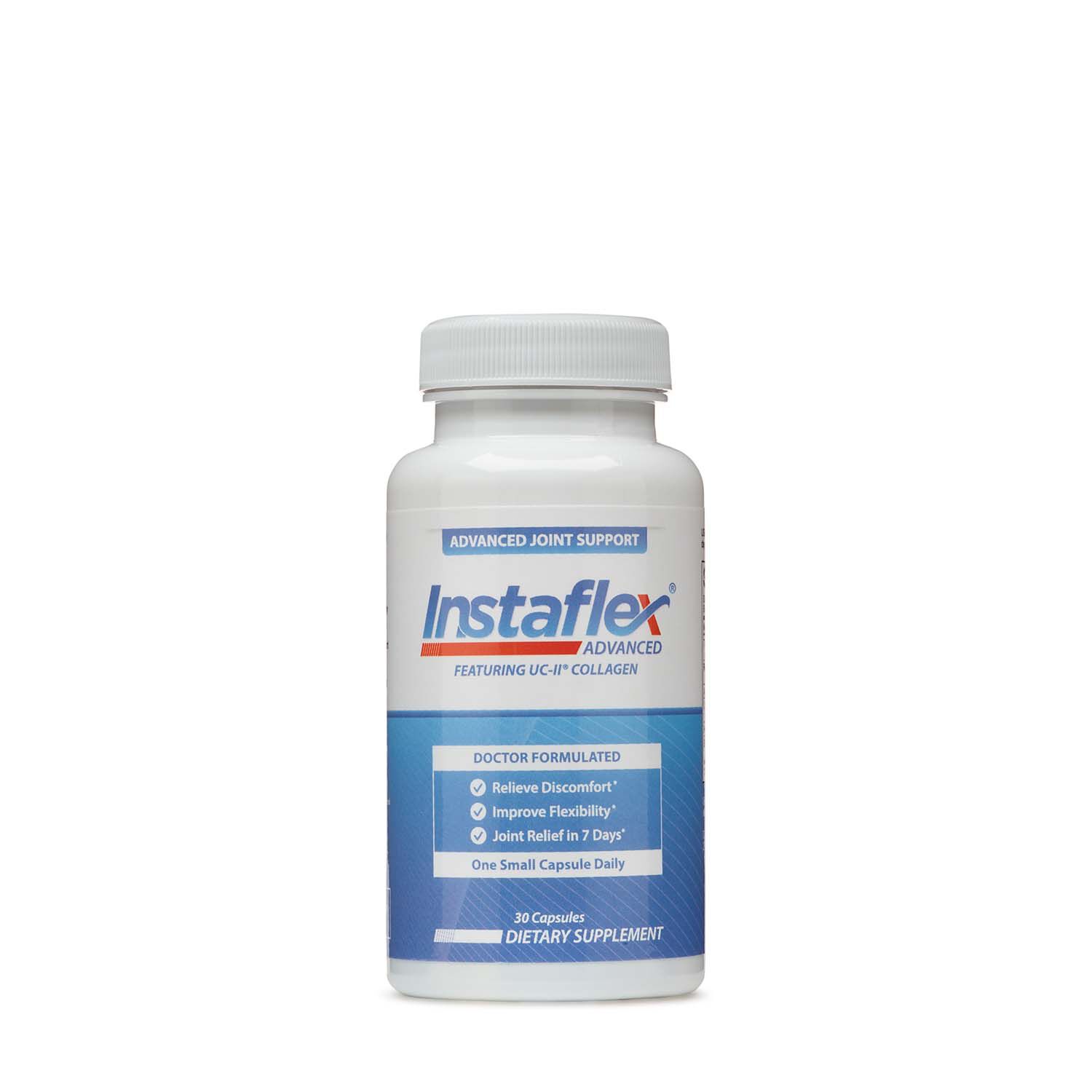


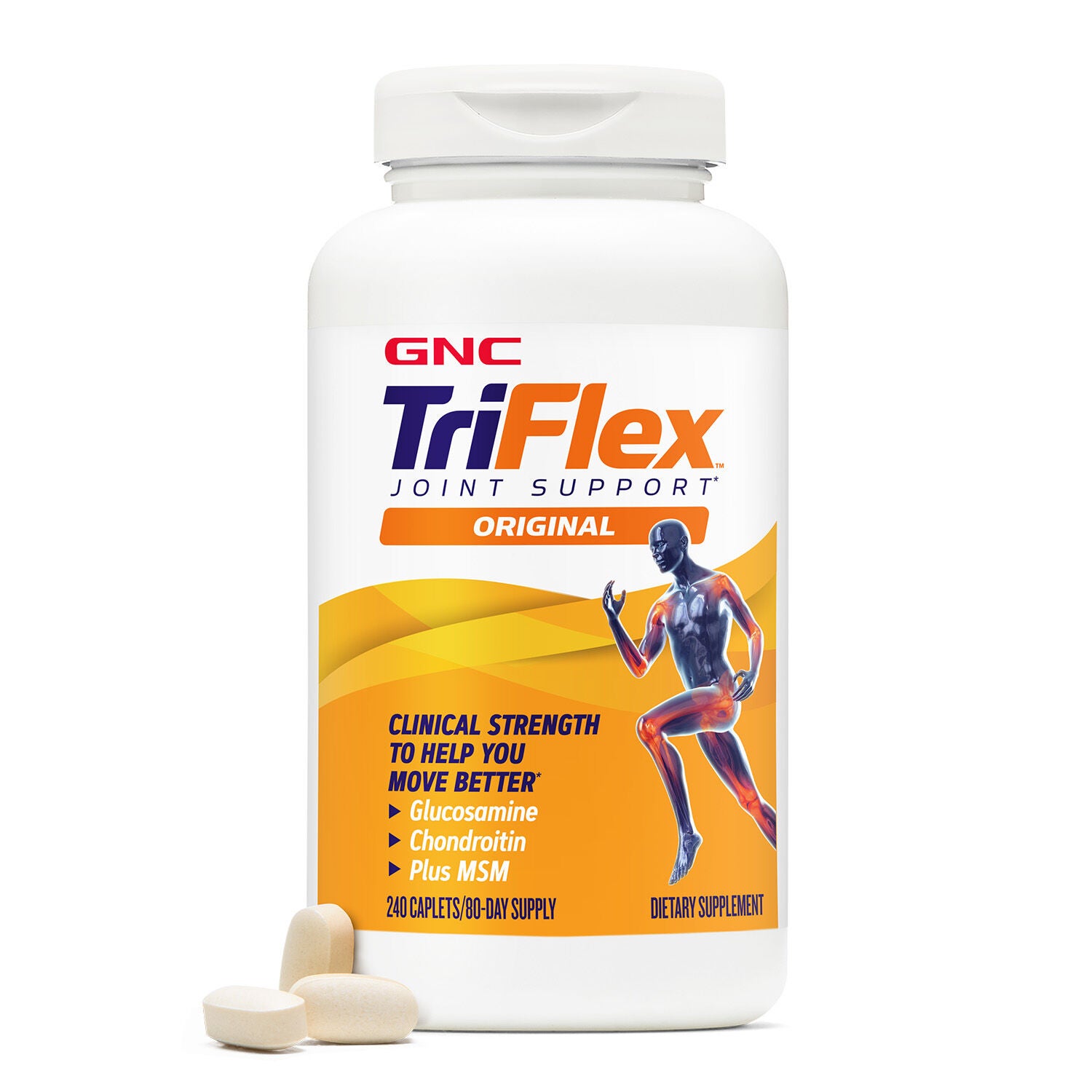


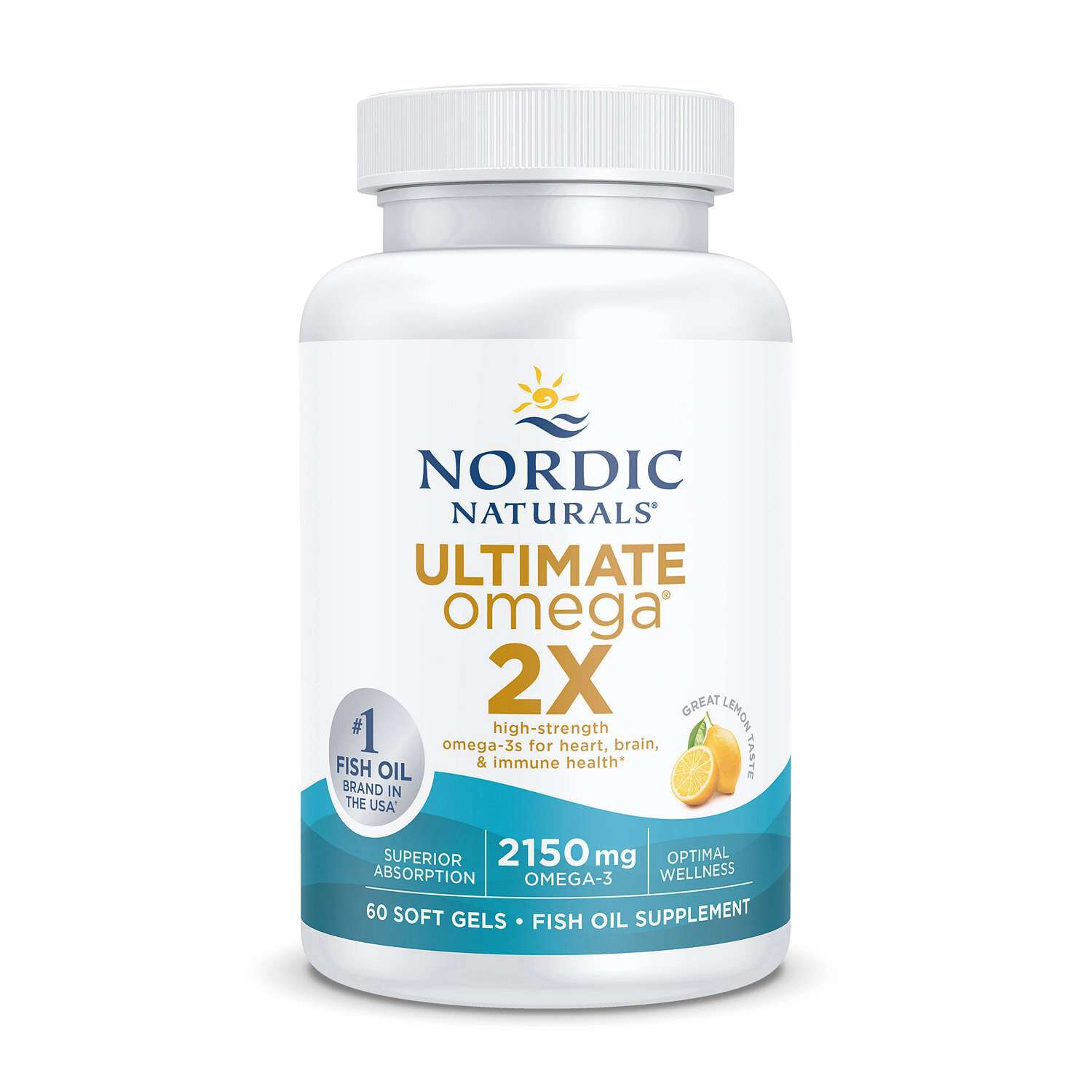
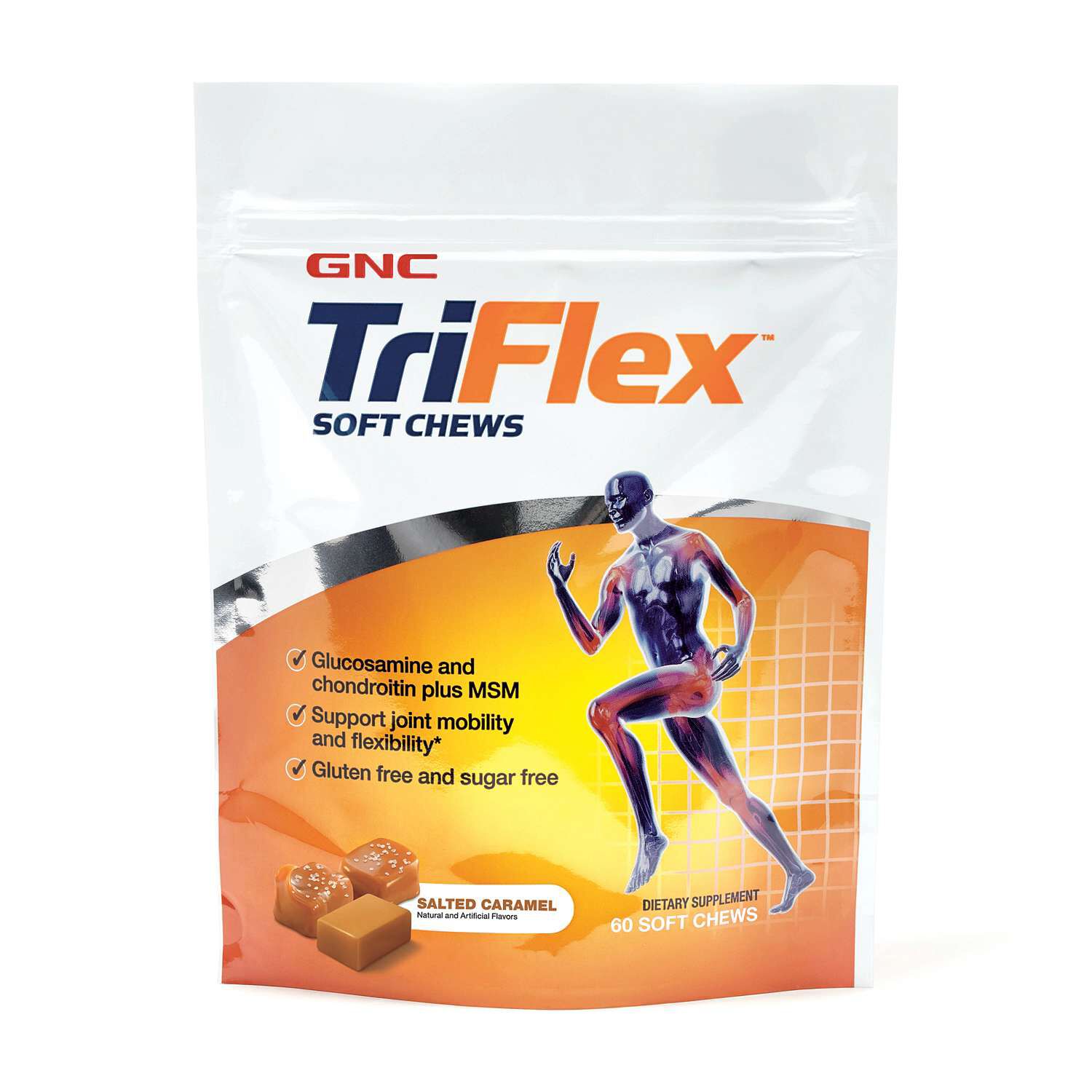
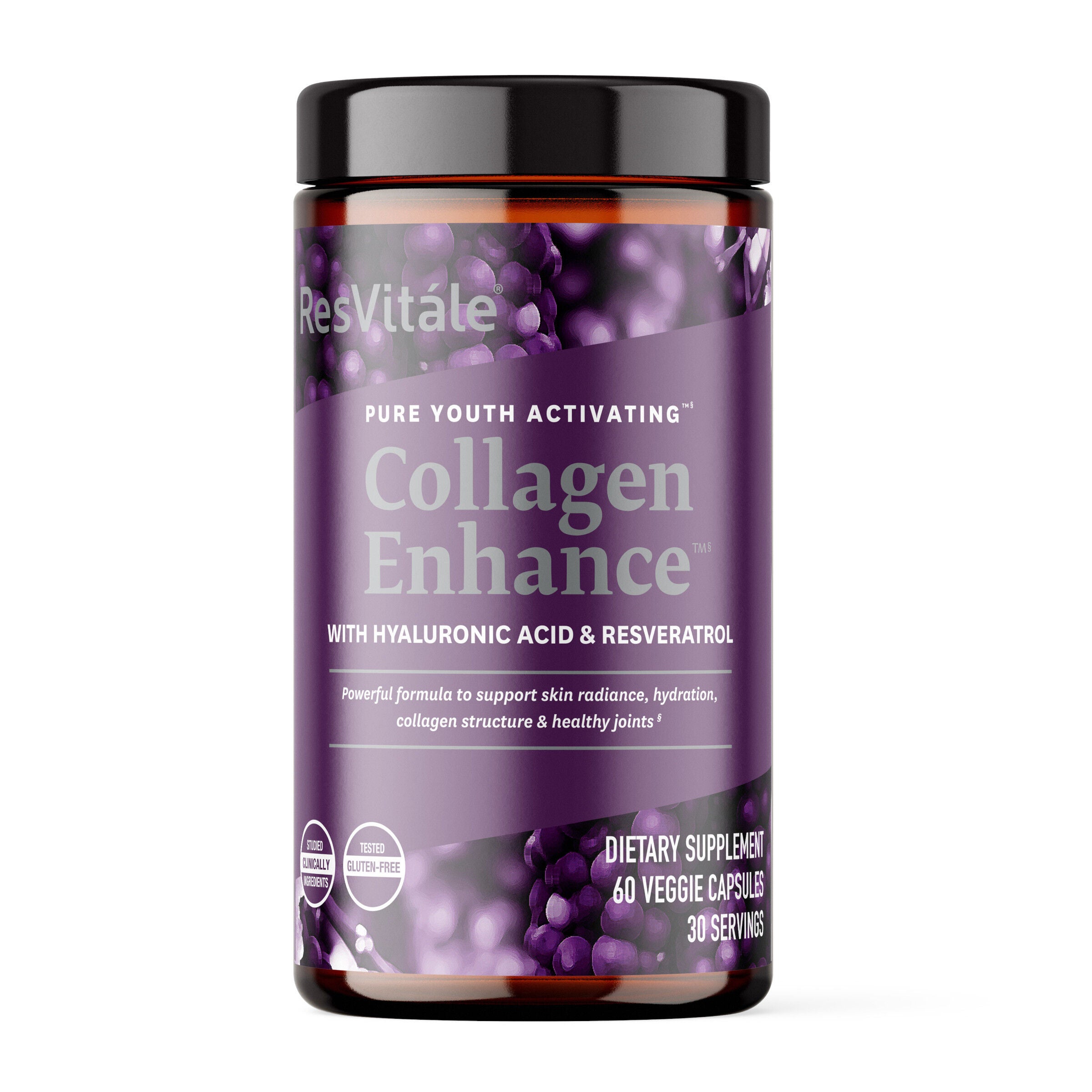
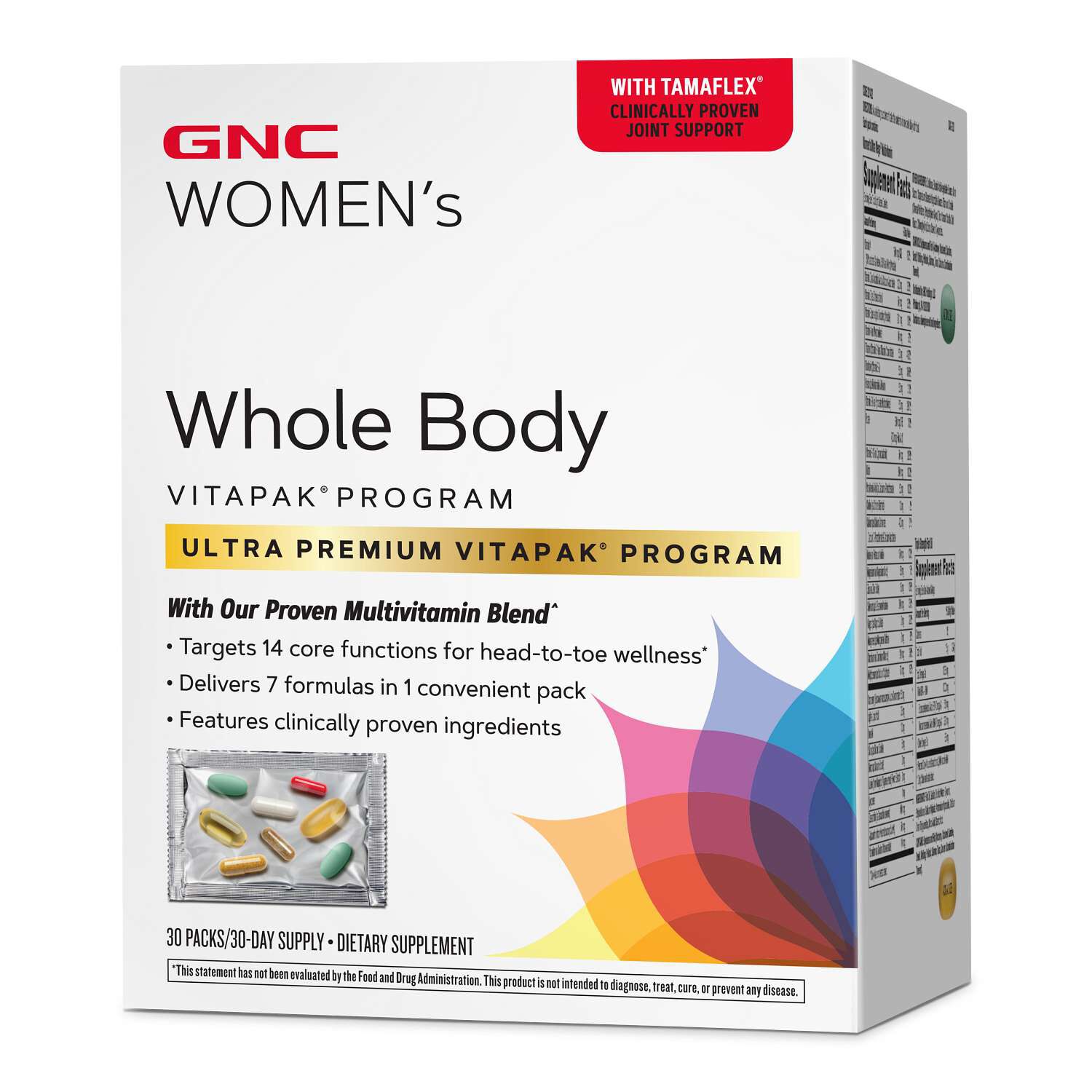



Back-to-school routines can place fresh demands on the body. A student may move from a summer schedule filled with outdoor activity to long walks across campus, hours at a desk, after-school practices, rehearsals, and weekend games. Supplements for back-to-school joint health can offer convenient nutritional support for students, parents, teachers, and active adults who want to pay closer attention to everyday mobility during the cooler months. Product choices may include omega-3 fatty acids, vitamin D3, calcium, collagen peptides, and curcumin, with each category offering a different nutritional profile. Omega-3 supplements commonly come from fish oil or other marine sources, while plant-based options may use algae as a source. Omega-3 fatty acids may support normal joint comfort and mobility as part of a balanced lifestyle, making them a consideration for students involved in running, court sports, dance, marching band, or other activities that involve repeated movement. Vitamin D3 and calcium are often selected together because calcium is a mineral found in bones and vitamin D3 may help the body absorb calcium. These nutrients may support normal bone structure and muscle function, which can matter during busy school days that alternate between sitting, carrying a backpack, climbing stairs, and staying active. Collagen peptides are another popular option for people who want nutritional support for connective tissues. Collagen is a protein naturally found throughout the body, and collagen peptides may support the structure of cartilage, tendons, and ligaments when paired with balanced nutrition and regular movement. Curcumin, a botanical compound found in turmeric, may support a comfortable feeling after a demanding day of activity. Since these products vary in serving size, ingredient amounts, flavor, and format, shoppers may want to compare labels carefully rather than choosing by package size alone. A student who dislikes swallowing capsules might prefer a powder that can be stirred into a smoothie, while a busy college student may find softgels or single-serve packets easier to keep in a backpack. Gummies can be convenient for some households, though shoppers may want to review the serving directions and added sugar details. For younger students, caregivers should select products designed for the appropriate age range and follow the label. Families may also wish to speak with a qualified healthcare professional before introducing a supplement, especially when a child has a health condition, follows a restricted eating pattern, has food allergies, or takes prescription or over-the-counter medications.
Choosing a joint-health supplement for the school season is often less about finding one universal option and more about matching the product to the student’s routine, food preferences, activity level, and ability to use it consistently. A swimmer may appreciate a compact bottle that fits beside goggles and a towel, while a student athlete may prefer a simple serving that can be taken with breakfast before heading to practice. Someone spending long hours at a computer may look for a formula that fits easily into a morning wellness routine alongside water, a balanced meal, and regular breaks for stretching and walking. Product form can make a meaningful difference in daily use: capsules may suit adults who already take supplements, powders may work well in yogurt or a post-practice shake, and chewable formats may feel more approachable for older children when the label indicates that they are suitable. It can also help to check whether a formula contains common allergens, animal-derived ingredients, added sweeteners, or flavoring agents, particularly when shopping for a family member. Omega-3 shoppers may compare the source and amount of EPA and DHA listed on the label, while collagen shoppers may review the collagen source and serving instructions. Those considering vitamin D3 or calcium may compare the amount per serving with other supplements already used at home to avoid unnecessary duplication. For a thoughtful back-to-school care package, joint-health supplements could be paired with a reusable water bottle, protein snacks, comfortable walking shoes, or a simple meal-planning routine. They may also make a practical gift for a college student adjusting to a larger campus, a teacher who spends the day moving between classrooms, or an adult returning to recreational sports after a quieter summer. Storage matters during the transition between warm afternoons and cooler mornings, so products should be kept according to the package directions and placed somewhere easy to remember but out of reach of young children. Shoppers looking for seasonal inspiration can also browse Supplements For Joint Care In Autumn for additional ways to organize a fall wellness routine. A consistent approach that includes nourishing meals, hydration, sleep, movement, and label-conscious supplement selection may help students feel prepared for the steady rhythm of school, sports, study sessions, and the everyday activity that continues through early winter.