





Zinc Supplements For Men
(0 Results)
Discover how adding zinc to your daily routine can support men's health and well-being. Zinc is an essential mineral that plays a crucial role in various bodily functions, including immune system support, testosterone production, and overall energy levels. Whether you're looking to boost your immune system, enhance athletic performance, or promote reproductive health, incorporating a high-quality zinc supplement into your regimen may be beneficial. Explore our selection of zinc supplements specifically formulated for men to help you maintain optimal health and vitality.
-
 Amazing Nutrition$13.99
-
-
-

-

-
 MRI Performance$15.99
-
 Angry Supplements$11.99
-
-
 $13.99
-
-

-

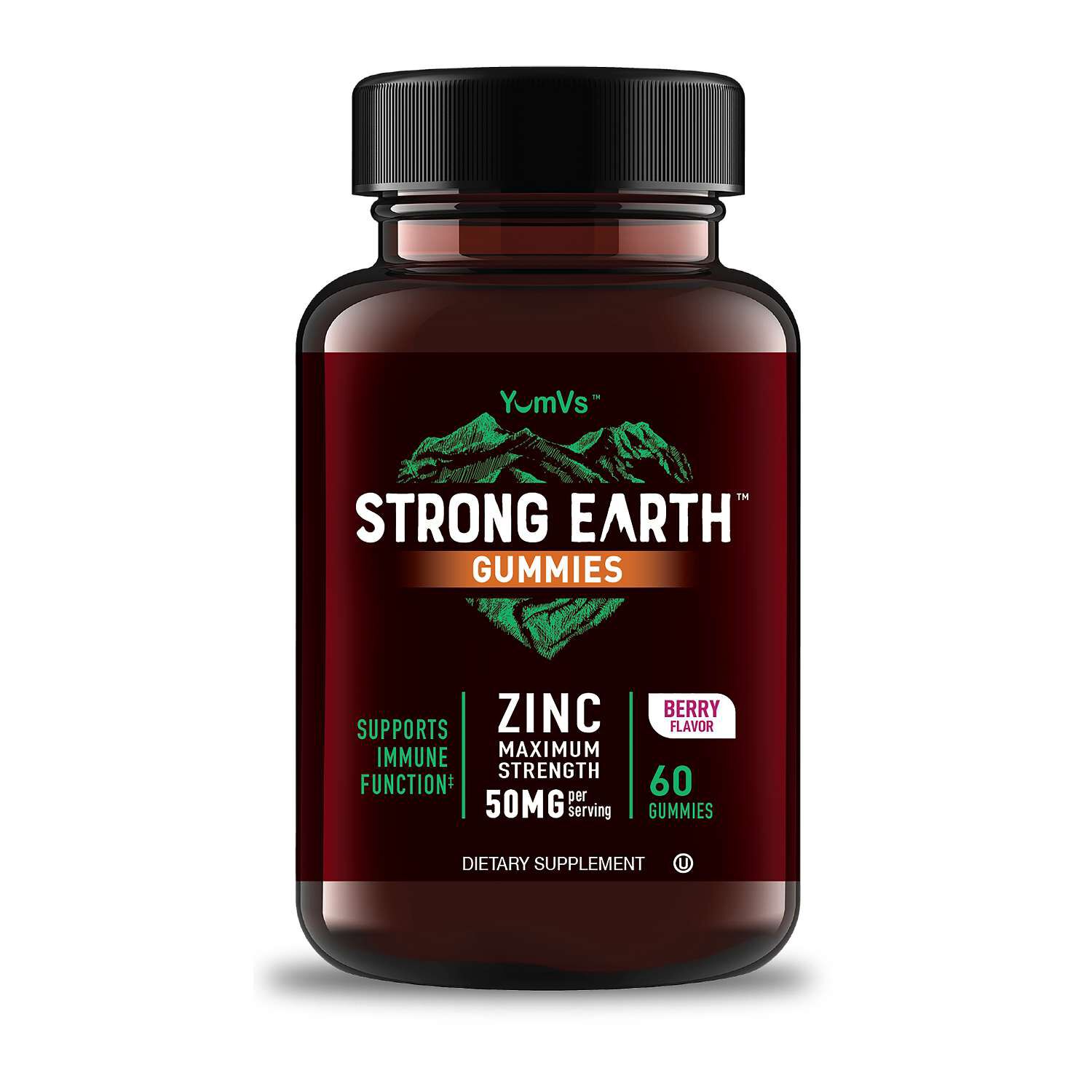

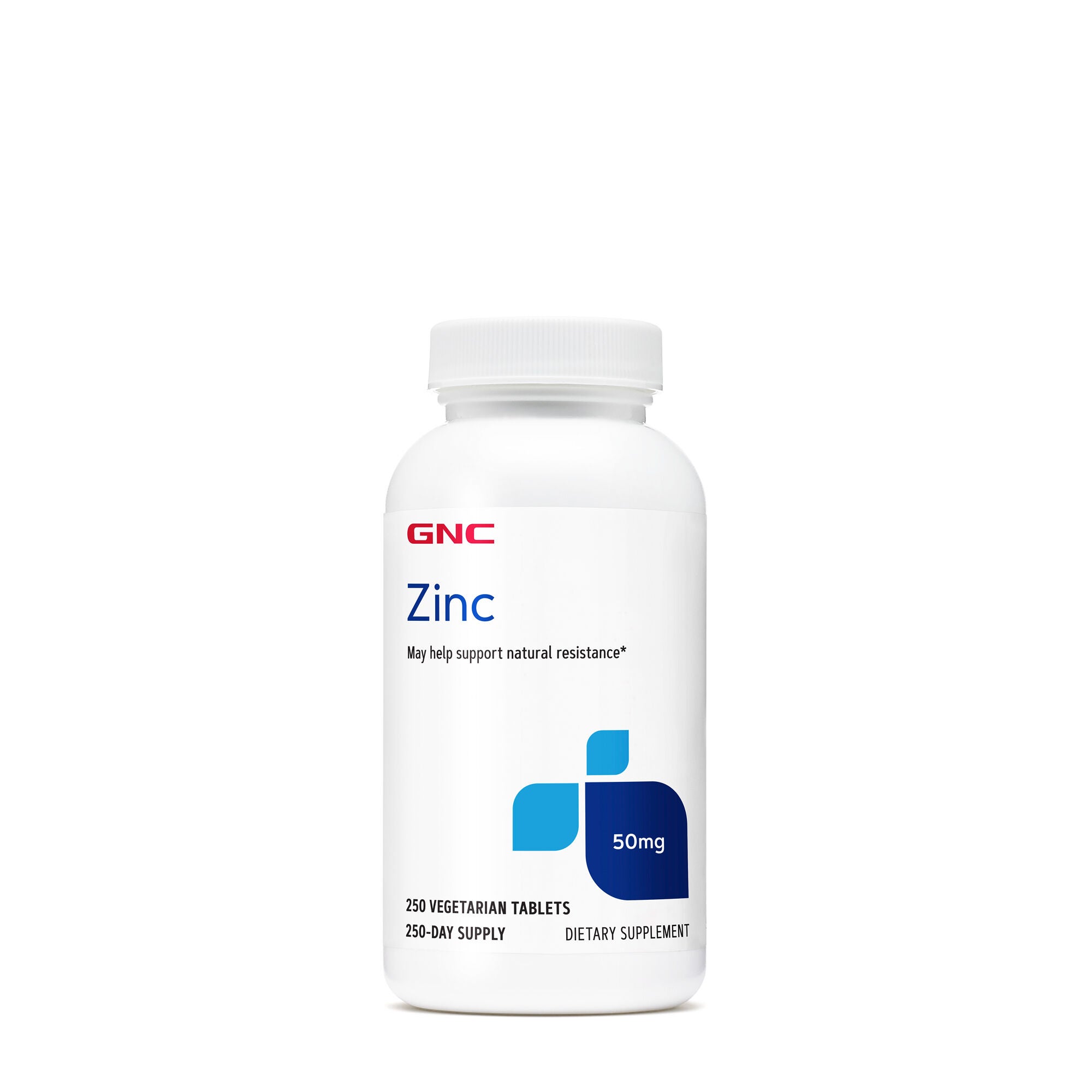
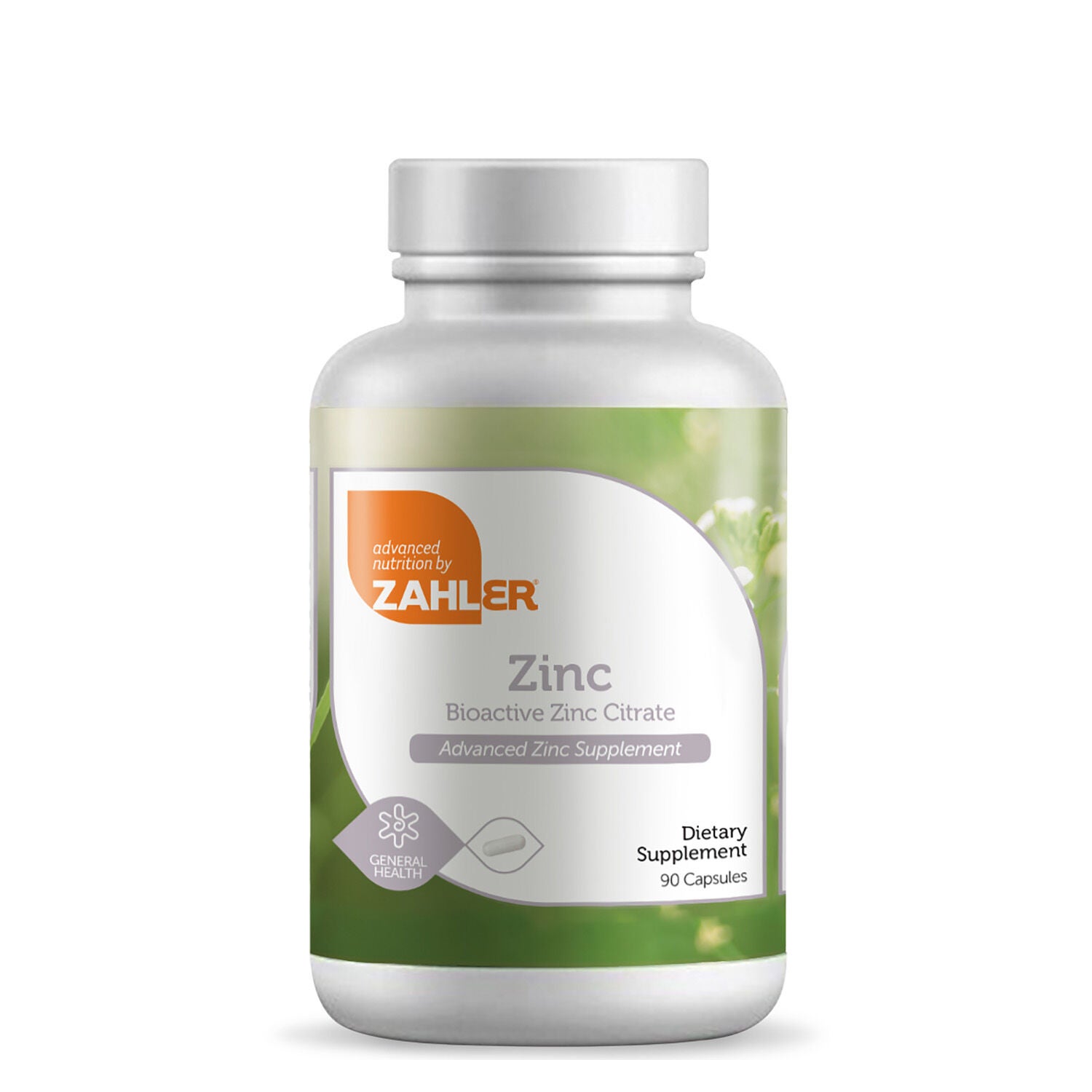
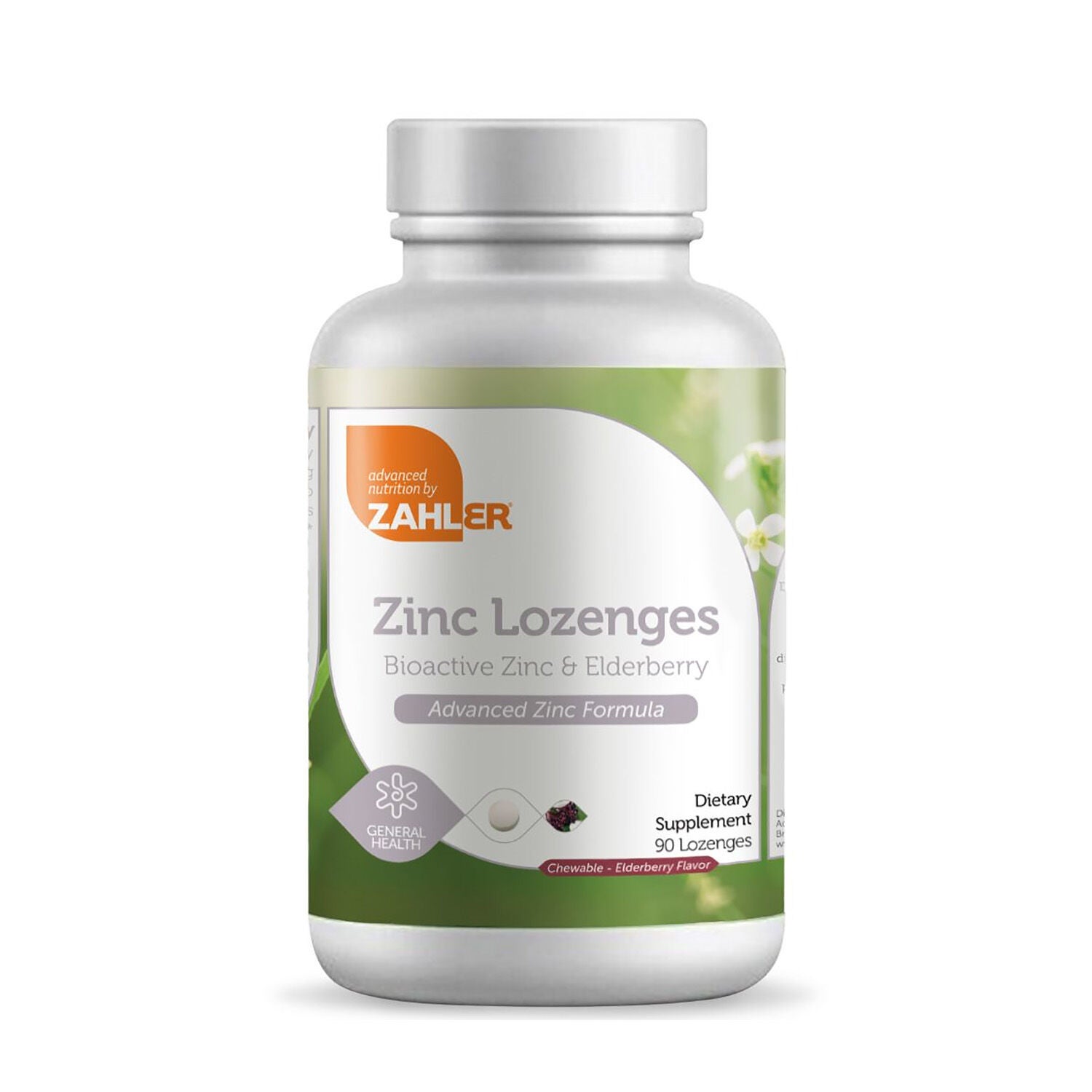
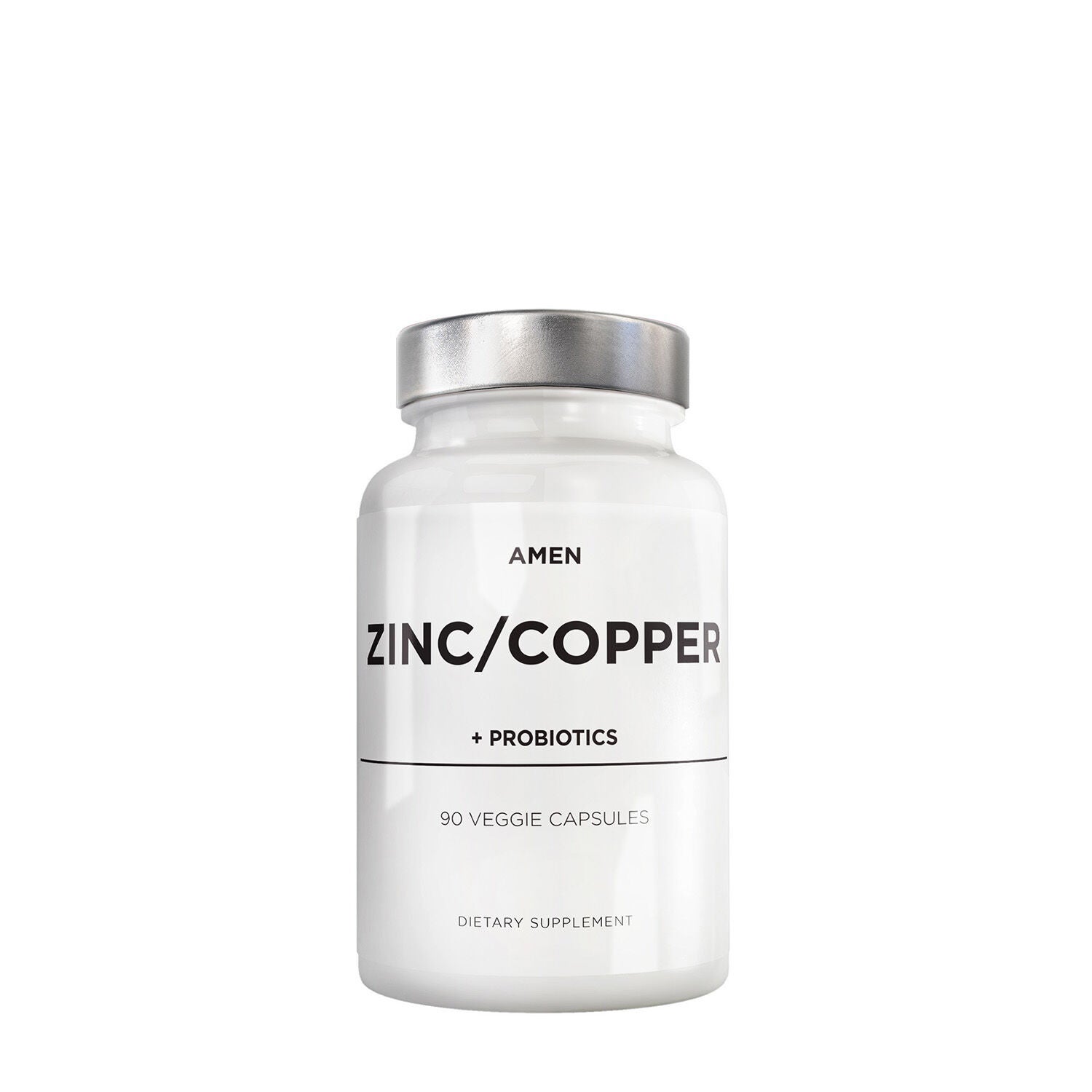
Zinc supplements for men center on a dietary mineral in several familiar formats, including capsules, tablets, and chewable options. Some formulas feature zinc on its own, while others pair it with additional vitamins or minerals. The distinction matters because a focused zinc formula and a multinutrient supplement have different ingredient profiles, even when both are presented for men’s daily routines. For adult men age 19 and older, the recommended dietary allowance for zinc is 11 milligrams per day. The adult tolerable upper intake limit is 40 milligrams per day from food, beverages, and supplements combined. These are general nutrition reference values, not suggested amounts to obtain from a supplement alone. Food contributes to daily zinc intake, with sources including oysters, beef, poultry, beans, nuts, and fortified breakfast cereals. A bowl of fortified cereal, a lunch featuring beans, and a dinner containing poultry each bring a different food context to the conversation. A zinc supplement may complement a varied eating pattern, but it is distinct from the range of nutrients supplied by those foods. That makes the contents of a formula more informative than a men’s label by itself. Someone who already uses a multivitamin has a different starting point from someone considering a single-mineral supplement, since zinc can appear in more than one part of a supplement routine. The same is true of fortified drinks and other foods with added minerals. For this category, the most meaningful distinctions are the amount of zinc per serving, its named form, the delivery format, and any accompanying ingredients. Intended use also matters: a straightforward mineral supplement has a different scope from a broader formula containing several nutrients. Men with established breakfast habits, frequent travel, or a preference for fewer ingredients may each approach those distinctions differently. The category is therefore less about a single universal formula and more about clearly described options with readable labels and a format suited to the person using them.
Zinc appears on supplement labels in forms such as zinc picolinate, zinc citrate, and zinc gluconate. These names describe the zinc-containing ingredient, rather than separate daily nutrient requirements. On a Supplement Facts panel, the listed zinc amount refers to elemental zinc, not the weight of the entire zinc-containing compound. That distinction helps explain why the ingredient name and the milligram amount serve different purposes on the same package. The Zinc Picolinate Supplements for Men category focuses on one of these named forms, with serving size and accompanying ingredients remaining separate characteristics. A form name alone does not establish that a formula is appropriate for every person or every routine. Capsule shells, tablet coatings, flavorings, sweeteners, and binding ingredients also contribute to a product’s composition. Capsules may use gelatin or plant-derived shell materials, while tablets can contain ingredients that help hold the compressed tablet together. Chewable formats have their own texture and flavor considerations, and their ingredient lists can differ substantially from those of plain capsules. For men with dietary restrictions or ingredient preferences, these details can be just as relevant as the front-label zinc amount. Serving size adds another distinction: a serving is not necessarily one capsule, one tablet, or one chewable piece. Two containers with similar unit counts can represent different numbers of labeled servings. The amount per serving and the number of servings per container describe different aspects of the package, so both belong in a meaningful comparison. Percent Daily Value supplies another label reference, although it is not a personalized intake target. Combination formulas call for attention to the other nutrients listed alongside zinc, particularly when similar ingredients appear elsewhere in an existing routine. A short ingredient list may appeal to someone seeking a focused format, while another person may prefer a formula that groups several nutrients together. Neither presentation changes the importance of understanding what the labeled serving contains. Clear ingredient naming, legible serving information, and transparent amounts provide a firmer basis for comparison than broad language about men’s wellness.
The physical details of zinc supplements also shape everyday use. Capsule dimensions, tablet shape, coating, and chewable texture can influence which format feels practical, without changing the need to follow the package directions. A small-looking capsule and a larger tablet are not reliable visual measures of zinc content; the labeled milligram amount supplies that information. Flavor is another consideration for chewable options, especially for someone who prefers a mild taste rather than a strongly sweet or fruit-forward format. Packaging matters beyond appearance, too. A securely closing container, readable labeling, and clearly marked serving information make the product easier to identify and keep organized at home. A crowded kitchen cabinet shared with coffee, cereal, and other supplements presents different handling considerations from a dedicated storage drawer. Manufacturer storage directions address the conditions intended for the formula, including protection from moisture, excessive heat, or direct sunlight where specified. Original packaging keeps the Supplement Facts panel, ingredient list, date markings, and handling instructions together. That context can be lost when loose capsules or tablets are moved into an unlabeled container. For travel, the package’s closure and the space it occupies in luggage are practical considerations, while keeping the label accessible preserves the information needed to identify the contents. Supplements are consumable products, so care centers on packaging integrity, storage conditions, and the manufacturer’s date markings rather than durability in the sense of reusable equipment. A container that fits neatly into a daily routine still needs its contents and directions to remain identifiable. Household storage also involves keeping supplements out of children’s reach and separate from ordinary snacks or candy, particularly when the format is flavored or chewable. Across zinc supplements for men, these ordinary details distinguish a product that merely looks appealing on a shelf from one whose format and labeling suit its intended use. Ingredient composition, clearly stated amounts, manageable packaging, and appropriate storage all belong in the same picture, alongside the food and other supplements already present in a person’s day.
Best Sellers
Related Pages

Top Collections
- Daily Collagen Supplements | Top Brands & Deals | GNC
- Natural Collagen Supplements | Top Brands & Deals | GNC
- Top Rated Collagen | Shop Customer Favorites | GNC
- Cortisol Supplements
- Vitamins For Hair Loss
- Spirulina Tablets
- NAD+ Supplement Tablets
- Peptide Supplements
- Best Brand of Magnesium Glycinate
- Vitamins That Help Support Weight Gain