





Protein For Adults
(0 Results)
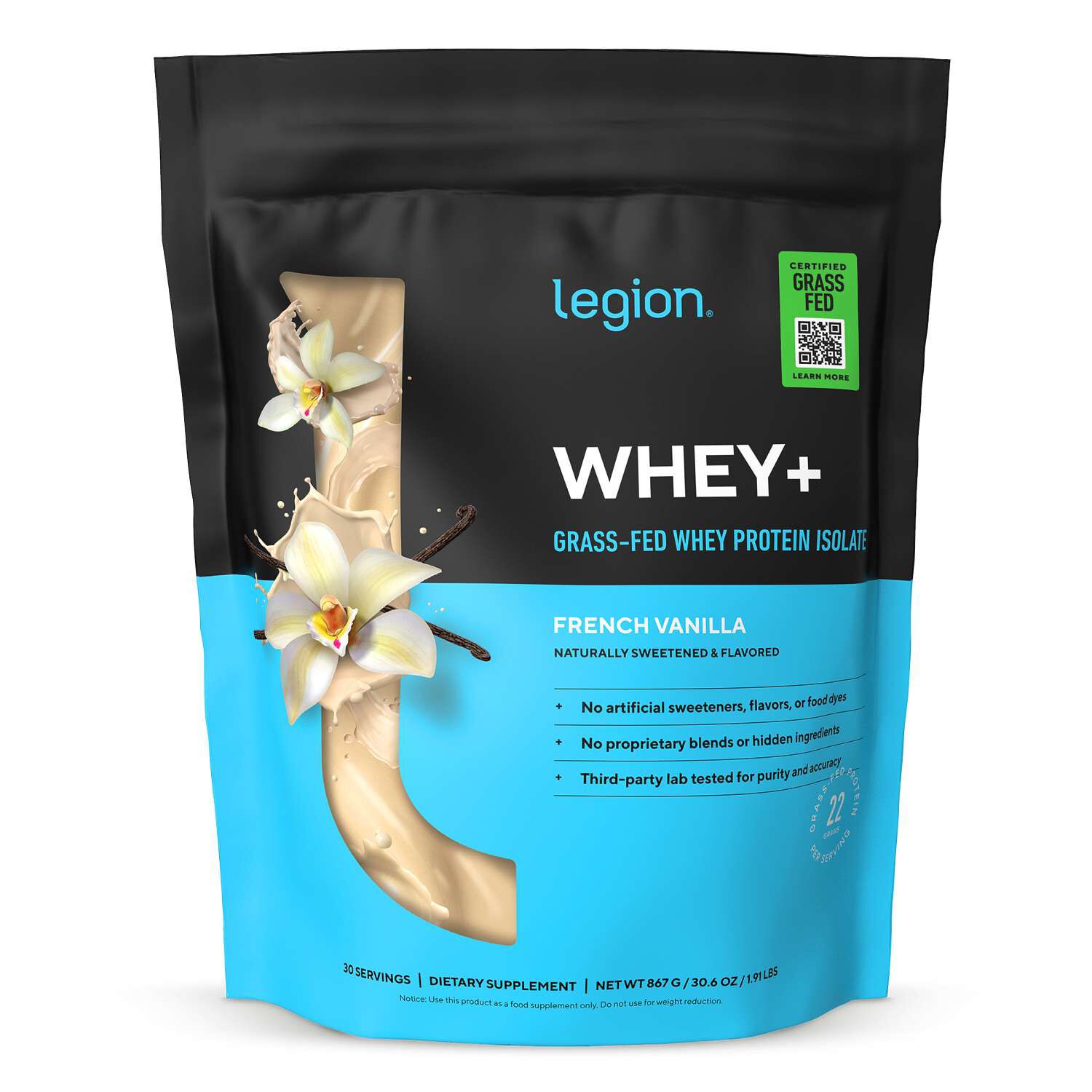
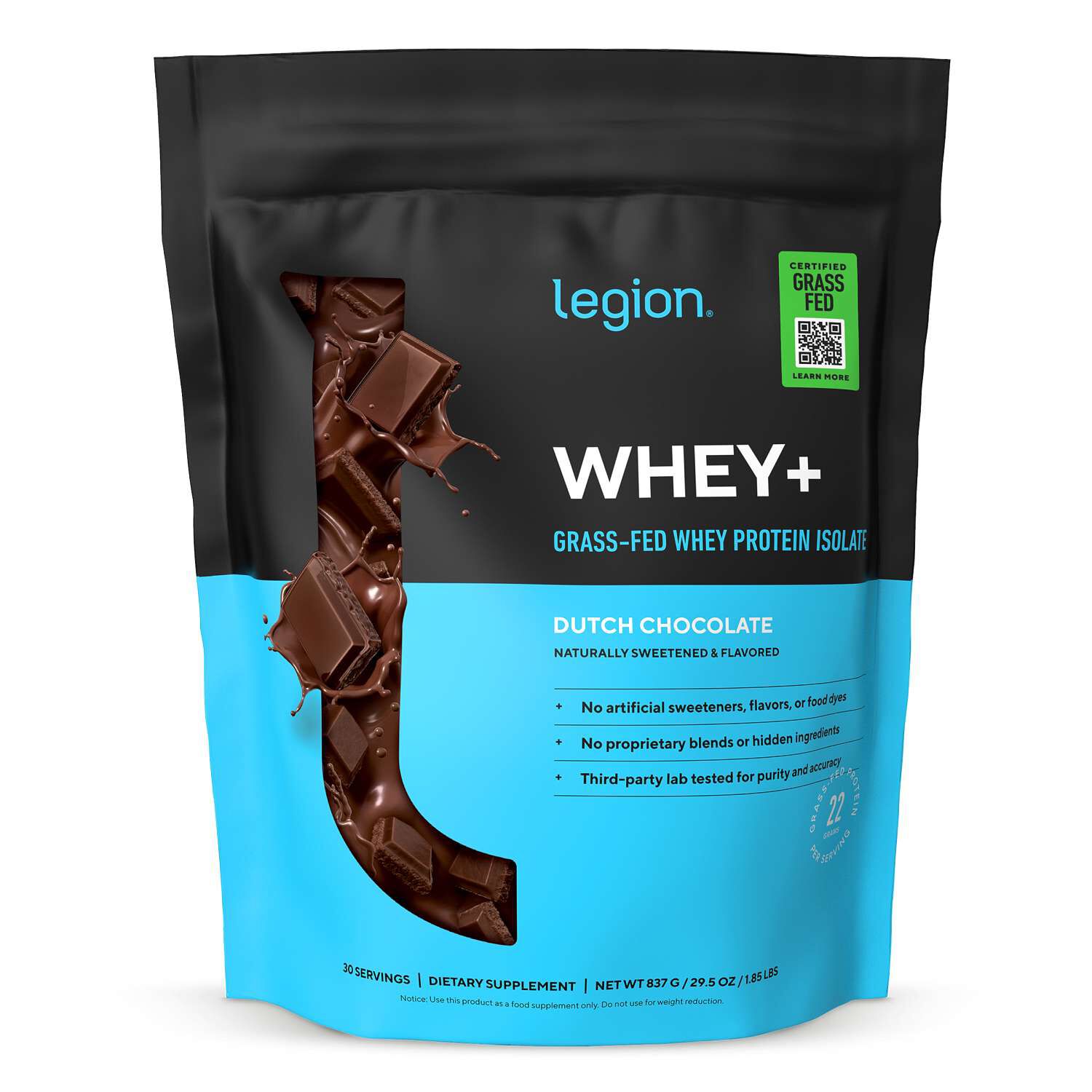
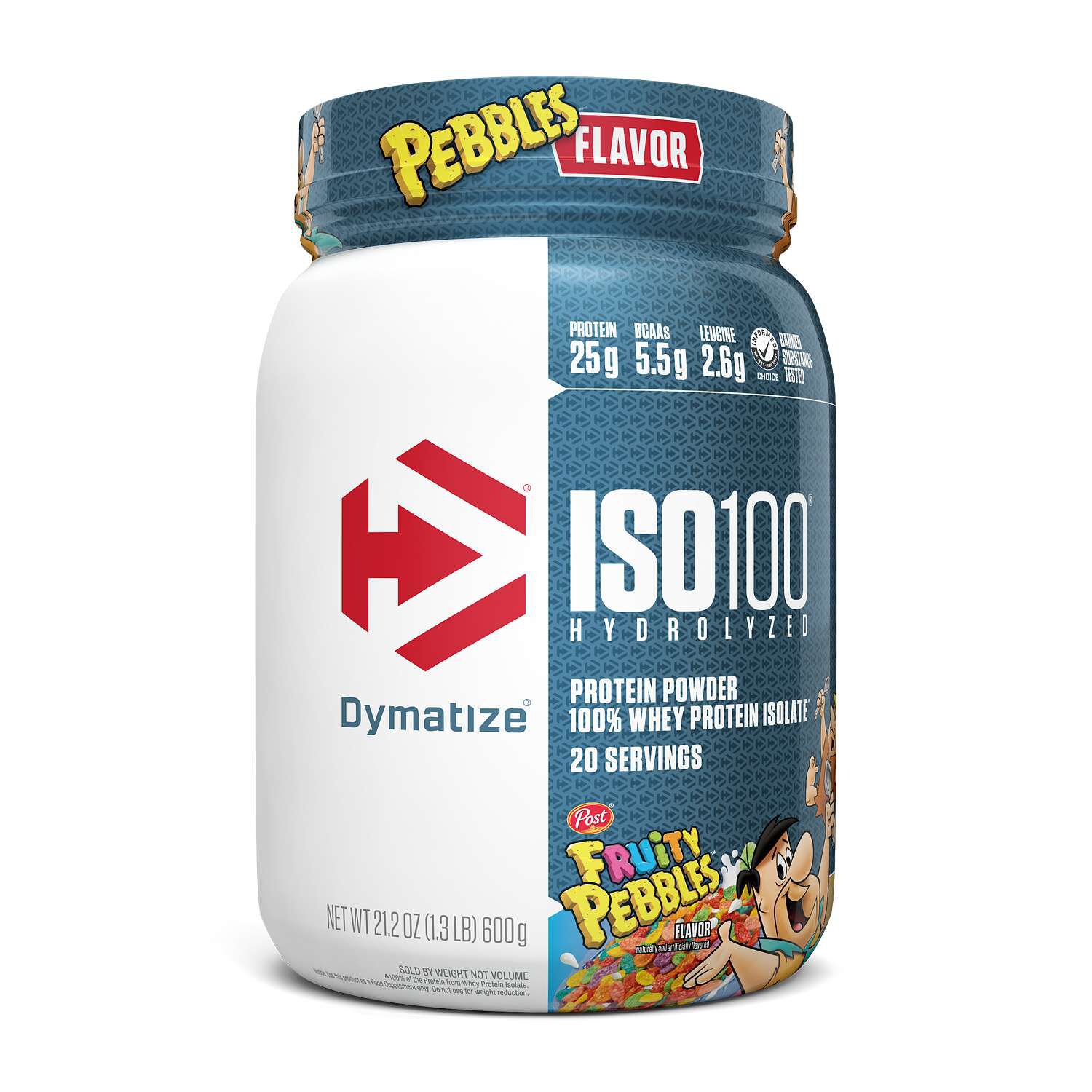
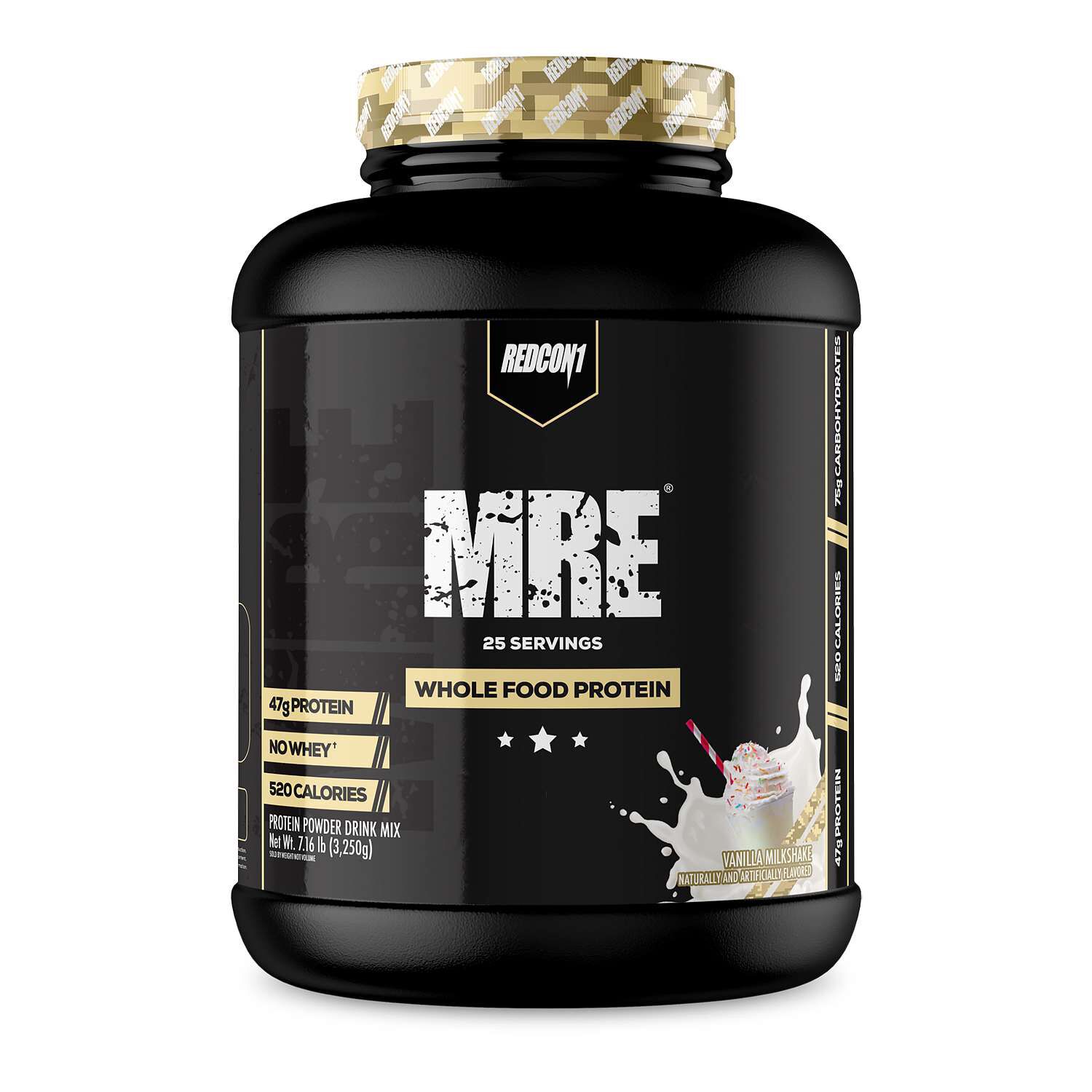
Protein for adults plays an important role in supporting a balanced lifestyle, whether you are looking to maintain your active routine or simply add more variety to your daily nutrition. With a wide range of products available, finding the right protein for adults could help you meet your personal wellness goals. Explore convenient options that fit seamlessly into your day, from powders and shakes to bars and more, designed with adult needs in mind. Discover how protein for adults may be a great addition to your routine as you focus on overall well-being.
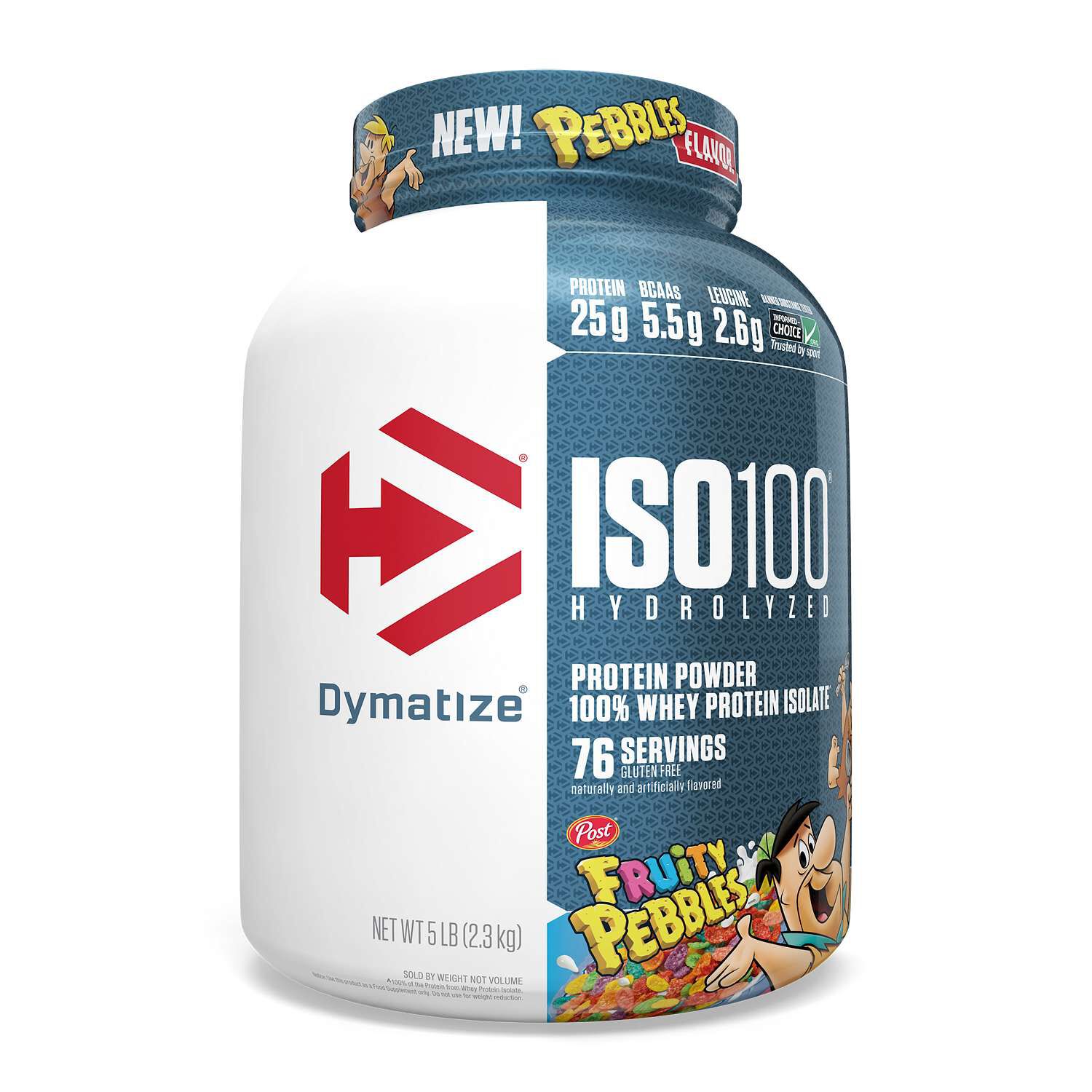


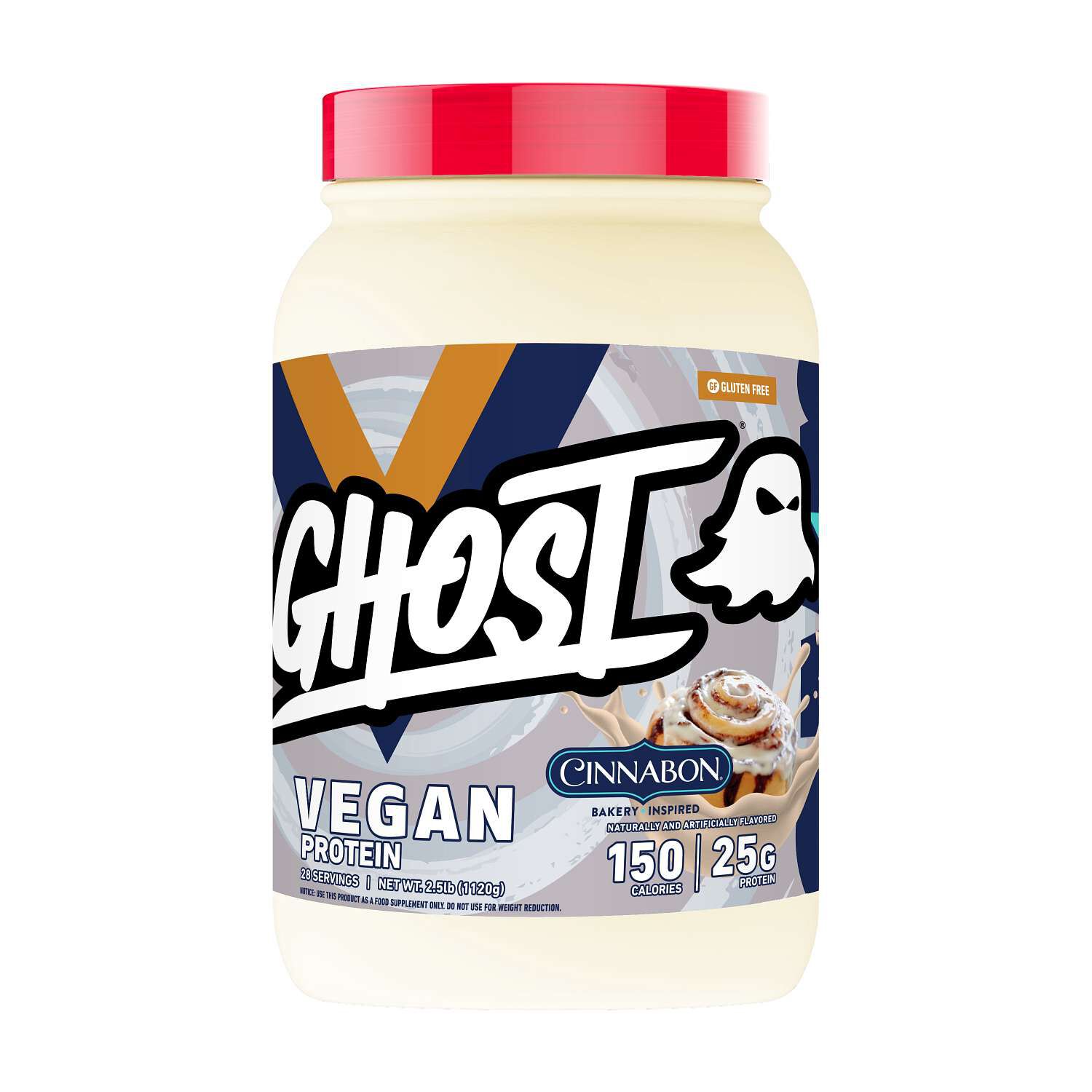
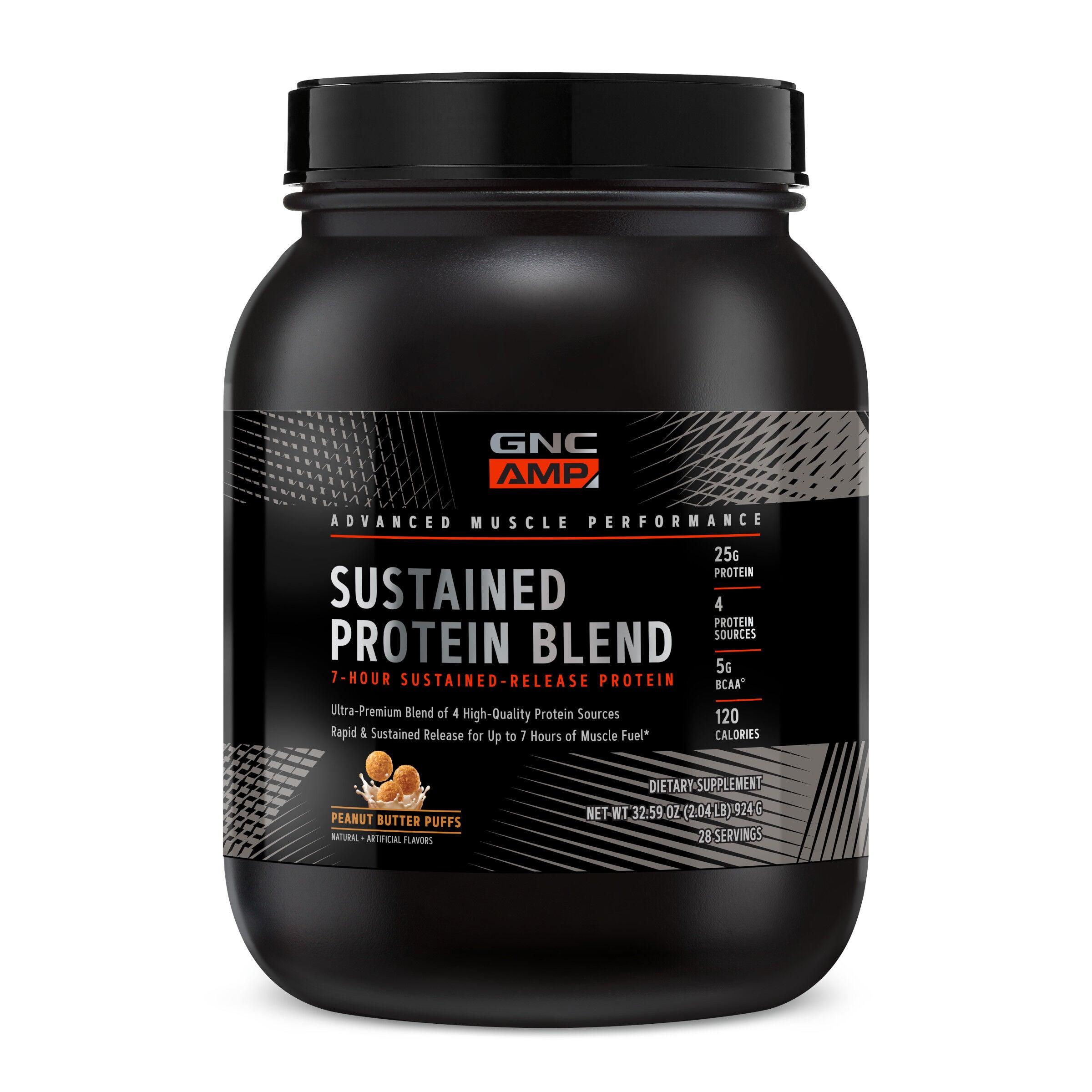

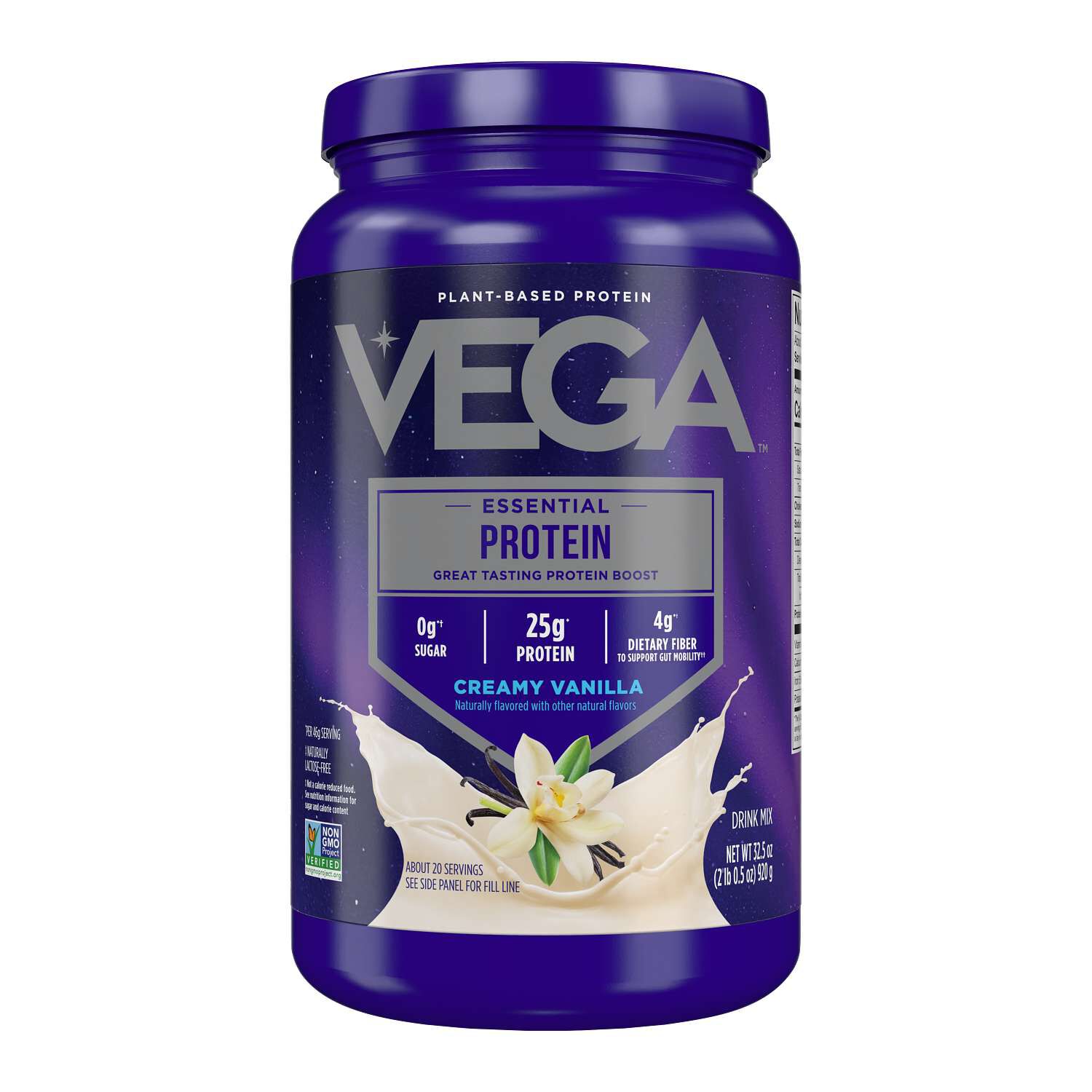
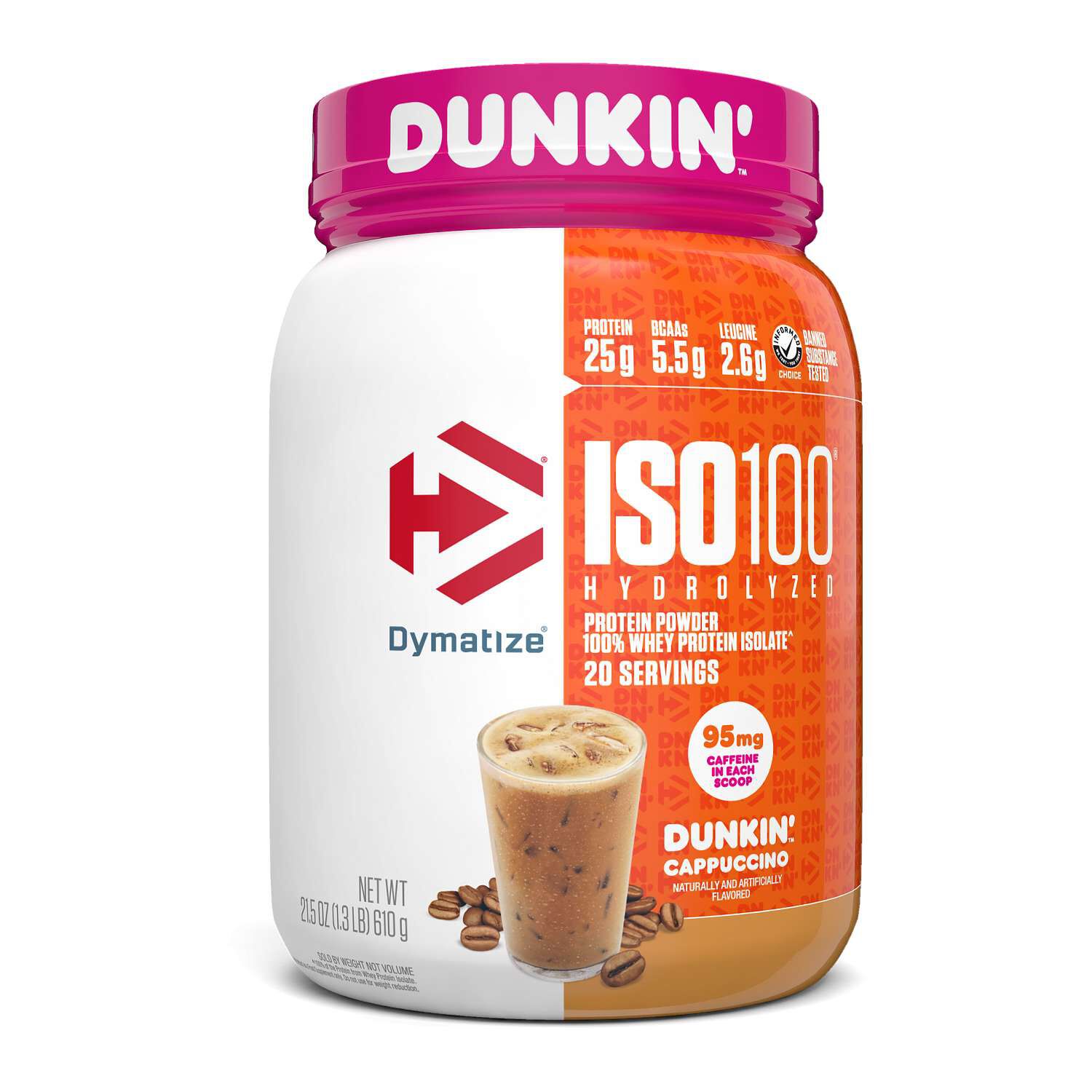


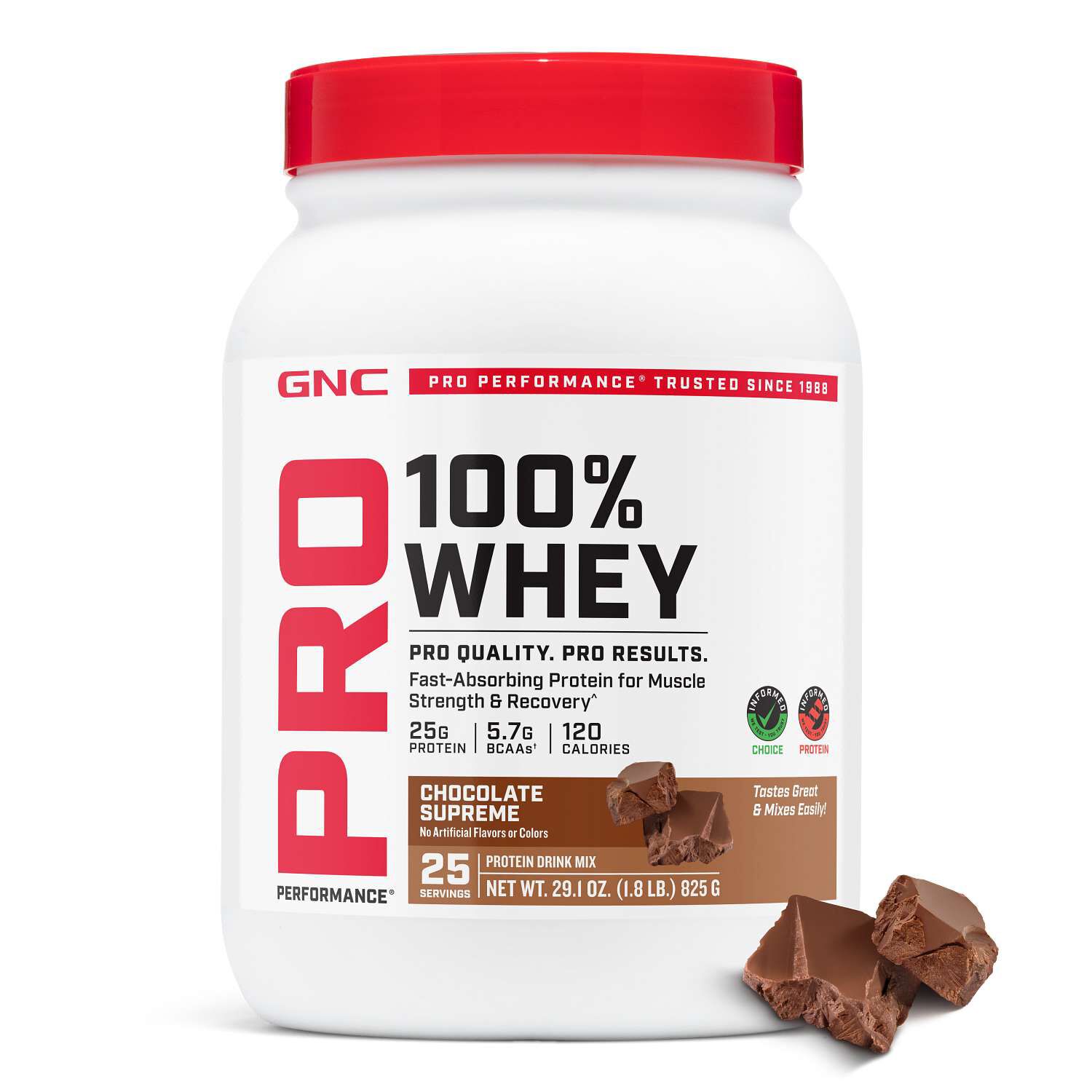
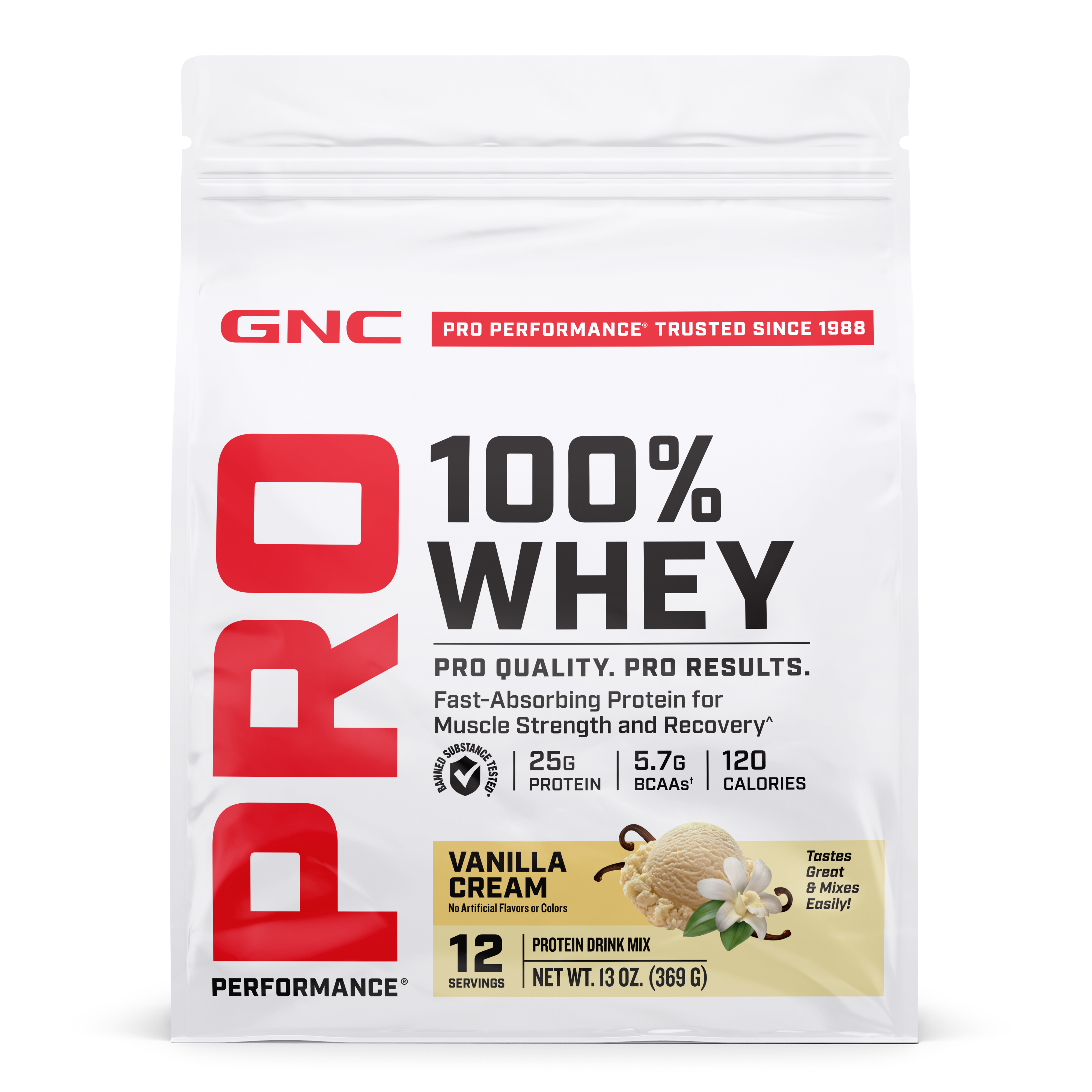
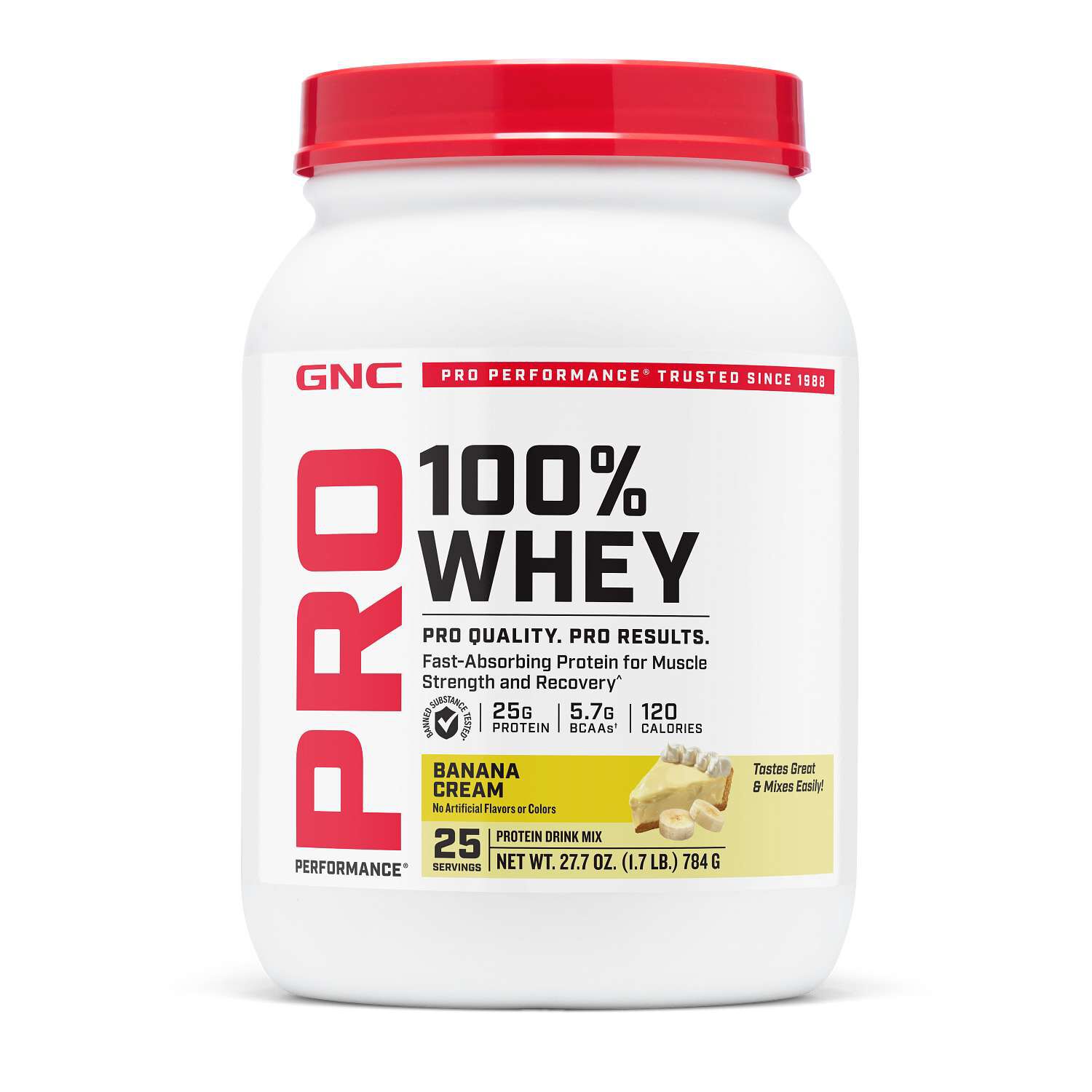
Protein for adults includes powders, ready-to-drink shakes, and bars designed for different eating patterns, flavor preferences, and daily routines. Protein is a dietary macronutrient found in foods such as eggs, dairy, poultry, fish, beans, lentils, nuts, and seeds. The standard Recommended Dietary Allowance for most healthy adults is 0.8 grams of protein per kilogram of body weight per day, equivalent to approximately 0.36 grams per pound. For a 150-pound adult, that calculation comes to about 54 grams daily. This is a general dietary reference, not an individualized target; protein needs vary with body size, activity, life stage, and other personal circumstances. Packaged protein products are one part of that broader food picture, rather than a replacement for varied meals. Their formats differ in practical ways. Powder comes in containers or portioned packets and requires mixing with a liquid. Ready-to-drink protein shakes arrive already mixed, while protein bars have a chewable texture and individual wrappers. A person who enjoys blending a shake at home may prefer powder, while someone packing a work bag might favor a sealed drink or bar. Comparing these formats starts with the amount of protein listed per serving, not simply the size of the container or the number printed prominently on the front. A serving may be one scoop, several scoops, one bottle, or one bar, depending on the label. Calories, carbohydrates, sugars, fat, and sodium also vary, even among options with similar protein amounts. Package size and serving size describe different things, so the Nutrition Facts or Supplement Facts panel provides useful context for comparisons. Ingredient lists show the protein source and any additional components, including sweeteners, oils, flavorings, or added vitamins and minerals. For shoppers comparing protein for adults, these details distinguish a straightforward powder from a drink or bar with a broader mix of ingredients. The most relevant choice is often the one whose format, composition, and preparation suit an existing routine.
Protein sources account for many of the differences in this category. Milk-derived options include whey and casein, while other formulas use egg, soy, pea, rice, or blends of several plant sources. Whey concentrate and whey isolate are different forms of milk-derived protein; isolate generally contains a higher proportion of protein and less lactose, although the finished formula matters more than the ingredient name alone. Plant-based protein powders may appeal to adults whose eating patterns exclude animal ingredients, but a plant-based description does not establish every attribute of a product. Allergen statements and ingredient lists remain relevant for checking milk, soy, egg, nuts, and other ingredients. Protein sources also differ in amino acid composition, and blended formulas combine more than one source. Texture is another distinction that becomes noticeable in everyday use. Some powders mix into a relatively light drink, while others produce a thicker shake or have a more pronounced grain-like texture. Preparation directions identify the suggested amount of liquid, which affects both consistency and flavor concentration. Vanilla, chocolate, and fruit-inspired flavors have different profiles, and an unflavored powder is not necessarily tasteless. The underlying protein source may still be noticeable in oatmeal, yogurt, or a smoothie. A rich chocolate flavor may suit a blended drink with banana, while a milder flavor may fit better alongside berries or coffee. Sweeteners also influence the finish, making the ingredient list useful for shoppers who prefer particular sweetener types. Intended use matters when comparing these characteristics: a powder mixed with water in a shaker cup is a different experience from the same powder blended with milk and fruit. Those additions change the nutrition of the finished drink as well as its taste and texture. For options organized around exercise routines, explore Protein Needs for Active Adults. The same attention to serving information, protein source, and flavor applies across everyday and activity-focused selections.
Practical details often determine how comfortably a protein product fits into adult life. A large powder container requires storage space and a separate cup or blender, while individual packets occupy less room in a desk drawer or travel bag. Ready-to-drink shakes remove the mixing step, but their bottles take up more space than powder packets. Bars have their own distinctions, from soft, dough-like centers to crisp layers, nut pieces, and coatings. Texture preferences matter when a bar is intended for a short break between meetings or an afternoon away from home. Adults with familiar meal routines may prefer one consistent format, while someone dividing time between home, an office, and a gym might choose different formats for different settings. Packaging and storage deserve the same attention as flavor. Resealable lids and closures are intended to protect the contents between uses, and label directions specify storage conditions and handling after opening. A dry scoop helps keep moisture out of a powder container, while closing the lid promptly limits exposure to the surrounding air. Ready-to-drink products differ in their refrigeration requirements before and after opening, so shelf storage cannot be assumed from the bottle’s appearance. Date markings, package seals, and handling instructions provide context for keeping products in their intended condition. For mixed shakes, preparation and storage directions matter because adding milk, fruit, or other ingredients creates a different food from the unopened powder. A shaker cup with a secure lid may be convenient for carrying a drink, and cleaning the cup, lid, and mixing insert after use keeps it ready for the next serving. Protein products may also be a thoughtful gift for an adult who already enjoys them, particularly when the recipient’s preferred flavors, protein sources, and ingredient restrictions are known. Familiarity is more useful than novelty in that setting. Across formats, the relevant distinctions are concrete: what the product contains, how much constitutes a serving, how it tastes, what preparation it requires, and where it will be stored or carried. Those details give protein for adults a place within everyday routines without making every shopper’s preferences or nutritional circumstances the same.
- Q: What are the different types of protein supplements available for adults?
A: Protein supplements for adults come in various forms, including whey, casein, soy, pea, and plant-based blends. Each type offers unique benefits and can cater to different dietary preferences or restrictions. - Q: How can adults incorporate protein powder into their daily routine?
A: Adults can add protein powder to smoothies, shakes, oatmeal, yogurt, or even baked goods. It's a convenient way to increase daily protein intake and support an active lifestyle. - Q: Who might benefit from using protein supplements?
A: Protein supplements can be beneficial for adults with increased protein needs, such as athletes, fitness enthusiasts, older adults looking to maintain muscle mass, or those with dietary restrictions that make it challenging to get enough protein from food alone. - Q: Are there plant-based protein options for adults who follow a vegetarian or vegan diet?
A: Yes, there are many plant-based protein powders made from sources like peas, brown rice, and soy. These options are suitable for vegetarians and vegans seeking to supplement their protein intake. - Q: Can protein supplements be used as meal replacements?
A: While some protein powders are formulated as meal replacements with added vitamins and minerals, most standard protein powders are intended to supplement meals rather than replace them entirely. Always check the label to see if a product is designed as a meal replacement.
Best Sellers
Related Pages

Top Collections
- Zinc Supplements | Top Brands at Great Prices | GNC
- Cortisol Supplements
- Joint Mobility Supplement Packs
- NAD+ Supplement Tablets
- Best Brand of Magnesium Glycinate
- Top Rated Collagen | Shop Customer Favorites | GNC
- Iron Supplements
- Peptide Supplements
- Protein Powders For Muscle Growth Support
- Vitamins That Help Support Weight Gain