Peptide Supplements
(0 Results)
Peptide supplements are a cutting-edge solution for those looking to enhance their fitness and wellness routines. These advanced supplements are designed to support muscle recovery, promote lean muscle growth, and boost overall performance. Packed with essential amino acids, peptides play a crucial role in protein synthesis, making them a popular choice among athletes and fitness enthusiasts alike. Discover how peptide supplements can take your health and fitness goals to new heights.
-

-
-
-
-
-

-

-
-

-
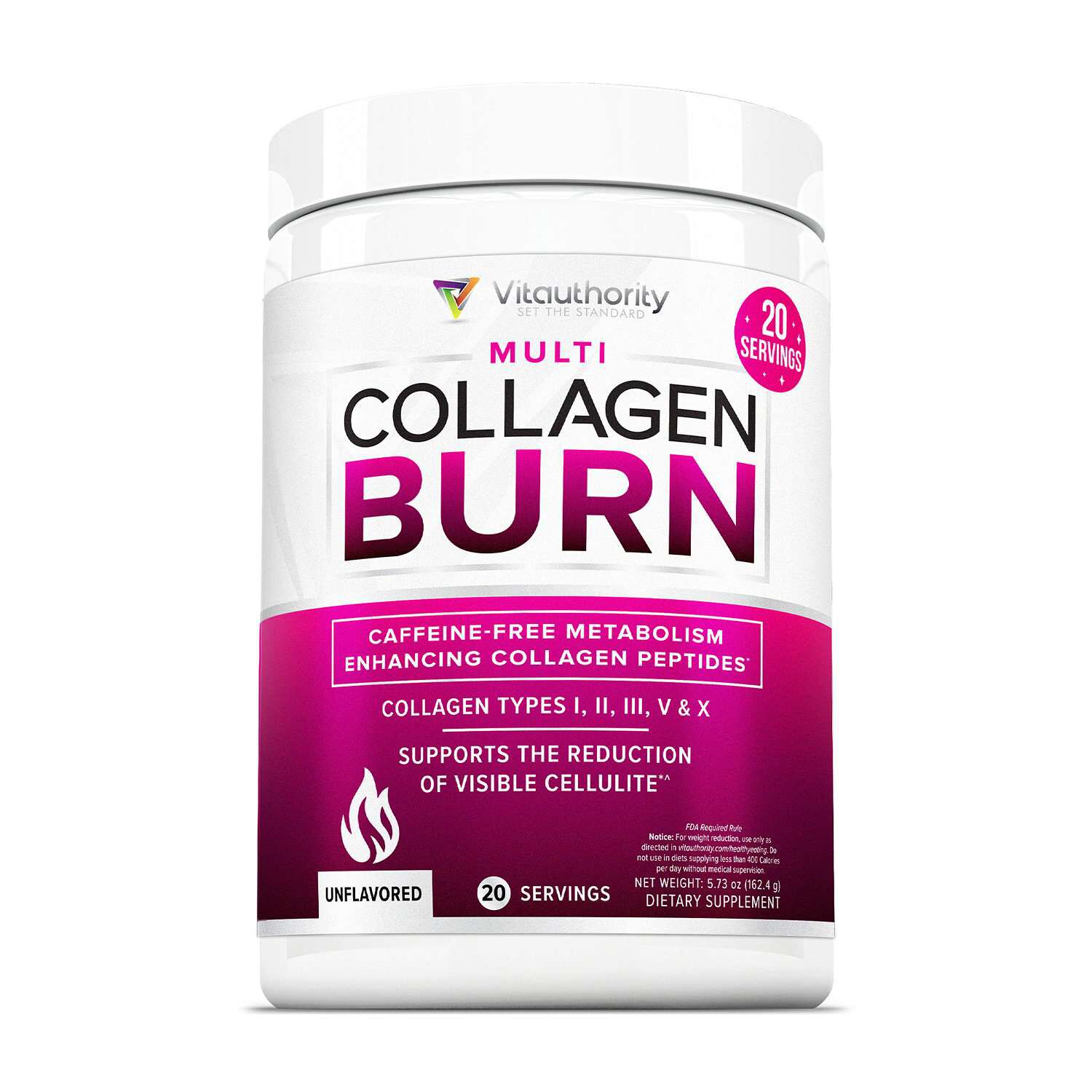
-

-
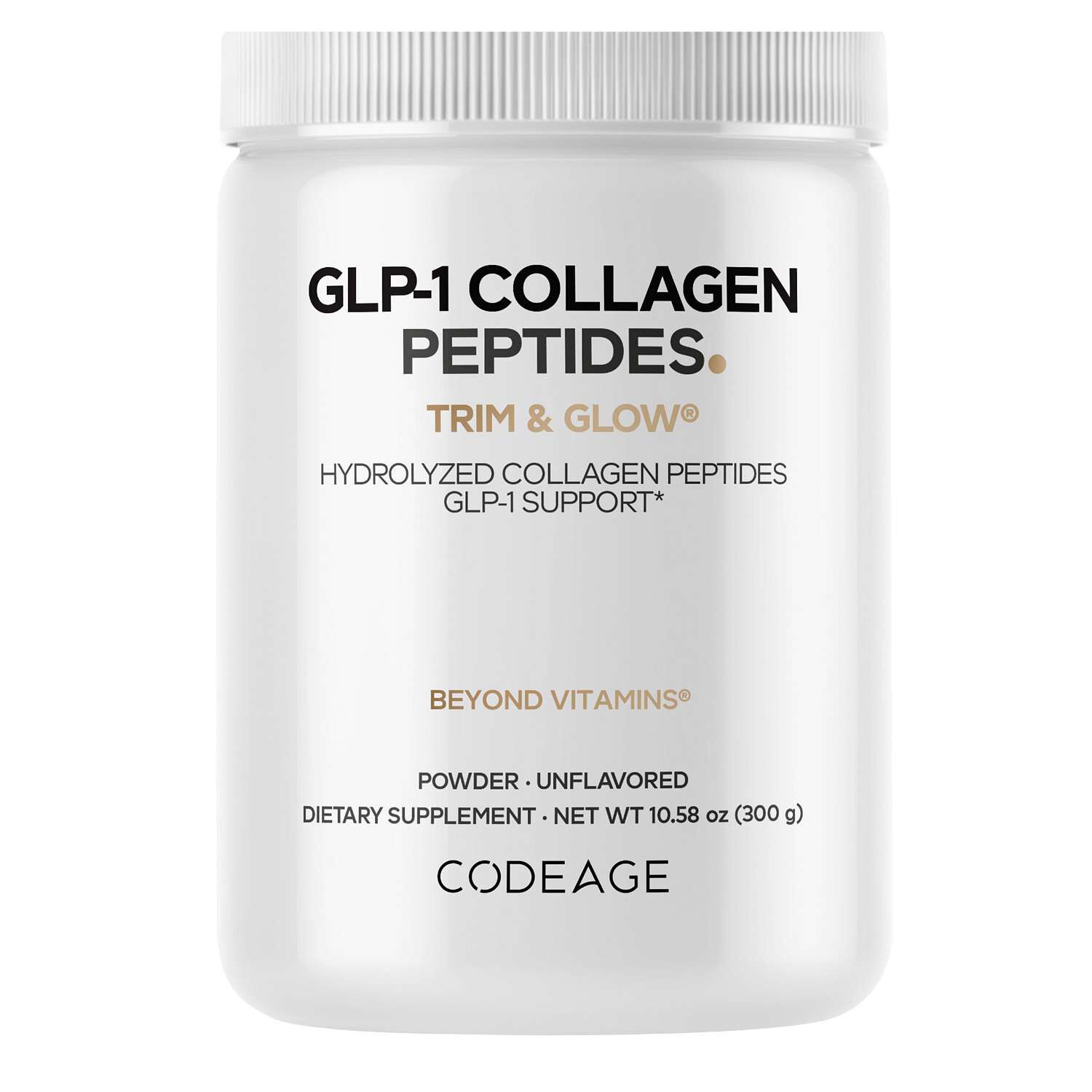
-

-
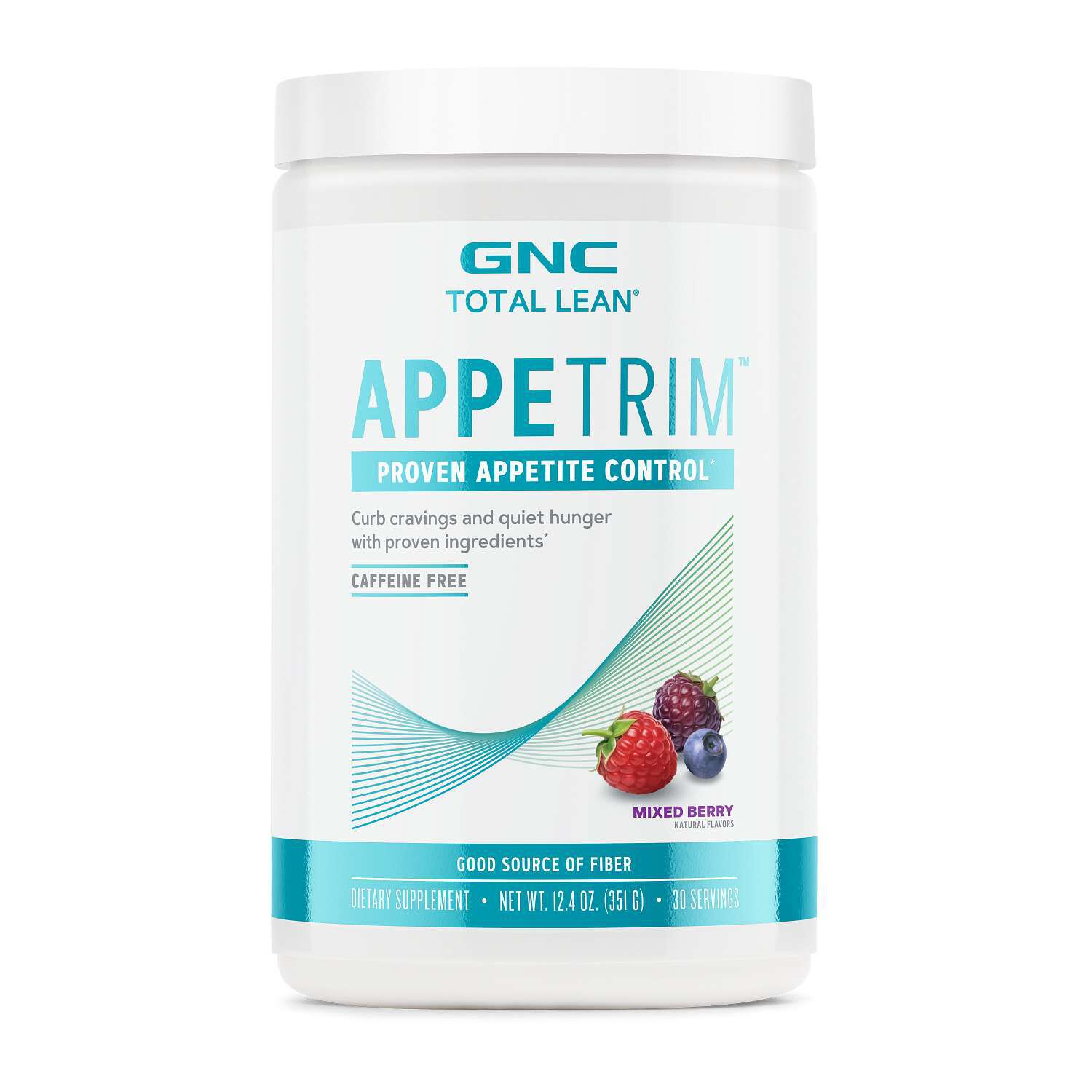
-

-
 13$42.99
 -
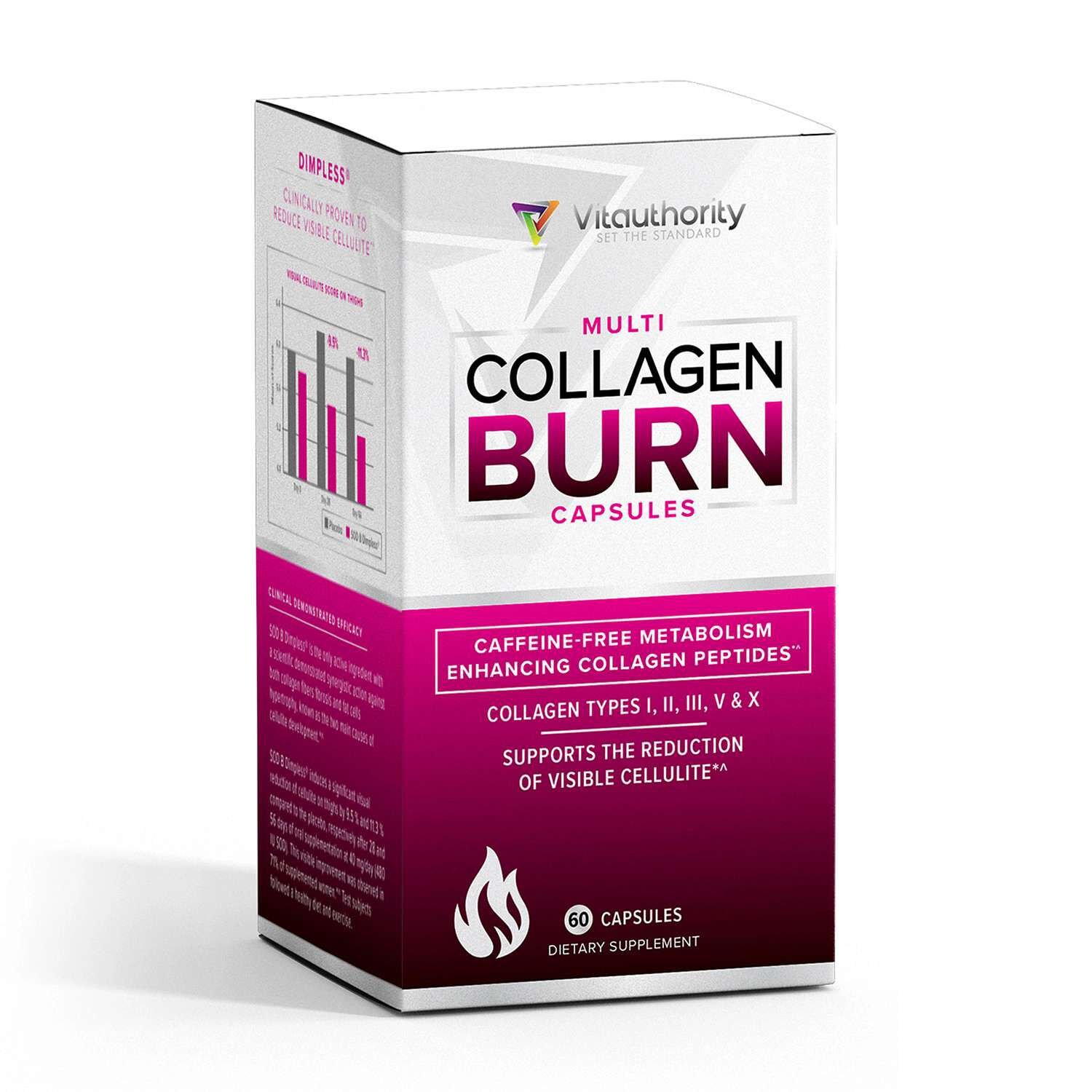
-
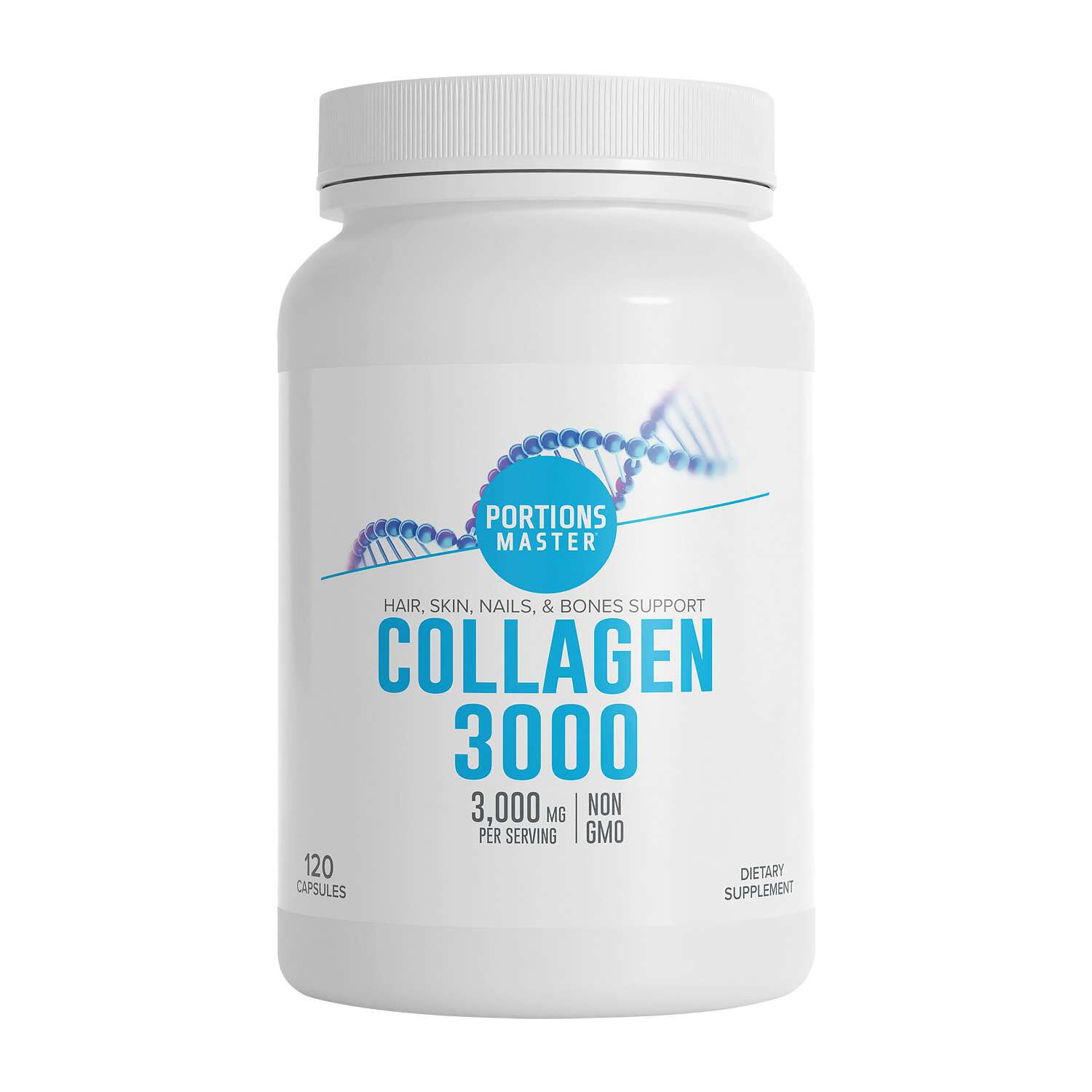 Portions Master$29.99
 -
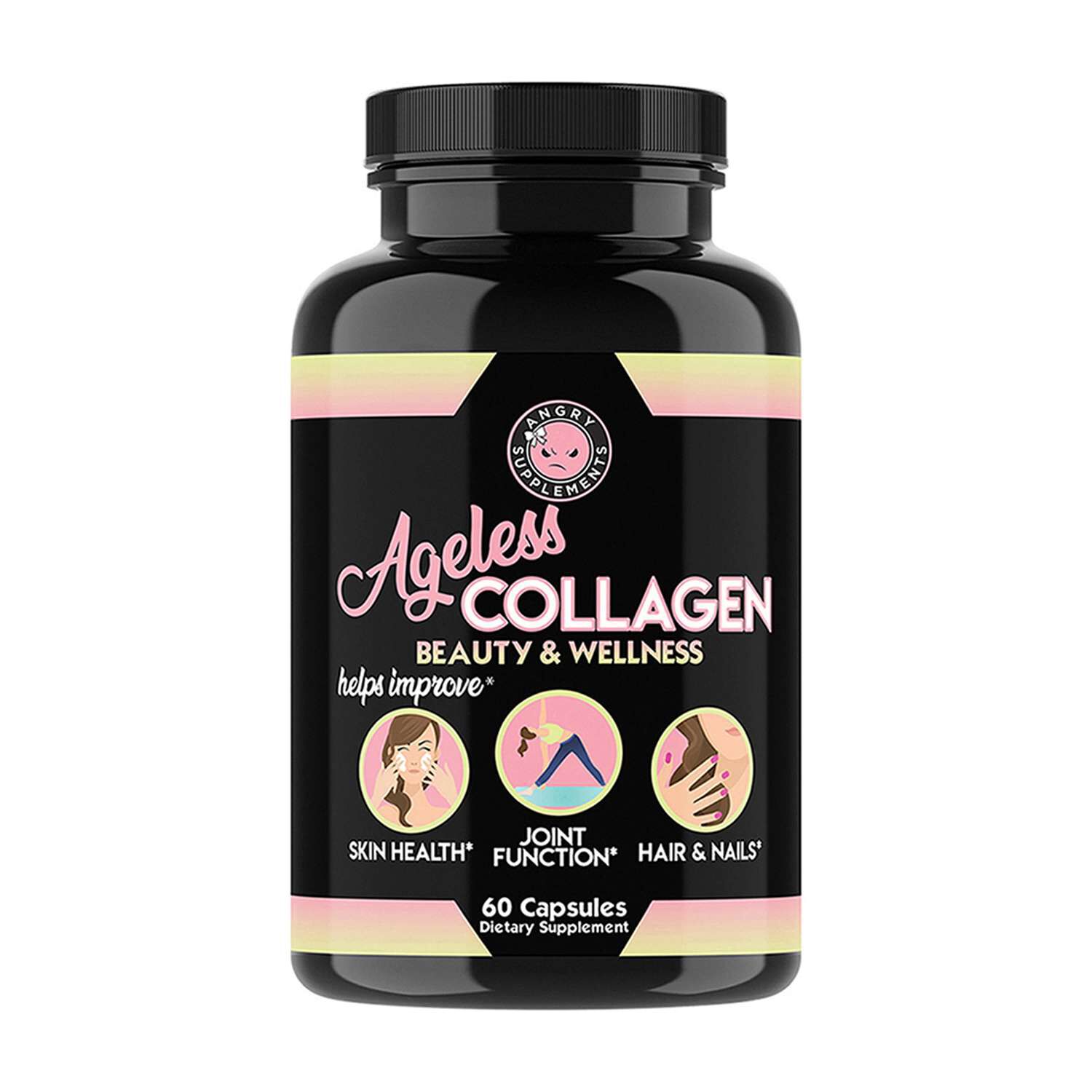 Angry Supplements$14.99
 -
 You Matter Wellness$34.99
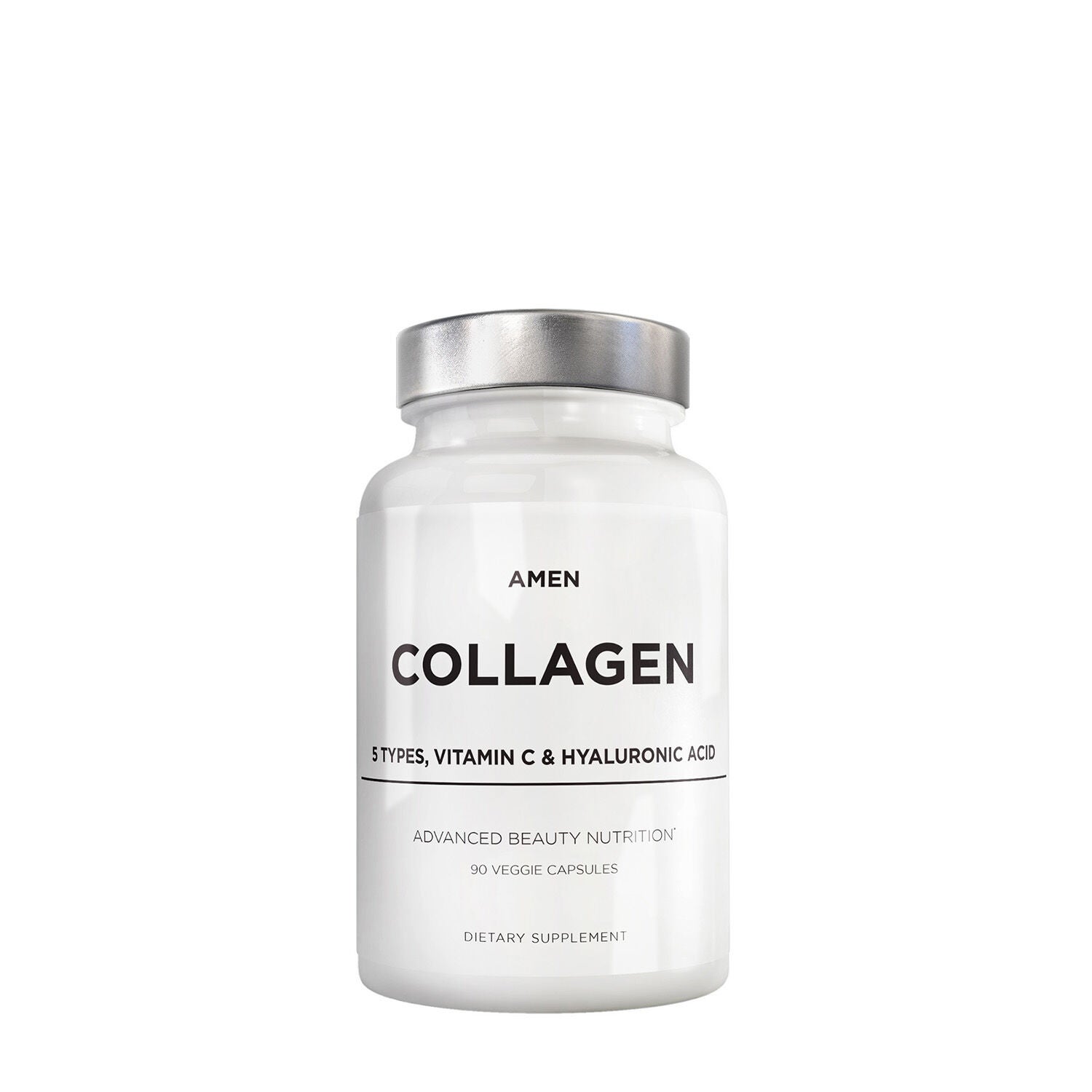

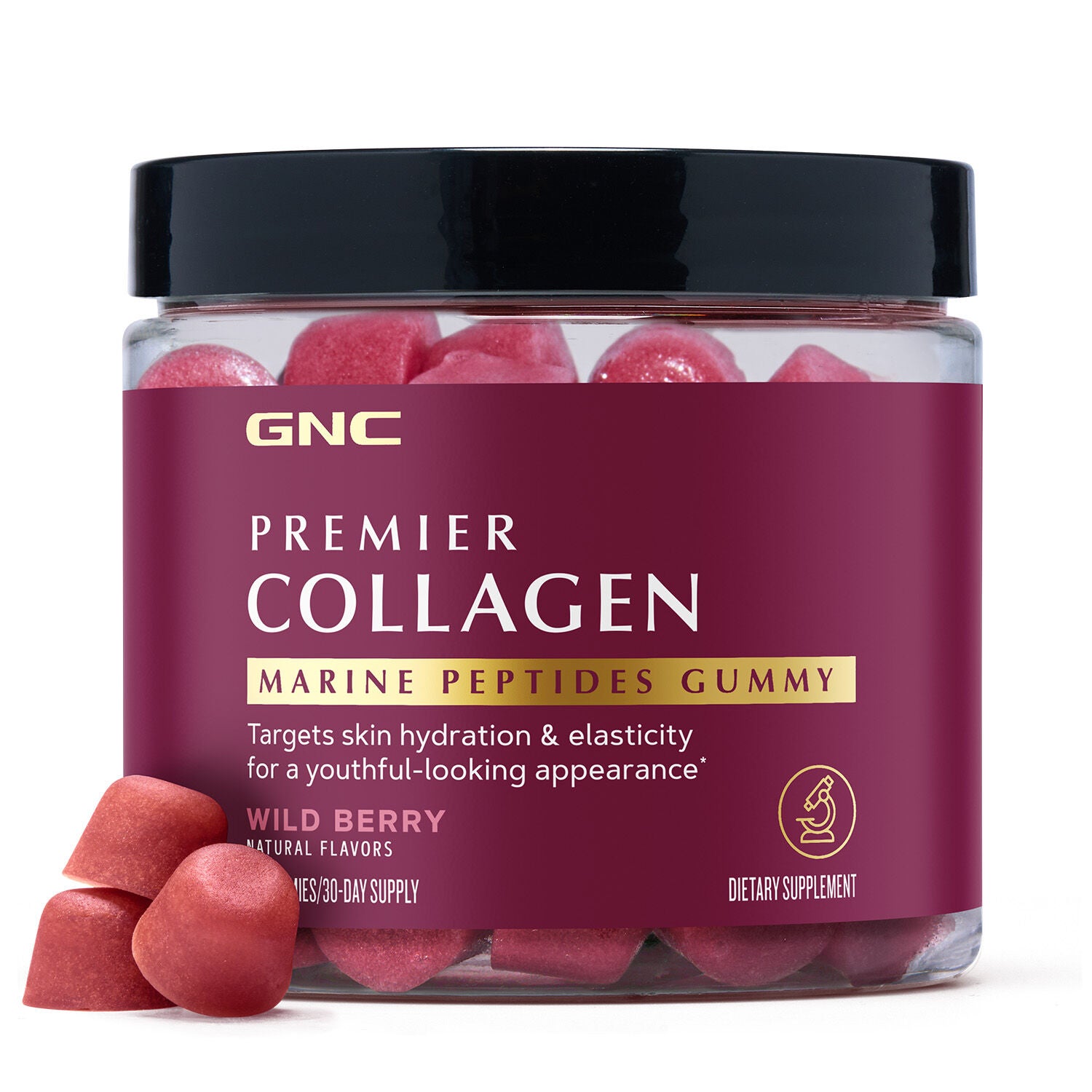

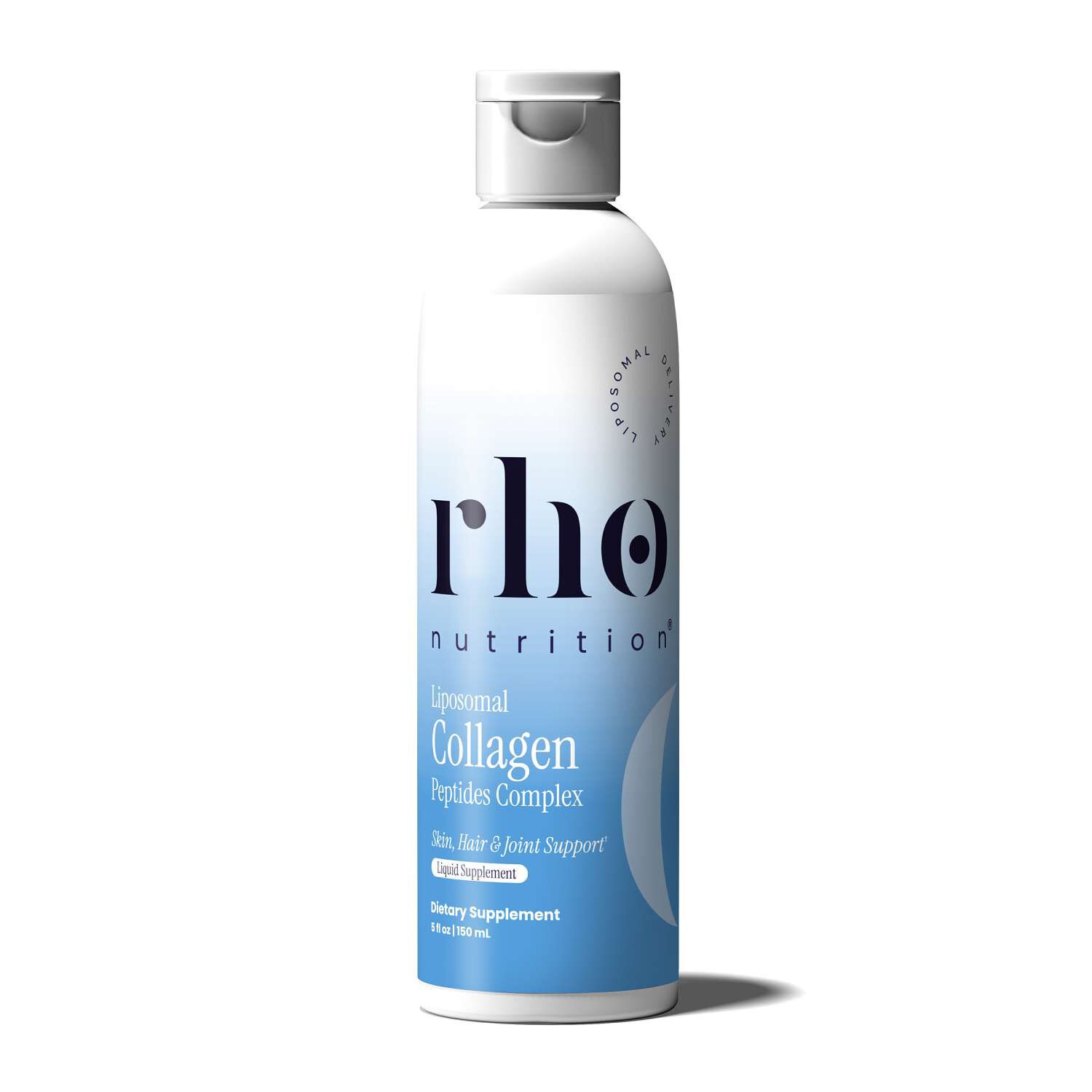
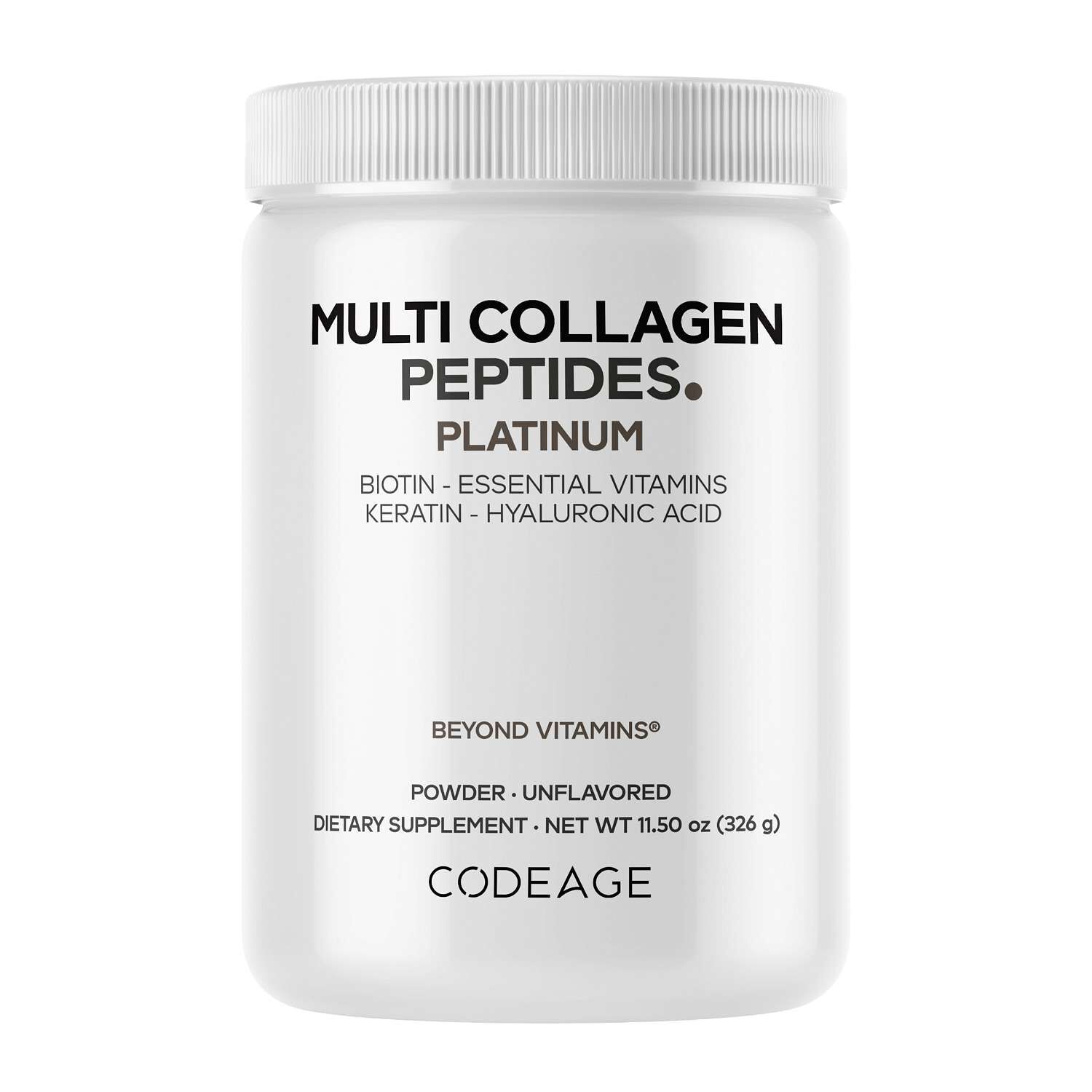
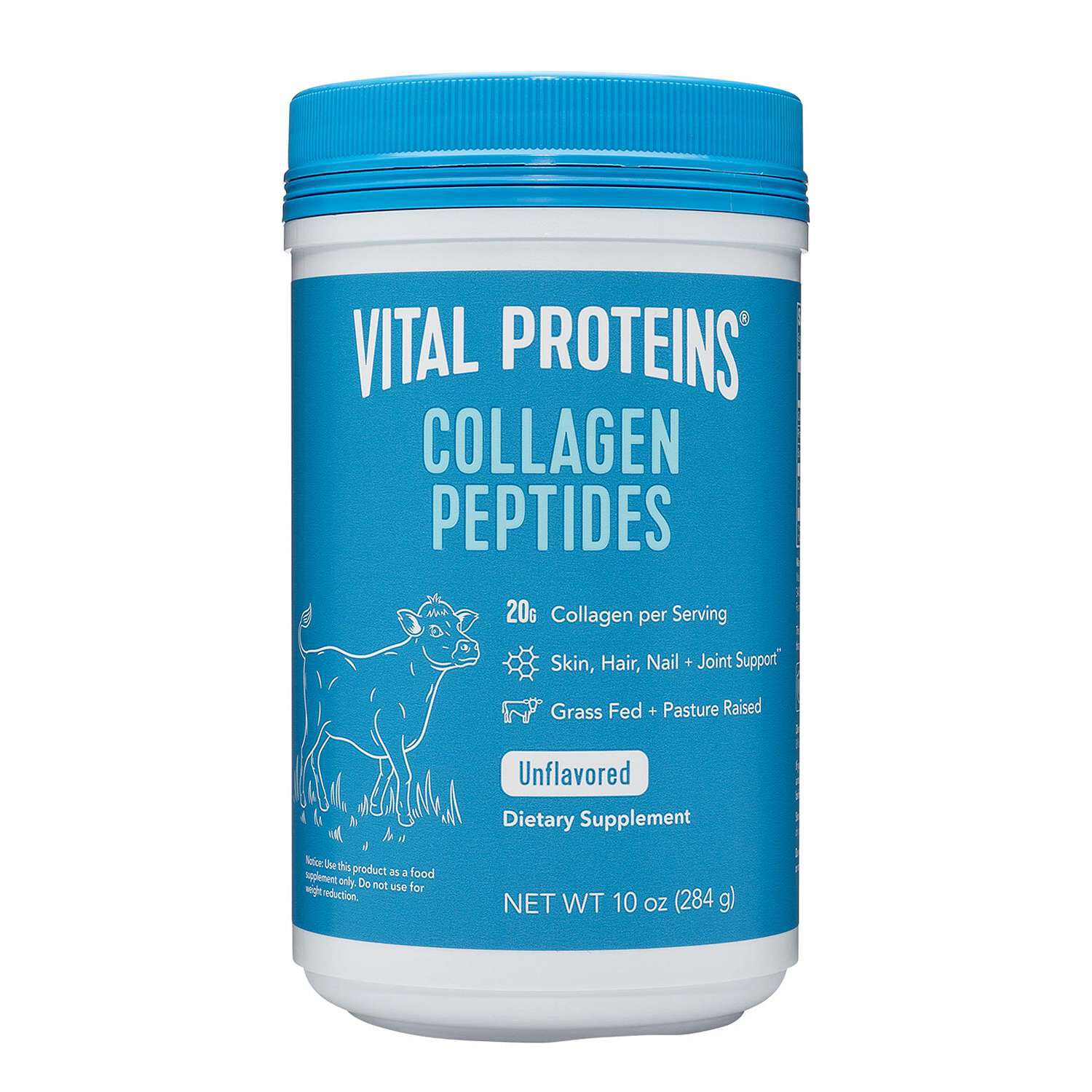
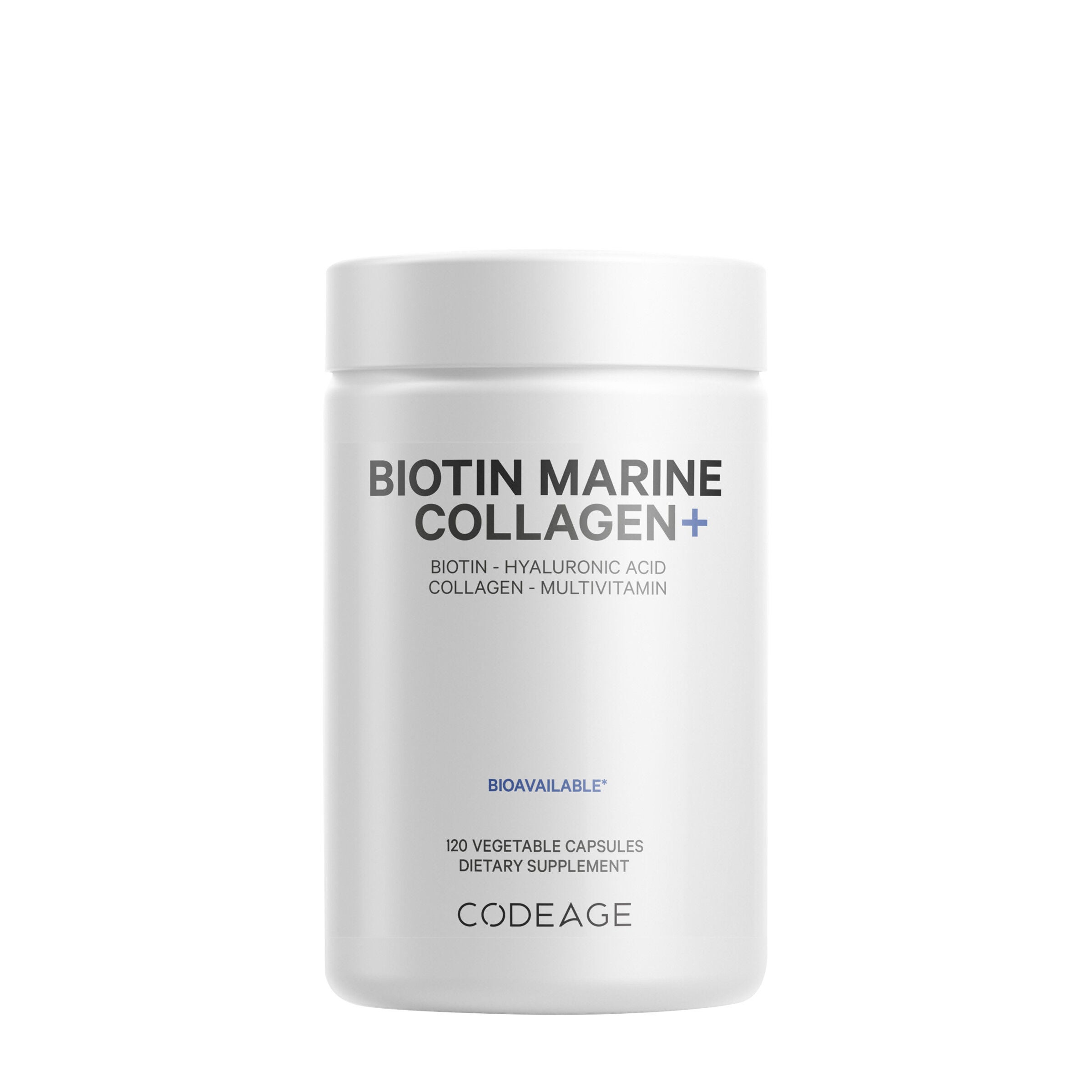
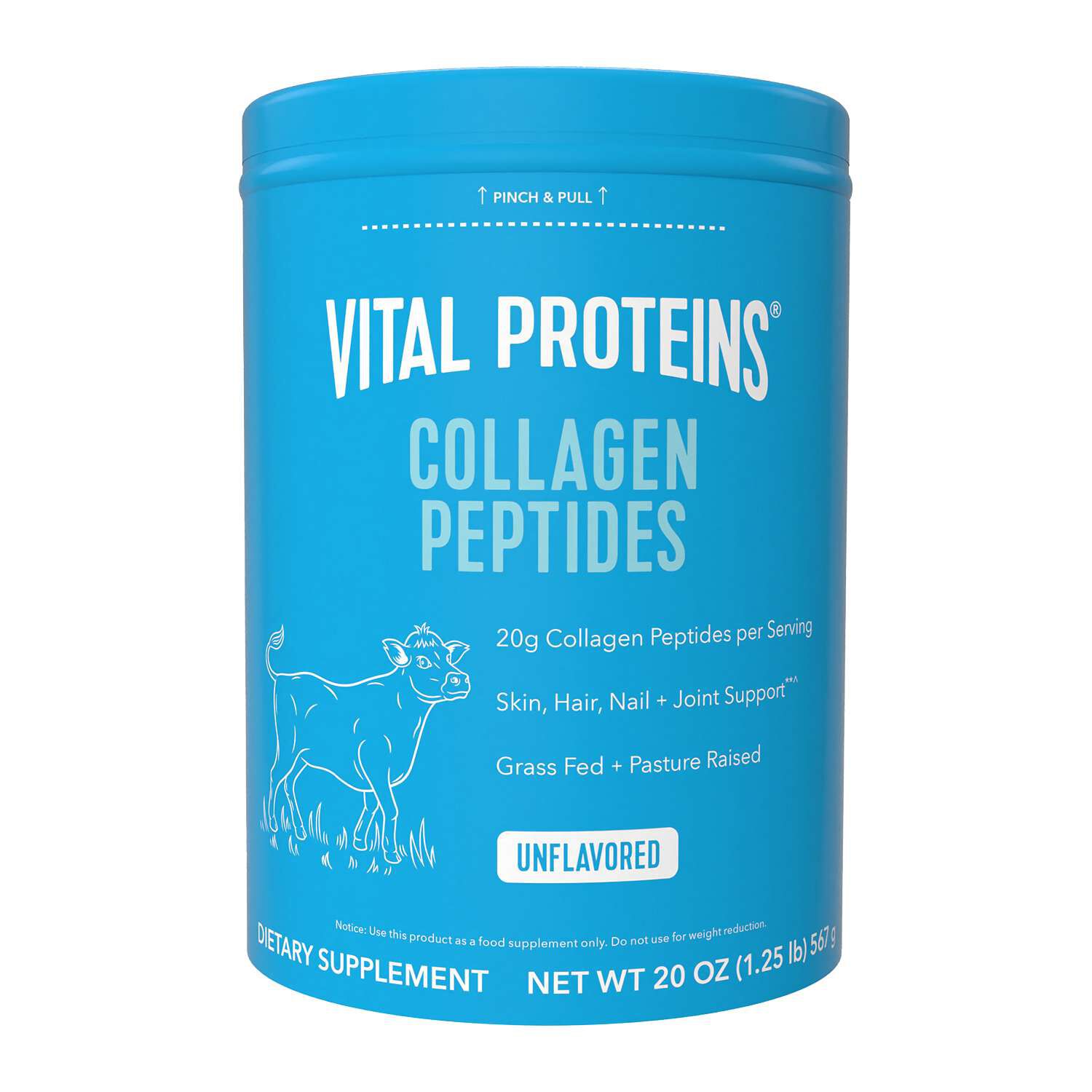
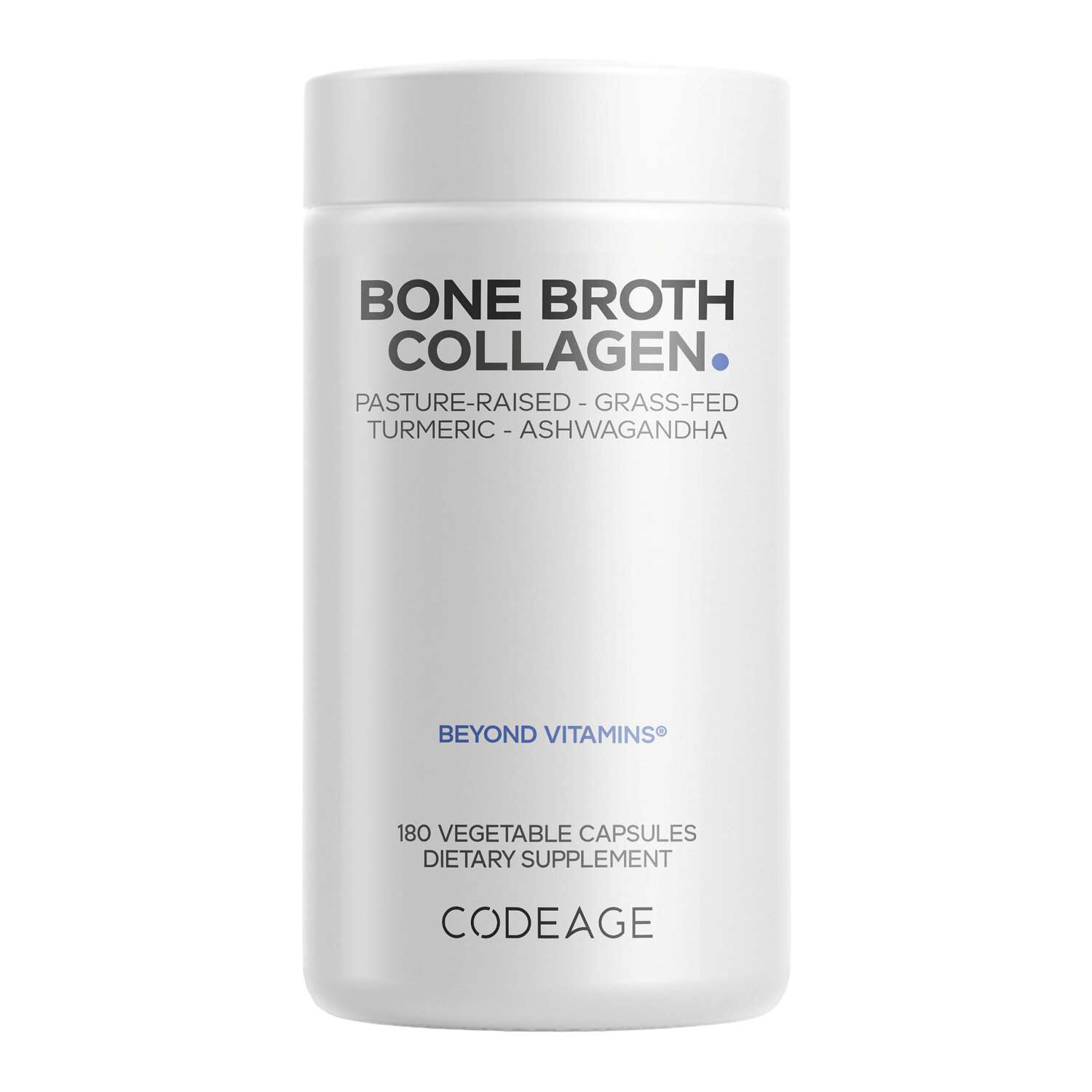
Peptide supplements are dietary supplements containing short chains of amino acids, the building blocks of proteins. The term describes a broad category rather than a single ingredient, so two peptide formulas can differ in their source, composition, serving size, and intended use. Common oral formats include powders, capsules, tablets, and liquids. Collagen peptides are one familiar example: they come from animal sources, such as bovine or marine collagen, and are processed into smaller protein fragments through hydrolysis. Other dietary peptides may come from milk or plant proteins. “Hydrolyzed” on a label describes that processing step; it does not, by itself, establish a particular outcome or make one formula a better match for every person. These distinctions matter when comparing collagen peptide supplements with other protein-based options. Collagen has a different amino acid profile from proteins such as whey or soy and should not be treated as nutritionally interchangeable with them. For example, collagen does not supply all nine amino acids that the body cannot make on its own. A person looking for an addition to a varied protein routine may therefore have different priorities from someone primarily interested in collagen as part of an everyday wellness routine. Peptides also occur naturally in the body and form during the digestion of dietary proteins, but those facts do not mean an oral supplement has the same role as a peptide made within the body. Dietary peptides undergo digestion, and the source, composition, and amount used matter when interpreting a formula’s description. The most useful background is straightforward: “peptide” identifies a type of molecule, not a uniform set of effects. Comparing the actual ingredients and nutrition information gives a clearer picture than relying on that word alone. For adults browsing peptide supplements, that ingredient-first approach keeps the focus on what is in the container and how it fits with ordinary meals, preferred beverages, and established daily habits.
Choosing among peptide powders, capsules, and liquids often comes down to the practical details of a routine. A powder may suit someone who already blends a morning smoothie or stirs a supplement into yogurt, while capsules may appeal to someone who prefers not to change the taste or texture of a meal. The serving information deserves close attention: a serving may involve more than one capsule, and scoop sizes can differ between powders. Comparing grams of the featured ingredient per labeled serving is more informative than comparing the size of the containers. When protein intake is the priority, the amount of protein listed per serving matters as well; the weight of a powder blend is not necessarily the same as its protein content. Ingredient sources are another important distinction. Marine collagen is animal-derived, and a plant-based formula is not automatically a collagen product simply because its packaging uses similar wellness language. Source statements and allergen declarations can clarify whether an option contains ingredients derived from fish, milk, or other foods relevant to personal dietary preferences. Flavored powders may include sweeteners, cocoa, fruit ingredients, or other additions, while an unflavored option may still have a mild taste or noticeable texture. A simple ingredient list may appeal to someone adding a powder to several different recipes; a flavored blend may be a better practical match for a single, familiar drink. Some formulas also combine peptides with vitamins, minerals, or other supplement ingredients, making it worth reviewing the whole label rather than only the ingredient named on the front. People organizing an exercise-day routine can also compare Pre-Workout Supplements With Peptides, where the surrounding formula is just as relevant as the peptide component. Peptide content alone does not indicate whether a pre-workout contains caffeine or other added ingredients. Clear amounts, readable directions, and transparent source information make these differences easier to understand without assuming that more ingredients mean a better fit.
Everyday usability can be just as important as the ingredient panel when selecting peptide supplements. Picture the difference between a quiet breakfast at home and a hurried departure with a shaker bottle tucked beside a gym bag: each setting places different demands on preparation, portability, and cleanup. For powders, label directions can clarify the suggested liquid quantity, whether stirring or shaking is recommended, and any limitations on mixing with hot or cold foods. Solubility varies by formula, so a powder that blends smoothly in one beverage may behave differently in another. A shaker bottle or blender may offer a more suitable preparation method for some textures, while other powders are intended for simple stirring. Capsules avoid beverage preparation but still require attention to the labeled serving size and storage directions. Liquids have their own measuring instructions and may have specific handling requirements after opening. Packaging matters, too. A securely closing lid, a readable label, and a container that fits comfortably in a cupboard are practical features for a supplement used regularly. Powder care generally involves keeping the container closed and using a clean, dry scoop, with the package instructions taking priority. Moisture, prolonged heat, and direct sunlight are worth considering when choosing a storage location; a steamy bathroom or a parked car is not the same environment as an indoor pantry. Original packaging also keeps the ingredient list, lot information, and date markings close at hand. For travel or shared households, clearly labeled containers make contents and serving directions easier to identify. Beyond convenience, quality documentation can add useful context. Independent testing or certification, when stated, should be evaluated for what it actually covers, such as ingredient identity or screening for certain substances, rather than treated as evidence of a particular result. Adults shopping for themselves, a partner, or a household member will generally find personal preferences more useful than broad category claims: source, flavor, format, dietary compatibility, and preparation habits all shape the choice. A thoughtfully selected peptide supplement fits those details without requiring an entirely different daily routine.
Best Sellers
-
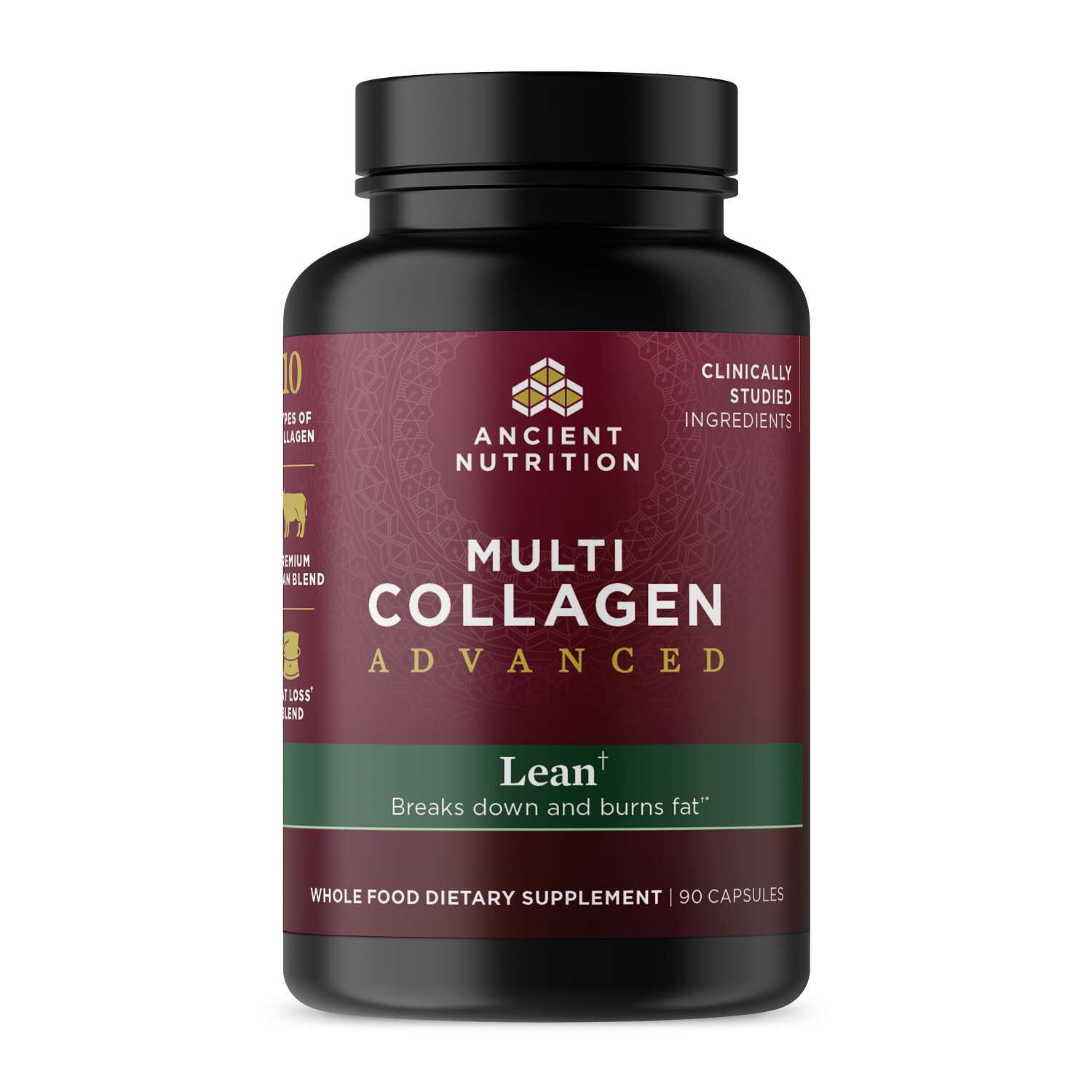 Ancient Nutrition
 -
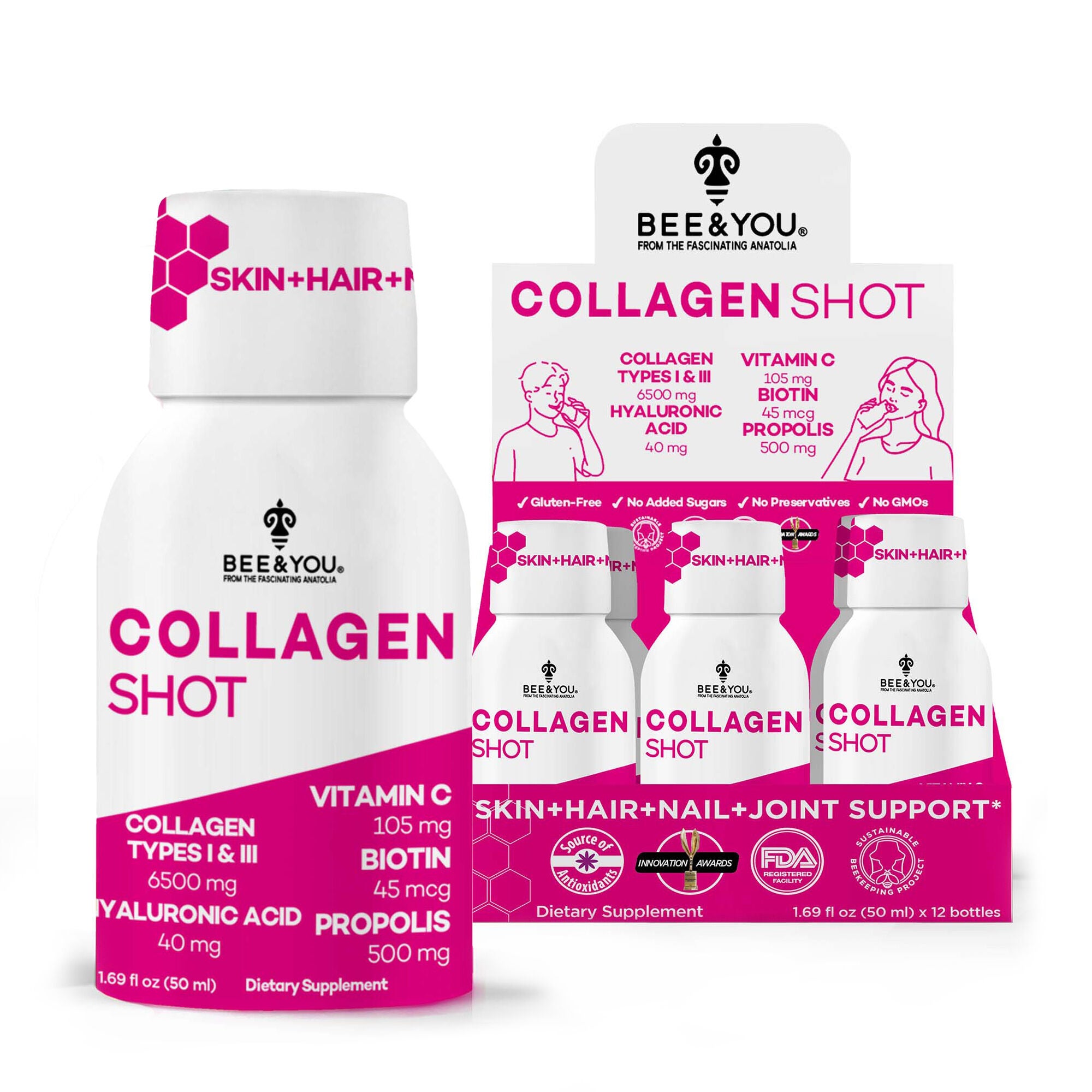 Bee And You