





Peptide Supplements For Muscle Growth
(0 Results)
Peptide supplements for muscle growth have become a popular addition to many fitness routines, offering an option for those looking to support their training goals. These supplements may be chosen by individuals seeking to complement their nutrition and workout plans. With a variety of peptide supplements for muscle growth available, exploring different options could be a step toward finding something that fits your lifestyle and preferences. Whether you’re focused on recovery or aiming to support your active routine, discover how peptide supplements might fit into your wellness journey.


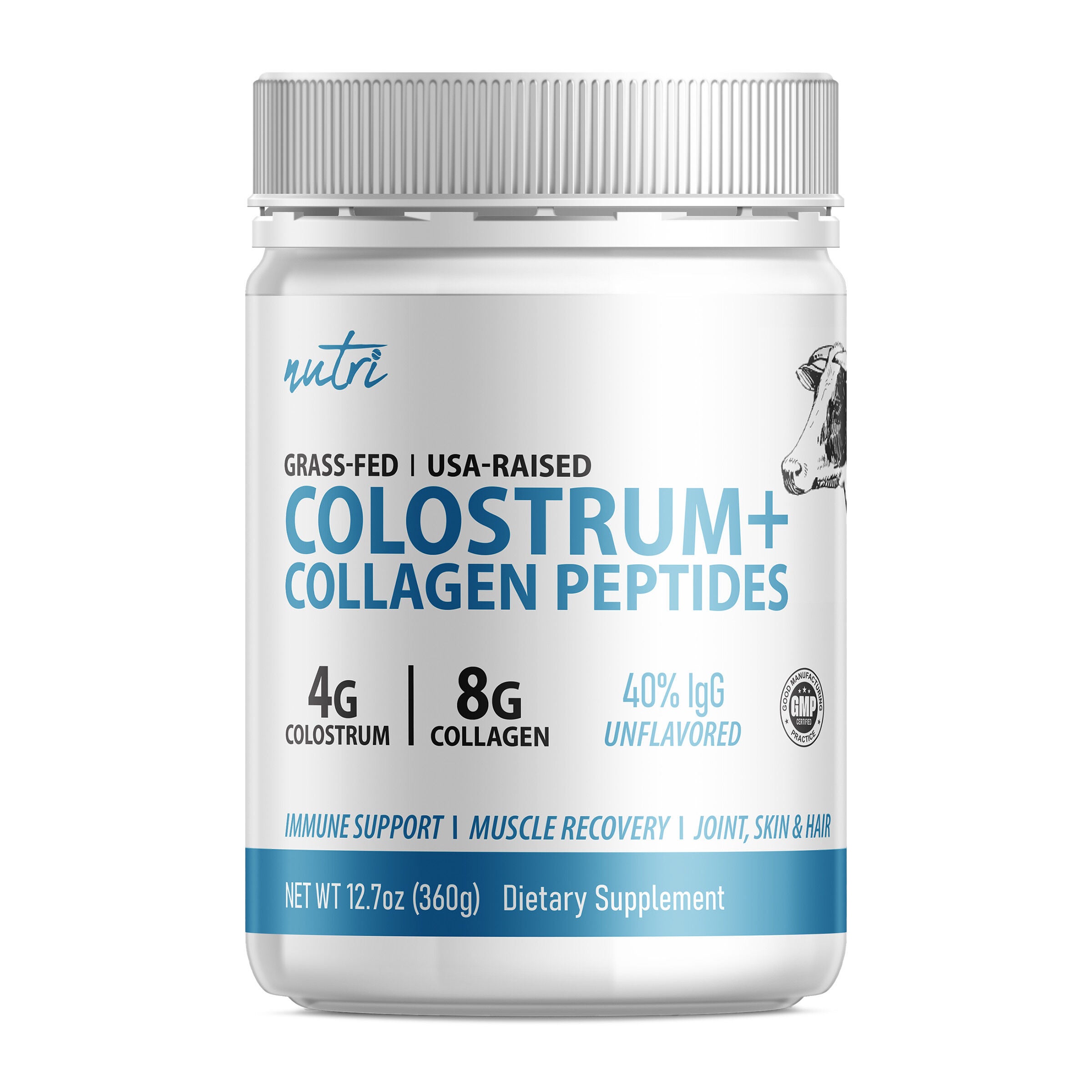
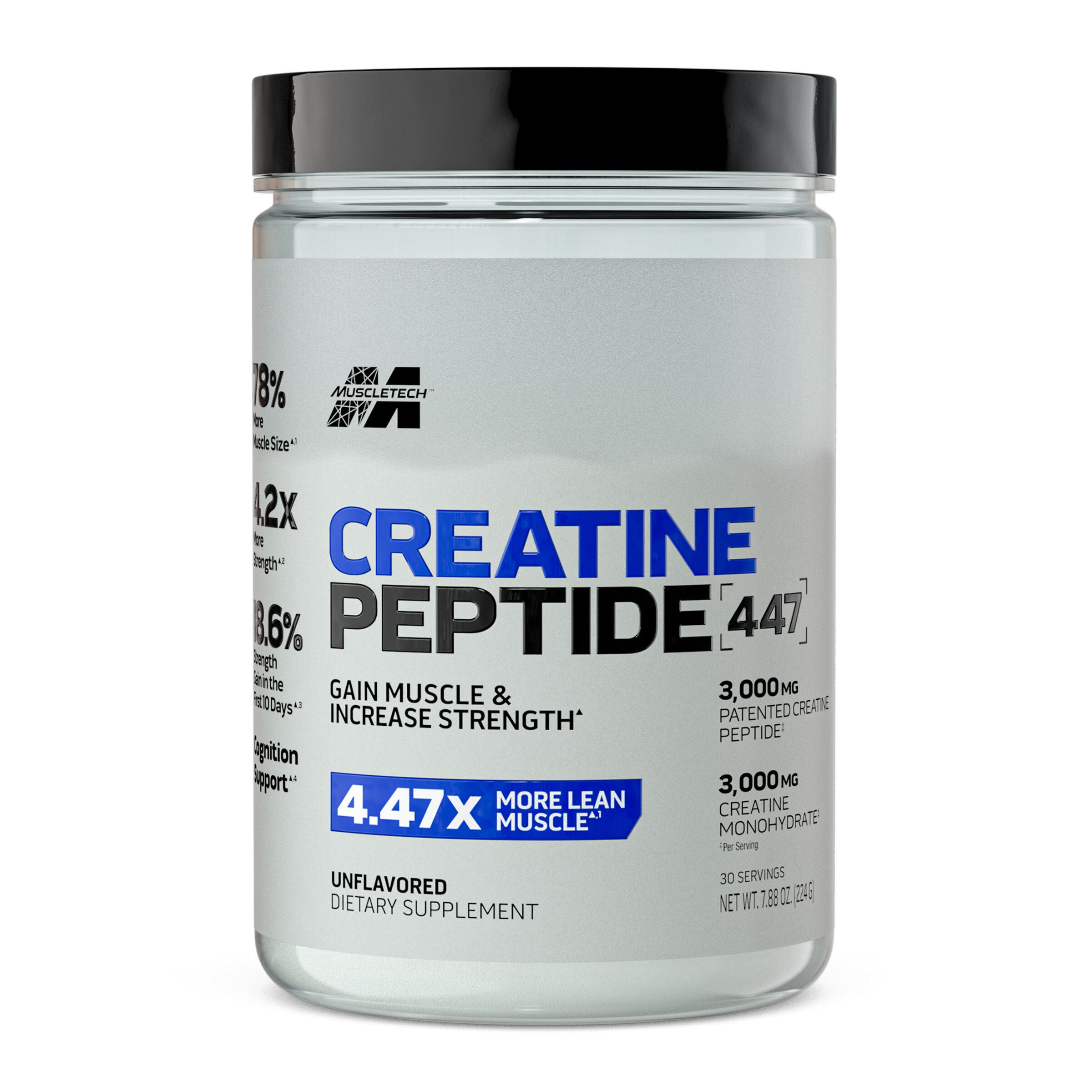

Peptides are short chains of amino acids, and peptide supplements for muscle growth often contain proteins separated into smaller fragments through a process called hydrolysis. In sports nutrition, protein-derived peptides may supply amino acids that support muscle protein synthesis, the process through which the body builds muscle proteins. Alongside resistance training and a varied eating pattern, these supplements may support muscle growth and maintenance. The word peptide describes a structure, however, rather than a particular training result. Protein source, amino acid composition, and the amount of protein in a serving remain meaningful differences between formulas. Whey, other milk proteins, collagen, and certain plant proteins are among the sources used in peptide-containing supplements. These sources are not nutritionally identical: whey and collagen, for example, have different amino acid profiles, so equal grams of each are not interchangeable for every muscle-focused goal. Collagen is particularly rich in certain amino acids, while whey contains all nine amino acids that adults need to obtain through food. A hydrolyzed ingredient has undergone processing that separates longer protein chains into shorter pieces; that description alone does not establish how much protein a serving contains or what someone will experience from using it. For someone who lifts before work, trains between classes, or follows a regular strength program, a protein-derived peptide supplement may offer another way to include protein in the day. Its place is alongside ordinary meals, not instead of a varied diet or consistent training. A breakfast of eggs and toast, a lunch with beans or poultry, and a shake after an evening workout represent different ways protein might fit into a routine. The most useful context for comparing peptide supplements is that broader pattern of food, activity, rest, and personal preferences, rather than the prominence of a single ingredient on the front of a container.
The details on a supplement label tell a more specific story than the category name. Serving size, grams of protein, ingredient order, and the named protein source distinguish a concentrated protein powder from a smaller peptide serving or a formula containing several types of ingredients. A scoop is a measure of powder, not necessarily a measure of protein, and scoop sizes differ between formulas. Comparing the stated serving weight with the protein amount makes those differences easier to understand. Capsule and tablet formats also call for attention to the number required per serving and the quantity of protein-derived ingredients listed; they should not be assumed to match the protein content of a powdered drink. For shoppers comparing hydrolyzed protein with other protein formats, the source and amino acid profile deserve as much attention as the processing description. Ingredient lists also identify sweeteners, flavorings, thickeners, and added nutrients that shape the formula. Milk, soy, fish, and other source ingredients are important considerations for personal dietary preferences and allergen awareness, including when a supplement is intended for someone else. Flavor and texture are practical considerations for repeated use. A lightly flavored powder may suit someone who prefers a simple drink, while cocoa or vanilla profiles may fit a routine built around smoothies. Hydrolyzed proteins sometimes have a noticeable bitter note, and the finished flavor depends on the source protein and the rest of the formula. Texture varies as well: some powders make a thinner drink, while others produce a creamier mixture. Mixing directions, suggested liquid amounts, and serving instructions give useful context for those differences. Someone who enjoys a substantial shake after lifting may prefer a different consistency from someone carrying a small shaker to an early workout. Neither preference changes the importance of reading the nutrition information. The label remains the clearest reference for understanding what is in a serving, how it is intended to be prepared, and whether its ingredients match the shopper’s preferences.
Everyday fit matters when choosing a supplement intended for regular use. A large container belongs in a different routine from individually portioned packets, and a powder that requires measuring has different handling needs from capsules. For a person who trains at a neighborhood gym before commuting, the practical details include room in a gym bag, a secure container, access to water, and a shaker that is easy to wash. For someone who exercises at home, a clearly labeled container beside other pantry staples may be a more natural arrangement. Preparation and storage should follow the package directions, including instructions about moisture, heat, refrigeration, and use after opening. Dry scoops, firmly closed lids, and clean mixing containers are sensible parts of powder handling. Package condition and the printed date also deserve attention, especially for a container that will be opened repeatedly. Prepared drinks may have different storage requirements from dry powder, so the directions for one should not be assumed to apply to the other. Beyond handling, the choice often comes down to how a formula fits the rest of the day. A flavored shake may suit a familiar post-workout pause, while an unflavored powder may fit recipes when its label includes that use. Shoppers comparing the wider category can also explore Protein Growth Supplements for context on other protein-focused formats and ingredient combinations. Peptide supplements may appeal to adults who already follow a resistance-training routine and want another dietary protein option, including recreational lifters and people returning to a consistent gym schedule. As a gift, a nutrition supplement calls for more familiarity with the recipient’s preferences than ordinary workout accessories: preferred protein sources, flavors, dietary restrictions, and serving formats all matter. Whether chosen for personal use or for someone with an established routine, the meaningful distinctions are concrete ones—what the formula contains, how much is in a serving, how it is prepared, and where it belongs alongside meals and training.
Best Sellers
-
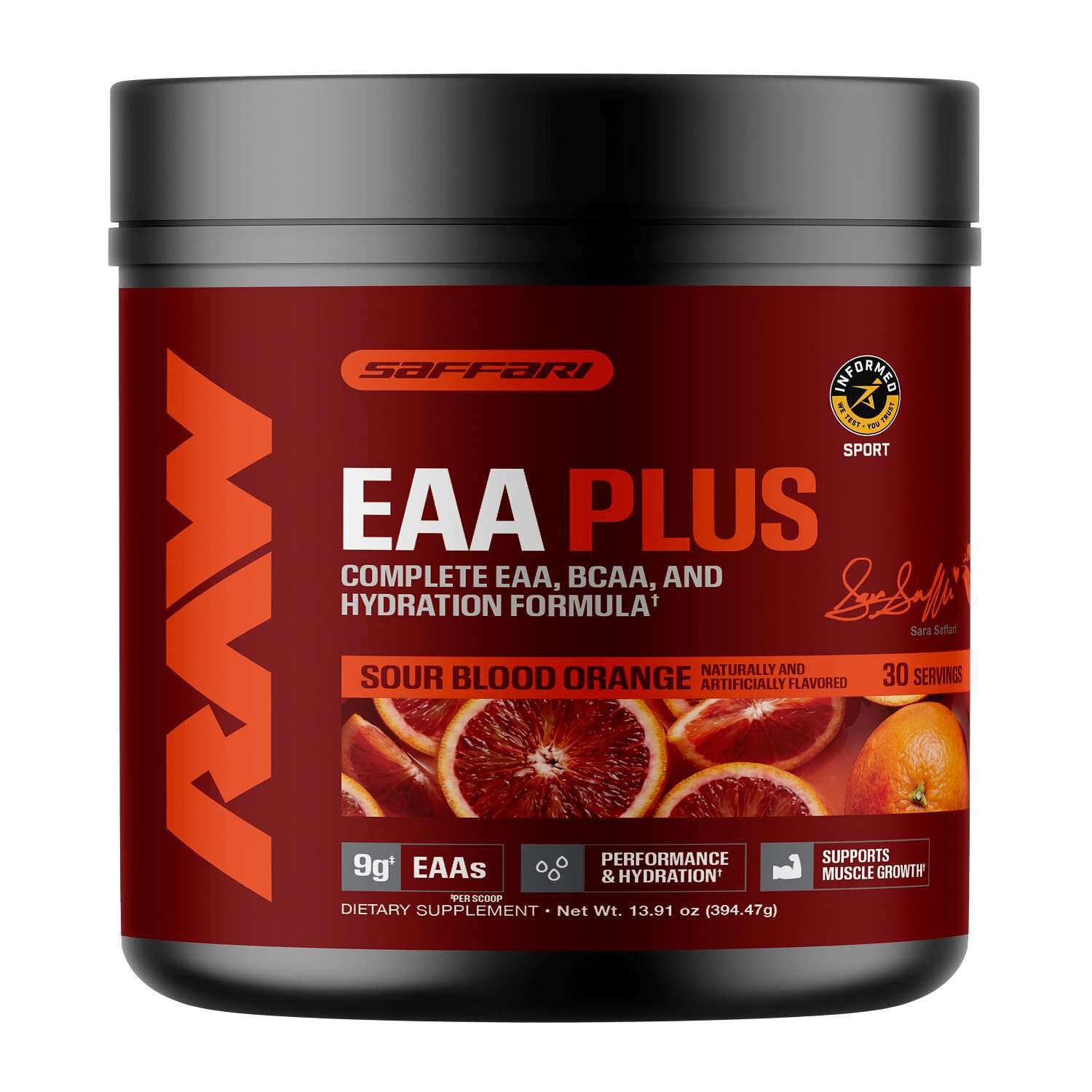 Raw Nutrition
-
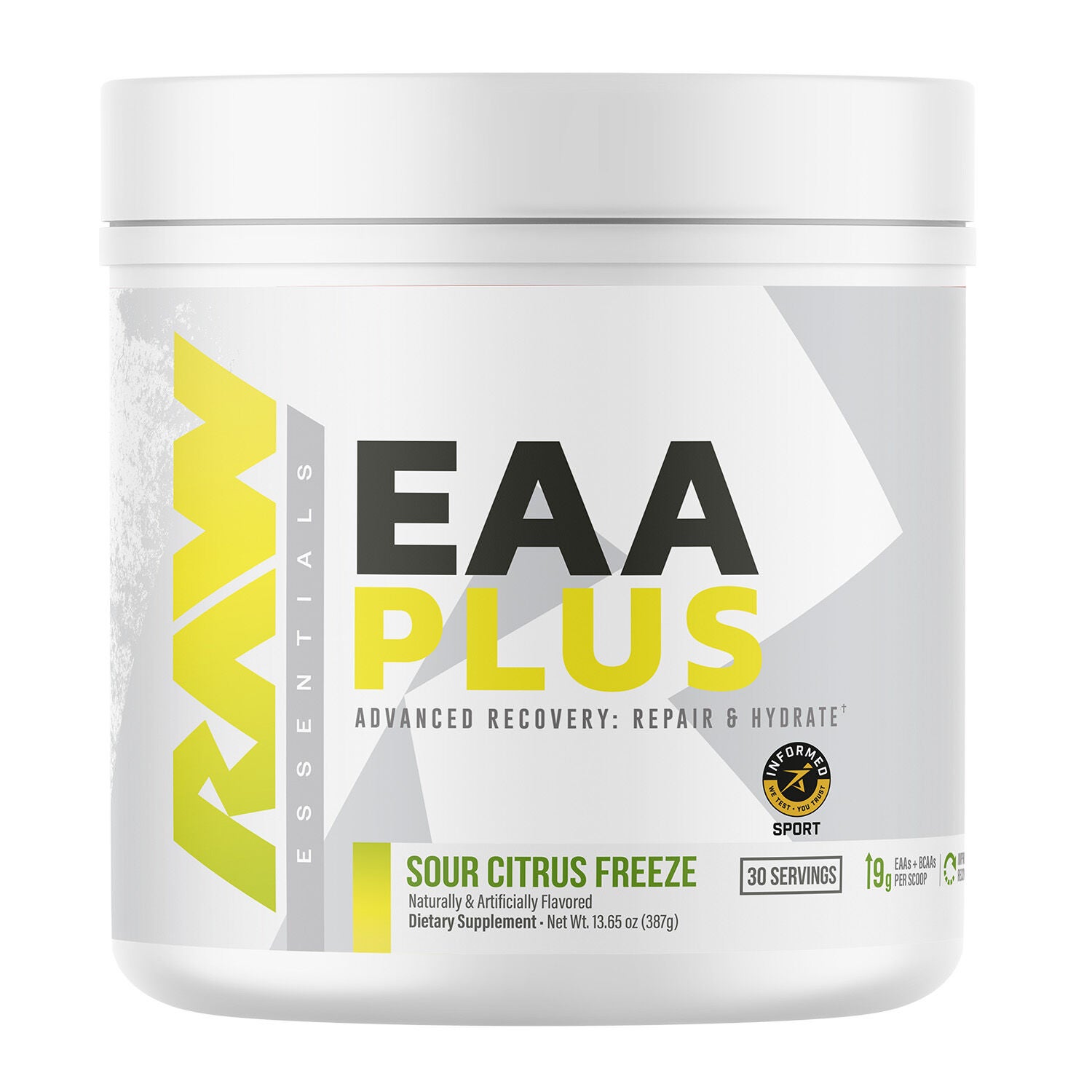 Raw Nutrition
-
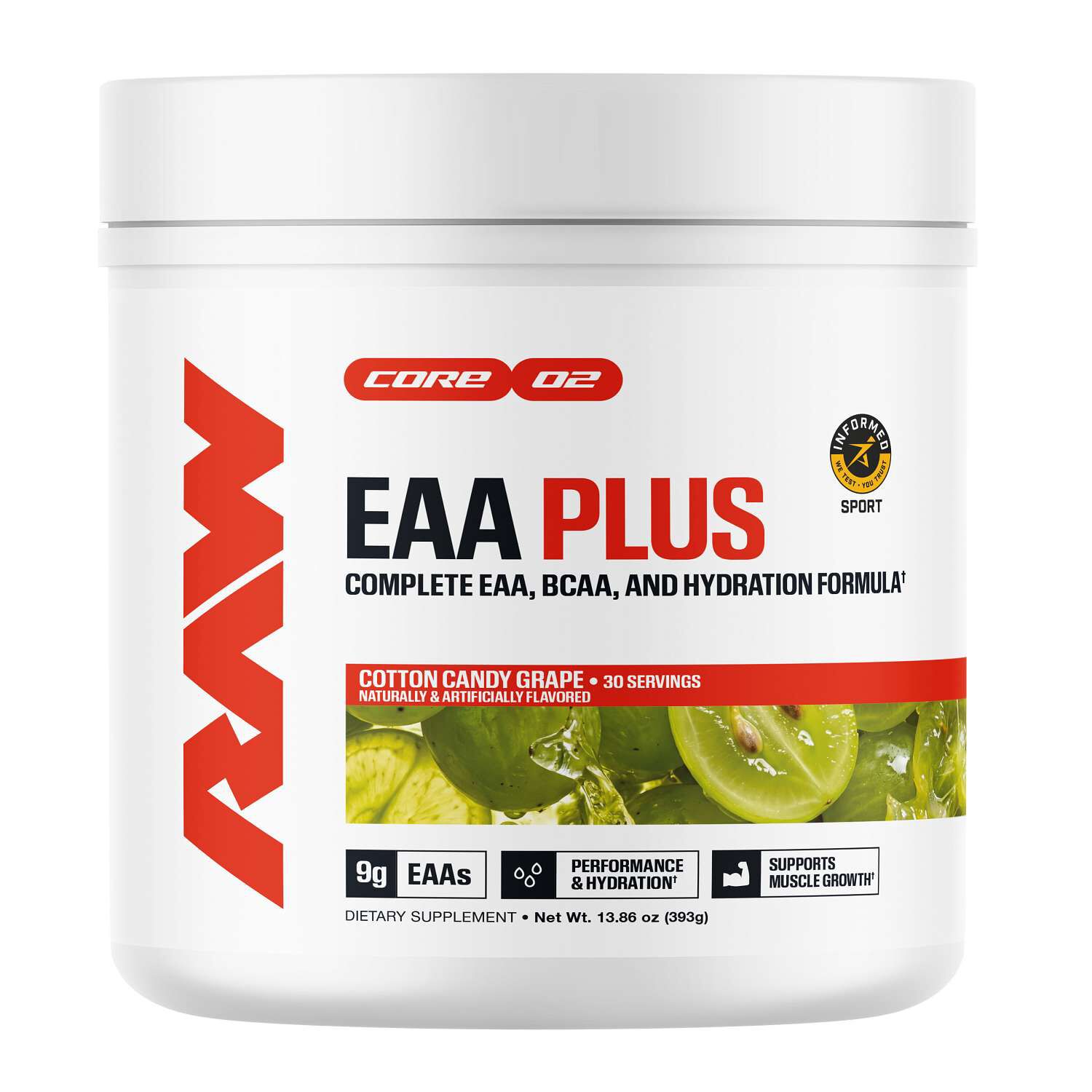 Raw Nutrition
Related Pages


Top Collections
- GLP 1 Support For Adults
- Supplements For Yoga Joint Flexibility
- Joint Mobility Supplement Packs
- Supplements For Balance
- Zinc Supplements For Men
- Chronic Fatigue Supplements
- Capsule Supplements For Energy And Stamina
- Zinc Supplements | Top Brands at Great Prices | GNC
- Supplements For Anxiety Relief Support
- Adult Mobility Supplements