Protein Growth Supplements
(0 Results)
Protein growth supplements could be a key addition to your nutrition routine, especially for those looking to support their fitness journey. With a variety of options available, protein growth supplements may help you meet your daily protein goals and fit seamlessly into your lifestyle. Explore different forms and formulas that might align with your unique needs and preferences. Whether you’re focused on training or simply aiming to enhance your daily nutrition, protein growth supplements could offer the support you’re seeking.

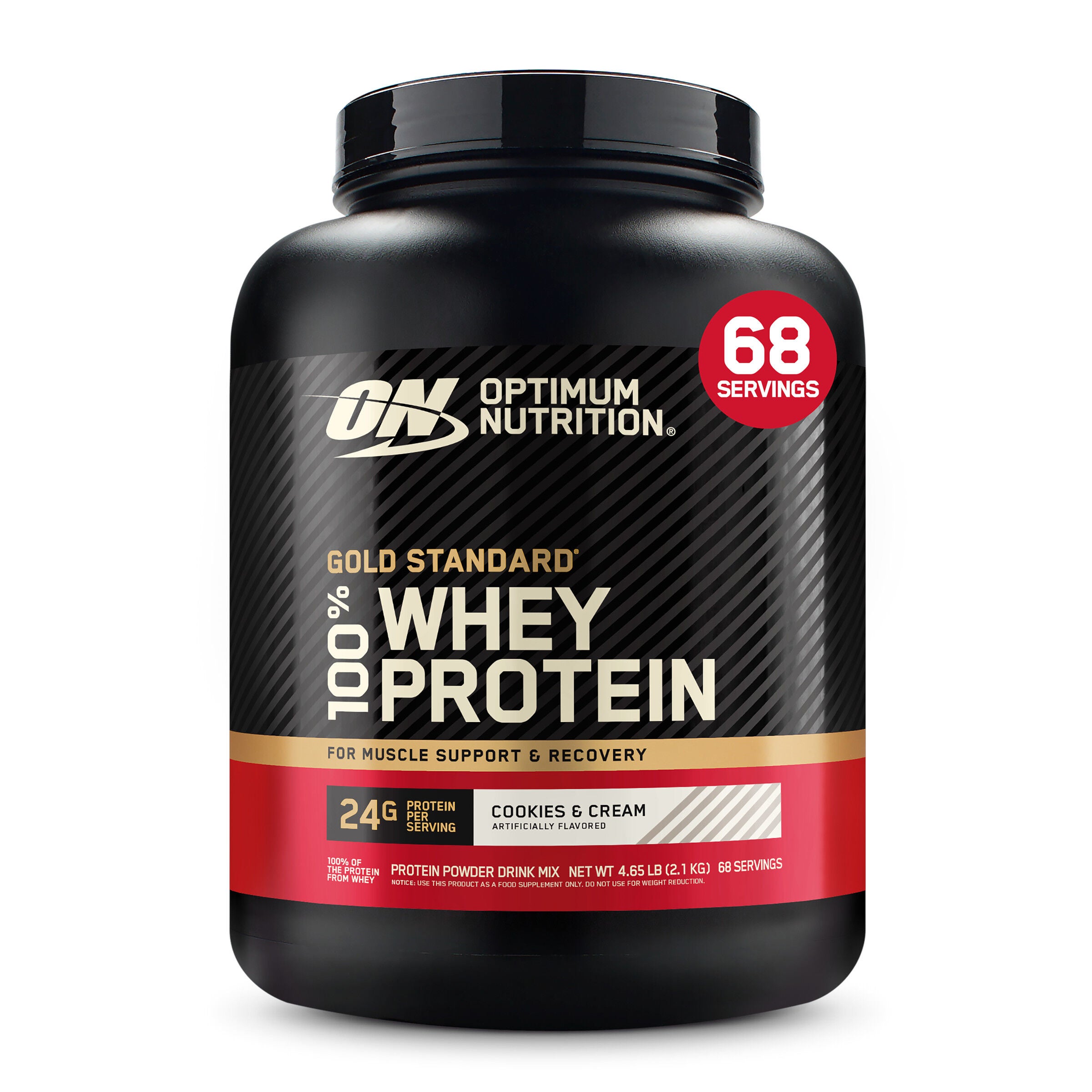

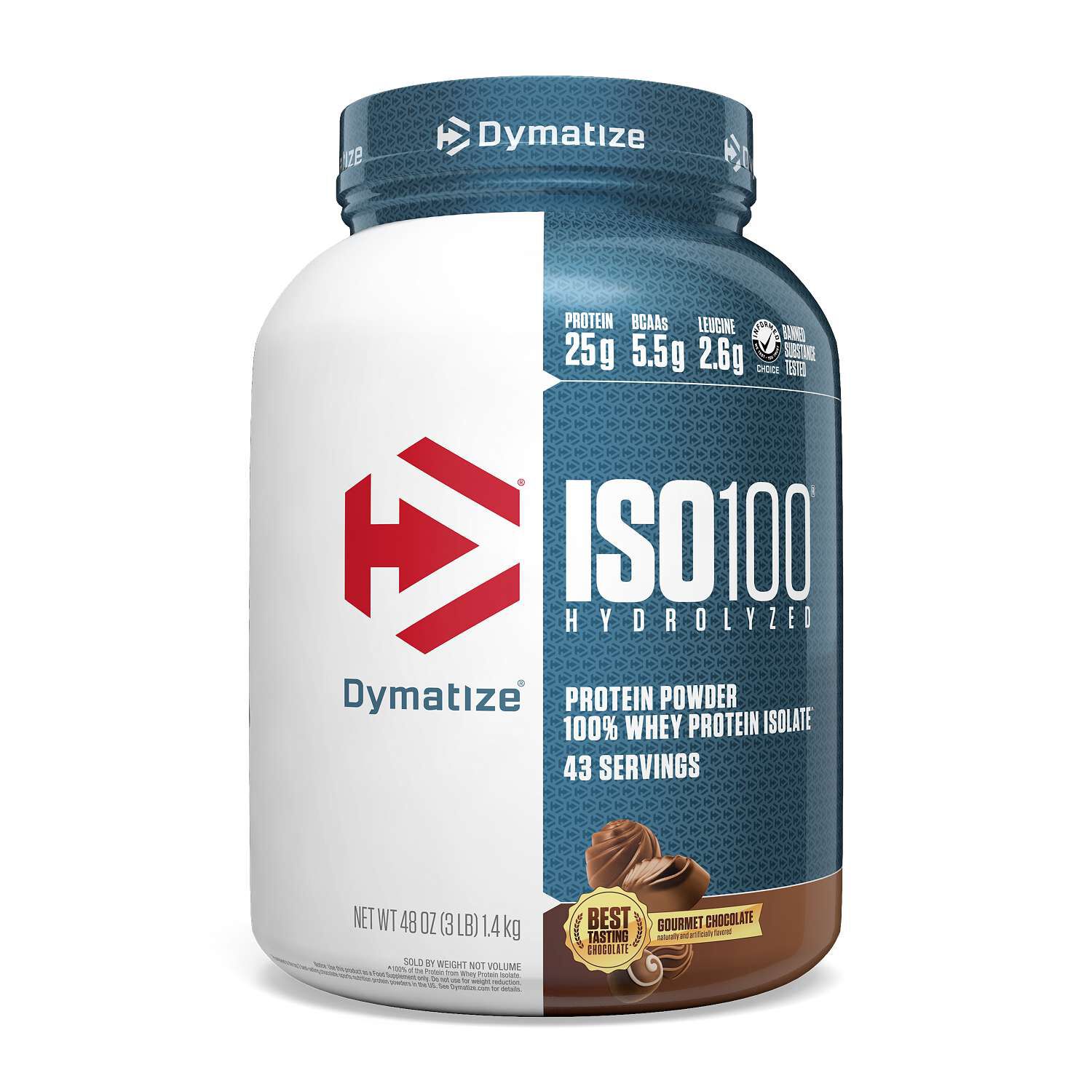
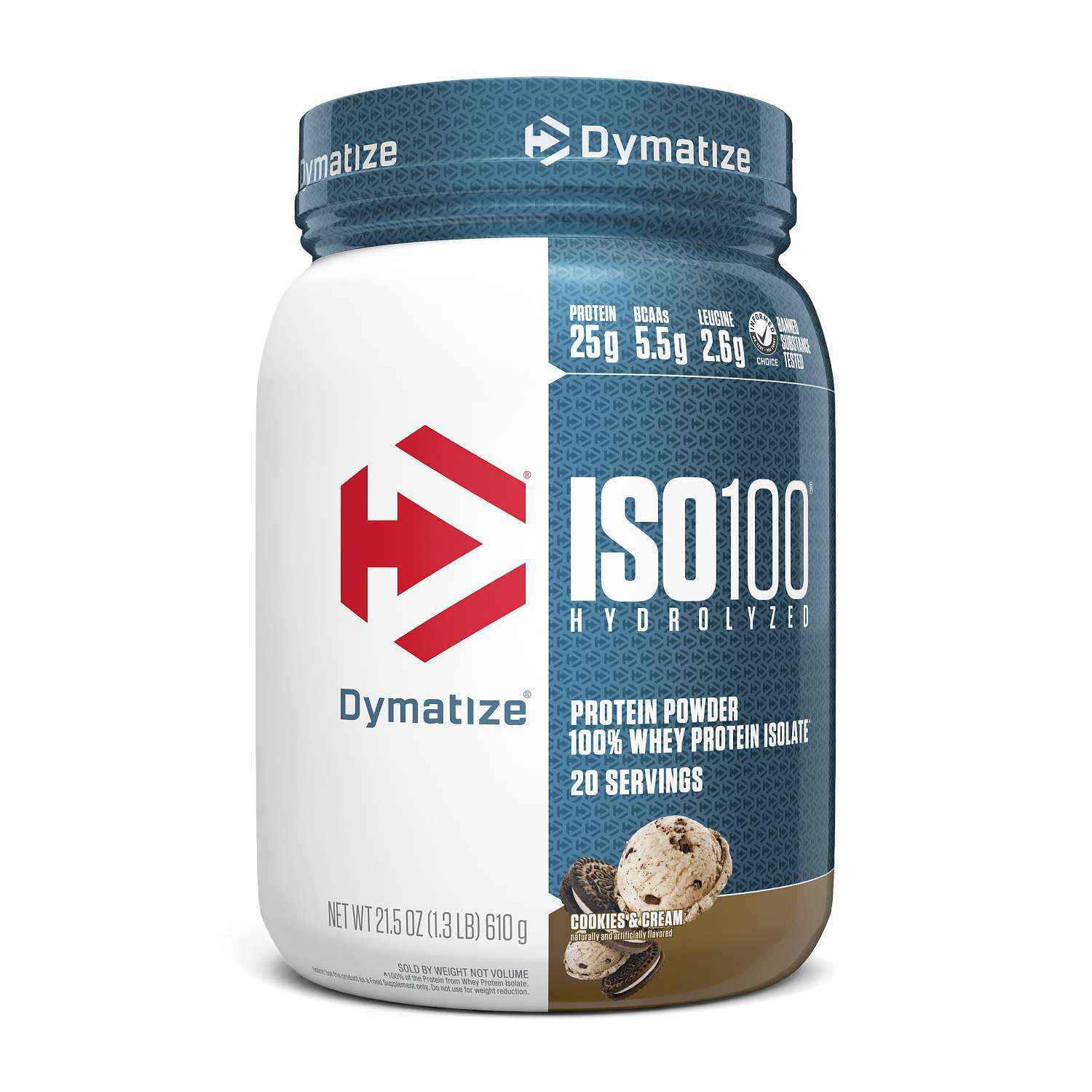


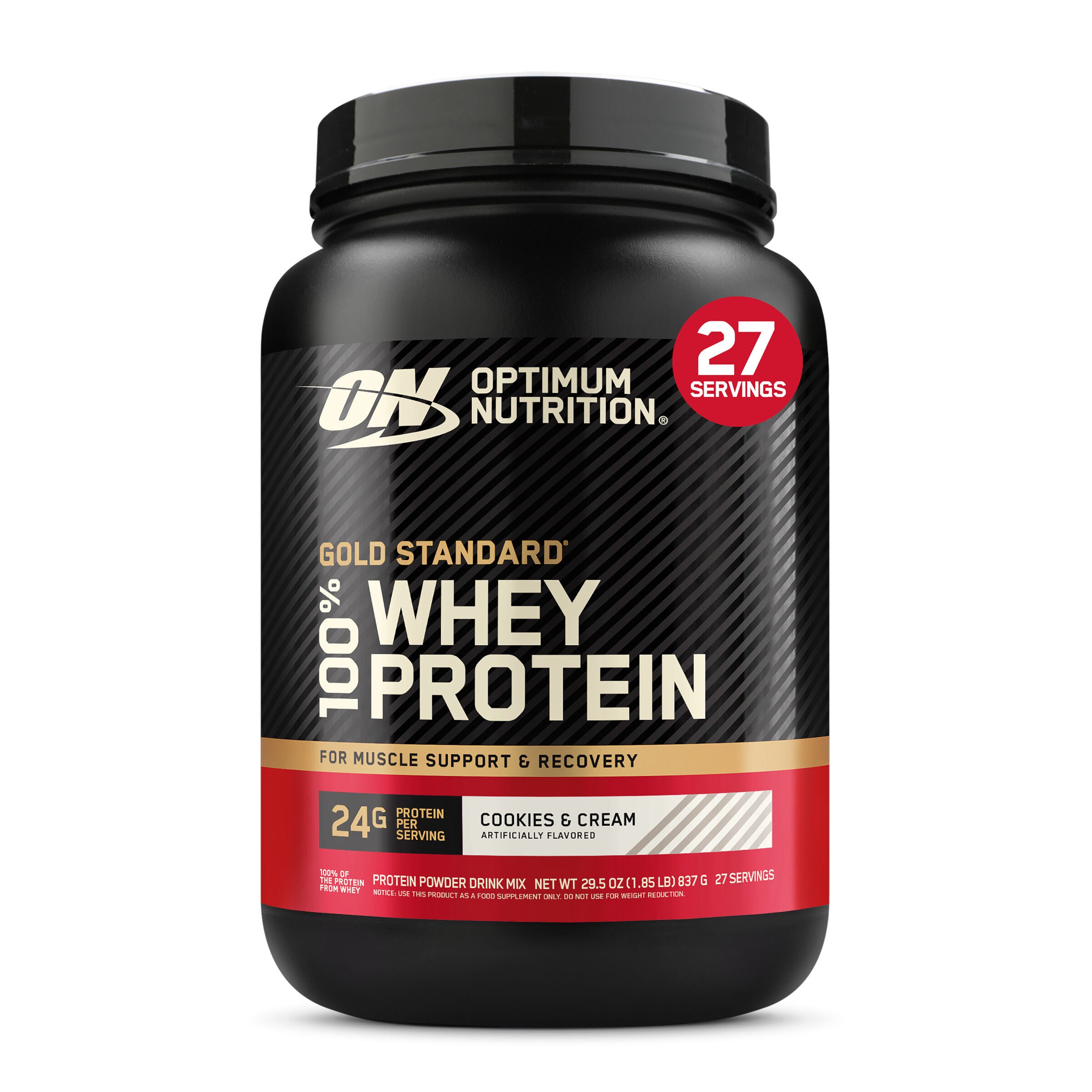


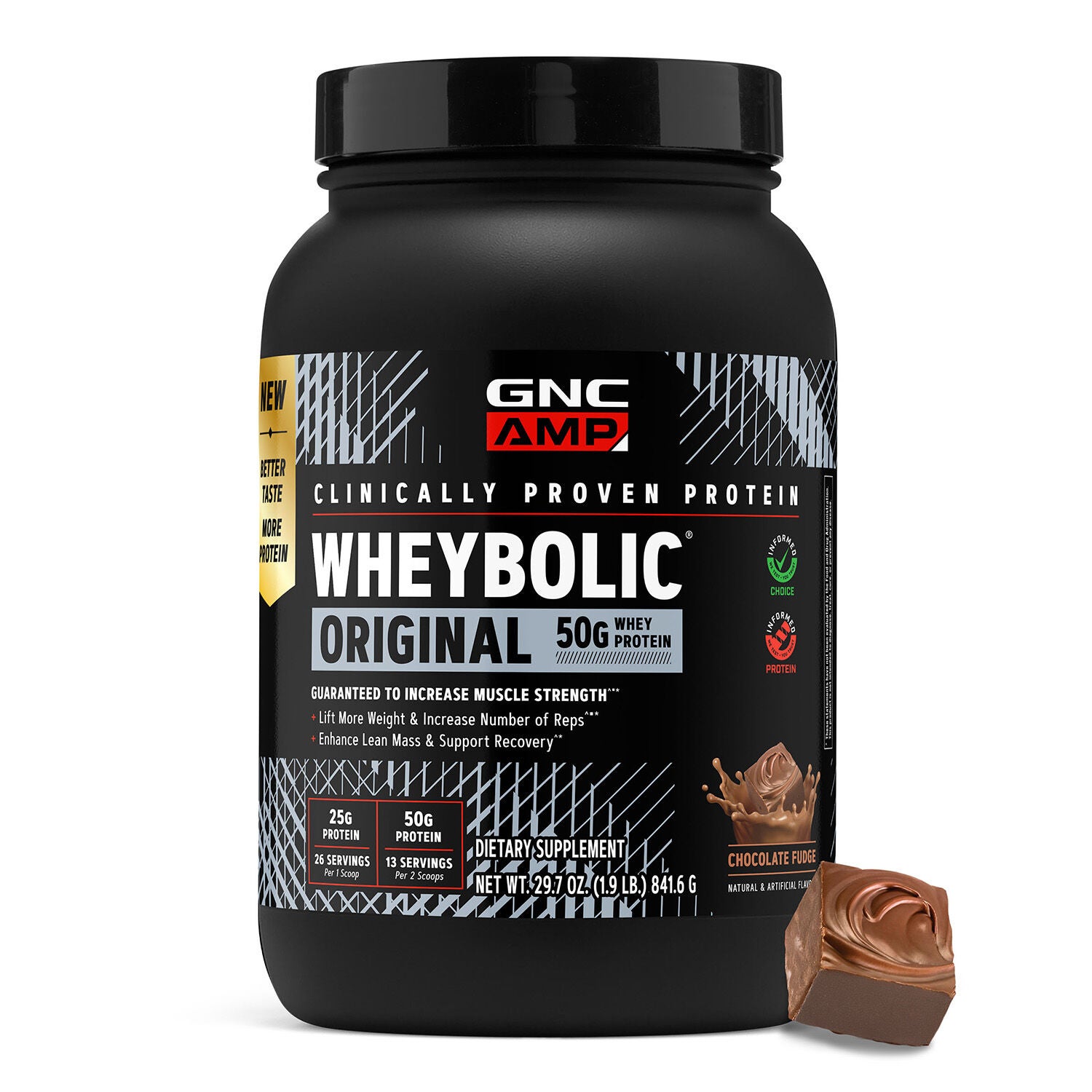
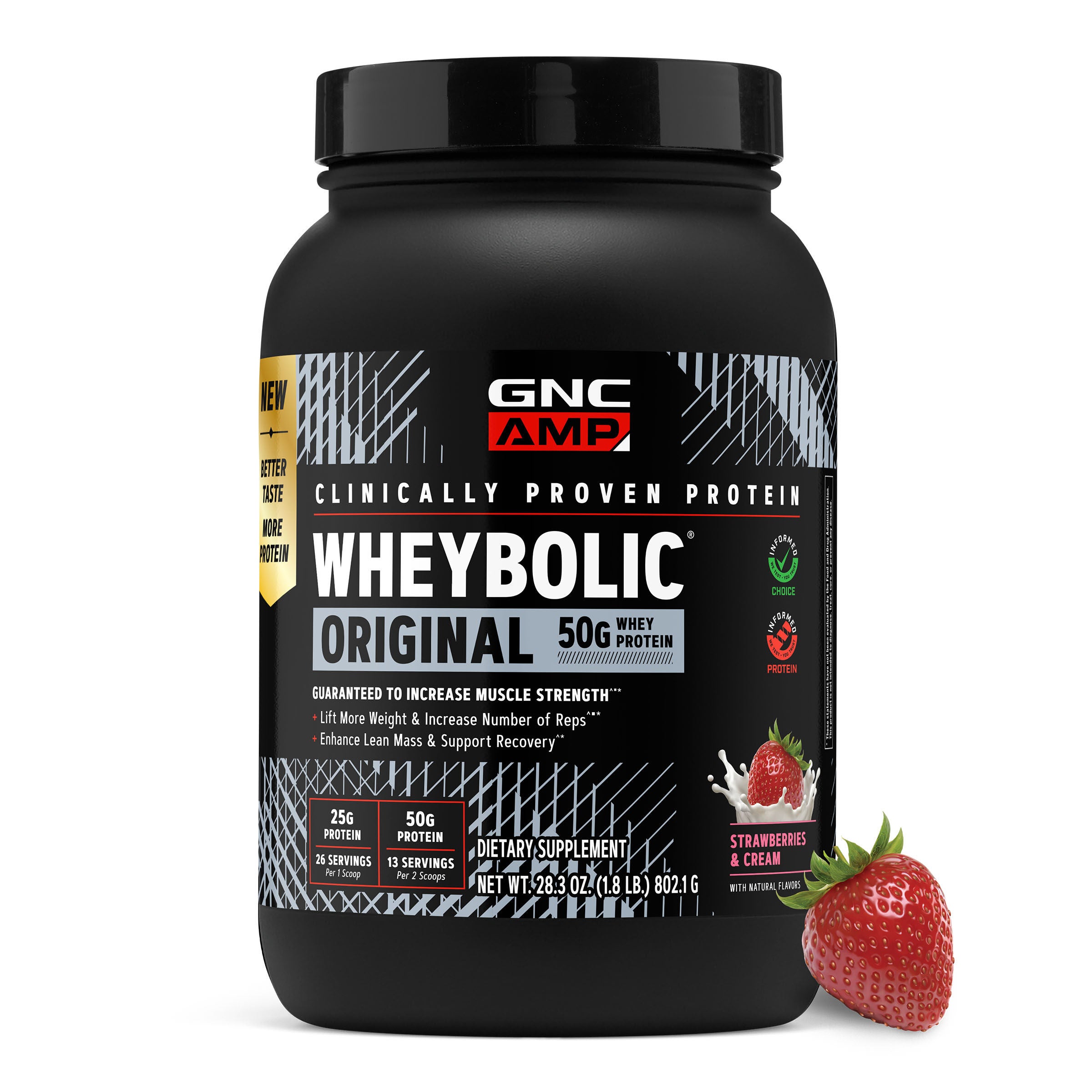

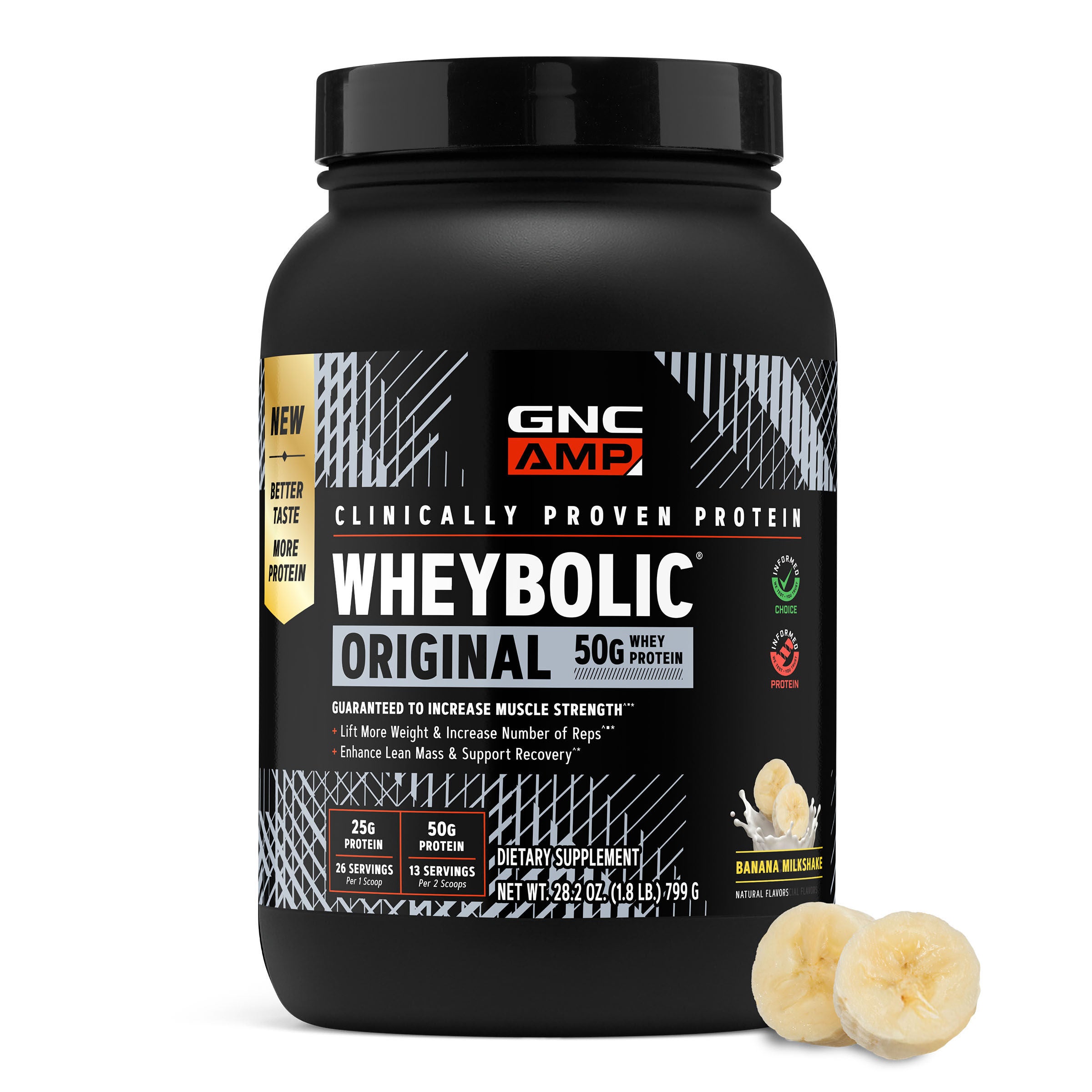


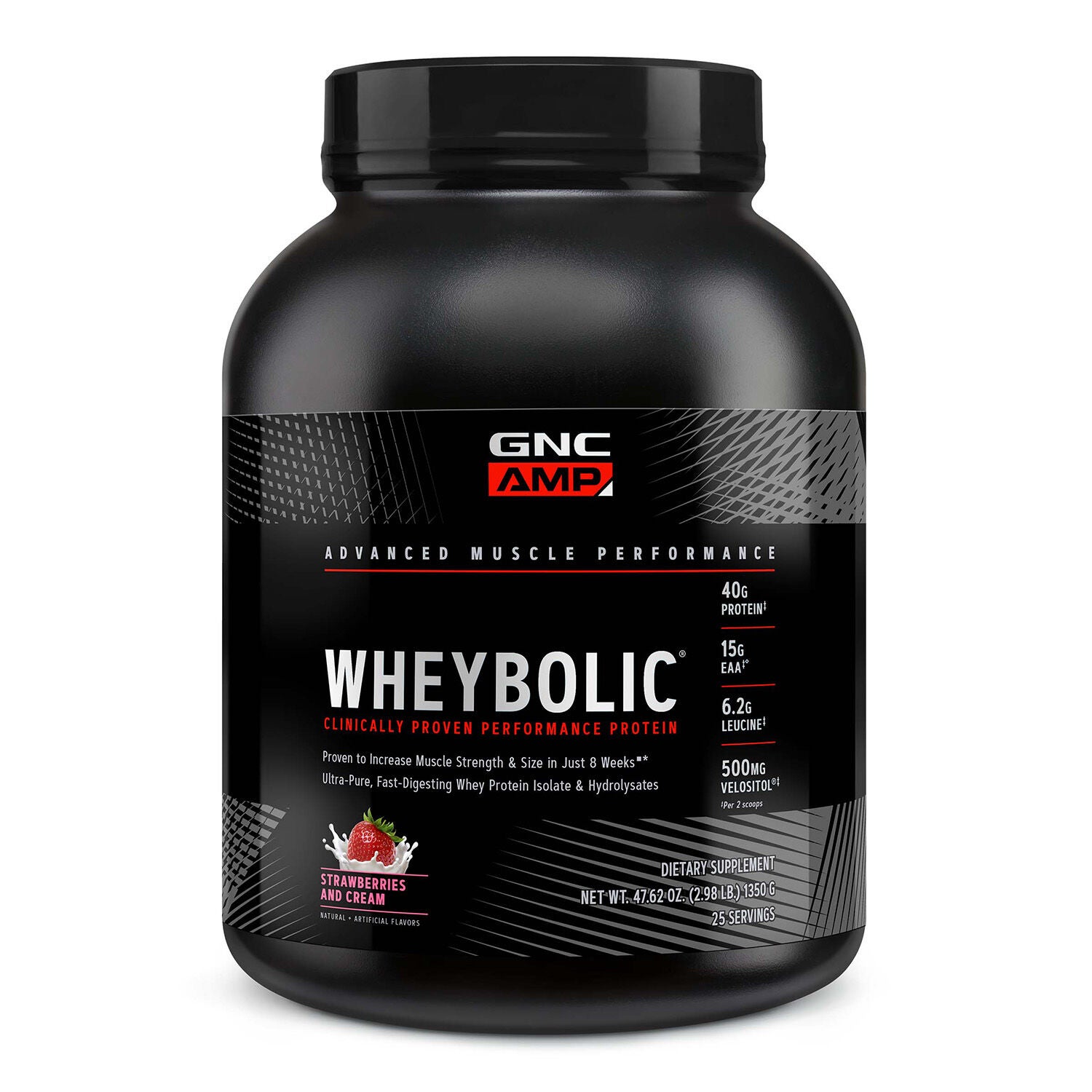


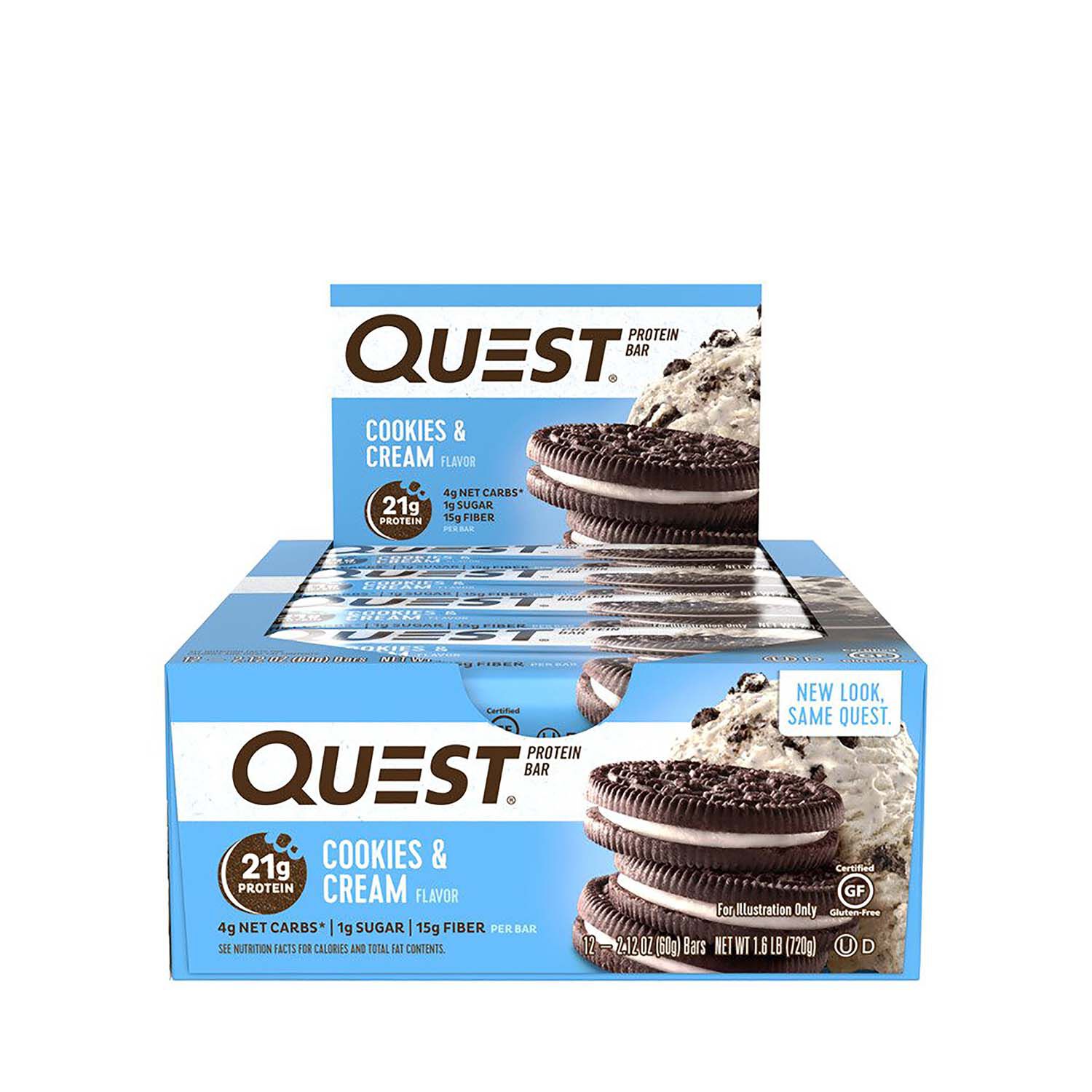
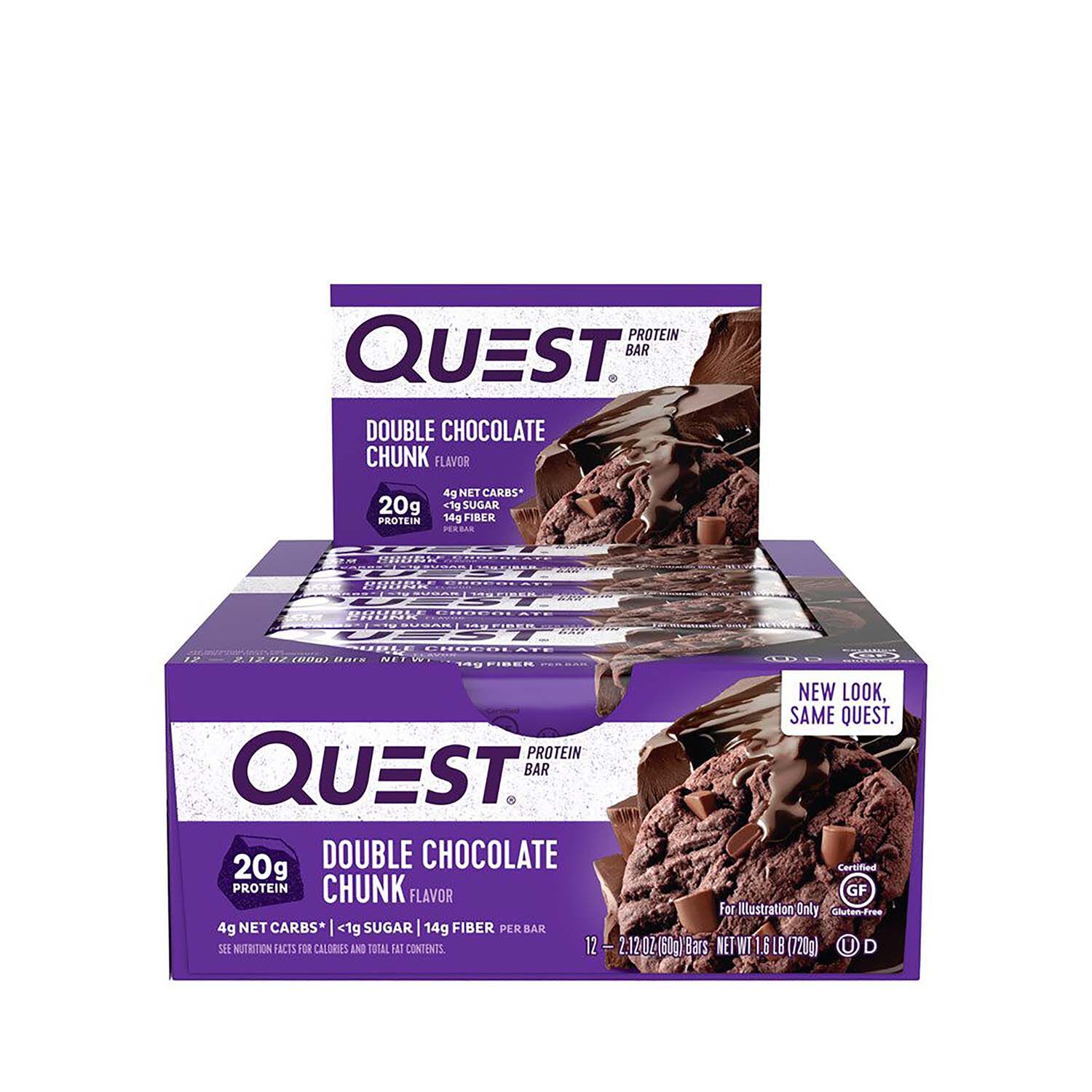
Protein growth supplements can fit into routines built around resistance training, active lifestyles, and practical nutrition goals. These products generally provide concentrated protein or individual amino acids in formats that can be mixed into shakes, stirred into oats, blended with fruit, or added to a convenient snack. Protein itself supplies amino acids used by the body in many everyday processes, and an adequate intake may support muscle recovery and muscle-building progress when paired with consistent resistance training, sufficient food, and restful sleep. Many shoppers look for a convenient way to add protein after a workout, between meals, or during a busy day when preparing chicken, fish, eggs, beans, or other whole-food sources is not realistic. A typical powder serving may provide about 20 to 30 grams of protein, though serving sizes vary by formula. Rather than relying on one shake to carry the whole day, active adults often spread protein across meals and snacks. A general range sometimes used for people who train regularly is about 1.2 to 1.6 grams of protein per kilogram of body weight from food and supplements combined, with individual needs varying according to body size, activity, age, and personal goals. Anyone managing a health condition, following a specialized eating plan, or taking prescribed medicines may wish to speak with a qualified healthcare professional before changing their supplement routine.
The protein source can shape the texture, flavor, digestion experience, and best use for each product. Whey protein is a dairy-based option that mixes easily and is often chosen after training or whenever a quick shake suits the schedule. Casein is another dairy protein, valued by many shoppers for its slower digestion and thicker texture, which can make it a fitting choice for an evening snack or a shake prepared ahead of time. Plant-based blends may combine pea, rice, or other plant proteins to provide a broader amino acid profile for people who avoid dairy or prefer plant-focused nutrition. Ingredient labels deserve a close look: shoppers may compare protein per serving, total calories, added sugars, flavoring, sweeteners, and any ingredients they prefer to limit. Those with food sensitivities may also want to review allergen statements and check whether a product is made in a facility that handles common allergens. Mixability matters in daily life, too. A smooth powder can work well in a shaker bottle at the gym, while a richer formula may suit a blender with frozen berries and oats. For shoppers exploring more specialized formulas, Advanced Protein Supplements may offer additional choices for different training styles and nutrition preferences. Creatine monohydrate is another ingredient often found alongside protein products; it may support repeated high-intensity exercise and heavier training efforts when used as part of a consistent workout plan. BCAAs, or branched-chain amino acids, may appeal to people seeking a targeted amino acid option around longer training sessions, although the value of adding them can depend on how much protein already comes from meals and shakes.
These products may suit a wide range of people, from someone returning to a familiar lifting routine during the cooler months to a longtime gym member preparing meals and training before the day begins. A tub of protein powder, a set of ready-to-mix servings, or a shaker bottle paired with a favorite flavor could also make a thoughtful gift for a college student, recreational athlete, hiking partner, or friend who enjoys keeping simple nutrition options close at hand. Gift shoppers may want to consider taste preferences, preferred protein sources, serving format, and whether the recipient enjoys smoothies, baked snacks, or straightforward shakes. New users often find it helpful to begin with the serving guidance on the label, mix the powder with water or milk of choice, and adjust the liquid amount to reach a preferred texture. A half serving may work well in a smaller snack, while a full serving could fit more naturally into a post-workout shake or meal accompaniment, depending on the rest of the day’s food. Protein supplements are not a substitute for varied meals, and they may work best as one convenient part of a routine that includes whole foods, hydration, training, and sleep. During busy mornings, a shake can travel from the kitchen to the car in a chilled bottle; after an evening workout, the same format may provide an easy option before dinner. Comparing protein source, serving size, flavor, ingredients, and intended use can help each shopper choose a product that feels practical, enjoyable, and easy to use consistently.