Growth Support Powders
(0 Results)
Explore the potential benefits of growth support powders, designed to complement an active lifestyle and nutritional regimen. These versatile supplements may provide a convenient way to support your body's needs, potentially aiding in muscle development and overall wellness. Whether you're looking to optimize your fitness routine or support natural growth processes, these powders might offer a valuable addition to your daily nutrition plan. Discover a range of options that could align with your health goals and preferences, helping you unlock new possibilities on your wellness journey.
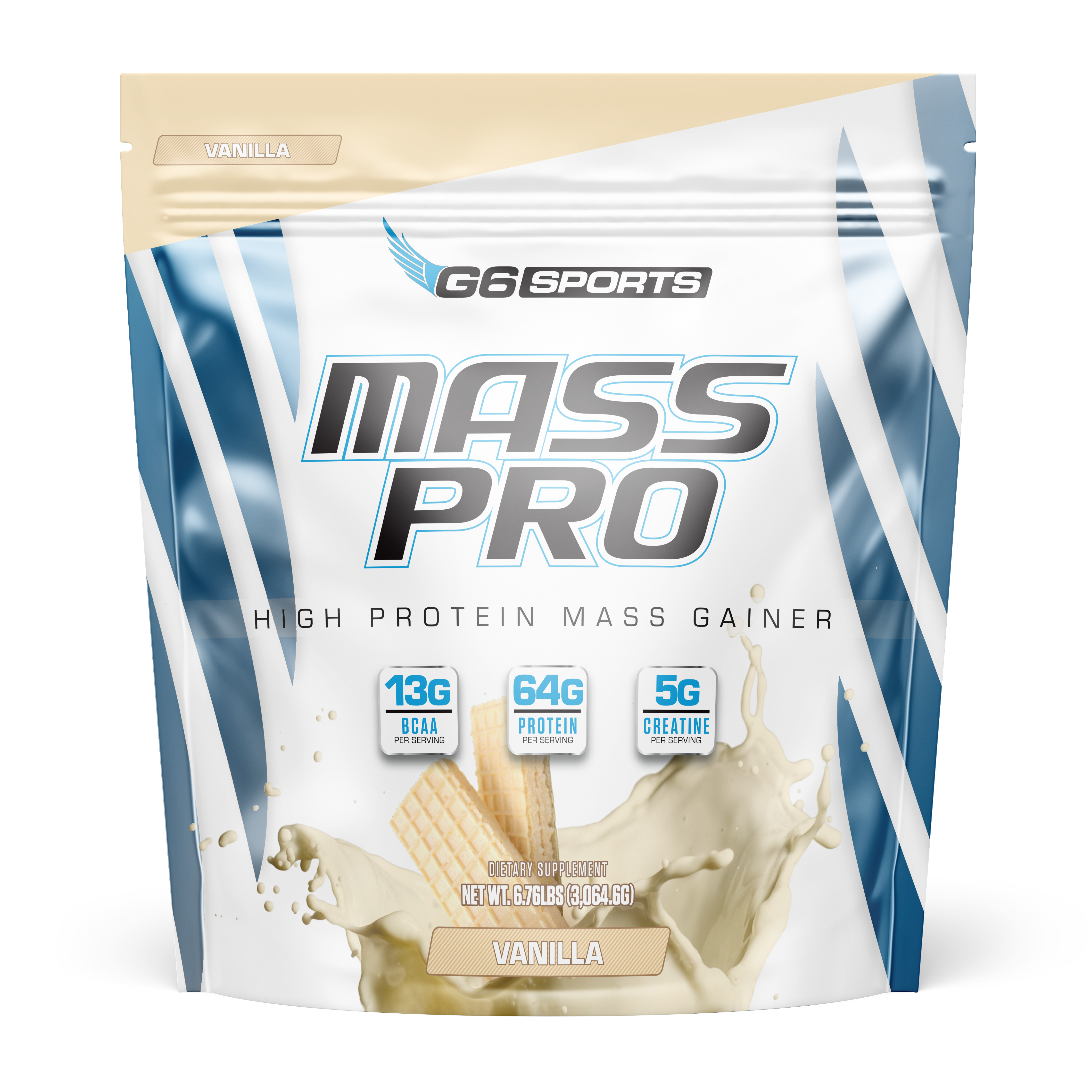
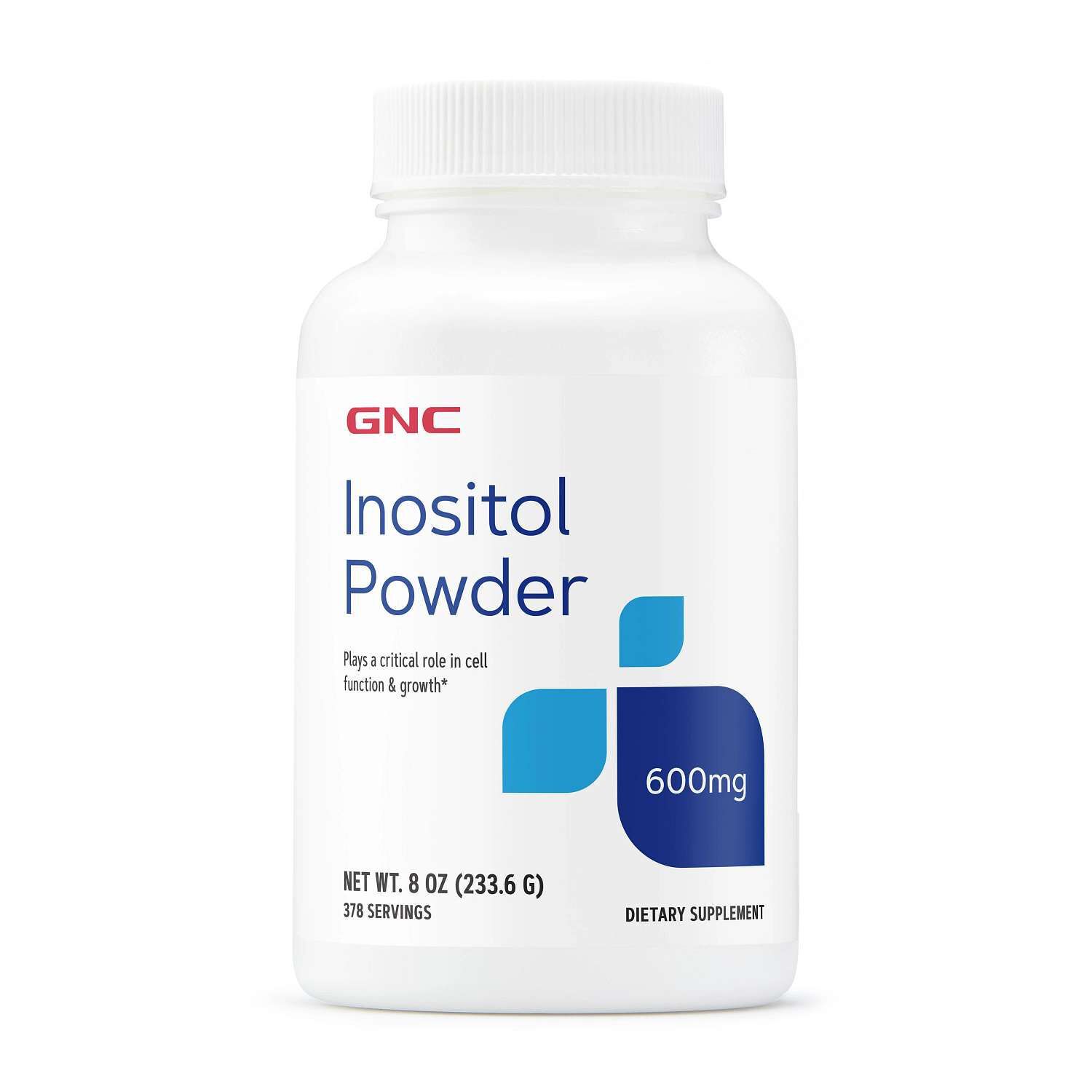


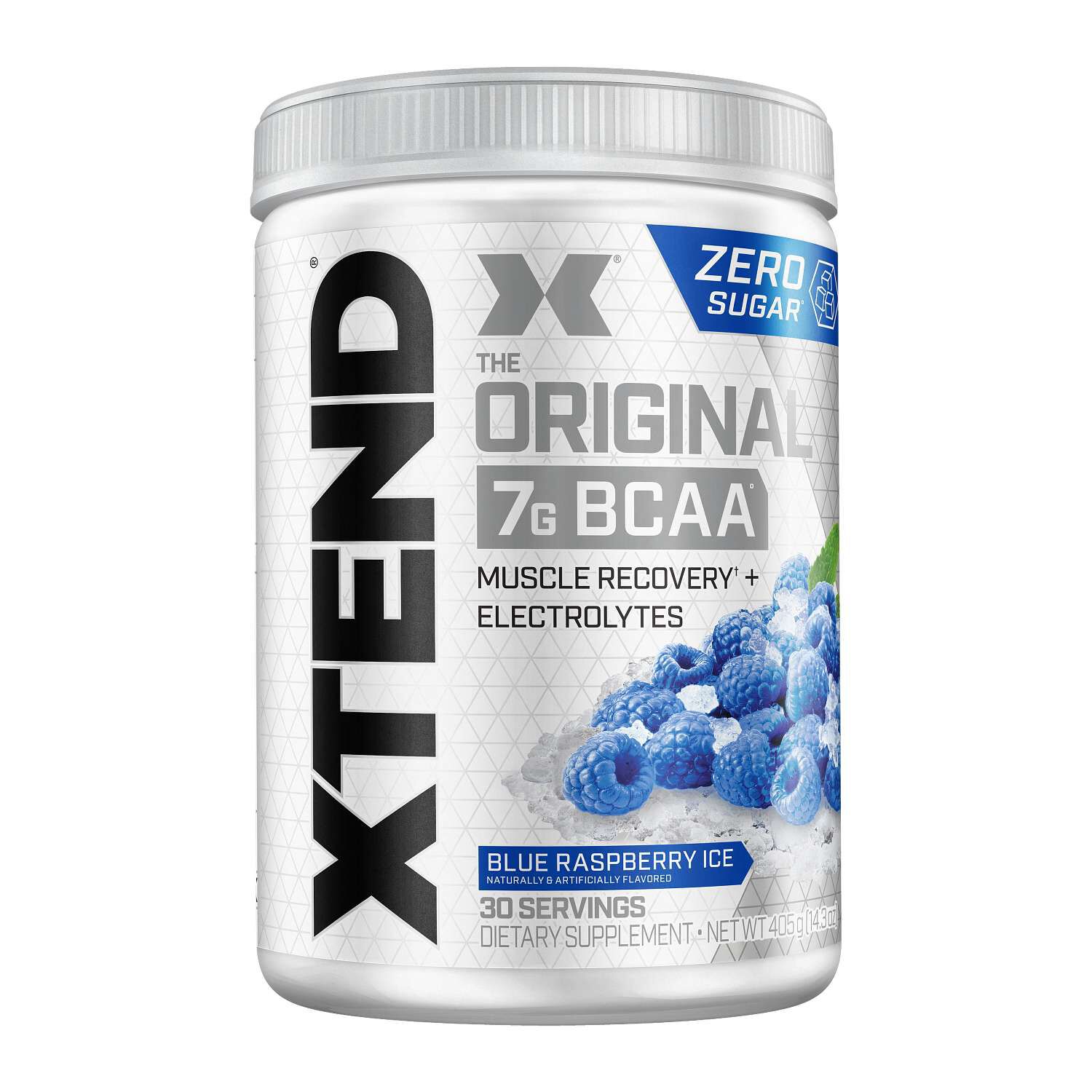

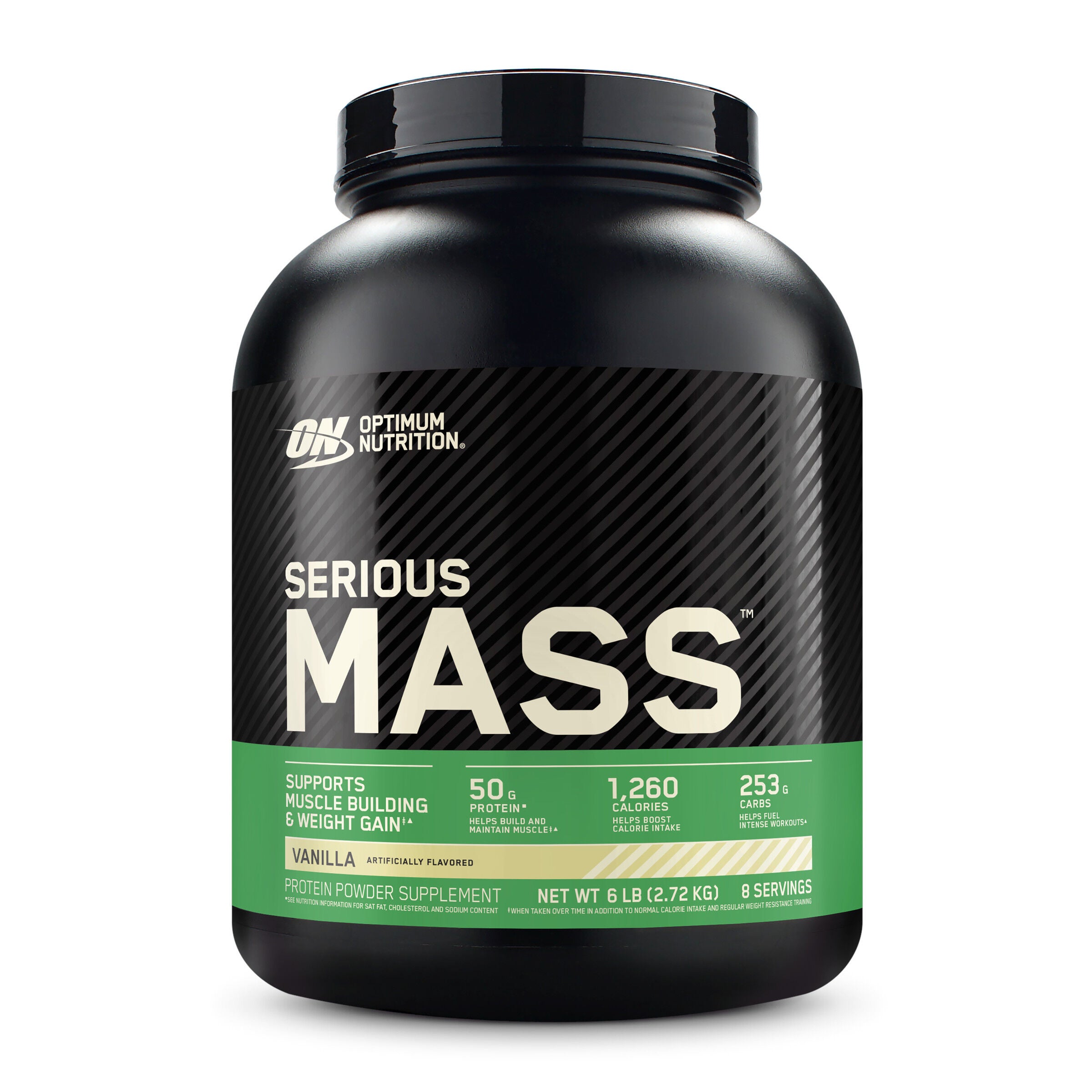

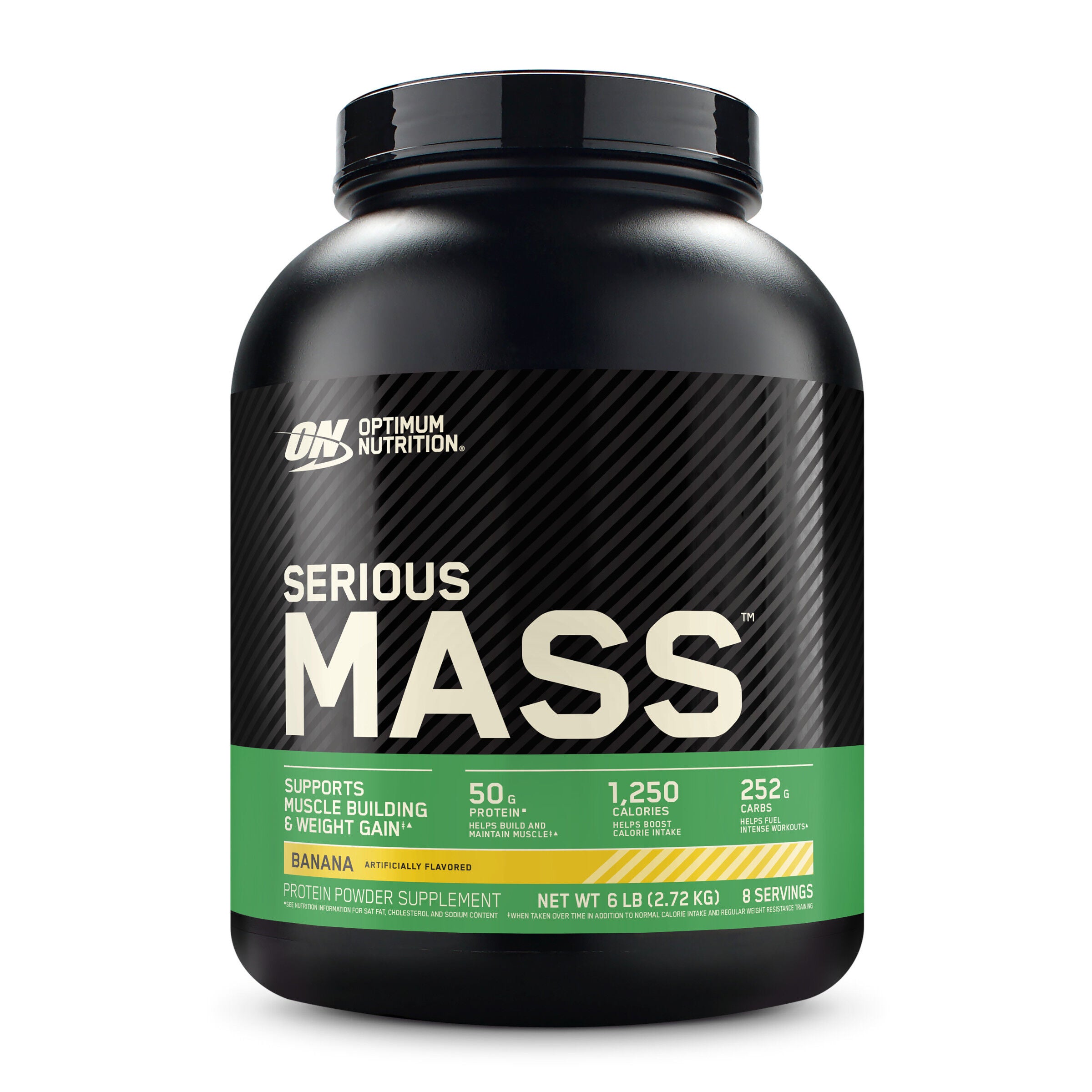
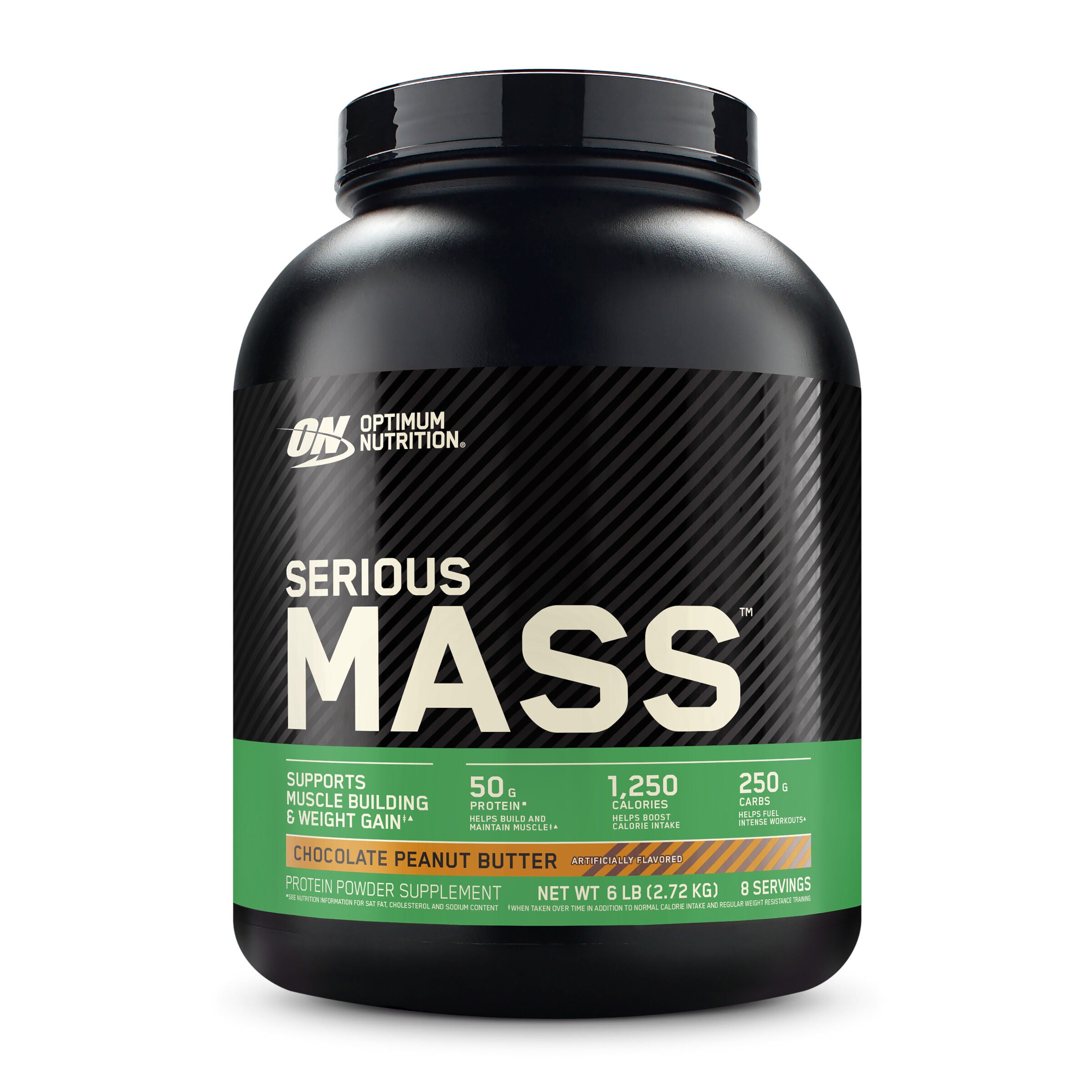
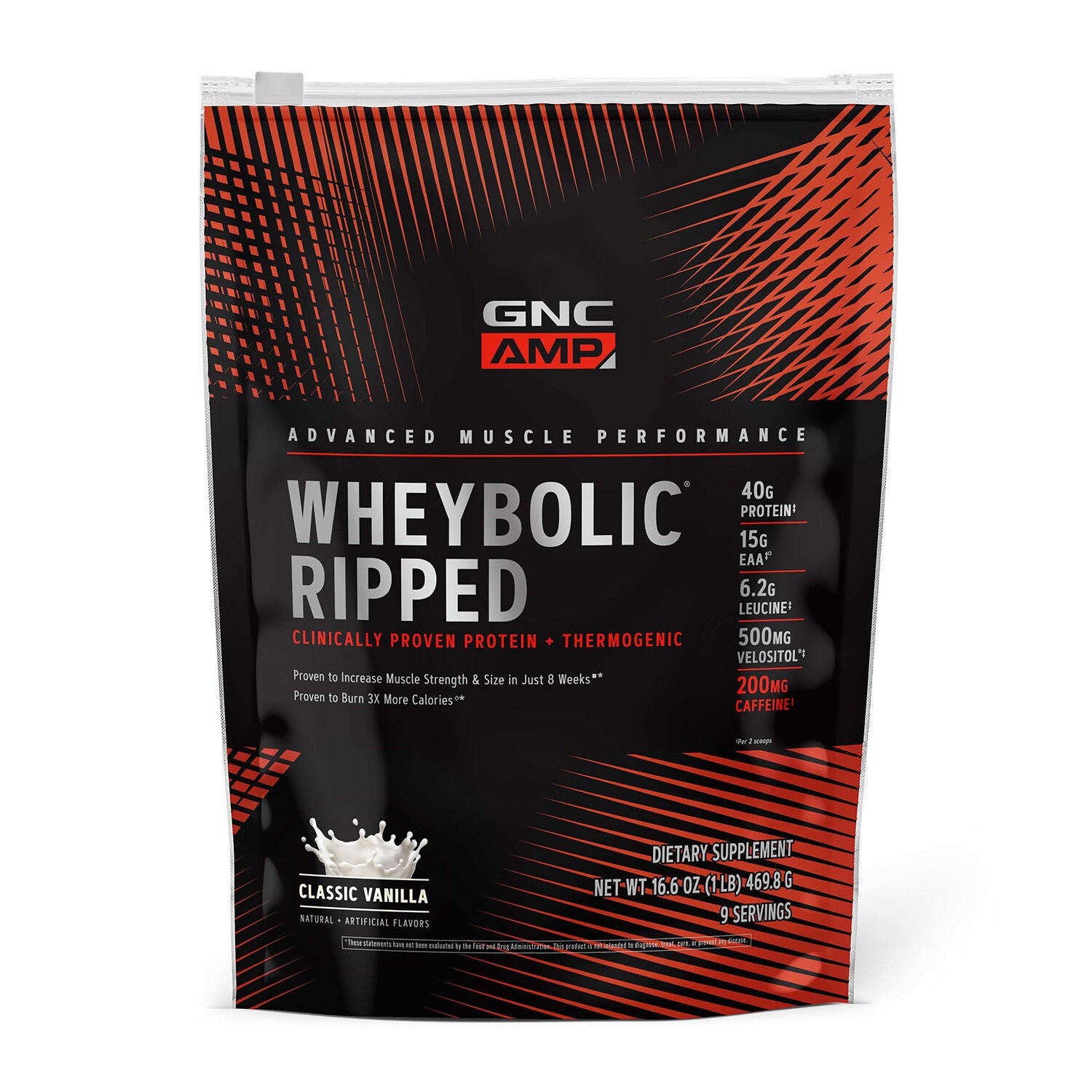


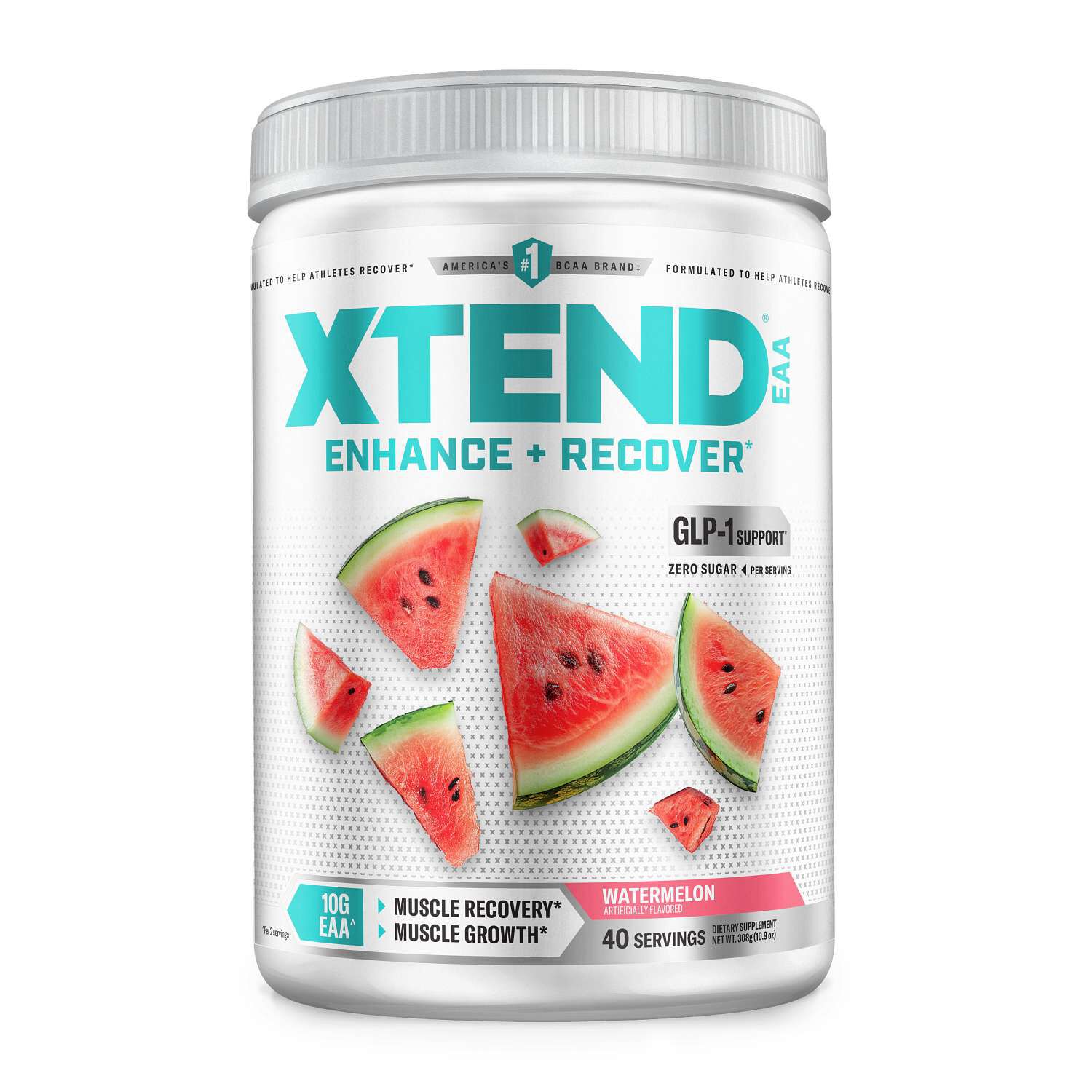


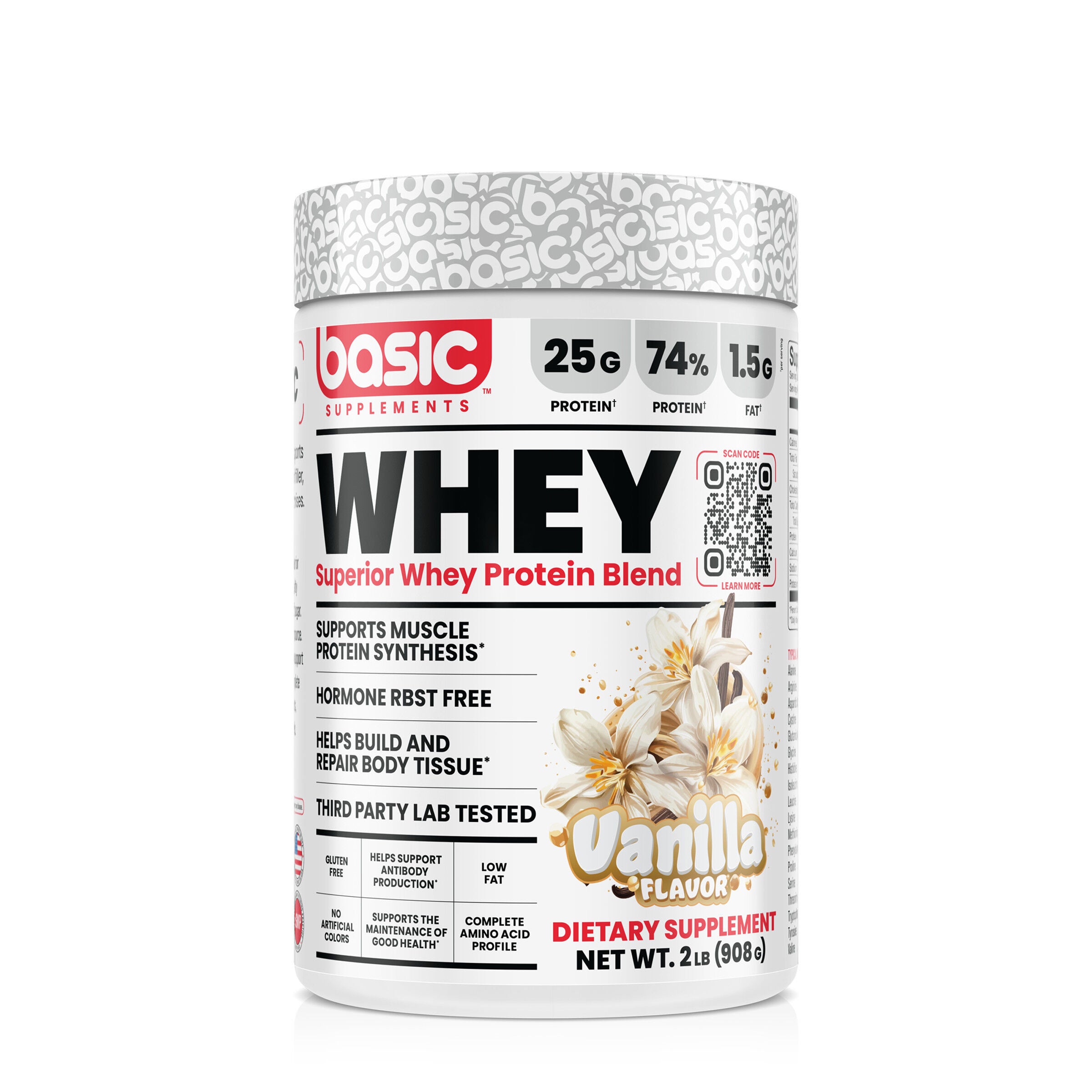
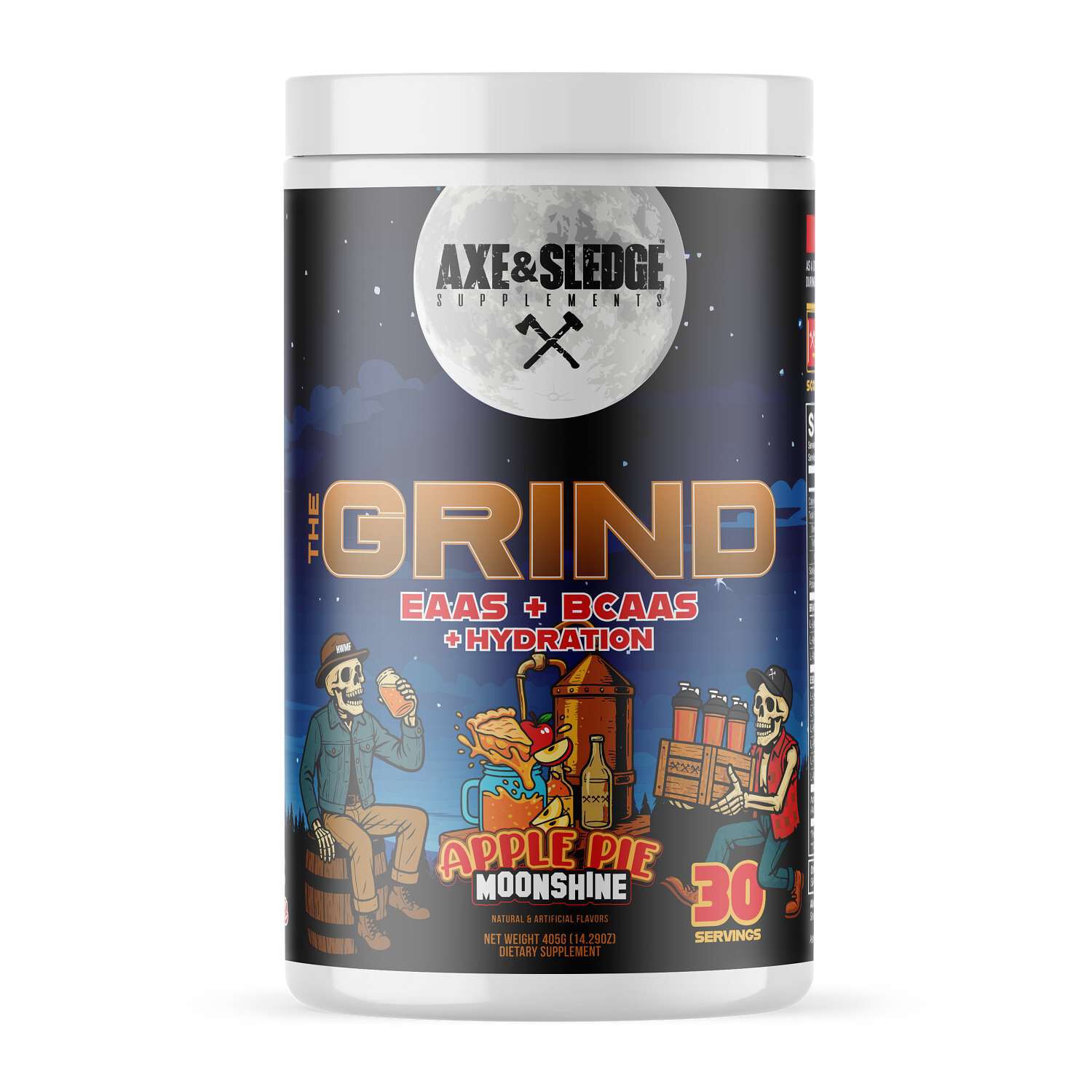


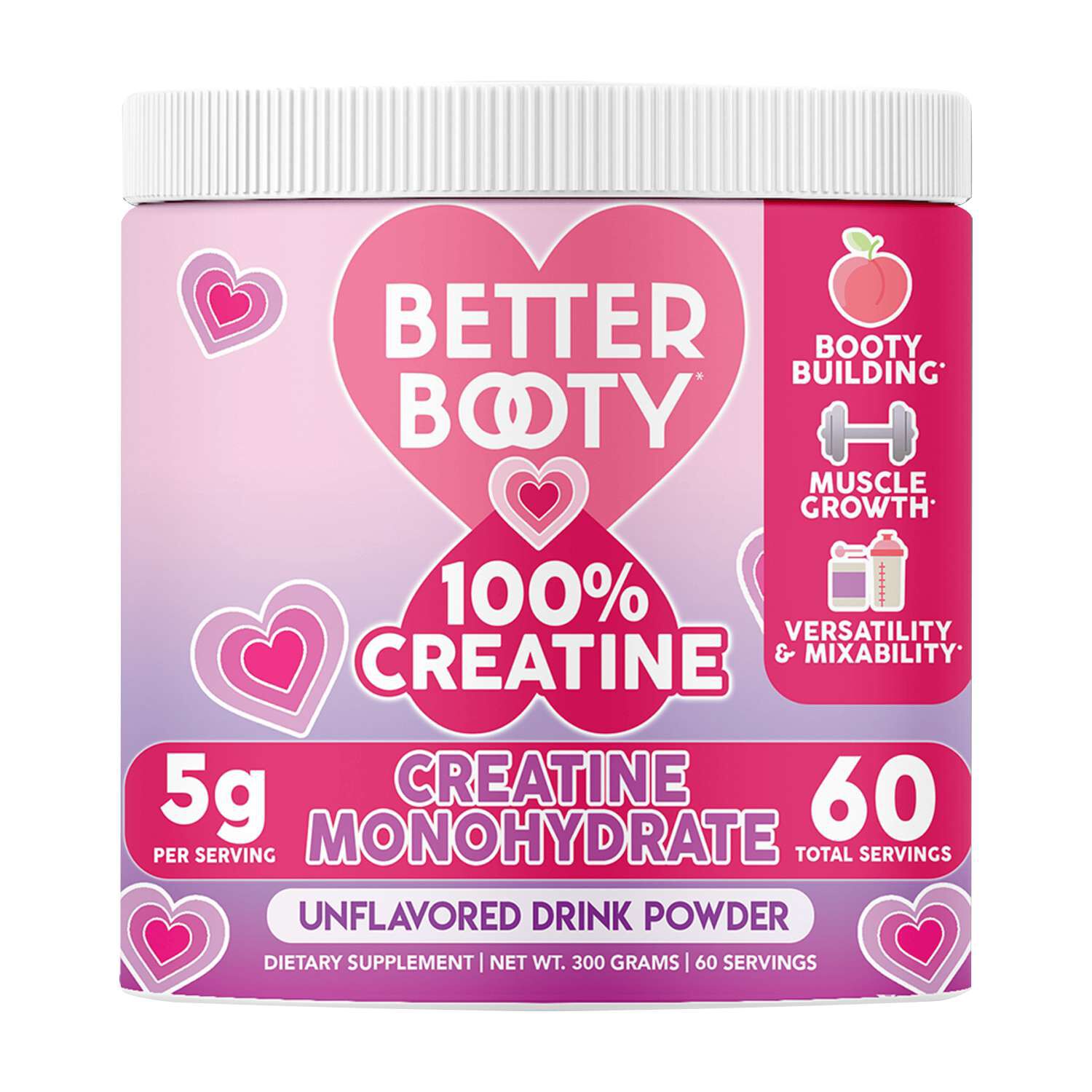

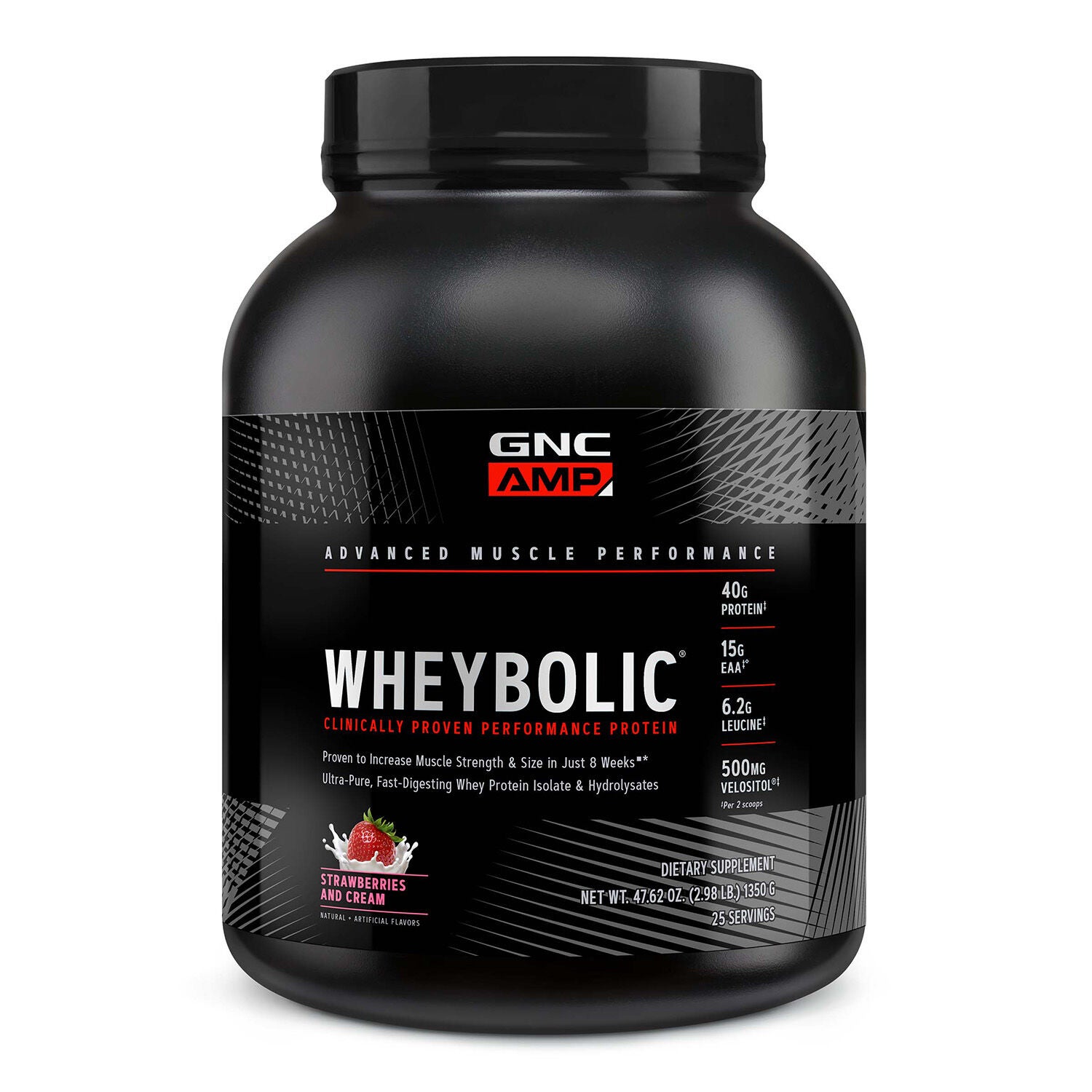
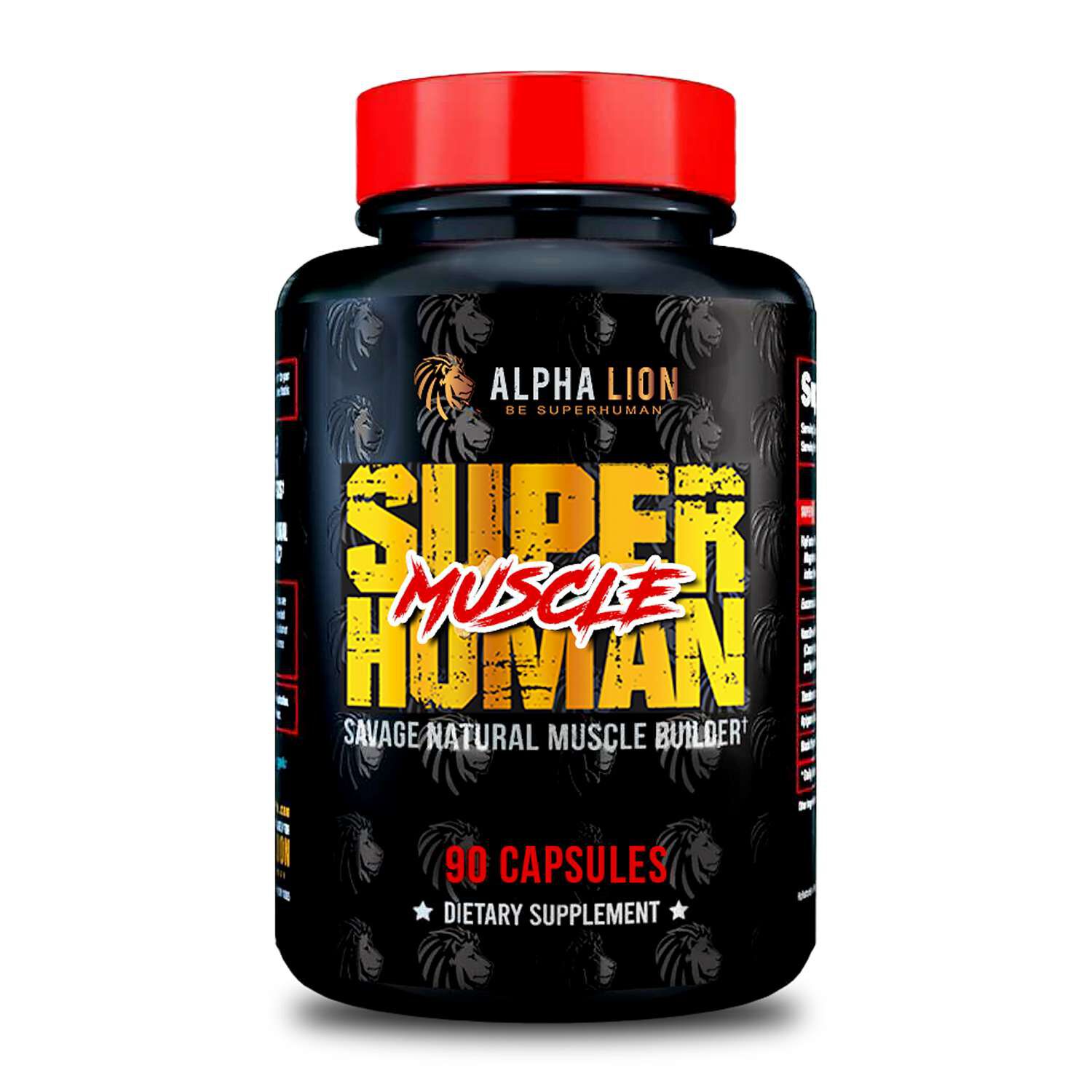
Growth support powders are nutritional products made to mix into a beverage or food, with formulas intended for different age groups and nutrition goals. The category can include age-labeled powders for children and teens, protein powders for adults, and higher-calorie blends associated with strength-training routines. These products are not interchangeable: a powder formulated for an adult pursuing muscle-building goals has a different intended use from a nutritional drink labeled for a younger age group. The most useful distinctions appear on the package, including the intended audience, serving size, ingredients, and preparation directions. Some formulas combine protein with carbohydrates, fats, vitamins, and minerals, while others center on a single ingredient or a narrower combination. Protein sources may include whey, casein, soy, pea, or blends of plant proteins. Calcium, vitamin D, and other nutrients may also appear in age-specific nutritional formulas, although the combination and amounts vary. For adults, protein powders may support muscle-building goals alongside resistance training and an appropriate eating routine. Higher-calorie powders pair protein with substantial amounts of carbohydrates and sometimes added fats, creating a different nutritional profile from a protein-focused shake. Creatine powders also appear in adult fitness contexts, but they are a separate type of supplement rather than a substitute for a protein-containing nutritional drink. Understanding these differences keeps the phrase growth support grounded in the actual contents of each container, rather than treating it as one uniform product type. A parent comparing age-labeled drink mixes, an adult seeking a convenient protein serving, and a recreational lifter evaluating a higher-calorie blend are looking for different attributes. Age labeling and intended use provide the starting point for comparing them. The category name alone does not establish suitability for a particular person or predict a change in height, body size, or athletic performance. Ingredient details and the labeled nutrition information offer a clearer picture of what a powder contains and how it is meant to be used.
Comparing growth support powders involves more than reading the protein number on the front of the container. Serving sizes can differ considerably, and one serving may require a single scoop or several scoops. Looking at the serving weight alongside calories, protein, carbohydrates, fat, and added sugars makes those differences easier to understand. Preparation matters, too: nutrition information for dry powder is different from the nutrition of a finished drink made with milk or another beverage. Some packages show both, while others list the powder alone. A blend mixed with water has a different finished profile from the same amount stirred into a milk-based smoothie with yogurt and fruit. Ingredient lists also clarify the source of the protein, the sweeteners used, and whether the formula contains milk, soy, wheat, or other declared allergens. Plant-based wording does not replace a careful reading of the ingredient and allergen statements, particularly when several people share a kitchen. Flavor and texture deserve similar attention because they shape the everyday experience of using a powder. Cocoa-based blends can have a pronounced flavor, vanilla can pair with a wider range of ingredients, and unflavored options still have a taste influenced by their protein source. Some powders produce a light drink; others mix into a thicker, more substantial shake. The amount of liquid specified on the label provides a useful reference for the intended consistency. A shaker bottle suits some blends, while others call for a blender or more thorough mixing. Someone preparing a drink before leaving for work may value straightforward mixing, whereas someone making a seated snack may prefer a thicker blend served in a glass. When package directions allow mixing into foods, oatmeal or yogurt can offer another format. These practical details help distinguish a powder that fits a familiar routine from one that requires different equipment, ingredients, or preparation time. Taste preferences, labeled use, and the finished serving all matter alongside the nutrient panel.
The right fit for a growth support powder also depends on who will use it and how the container will be handled between servings. For products labeled for children or teens, the stated age range and age-specific directions are central product details; an adult sports-nutrition label is not equivalent to a younger-age formulation. A familiar flavor or colorful package does not establish age suitability. For adult use, the distinction between a protein-centered powder and a higher-calorie blend remains important even when both have similar flavors or packaging. A person who wants a compact drink to accompany an established eating routine may have different preferences from someone who enjoys a larger smoothie after training. Powders are also only one format within a broader nutrition category. Shoppers comparing formats can explore Growth Support Vitamins, while keeping in mind that a vitamin-focused product has a different ingredient profile from a powder containing protein, carbohydrates, and fats. Packaging adds another layer to the comparison. Resealable tubs offer room for a measuring scoop, pouches take a different shape in a cabinet, and individually portioned packets simplify carrying a measured amount when that format is offered. Container size is best considered alongside the labeled number of servings, since a large package does not necessarily contain more servings than a smaller one with a different serving weight. For storage and care, the package directions remain the reference: keeping the closure secure, using a clean and dry scoop, and observing the printed date are practical considerations for any regularly used powder. Prepared drinks require the handling described on the label rather than the storage conditions used for dry powder. In a shared household, retaining the original packaging keeps ingredients, allergen statements, and directions accessible to everyone preparing a serving. These details are worth checking before choosing a powder for someone else, especially when age requirements or dietary preferences are involved. A thoughtful comparison brings together intended use, composition, flavor, preparation, and storage—not simply the wording on the front of the package.
Best Sellers
-
 GNC Pro Performance
-
 GNC Pro Performance
-
 GNC Pro Performance
-
 GNC Pro Performance