Growth Support Vitamins
(0 Results)
Looking to give your body the nutrients it needs for optimal development? Growth support vitamins might be just what you're seeking. These specially formulated supplements could provide a blend of vitamins and minerals that may help support overall growth and development. Whether aiming to support bone health, muscle function, or general wellness, growth support vitamins offer a convenient way to incorporate vital nutrients into your daily routine. Explore the potential benefits and find the right option to fit your lifestyle needs.
-
-

-
-

-

-

-

-
 $24.99
 -

-

-
-

-

-

-
-

-
-

-

-
-




Growth Support Vitamins are commonly chosen by parents and caregivers who want to help fill everyday nutrition gaps during the years when children and teens are growing, learning, playing, and building lifelong routines. These products are not a substitute for genetics, balanced meals, adequate calories, protein, movement, or restful sleep, and they cannot determine a child’s height or change biological potential. Instead, a thoughtfully selected supplement may complement a varied eating pattern when food preferences, busy schedules, or limited choices make it difficult to get a broad range of nutrients each day. Calcium, vitamin D, vitamin K, magnesium, zinc, and other nutrients may play roles in normal bone maintenance and everyday wellness, while a children’s multivitamin may offer a convenient way to cover select dietary gaps. Families exploring this category can browse Children's Growth Support Vitamins and Supplements to compare formats and formulas designed with younger shoppers in mind. Since children have different nutritional needs at different ages, read the label carefully and select a serving size that matches the intended age group. A pediatrician or qualified healthcare professional can offer personalized guidance, particularly when a child follows a restricted eating pattern, has an ongoing health concern, takes other supplements, or has a known sensitivity to an ingredient.
Choosing a growth support vitamin often comes down to the child’s routine and preferences. Chewables can suit children who prefer a familiar, candy-like format, while gummies may be easier to include alongside breakfast or an afternoon snack; liquids or powders could be useful for families seeking a different texture or a flexible way to add a product to a daily routine. Flavor, serving size, storage needs, and ingredient preferences all deserve attention. Some families look for formulas with calcium and vitamin D, while others may prefer a broader blend that includes several vitamins and minerals. The label can also help caregivers compare amounts per serving, added sugars, allergens, and directions for use. More is not necessarily better, and taking multiple products with overlapping ingredients could result in an unnecessarily high intake. Keep supplements stored according to the package directions and out of reach of young children. It can help to introduce one new product at a time and keep a simple note of when it is used, especially in a household where several caregivers share mealtime duties. Growth support vitamins may fit naturally with breakfast, after-school snacks, or a bedtime routine, but families should follow the package instructions rather than treating a supplement as a replacement for meals. During the cooler months, when school schedules, indoor activities, and changing appetites can make routines feel less predictable, a consistent approach may make daily use easier to remember.
These products may also be considered as a practical gift for a child or teen whose family is building a more organized wellness routine. A multivitamin or mineral formula can be paired with a reusable water bottle, a lunch container, or a family-friendly cookbook for a thoughtful back-to-school or seasonal care package, without presenting the supplement as a shortcut to height or development. The most supportive approach is usually broad and realistic: offer meals with varied food groups, include sources of protein and calcium, encourage age-appropriate activity, protect a regular sleep schedule, and make room for the child’s changing tastes. Picky eating is common, and preferences may shift over time, so patience can be more useful than pressure. A supplement may be one small part of that picture, especially when a child’s diet is narrow, but it should be selected with the child’s age, dietary pattern, and personal needs in mind. Caregivers should review the ingredient list and serving directions together, avoid combining products without checking for duplicate nutrients, and ask a pediatrician or other qualified healthcare professional for advice when there are concerns about growth, appetite, diet, or a child’s overall wellbeing. By treating growth support vitamins as a complement to nourishing food, rest, movement, and attentive care, families can make a choice that fits comfortably into everyday life across the changing seasons.

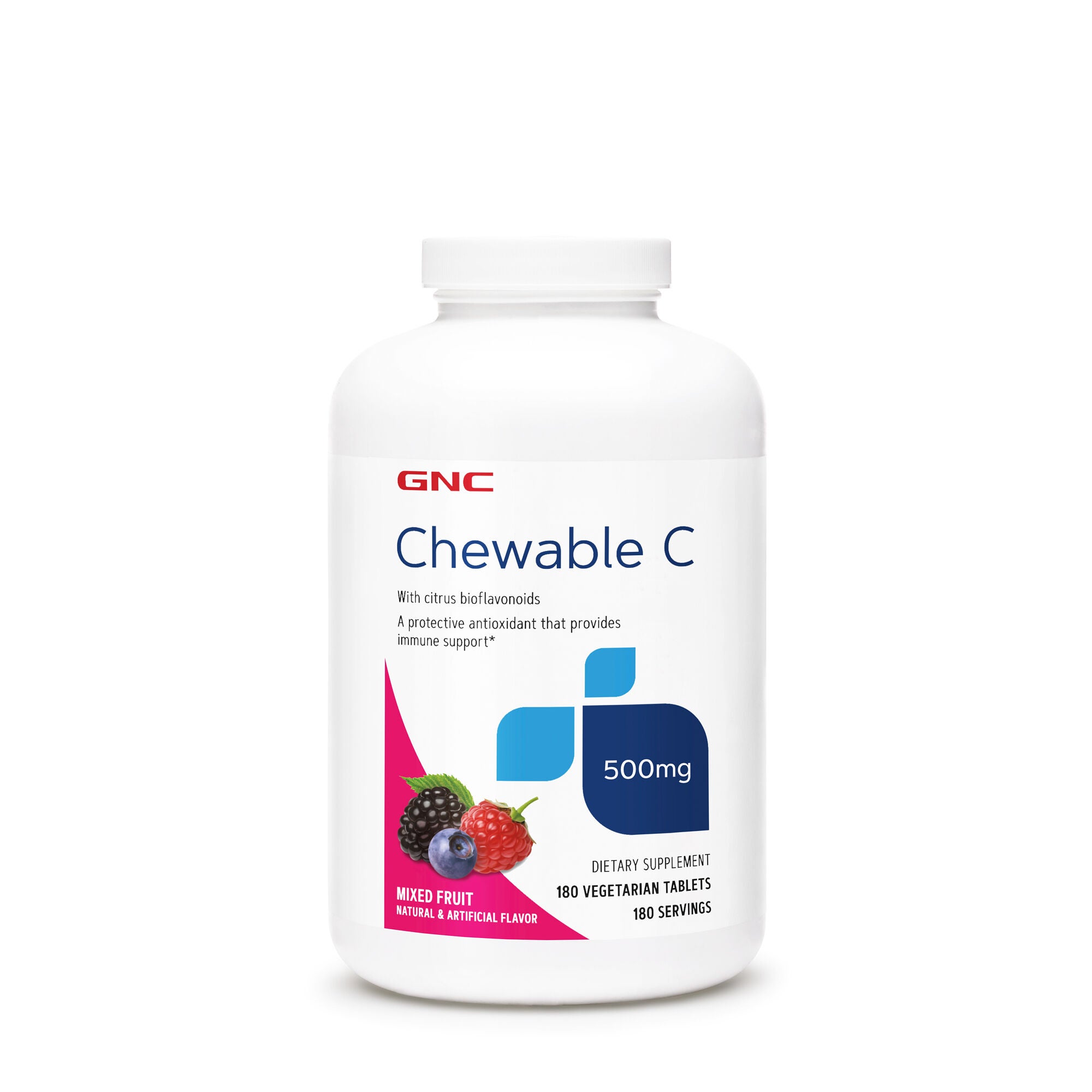
_Front.jpg?sw=305&sh=305&sm=fit "Junior Multi - 180 Tablets - 180 Tablets (180 Servings) | GNC")